

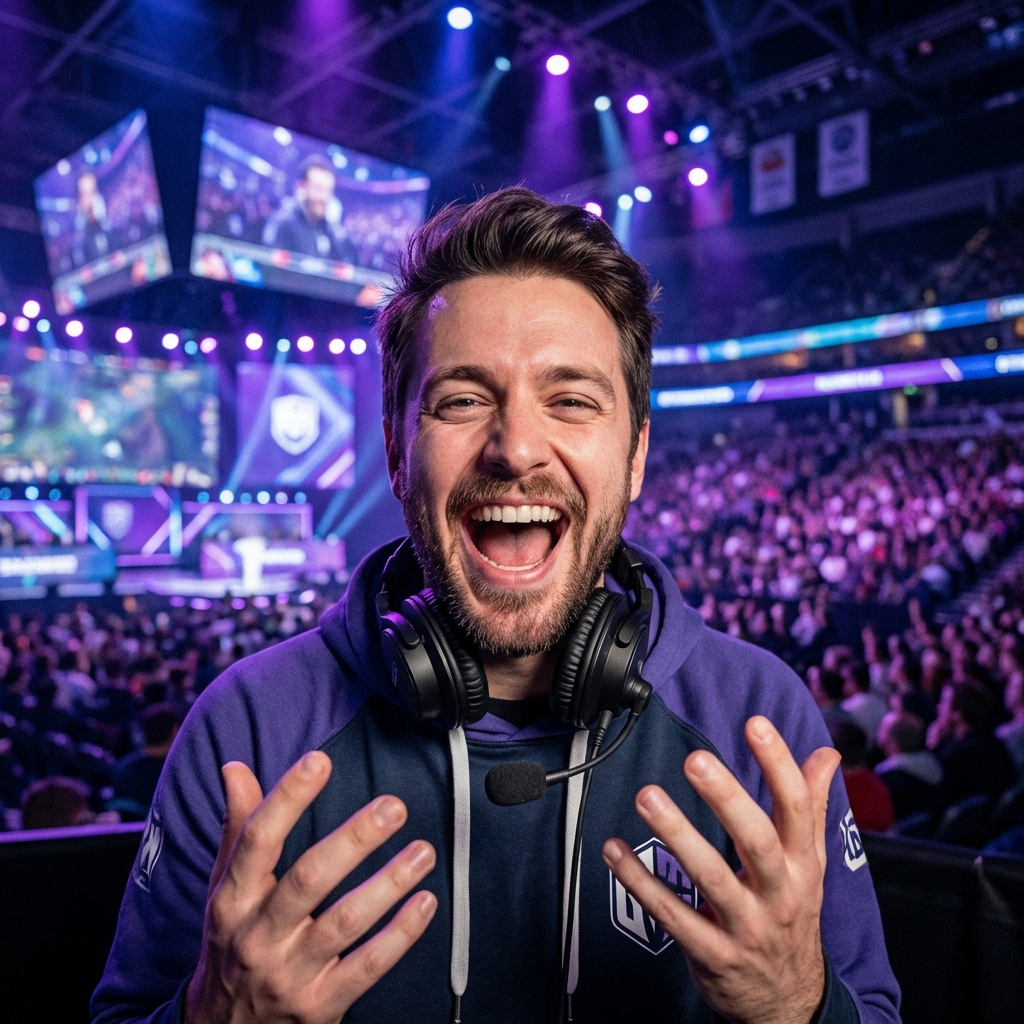
 Tom 'Retro' Baker

⏱ 15 min
The global video game market is projected to reach over $200 billion by 2023, a figure that represents a massive and ever-expanding digital economy. Yet, for decades, the ownership of digital assets within this economy has been largely illusory, residing solely within the walled gardens of game developers. This is now changing with the advent of "Play to Own" gaming, powered by Web3 technologies and Non-Fungible Tokens (NFTs), promising players genuine ownership and the ability to profit from their in-game achievements and digital possessions.
Play to Own: A Paradigm Shift in Gaming Economics
For generations, the relationship between players and video games has been characterized by a one-way transaction. Players purchased games, spent countless hours accumulating virtual items, currencies, and characters, and in doing so, contributed to the immense value generated by the gaming industry. However, the fruits of this labor were largely contained within the game's ecosystem. If a game shut down, or if a player was banned, all their accumulated digital wealth vanished. This paradigm began to shift with the rise of Web3 technologies, introducing the concept of "Play to Earn" and evolving into the more encompassing "Play to Own." The core principle of Play to Own is simple yet revolutionary: players are no longer just consumers of digital experiences, but stakeholders. They can acquire, trade, and even monetize their in-game assets in ways previously unimaginable. This democratization of digital ownership is transforming the very fabric of the gaming industry, from how games are developed and funded to how players engage with them. The evolution from "Play to Earn" to "Play to Own" is crucial. While "Play to Earn" focused primarily on the monetary rewards derived from gameplay, "Play to Own" emphasizes the underlying ownership of the digital assets themselves. This distinction is fundamental. It implies a more sustainable and equitable model where players have verifiable proof of ownership, allowing them to leverage their assets beyond the confines of a single game. ### The Player as Capitalist Under the Play to Own model, players can leverage their digital assets as a form of capital. This can manifest in various ways: * **Trading and Selling:** Players can buy, sell, and trade in-game items, characters, or land with other players on open marketplaces, often using cryptocurrencies. This creates a vibrant secondary market, adding economic depth and player agency. * **Staking and Yield Generation:** Some games allow players to stake their NFTs to earn in-game currency, rewards, or even governance tokens, providing passive income streams. * **Lending and Renting:** Players can choose to lend or rent out their valuable NFTs to other players who may not be able to afford them outright, creating new economic opportunities for both parties. * **Use Across Games:** In a truly decentralized ecosystem, NFTs could potentially be transferable and usable across different games, offering a persistent digital identity and utility for assets. This shift empowers players, making their time and investment in games more meaningful and potentially lucrative. It moves away from a model where developers hold all the cards to one where players have a tangible stake in the success and longevity of the games they love.The Genesis of Digital Asset Ownership: From In-Game Items to NFTs
The concept of owning digital items in video games is not entirely new. For years, players have bought virtual skins, weapons, and character upgrades within games. However, this ownership was always confined to the developer's server. The moment a player left a game, or the game was discontinued, those purchases became worthless. The advent of blockchain technology, particularly through Non-Fungible Tokens (NFTs), has fundamentally changed this. NFTs are unique digital assets that are recorded on a blockchain, providing irrefutable proof of ownership. Unlike cryptocurrencies, where each coin is interchangeable (fungible), each NFT is distinct and cannot be replicated. This uniqueness is what makes them ideal for representing in-game assets like rare swords, unique character skins, virtual land parcels, or even entire game worlds. ### The Evolution of Digital Collectibles Early forms of digital collectibles existed in various online spaces. Trading cards in digital card games, or rare items in MMORPGs, were early precursors. However, the ownership model was always centralized and controlled by the game publisher. If the publisher decided to alter the rarity of an item or even remove it from the game, players had no recourse. The introduction of NFTs on blockchains like Ethereum, Solana, and Polygon brought about a seismic shift. Suddenly, an in-game item could be represented by a unique token on a decentralized ledger. This token, the NFT, acts as a deed, proving that a specific player owns that particular digital asset. Consider a rare sword in a fantasy RPG. In a traditional game, owning this sword means having it in your in-game inventory. In a Play to Own game with NFTs, owning the sword means owning the NFT that represents it. This NFT can be: * Stored in a player's digital wallet, independent of the game. * Traded on external NFT marketplaces, like OpenSea or Magic Eden. * Potentially used in other compatible games or metaverses. * Verified by anyone on the blockchain, ensuring its authenticity and rarity. This transition from centrally controlled virtual items to verifiable, transferable digital assets marks a pivotal moment in gaming history. It empowers players with a level of control and economic freedom that was previously unattainable, truly bringing the concept of digital ownership into reality.Minting: Creating Unique Digital Assets
The process of creating an NFT is known as "minting." In the context of gaming, developers can mint NFTs to represent unique in-game items, characters, or other digital assets. This minting process involves recording the asset's metadata (description, image, properties, etc.) and a unique token ID onto the blockchain. When a player acquires an NFT in a game, they are essentially being assigned ownership of that specific token on the blockchain. This ownership is then managed through their cryptocurrency wallet, which acts as their digital vault. The transparency of the blockchain means that the provenance and ownership history of every NFT can be traced, adding a layer of trust and value to these digital assets.Marketplaces: The Hubs of Digital Commerce
The rise of NFTs has led to the creation of specialized marketplaces where players can buy, sell, and trade their digital assets. Platforms like OpenSea, Rarible, and Magic Eden have become crucial hubs for the Web3 gaming economy. These marketplaces facilitate peer-to-peer transactions, allowing players to discover, acquire, and divest their digital holdings. The ability to list and sell game assets on these open markets is a cornerstone of the Play to Own model. It allows for price discovery based on rarity, utility, and player demand, fostering a dynamic and player-driven economy. Developers often benefit from these secondary sales as well, as smart contracts can be programmed to give them a percentage of each resale, creating an ongoing revenue stream tied to the long-term value of their game's assets.Web3 Gaming: More Than Just Play-to-Earn
While "Play to Earn" (P2E) brought the initial wave of excitement and attention to Web3 gaming, the current evolution towards "Play to Own" signifies a more mature and sustainable ecosystem. P2E models often focused heavily on the immediate financial incentives, which, while attractive, sometimes led to unsustainable economies and a perception of gaming as a job rather than an enjoyable pastime. Play to Own, conversely, aims to integrate ownership as a fundamental aspect of the gaming experience, enhancing enjoyment and long-term engagement. The shift acknowledges that true ownership is not just about earning money, but about having control, agency, and the potential for value appreciation of digital assets. This is achieved through a deeper integration of blockchain technology and smart contracts within the game's design and economy. ### Decentralized Game Economies A key characteristic of Web3 games is the potential for decentralized economies. In traditional games, the developer dictates all economic rules, item drops, and market prices. In Web3, especially with Play to Own principles, these economies can become more player-governed. * **Community Governance:** Players who hold certain governance tokens or NFTs may have a say in game development decisions, economic parameters, or future updates. This fosters a sense of community and shared ownership. * **Open Marketplaces:** As mentioned, assets can be traded on open, external marketplaces, reducing reliance on proprietary in-game shops and allowing for true price discovery. * **Interoperability:** The ultimate vision for some Web3 games is interoperability, where NFTs acquired in one game can be used or have value in another. While still in its early stages, this promises a persistent digital identity and utility for player assets across the metaverse.2013
First NFT Sale
2021
NFTs Surge in Popularity
300+
Web3 Games Launched (2022)
Beyond Speculation: Utility and Engagement
The initial hype around P2E was sometimes driven by speculative investment rather than genuine gameplay. This led to games where the primary activity was farming tokens, which is not a sustainable or enjoyable gaming model for most. Play to Own aims to correct this by emphasizing the utility and inherent value of the NFTs within the game itself. Instead of just being an asset to be sold for crypto, an NFT might grant: * **Exclusive Access:** Access to special game modes, areas, or events. * **Enhanced Gameplay:** Stat boosts, unique abilities, or cosmetic advantages. * **Crafting Components:** Rare materials needed to craft other valuable items within the game. * **Breeding Mechanics:** The ability to use NFTs to create new, unique NFTs. When NFTs have tangible utility that enhances the core gameplay loop, players are more likely to engage with them for reasons beyond immediate financial gain. This creates a more robust and organic economy where asset value is derived from actual use and demand within the gaming experience, fostering long-term player retention and investment.The Technology Underpinning True Ownership: Blockchain and Smart Contracts
The revolutionary nature of Play to Own gaming is intrinsically tied to the underlying technologies: blockchain and smart contracts. These two components work in tandem to create a transparent, secure, and verifiable system for digital asset ownership. Blockchain technology, at its core, is a distributed, immutable ledger that records transactions across a network of computers. This decentralization means no single entity has control, making the data highly resistant to tampering or censorship. When an NFT representing a game asset is minted, its ownership and transaction history are recorded on this blockchain, providing a permanent and publicly auditable record. Smart contracts are self-executing contracts with the terms of the agreement directly written into code. They run on the blockchain and automatically execute actions when predefined conditions are met. In the context of Web3 gaming, smart contracts are instrumental in managing the lifecycle of NFTs and facilitating various in-game economic activities. ### How They Enable True Ownership: 1. **Verifiable Ownership:** When a player acquires an NFT, the ownership is recorded on the blockchain and linked to their unique digital wallet address. This is undeniable proof of ownership that exists independently of any game server. 2. **Transparency and Security:** All transactions involving NFTs, from their creation to their sale, are recorded on the public blockchain. This transparency allows anyone to verify the authenticity, rarity, and ownership history of an asset. The cryptographic nature of blockchain ensures the security of these records. 3. **Automated Transactions:** Smart contracts automate the process of buying, selling, and transferring NFTs. For example, a smart contract can be programmed to automatically transfer an NFT from a seller to a buyer upon receiving the agreed-upon cryptocurrency payment, without the need for intermediaries. 4. **Royalty Enforcement:** Developers can embed royalty fees into smart contracts. This means that every time an NFT is resold on a secondary marketplace, a predetermined percentage of the sale price can be automatically sent back to the original creator or developer, creating a sustainable revenue model for game creators. 5. **Decentralized Marketplaces:** Smart contracts power decentralized marketplaces, enabling peer-to-peer trading of NFTs without a central authority. This fosters a more open and competitive market for game assets. The integration of these technologies transforms in-game items from ephemeral digital tokens within a game's database to tangible, valuable assets that players truly own and can control.Blockchain Transaction Volume (Web3 Gaming)
Choosing the Right Blockchain
The choice of blockchain for a Web3 game is a critical decision with significant implications for performance, cost, and scalability. Different blockchains offer varying trade-offs. * **Ethereum:** The pioneer for NFTs, Ethereum boasts the largest ecosystem and highest liquidity. However, it is known for high transaction fees ("gas fees") and slower transaction speeds, especially during periods of high network congestion. * **Solana:** Known for its high throughput and low transaction fees, Solana has become popular for gaming and DeFi applications. It offers faster transaction times, making it more suitable for fast-paced gameplay. * **Polygon:** A Layer 2 scaling solution for Ethereum, Polygon offers significantly lower fees and faster transactions while still benefiting from Ethereum's security. It provides a good balance for many Web3 games. * **Immutable X:** Specifically designed for NFTs and gaming, Immutable X offers zero gas fees for minting and trading, along with fast transaction speeds, making it an attractive option for game developers. The ongoing development of blockchain technology continues to bring new solutions and improvements, aiming to make Web3 gaming more accessible and efficient for a broader audience.Challenges and the Road Ahead for Play to Own
Despite the immense potential and rapid advancements, the Play to Own gaming model faces several significant hurdles that need to be addressed for widespread adoption and long-term success. These challenges span technical, economic, and user-experience domains. ### Technical and Scalability Issues The core infrastructure of blockchain technology, while innovative, is still maturing. Scalability remains a primary concern. Many popular blockchains, like Ethereum, struggle with high transaction fees and slow confirmation times, especially during peak usage. This can lead to frustrating user experiences, where simple in-game actions or asset transfers become prohibitively expensive or time-consuming. Furthermore, the security of smart contracts is paramount. Vulnerabilities in smart contract code can lead to significant financial losses through hacks and exploits, as has been seen in various DeFi and NFT projects. Ensuring the robustness and security of these contracts is a continuous challenge for developers. ### User Experience and Accessibility Web3 technologies, including cryptocurrency wallets and blockchain interactions, can be complex and intimidating for mainstream gamers. The onboarding process often requires users to understand concepts like seed phrases, gas fees, and different blockchain networks, which can be a significant barrier to entry. For Play to Own to truly flourish, the user experience must be streamlined and intuitive. This means abstracting away much of the underlying blockchain complexity, making wallet management easier, and simplifying transaction processes. A seamless experience, comparable to traditional gaming, is essential for attracting and retaining a large player base. ### Economic Sustainability and Regulation The economic models of many early P2E games proved unsustainable, often relying on a constant influx of new players to pay out existing ones. This Ponzi-like structure is inherently unstable. Play to Own models aim to rectify this by focusing on genuine utility and value creation for NFTs, rather than pure speculation. However, achieving long-term economic sustainability requires careful game design, balanced economies, and a focus on intrinsic fun. The regulatory landscape for cryptocurrencies and NFTs is also evolving rapidly. Governments worldwide are grappling with how to classify and regulate these digital assets. Uncertainty regarding future regulations can create hesitations for both developers and players, potentially impacting investment and adoption.
"The key to sustainable Play to Own gaming isn't just about asset ownership, but about creating genuinely fun and engaging experiences where ownership enhances the gameplay. If the game isn't fun, players won't stay, regardless of their digital assets."
### The Path Forward
Addressing these challenges requires a multi-pronged approach:
* **Technological Advancements:** Continued development in Layer 2 scaling solutions, sharding, and more efficient blockchain architectures will be crucial for improving performance and reducing costs.
* **User-Centric Design:** Developers must prioritize intuitive interfaces, simplified onboarding, and robust security measures to make Web3 gaming accessible to everyone.
* **Sustainable Economic Models:** Focus on games with inherent fun, where NFTs have tangible utility and value derived from gameplay, rather than solely speculative potential.
* **Industry Collaboration:** Collaboration between game developers, blockchain platforms, and regulatory bodies will be necessary to navigate the evolving legal and economic frameworks.
The journey of Play to Own gaming is far from over, but by acknowledging and actively working to overcome these obstacles, the industry can build a more robust, equitable, and enjoyable future for digital gaming.
— Alex Thompson, Lead Game Designer, Nebula Studios
The Economic Landscape: Market Growth and Investment
The emergence of Play to Own gaming has significantly impacted the broader digital economy, attracting substantial investment and fostering new market dynamics. The value proposition of true digital asset ownership has resonated with both players seeking control and creators looking for new monetization strategies. The overall market for blockchain-based games, often referred to as Web3 gaming, has witnessed explosive growth, though it has also experienced periods of volatility. This growth is driven by several factors, including the increasing adoption of cryptocurrencies, the rise of NFTs as a mainstream concept, and the desire for more engaging and rewarding gaming experiences. ### Investment Trends Venture capital firms and institutional investors have poured billions of dollars into the Web3 gaming sector. This investment is fueling the development of new games, infrastructure, and platforms. The focus of this investment is on companies building innovative game titles, developing essential blockchain infrastructure for gaming, and creating marketplaces for digital assets.| Year | Web3 Gaming Investment (USD Billions) | Number of Projects Funded |
|---|---|---|
| 2020 | 0.5 | 15 |
| 2021 | 2.2 | 55 |
| 2022 | 3.5 | 110 |
| 2023 (Projected) | 4.0 | 130 |
Case Studies: Early Successes and Emerging Trends
The Play to Own revolution is not just a theoretical concept; it is already being realized through a growing number of innovative games and platforms. These early successes offer valuable insights into what works, what doesn't, and where the future of Web3 gaming might be heading. One of the most prominent early examples in the "Play to Earn" space, which paved the way for "Play to Own," was Axie Infinity. This game, inspired by Pokémon, allowed players to collect, breed, and battle digital creatures called Axies, which were represented as NFTs. Players could earn cryptocurrency rewards for battling and advancing in the game, and the Axies themselves could be bought and sold on open marketplaces. While Axie Infinity faced challenges related to economic sustainability and user experience, it demonstrated the immense potential of a player-owned digital economy and brought Web3 gaming into the mainstream consciousness. Emerging trends point towards a more balanced approach, integrating fun gameplay with genuine asset ownership. Games are moving beyond simple token farming to offer deeper mechanics and more meaningful utility for NFTs. ### Leading the Charge: Examples and Innovations * **Gods Unchained:** A free-to-play tactical card game where players truly own their digital cards as NFTs. Players can buy, sell, and trade these cards on the Immutable X marketplace. The game emphasizes strategic gameplay, allowing players to earn rewards through competitive play. The ownership of cards ensures that players can profit from their collections and skill. * **Decentraland and The Sandbox:** These are prominent examples of decentralized virtual worlds where players can buy virtual land as NFTs, build experiences, and monetize them. These platforms are essentially metaverses that combine gaming, social interaction, and digital ownership. Users can create games within these worlds, host events, and sell virtual goods and services, all built on blockchain technology. * **Illuvium:** This is an open-world fantasy game with a strong emphasis on exploration and strategy, featuring collectible creatures called Illuvials. These creatures are NFTs, and players can earn Ether (ETH) by winning battles and selling their Illuvials. The game aims to combine the appeal of AAA graphics with the economic freedom of Web3. These case studies highlight a crucial evolution: the focus is shifting from solely "earning" to a more holistic "owning" and "playing" experience. The value of NFTs is increasingly tied to their utility within the game, their aesthetic appeal, their rarity, and their potential for future development.
"The next generation of Web3 games will prioritize player fun and engagement above all else. Ownership will be a core feature that enhances the experience, not the sole reason to play. We're seeing a maturity in the market where developers are building sustainable ecosystems from the ground up."
The trend is towards more sophisticated game design, with developers leveraging blockchain to create economies that are both engaging for players and sustainable in the long term. The integration of NFTs as integral game components, rather than just speculative assets, is key to the continued success and widespread adoption of Play to Own gaming. As the technology matures and user experiences improve, we can expect to see even more innovative and compelling examples emerge, further solidifying the position of Play to Own as a transformative force in the gaming industry. You can learn more about the history of digital assets on Wikipedia.
— Sarah Chen, Crypto Analyst, ChainLink Ventures
What is the difference between Play to Earn and Play to Own?
Play to Earn primarily focuses on the monetary rewards players can gain from playing a game. Play to Own, while encompassing earning potential, emphasizes the player's actual ownership of their digital assets (represented by NFTs), allowing them to control, trade, and utilize these assets beyond the game itself.
Are NFTs required for Play to Own gaming?
While not all games that offer some form of digital ownership use NFTs, NFTs are the primary technology that enables true, verifiable ownership of unique digital assets on a blockchain. Therefore, most Play to Own games heavily rely on NFTs to represent in-game items, characters, or other valuable digital property.
How do I get started with Play to Own games?
To get started, you'll typically need a cryptocurrency wallet (like MetaMask), some cryptocurrency to purchase initial assets (if required by the game), and then you can download or access the game. Many games have detailed guides on their websites to help new players set up and begin playing.
Are Play to Own games risky?
Yes, Play to Own games, like many aspects of the cryptocurrency and NFT space, carry risks. These include the volatility of cryptocurrencies and NFTs, potential smart contract vulnerabilities, regulatory uncertainties, and the possibility of game economies becoming unsustainable. It's important to do thorough research and only invest what you can afford to lose.