

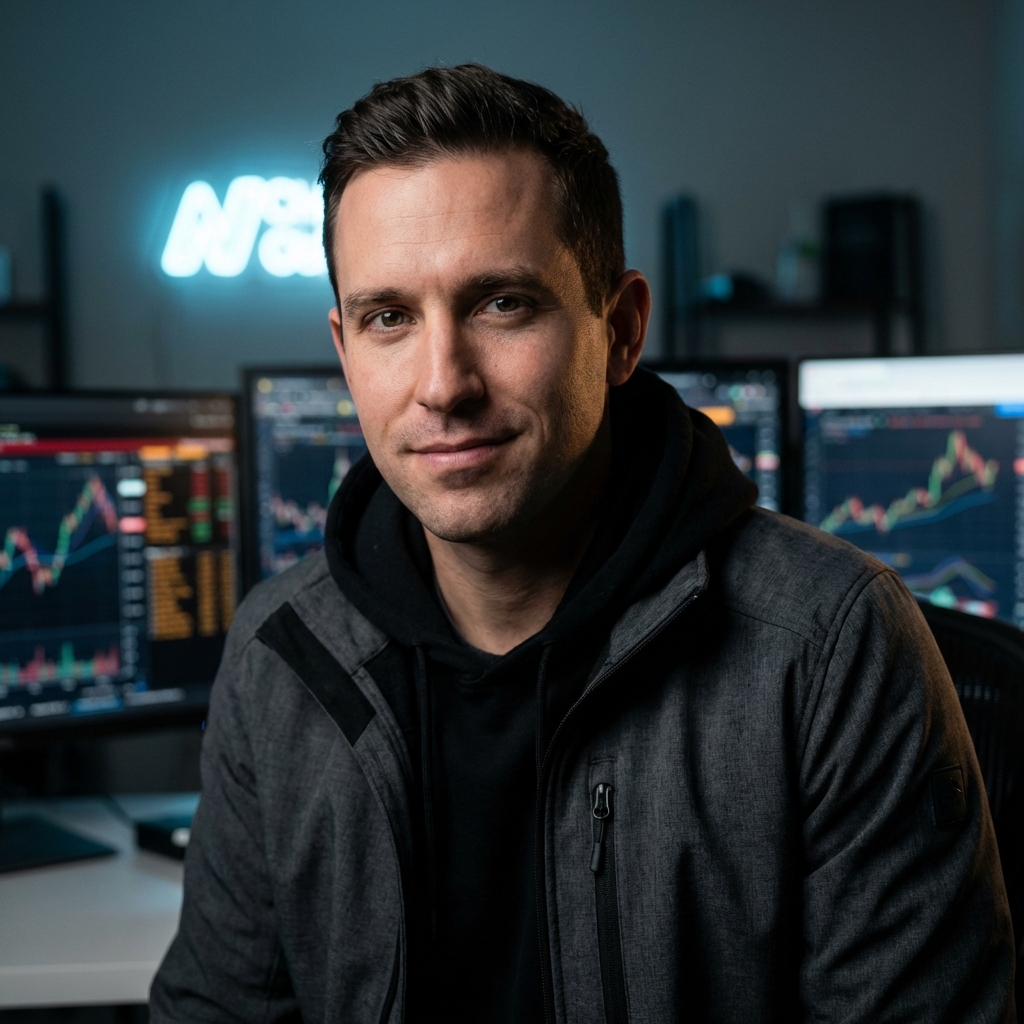
 Simon North
The Shifting Sands: Understanding the Creator Economys Evolution
The current iteration of the creator economy, often referred to as Web2, is characterized by platforms like YouTube, Instagram, TikTok, and Twitter. These platforms have democratized content creation, allowing individuals to bypass traditional media gatekeepers and build direct relationships with their audiences. Creators can earn through advertising revenue, sponsorships, merchandise sales, and platform-specific monetization features like subscriptions or direct tips. However, this model is inherently reliant on the goodwill and algorithms of these centralized entities.The Platform Predicament
Creators operate at the mercy of platform policies, which can change without warning, impacting their reach and income. Algorithms dictate visibility, making it a constant battle to maintain engagement and discoverability. Furthermore, the data generated by a creator's audience—their preferences, demographics, and engagement patterns—remains largely the property of the platform, not the creator. This asymmetry of power limits a creator's ability to truly understand and leverage their community.
The Illusion of Control
While creators build followings and influence, their ownership of these assets is often fragile. A sudden ban, a change in monetization policies, or even the platform's decline can erase years of hard work and community building. This precariousness fuels a desire for more stable and equitable models of interaction and compensation.
Web3: The Decentralized Revolution Unpacked
Web3 represents the next evolutionary phase of the internet, built on principles of decentralization, blockchain technology, and user ownership. Unlike Web2, where data and control are concentrated in the hands of a few large corporations, Web3 aims to distribute power back to users and creators. At its core are technologies like blockchain, cryptocurrencies, and smart contracts, which enable peer-to-peer transactions, verifiable ownership, and transparent governance.Blockchain as the Foundation
The underlying technology of Web3 is blockchain – a distributed, immutable ledger that records transactions across a network of computers. This inherent transparency and security make it ideal for tracking ownership of digital assets, facilitating secure transactions, and establishing trust without the need for intermediaries. Cryptocurrencies act as native digital currencies within these ecosystems, enabling direct financial interactions.
Smart Contracts: Automating Trust
Smart contracts are self-executing contracts with the terms of the agreement directly written into code. They run on the blockchain and automatically execute actions when predefined conditions are met. This automation removes the need for trusted third parties, reducing costs and increasing efficiency in various applications, including royalty distribution, content licensing, and community governance.
Key Differentiating Factors
The fundamental shift from Web2 to Web3 lies in the concept of "ownership." In Web2, users rent access to platforms and their tools. In Web3, users can truly own digital assets, participate in the governance of platforms, and have greater control over their data and digital identity.
Tokenizing Creativity: NFTs and the Dawn of Digital Ownership
Perhaps the most visible manifestation of Web3's impact on the creator economy is the rise of Non-Fungible Tokens (NFTs). NFTs are unique digital assets that are cryptographically secured on a blockchain, proving ownership of a specific item, whether it's digital art, music, video clips, or even tweets. This technology has unlocked entirely new ways for creators to monetize their work and for audiences to directly support and become invested in their favorite creators.Beyond Collectibles: Functional NFTs
While initially popularized by digital art collectibles, NFTs are rapidly evolving. Creators are now using them to offer exclusive content, early access to projects, membership to private communities, or even fractional ownership of future earnings. This transforms NFTs from mere digital trinkets into versatile tools for building deeper fan relationships and creating sustainable income streams.
Royalties and Secondary Markets
A groundbreaking aspect of NFTs is the ability to embed royalty payments directly into the smart contract. This means that every time an NFT is resold on a secondary market, a predetermined percentage of the sale price automatically goes back to the original creator. This creates a continuous revenue stream, a significant departure from the one-off payments common in Web2.
| NFT Type | Creator Monetization Method | Audience Value Proposition |
|---|---|---|
| Digital Art/Collectibles | Direct sale, ongoing royalties | Unique ownership, potential appreciation |
| Exclusive Content Access | Token-gated content, subscription alternatives | Premium content, behind-the-scenes access |
| Community Membership | Entry to private Discord/Telegram, voting rights | Belonging, direct creator interaction, influence |
| Fractionalized Ownership | Shared revenue from future projects | Investment opportunity, part of creator's success |
Case Study: Music NFTs
Musicians are leveraging NFTs to sell limited edition tracks, album art, or even shares in future royalties. This allows fans to not only support artists directly but also potentially benefit from the artist's future success, fostering a more symbiotic relationship than traditional record deals.
Decentralized Social Networks: Beyond the Centralized Gatekeepers
The dominance of centralized social media platforms has led to concerns about censorship, data privacy, and algorithmic manipulation. Web3 is fostering the development of decentralized social networks (DSNs) that aim to address these issues by distributing control and ownership among users. These platforms often utilize blockchain for identity management, content storage, and moderation, giving users more agency.User-Owned Infrastructure
In DSNs, users often own their data and digital identity, which can be portable across different applications. Content is often stored on decentralized file storage systems like IPFS, making it resistant to single points of failure or censorship. Users may also earn tokens for their participation, content creation, or curation.
Moderation and Governance
Decentralized moderation is a key challenge, but emerging models often involve community-led decision-making, token-based voting, or reputation systems to manage content and enforce community guidelines. This aims to move away from arbitrary, top-down moderation policies.
Examples in the Wild
Platforms like Lens Protocol and Farcaster are building foundational layers for decentralized social graphs, enabling developers to build diverse social applications where users truly own their connections and content. While still in their nascent stages, these DSNs offer a glimpse into a future where social media is more equitable and user-centric.
Community as Capital: DAO Governance and Creator Empowerment
Decentralized Autonomous Organizations (DAOs) are a novel form of organizational structure that operates on blockchain technology, governed by code and community consensus rather than a central authority. For creators, DAOs offer a powerful mechanism to foster deeper community engagement, collective decision-making, and shared ownership of creative ventures.The Power of Collective Ownership
Creators can establish DAOs where their most dedicated fans and supporters become token holders. These tokens can grant voting rights on creative decisions, project direction, or even how community funds are allocated. This transforms passive fans into active stakeholders, fostering immense loyalty and engagement.
Funding and Resource Allocation
DAOs can serve as a decentralized funding mechanism for creators. Community members can invest in a creator's projects by acquiring governance tokens, and the DAO treasury, funded by these investments or NFT sales, can be used to support content production, marketing, or artist development. This democratizes the funding process, reducing reliance on traditional investors or platform advances.
Empowering Creators and Communities
DAOs shift power from platforms to communities. Creators gain more autonomy, and their most valuable supporters are rewarded for their dedication and belief. This creates a more resilient and sustainable ecosystem where everyone involved has a vested interest in the creator's success.
Monetization Reinvented: New Revenue Streams for Creators
The traditional creator economy relied heavily on advertising, sponsorships, and platform-specific tools. Web3 introduces a plethora of innovative monetization strategies that empower creators to diversify their income and build more stable financial futures.Beyond Ads: Direct Value Exchange
NFTs, as discussed, offer direct sales and royalties. Beyond this, creators can offer token-gated access to exclusive content, community channels, or even early product releases. This direct value exchange bypasses intermediaries and ensures a larger share of revenue goes directly to the creator.
Social Tokens and Fan Economies
Social tokens, essentially cryptocurrencies created by individuals or communities, allow fans to invest in a creator's journey. Holding these tokens can grant access to exclusive perks, voting rights within a creator's ecosystem, or even a share in future revenue streams. This fosters a micro-economy around the creator, where fans are incentivized to promote and support them.
Decentralized Streaming and Content Platforms
New Web3-native platforms are emerging that allow creators to host and monetize their content directly, often with built-in tipping mechanisms, subscription models, and fair revenue-sharing agreements. Platforms like Audius for music or Mirror for publishing are challenging the status quo by putting creators first.
Data Monetization and Control
In Web3, creators can potentially control and even monetize the data generated by their audience. By offering opt-in data sharing, creators could grant anonymized or aggregated insights to brands for marketing purposes, earning revenue while respecting user privacy and consent, a stark contrast to current data harvesting practices.
Challenges and the Road Ahead: Navigating the Web3 Landscape
Despite its immense promise, the transition to a Web3-centric creator economy is not without its hurdles. Technical complexities, regulatory uncertainty, and the need for widespread user adoption present significant challenges.User Experience and Accessibility
Current Web3 tools and interfaces can be intimidating for the average user. The concepts of wallets, gas fees, and private keys are foreign to many. Streamlining user experience and making these technologies more intuitive will be crucial for mass adoption. You can learn more about blockchain technology on Wikipedia.
Regulatory and Legal Ambiguities
The regulatory landscape surrounding cryptocurrencies, NFTs, and DAOs is still evolving globally. This uncertainty can create hesitation for creators and investors, as well as potential legal risks. Many organizations are actively engaging with regulators, including those at Reuters, to shape future policies.
Scalability and Environmental Concerns
Some blockchain networks face scalability issues, leading to high transaction fees (gas fees) and slow processing times, particularly during peak usage. While many newer blockchains are addressing these concerns with more energy-efficient consensus mechanisms, environmental impact remains a point of discussion.
Security and Scams
The decentralized nature of Web3 can also present opportunities for malicious actors. Phishing scams, rug pulls, and smart contract vulnerabilities are prevalent. Educating creators and users about security best practices is paramount to fostering trust and safety within these new ecosystems.
The journey from likes to ownership is well underway. Web3 is not merely an upgrade; it's a fundamental reimagining of how value is created, shared, and owned online. As the technology matures and adoption grows, the creator economy is set to become a more equitable, empowering, and truly community-driven space, where creators and their audiences thrive together.