

 Elena Kogan
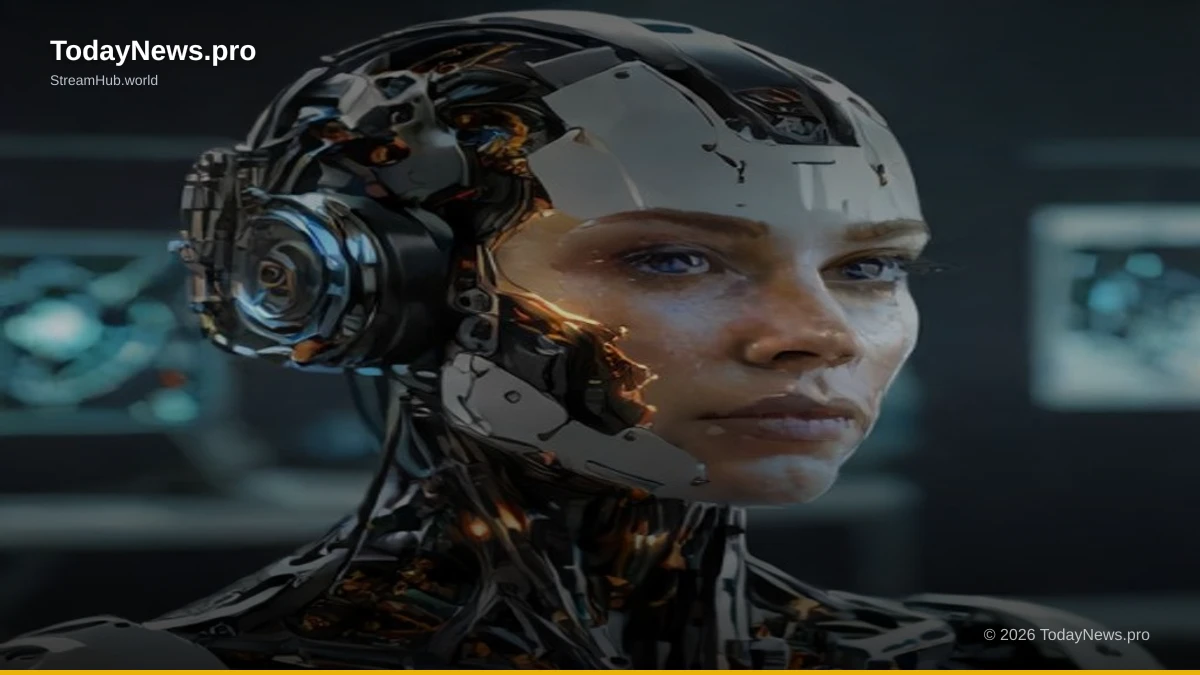
A staggering 85% of jobs that will exist in 2030 haven't been invented yet, according to a study by Dell Technologies, underscoring the profound, disruptive force of emerging technologies, most notably artificial intelligence, on the global labor market.
The Unseen Revolution: AIs Impact on the Workforce
The advent of Artificial Intelligence (AI) is not merely an incremental technological upgrade; it represents a fundamental shift in how work is conceived, executed, and valued. While AI excels at tasks that are repetitive, data-intensive, and rule-based, it is simultaneously creating a demand for uniquely human capabilities. The narrative that AI will simply "take all the jobs" is an oversimplification. Instead, AI is poised to augment human roles, automate specific tasks within jobs, and, critically, redefine the very essence of valuable human contribution in the workplace.
Understanding this evolving landscape is paramount for individuals and organizations alike. The automation of routine cognitive and manual tasks is already underway across industries, from manufacturing and customer service to data entry and basic analysis. This wave of automation, driven by increasingly sophisticated AI algorithms and machine learning models, frees up human capital, but also necessitates a strategic re-evaluation of skill sets. The future of work is not about humans versus machines, but about humans *with* machines, leveraging each other's strengths.
For many, the immediate reaction to AI's growing capabilities is apprehension. However, a closer examination reveals that AI's limitations, particularly in areas requiring nuanced understanding, empathy, and abstract reasoning, highlight the enduring importance of human skills. These are the abilities that AI, at least in its current and foreseeable forms, struggles to replicate, making them the bedrock of future employability and professional relevance.
The Shifting Landscape of Automation
Historically, automation has targeted manual labor. The Industrial Revolution mechanized physical tasks, leading to shifts in employment from agriculture to manufacturing. Today's AI-driven automation is different; it is increasingly capable of performing cognitive tasks previously thought to be exclusively human. This includes activities like diagnosing medical conditions from imaging, drafting legal documents, and even generating creative content like articles and music. The speed and scale of this cognitive automation are unprecedented.
Reports from institutions like the McKinsey Global Institute suggest that while AI can automate a significant portion of existing work activities, it is less likely to automate entire jobs. This means that many roles will be transformed, requiring workers to adapt and acquire new skills to complement AI's capabilities. The focus, therefore, shifts from job replacement to job evolution.
Consider the legal profession. AI can now review thousands of legal documents in minutes, a task that would take paralegals or junior associates days. This doesn't eliminate the need for lawyers; rather, it allows them to focus on higher-level strategy, client relations, and complex legal reasoning, tasks that AI cannot yet perform with the same depth of understanding or ethical consideration.
The Growing Demand for Human-Centric Roles
As AI takes over routine tasks, the demand for roles that leverage uniquely human attributes is projected to rise. These are jobs that involve complex decision-making, interpersonal interaction, creative problem-solving, and ethical judgment. The "human touch" becomes a premium commodity in an increasingly digitized world. Companies are recognizing that while AI can drive efficiency, it cannot replicate genuine human connection, empathy, or innovative thought.
For instance, the healthcare sector is seeing an increased demand for roles focused on patient care, counseling, and therapeutic services. While AI can assist in diagnosis and treatment planning, the empathy and relational skills of nurses, therapists, and caregivers are irreplaceable. Similarly, in education, teachers will increasingly focus on personalized learning, mentorship, and fostering critical thinking, rather than simply delivering information that can be accessed through AI.
This paradigm shift necessitates a proactive approach to upskilling. Individuals and educational institutions must prioritize the development of these durable human skills, ensuring that the workforce is not only ready for the AI age but is empowered to thrive within it.
Beyond Algorithms: The Indispensable Human Skills
The fear of AI rendering human skills obsolete is largely unfounded when considering the spectrum of human cognitive and emotional abilities. While AI can process vast amounts of data and execute predefined algorithms with unparalleled speed, it lacks the nuanced understanding, subjective experience, and adaptive reasoning that define human intelligence. These are not mere soft skills; they are the hard currency of future professional success.
The skills that will remain in high demand are those that AI cannot easily replicate. These include emotional intelligence, creativity, critical thinking, complex problem-solving, adaptability, and ethical judgment. These abilities are deeply ingrained in human consciousness and social interaction, making them resilient to the current wave of technological disruption. They are the very essence of what makes us human, and therefore, invaluable in any professional context.
Investing in the development of these skills is not just about job security; it's about cultivating a more fulfilling and impactful career. It's about preparing for a future where human ingenuity and emotional depth are not just appreciated, but essential for progress.
The Spectrum of Human Capabilities
Human capabilities extend far beyond logical processing. They encompass a rich tapestry of emotions, intuitions, and subjective experiences that inform our decisions and interactions. AI can simulate emotional responses based on patterns, but it does not *feel* emotions. It can analyze data to identify optimal solutions, but it does not possess the intuitive leaps or the capacity for abstract thought that drive true innovation. This distinction is crucial.
For example, a doctor using AI for diagnosis still needs to interpret the AI's findings in the context of the patient's overall well-being, their fears, and their personal circumstances. This requires empathy, communication, and a holistic understanding that AI cannot provide. The AI might offer the statistically most probable diagnosis, but the human physician integrates that information with a wealth of experience, intuition, and emotional intelligence.
The human brain's ability to make connections between seemingly disparate concepts, to engage in metacognition (thinking about thinking), and to adapt to novel situations based on incomplete information is what sets it apart. These are the skills that AI is, by its very nature, designed to approximate, not replicate authentically.
Defining the Human Advantage
The "human advantage" in the AI age lies in our capacity for genuine empathy, our inherent creativity, our ability to navigate ambiguity, and our ethical compass. These are not simply desirable traits; they are functional necessities for roles that require leadership, innovation, and deep human connection. As AI automates the predictable, the unpredictable, the emotional, and the ethical become the domain of humans.
Consider the rise of jobs focused on user experience (UX) design. While AI can analyze user data, it's the human designer who must empathize with user frustrations, anticipate unspoken needs, and craft intuitive, emotionally resonant interfaces. This requires a deep understanding of human psychology and behavior, something that goes beyond algorithmic analysis.
The ability to build trust, inspire teams, and lead through uncertainty are all fundamentally human skills. AI can provide data-driven insights for decision-making, but it cannot provide the vision, the conviction, or the personal connection that defines effective leadership.
Emotional Intelligence: The Cornerstone of Human Interaction
Emotional Intelligence (EQ) is perhaps the most significant differentiator between human and artificial intelligence. While AI can be programmed to recognize and respond to certain emotional cues, it cannot possess genuine empathy, self-awareness, or the ability to build authentic relationships. In a world increasingly reliant on collaboration and human-centric services, EQ is becoming a paramount skill.
EQ encompasses self-awareness, self-regulation, motivation, empathy, and social skills. These components enable individuals to understand their own emotions and those of others, manage their behavior effectively, and navigate complex social situations with grace and effectiveness. In leadership, customer service, healthcare, education, and any field involving human interaction, high EQ is not just beneficial; it's often the deciding factor in success.
As AI takes on more transactional and analytical roles, the demand for professionals who can connect with people on a deeper, emotional level will soar. This is not about replacing AI but about complementing it, using AI for efficiency while humans provide the essential human element of care, understanding, and motivation.
The Pillars of Emotional Intelligence
The multifaceted nature of EQ can be broken down into several key components. Self-awareness is the ability to recognize one's own emotions and their impact on one's thoughts and behavior. Self-regulation involves managing disruptive emotions and impulses. Motivation refers to the drive to achieve, often fueled by intrinsic factors rather than external rewards. Empathy is the capacity to understand and share the feelings of another, seeing situations from their perspective. Finally, social skills encompass managing relationships effectively, building networks, and inspiring others.
These skills are not innate; they can be developed and honed over time. Training programs, mindfulness practices, and conscious efforts to understand interpersonal dynamics can significantly enhance an individual's EQ. This makes it a highly adaptable and valuable skill set for the future workforce.
EQ in the Workplace of Tomorrow
In organizations, EQ is crucial for effective teamwork, conflict resolution, and leadership. Teams with high collective EQ are more cohesive, productive, and innovative. Leaders with strong EQ can better understand their employees' needs, motivate them, and foster a positive work environment. In customer-facing roles, empathy and strong social skills are essential for building customer loyalty and resolving complex issues that AI cannot handle.
Consider a scenario where an AI-powered chatbot handles routine customer inquiries. When a customer faces a complex or emotionally charged issue, the transition to a human representative with high EQ becomes critical. This human agent can de-escalate the situation, offer genuine reassurance, and find a resolution that satisfies the customer's emotional and practical needs. This human-AI collaboration maximizes efficiency and customer satisfaction.
The World Economic Forum's "Future of Jobs" report consistently highlights EQ-related skills as among the most critical for the coming years, underscoring its growing importance in a technologically driven world.
(Based on studies linking high EQ with improved workplace outcomes)
Creativity and Innovation: Where AI Meets Imagination
While AI can generate novel patterns and even produce creative outputs based on existing data, true creativity and innovation stem from human imagination, intuition, and the ability to think outside established frameworks. AI is a powerful tool for augmenting creative processes, but it lacks the spark of original thought that drives groundbreaking discoveries and artistic expression.
Creativity involves not just generating new ideas but also connecting them, evaluating their potential, and bringing them to fruition. It requires a blend of divergent thinking (generating multiple ideas) and convergent thinking (refining and selecting the best ones). This process is deeply intertwined with human experience, emotion, and a willingness to take risks.
The future workforce will need individuals who can leverage AI as a collaborative partner in creative endeavors, pushing the boundaries of what is possible. This means fostering environments that encourage experimentation, critical evaluation of AI-generated content, and the integration of human insight to create truly novel and impactful outcomes.
The Nuance of Human Imagination
Human creativity is not solely about novelty; it's about meaning, context, and intent. An AI can compose a symphony that sounds aesthetically pleasing, but it doesn't imbue the music with a personal narrative or a deep emotional message derived from lived experience. The art of storytelling, for example, relies on an understanding of human motivations, desires, and fears – elements that AI can mimic but not genuinely possess.
Innovators often draw inspiration from unexpected sources, making intuitive leaps that defy logical progression. This is the essence of serendipity and insight. AI can analyze vast datasets to identify trends and patterns, but it cannot replicate the human ability to have a "lightbulb moment" that arises from a unique combination of experiences, observations, and cognitive processing.
AI as a Creative Catalyst
Instead of viewing AI as a competitor to human creativity, it's more productive to see it as a powerful catalyst. AI tools can automate tedious aspects of the creative process, such as generating variations of a design, assisting with complex rendering, or analyzing market trends for creative projects. This frees up human creators to focus on the conceptualization, strategic direction, and the emotional core of their work.
For example, a graphic designer might use AI to generate dozens of logo concepts, then use their own judgment and artistic sensibility to refine the best options, ensuring they align with the brand's identity and target audience. A writer might use AI to brainstorm plot points or generate descriptive passages, but the narrative arc, character development, and thematic depth will ultimately come from the human author.
This symbiotic relationship between humans and AI in creative fields is poised to unlock new forms of art, design, and innovation that were previously unimaginable.
Critical Thinking and Complex Problem-Solving: Navigating Ambiguity
The ability to think critically and solve complex problems is a hallmark of human intelligence that AI currently struggles to emulate. While AI can process information and identify patterns, it often lacks the capacity for nuanced judgment, the ability to weigh conflicting evidence, and the skill to navigate situations with incomplete or ambiguous data. These are the very challenges that often define high-stakes professional roles.
Critical thinking involves analyzing information objectively, evaluating arguments, identifying biases, and forming well-reasoned conclusions. Complex problem-solving goes further, requiring individuals to break down intricate issues, devise creative solutions, and adapt strategies in response to evolving circumstances. These skills are indispensable in fields ranging from scientific research and strategic management to policy-making and crisis response.
As AI automates more straightforward decision-making processes, the demand for human expertise in tackling novel, ill-defined, and multi-faceted problems will only increase. Professionals who can apply critical thinking to interpret AI outputs, identify potential flaws, and make strategic decisions based on a holistic understanding will be highly valued.
Deconstructing Complex Challenges
Complex problems are rarely linear or predictable. They often involve multiple interacting variables, conflicting stakeholder interests, and unforeseen consequences. Humans excel at systems thinking – understanding how different parts of a system interact and influence each other. This allows them to identify root causes, anticipate downstream effects, and develop robust solutions.
AI can be a powerful tool in this process, providing data analysis and predictive modeling. However, it is the human critical thinker who must define the problem, set the parameters for analysis, interpret the results in context, and ultimately make the strategic decisions. For example, a financial analyst might use AI to identify market trends, but it's the human analyst who must critically assess the implications of those trends for their organization, considering factors like risk tolerance, competitive landscape, and long-term strategic goals.
The Role of Ambiguity and Uncertainty
A key differentiator is the human capacity to function effectively in environments of ambiguity and uncertainty. AI algorithms are typically trained on structured data and thrive on predictability. When faced with entirely novel situations or data that falls outside their training parameters, they can falter or provide unreliable outputs. Humans, on the other hand, can use their intuition, experience, and general knowledge to make educated guesses and adapt their approaches.
Consider a product development team encountering an unexpected technical hurdle. An AI might be able to suggest solutions based on past similar problems, but if the issue is truly unprecedented, it will be the human engineers, employing critical thinking and creative problem-solving, who devise a breakthrough. They will draw on their understanding of underlying principles, their ability to experiment, and their capacity to collaborate to overcome the obstacle.
This ability to navigate the unknown is not just about finding solutions; it's about driving progress and innovation in areas where clear-cut answers do not yet exist.
| Skill Area | AI Capability Level | Human Advantage |
|---|---|---|
| Data Analysis | High | Contextual Interpretation, Bias Detection |
| Pattern Recognition | High | Abstract Reasoning, Novel Connection Making |
| Rule-Based Decision Making | High | Ethical Judgment, Nuanced Understanding |
| Complex Problem Solving | Medium (Augmentative) | Strategic Thinking, Ambiguity Navigation |
| Critical Thinking | Low (Supportive) | Objective Evaluation, Independent Judgment |
Adaptability and Lifelong Learning: The New Imperative
In a rapidly evolving technological landscape, the ability to adapt and embrace lifelong learning is no longer optional; it's a fundamental requirement for professional survival and growth. The pace of change, driven by AI and other emerging technologies, means that skills can become obsolete at an unprecedented rate. Consequently, individuals who are agile, curious, and committed to continuous learning will be best positioned to thrive.
Adaptability involves not just learning new technical skills but also developing a flexible mindset, being open to new ideas, and readily embracing change. Lifelong learning extends this concept, fostering a proactive approach to acquiring knowledge and developing new competencies throughout one's career. This requires a commitment to personal development, a willingness to step outside one's comfort zone, and an understanding that learning is an ongoing journey, not a destination.
Organizations must also cultivate cultures of learning and adaptability, providing opportunities for employees to upskill and reskill. This not only benefits the individual but also ensures that the organization remains competitive and resilient in the face of technological disruption.
The Fluidity of the Modern Career
The traditional notion of a stable, linear career path is rapidly dissolving. Today's professionals are more likely to navigate a series of roles, industries, and skill sets throughout their working lives. This fluidity demands a proactive approach to career management, where individuals are constantly assessing their skill portfolios and identifying areas for development.
The rise of AI means that specific technical proficiencies may have a shorter shelf life. For example, expertise in a particular programming language or software might become less critical as AI tools automate those functions. What remains invaluable is the underlying ability to learn new languages, master new tools, and apply foundational principles to novel technological challenges.
This adaptability is not just about technical skills. It also encompasses the ability to pivot mentally, to embrace new ways of working, and to collaborate effectively in diverse and rapidly changing team structures. The "learnability" of an individual is becoming a key metric of their future potential.
Cultivating a Learning Mindset
Developing a lifelong learning mindset involves several key practices. Firstly, it requires a conscious effort to stay informed about industry trends and emerging technologies. This can involve reading industry publications, attending webinars, and engaging with professional networks. Secondly, it demands a willingness to experiment and learn from failure. Not every new skill acquired will be immediately applicable, but the process of learning itself builds valuable cognitive muscles.
Finally, it means embracing opportunities for formal and informal learning. This could range from taking online courses and obtaining certifications to seeking out mentorship and participating in cross-functional projects. The most adaptable individuals view every experience as a learning opportunity, constantly seeking to expand their knowledge and refine their abilities.
Ethical Reasoning and Judgment: The Human Compass in an Automated World
As AI systems become more pervasive and sophisticated, the need for robust ethical reasoning and sound judgment becomes critically important. While AI can be programmed with rules, it lacks the intrinsic moral compass, the capacity for empathy, and the nuanced understanding of human values necessary to make truly ethical decisions in complex situations.
Ethical reasoning involves understanding moral principles, evaluating the consequences of actions, and making choices that align with societal values. Judgment, in this context, is the ability to apply these principles effectively to specific situations, often involving trade-offs and conflicting considerations. These are inherently human attributes, deeply rooted in our social conditioning and philosophical traditions.
The development and deployment of AI systems raise profound ethical questions concerning bias, privacy, accountability, and the societal impact of automation. Professionals who can engage with these issues, apply ethical frameworks, and ensure that AI is developed and used responsibly will be indispensable. This is not a niche area; it is a fundamental requirement for any role that interacts with or influences AI deployment.
The AI Ethics Dilemma
AI systems can inadvertently perpetuate and even amplify existing societal biases if the data they are trained on reflects those biases. For instance, an AI used for hiring might discriminate against certain demographic groups if its training data is skewed. Similarly, issues of data privacy and surveillance are amplified by AI's capabilities. Who is accountable when an AI makes a harmful decision? How do we ensure fairness and transparency in algorithmic processes?
These are not merely technical problems to be solved by more sophisticated algorithms. They are fundamentally human problems that require human ethical deliberation. Professionals who possess a strong understanding of ethics, philosophy, and societal impact are needed to guide the development and oversight of AI.
The Human Role in AI Governance
The governance of AI is a critical emerging field. It requires individuals who can understand the technical capabilities of AI, analyze its potential societal impacts, and formulate policies and guidelines for its responsible use. This involves collaboration between technologists, ethicists, policymakers, and legal experts.
Ultimately, AI is a tool. Like any powerful tool, its impact depends on how it is wielded. Human judgment and ethical oversight are essential to ensure that AI is used to benefit humanity, rather than to exacerbate inequalities or create new risks. The ability to question, to challenge, and to advocate for responsible AI practices is a uniquely human skill that will be in high demand.