

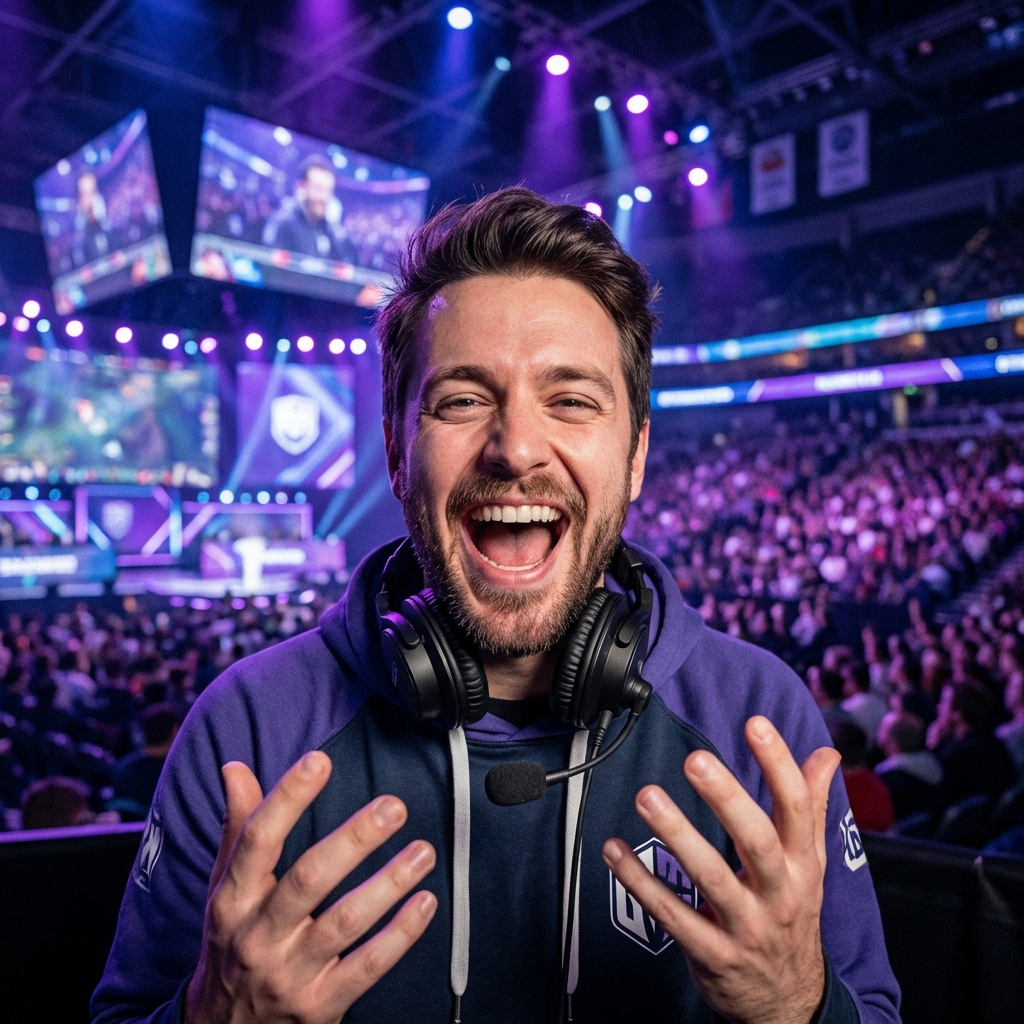
 Max Speed
The global video game market is projected to generate over $200 billion in revenue by the end of 2023, a testament to the ever-growing demand for interactive digital entertainment. This surge is not merely about playing games; it's about how we access and experience them, ushering in what industry insiders are calling "Streaming Era 2.0."
The Dawn of Streaming Era 2.0: A Paradigm Shift
The first wave of streaming entertainment, dominated by services like Netflix and Spotify, fundamentally altered how we consume movies, TV shows, and music. It democratized access, shifted power from traditional gatekeepers to content creators and platforms, and normalized subscription-based models. Streaming Era 2.0 builds upon this foundation but introduces a profound new dimension: interactivity and instant accessibility, primarily driven by advancements in cloud computing and the burgeoning potential of interactive narratives.
This evolution signifies a move beyond passive consumption. Audiences are no longer content with simply watching or listening; they crave agency, choice, and co-creation. Cloud gaming liberates players from expensive hardware, while interactive storytelling puts them in the director's chair, blurring the lines between audience and participant.
Beyond Linear Content: The Rise of Agency
Traditional streaming services offered a vast library, but the user experience remained largely passive. You selected a movie, you watched it. You chose a playlist, you listened. Streaming Era 2.0 introduces elements that empower the user to influence outcomes, make decisions, and even shape the very content they are experiencing. This is a seismic shift that redefines the relationship between the consumer and the entertainment product.
Democratizing High-End Experiences
Historically, high-fidelity gaming required significant investment in hardware like powerful PCs or dedicated gaming consoles. Similarly, complex, branching narratives were often confined to niche, expensive PC titles. Cloud gaming and advanced interactive narrative platforms are poised to democratize these premium experiences, making them accessible to a much wider audience across a spectrum of devices, from smartphones to smart TVs.
Cloud Gaming: The Console Killer or a New Companion?
Cloud gaming platforms like NVIDIA GeForce Now, Xbox Cloud Gaming, and PlayStation Plus Premium are fundamentally changing the accessibility of AAA video game titles. Instead of downloading massive game files and relying on local processing power, players stream games directly from remote servers. This model promises instant play, cross-device compatibility, and the elimination of expensive hardware upgrades.
The implications are vast. Mobile gaming, already a colossal market, can now offer experiences previously only possible on high-end consoles. Gamers can start a session on their PC and seamlessly transition to their tablet or smartphone. This ubiquitous access is a key tenet of Streaming Era 2.0.
The Technical Hurdles of Latency
Despite the promise, cloud gaming is not without its challenges. Latency – the delay between a player's input and the corresponding action appearing on screen – remains a critical hurdle. For fast-paced genres like first-person shooters or competitive multiplayer games, even milliseconds of lag can be the difference between victory and defeat. Significant investment in network infrastructure, edge computing, and sophisticated streaming protocols is ongoing to mitigate this.
Subscription Models and Game Libraries
The subscription model, popularized by Netflix, is the dominant force in cloud gaming. Services offer tiered access to a library of games, often with different performance tiers and exclusive content. The breadth and depth of these game libraries, along with the pricing structure, are key differentiators. Companies are grappling with licensing deals, the cost of maintaining powerful server farms, and the need to constantly refresh content to retain subscribers.
A significant data point to consider is the projected growth of the cloud gaming market. Industry analysts predict it to reach tens of billions of dollars within the next five years, signaling a strong consumer appetite for this accessible form of gaming.
Interactive Storytelling: From Passive Viewer to Active Participant
Interactive storytelling moves beyond the simple "choose your own adventure" format. It leverages sophisticated narrative design, dynamic scripting, and often advanced AI to create experiences where player choices have meaningful and lasting consequences on the plot, character development, and even the world itself. Titles like Telltale Games' series, Quantic Dream's offerings, and Netflix's own experiment with "Bandersnatch" have laid the groundwork.
Streaming Era 2.0 sees interactive storytelling expanding into new frontiers. This includes not just narrative games but also interactive documentaries, educational content where learners influence the path of discovery, and even live events where audiences can vote on outcomes or guide performers.
The Spectacle of Agency
The allure of interactive storytelling lies in the empowerment of the viewer. Instead of being a passive observer, the user becomes an active participant, directly influencing the unfolding narrative. This creates a deeper emotional connection and a more memorable experience. The feeling of "I made this happen" is a powerful draw.
Branching Narratives and Replayability
Sophisticated branching narratives, where decisions lead to vastly different story paths, are the hallmark of this genre. This inherently increases replayability, as users are incentivized to explore alternative choices and discover hidden endings. The development of these complex narratives requires new tools and methodologies for writers and designers, pushing the boundaries of creative storytelling.
Technological Underpinnings: The Pillars of Streaming 2.0
The realization of Streaming Era 2.0 hinges on several key technological advancements. The ubiquitous availability of high-speed internet, particularly 5G, is paramount. This increased bandwidth and reduced latency are the bedrock upon which cloud gaming and real-time interactive experiences are built.
Beyond connectivity, advancements in server infrastructure, edge computing, and sophisticated streaming codecs are crucial. Edge computing, for instance, allows data processing to occur closer to the end-user, significantly reducing the latency inherent in traditional cloud architectures. AI and machine learning also play a vital role, powering more sophisticated character behaviors, adaptive narratives, and personalized content delivery.
The Role of 5G and Beyond
Fifth-generation mobile networks (5G) offer a significant leap in speed and responsiveness compared to previous generations. This is a game-changer for mobile cloud gaming and live interactive experiences that demand near-instantaneous feedback. As 5G deployment continues to expand, so too will the possibilities for seamless, high-fidelity streaming entertainment on mobile devices.
AI and Machine Learning in Content Creation
Artificial intelligence is no longer just a tool for optimization; it's becoming a co-creator. AI algorithms can generate procedural content, adapt dialogue in real-time based on player actions, and even personalize the difficulty or narrative tone of a game or story. This allows for experiences that are more dynamic, responsive, and tailored to individual preferences than ever before.
Monetization Models and Market Dynamics
The shift to Streaming Era 2.0 necessitates a re-evaluation of monetization strategies. While subscriptions remain dominant, hybrid models are emerging. These include:
- Freemium with In-App Purchases: Offering basic access for free and charging for premium content, cosmetic items, or gameplay advantages.
- Battle Passes: Time-limited progression systems that reward players for consistent engagement, often with cosmetic or minor gameplay benefits.
- Advertising Integration: Subtle or opt-in advertising that doesn't disrupt the core experience, particularly viable for free-to-play models.
- Premium One-Time Purchases: For particularly high-value interactive experiences or curated game libraries.
The market is becoming increasingly competitive, with tech giants like Microsoft, Sony, Amazon, and Google investing heavily. Traditional media companies are also exploring how to integrate interactive elements into their existing IP, seeking to retain audience attention in a fragmented entertainment landscape.
| Service Type | Subscription | Freemium (with IAP) | Hybrid |
|---|---|---|---|
| Cloud Gaming | $10 - $20 | $3 - $8 | $8 - $15 |
| Interactive Storytelling Platforms | $7 - $12 | $2 - $5 | $5 - $10 |
The Subscription Stalemate
The sheer number of subscription services available is leading to "subscription fatigue." Consumers are increasingly selective about which services they pay for monthly. This puts pressure on platforms to offer compelling content and unique value propositions to justify their recurring fees. Bundle offers and loyalty programs are becoming more prevalent.
The Rise of the Creator Economy in Interactive Media
Streaming Era 2.0 also empowers individual creators. Platforms that allow users to create and share their own interactive stories or games, supported by monetization tools, are gaining traction. This democratizes content creation, enabling a new wave of independent developers and storytellers to reach global audiences.
The Evolving Creator Economy and Audience Engagement
The creator economy, fueled by platforms like YouTube and Twitch, is a powerful force. Streaming Era 2.0 amplifies this by providing creators with new mediums for interaction and monetization. Live streaming of interactive games, where viewers can influence gameplay through polls or donations, is already a massive phenomenon. Similarly, interactive storytelling platforms offer new avenues for visual artists, writers, and voice actors to collaborate and monetize their work.
Audience engagement metrics are also evolving. Beyond simple viewership numbers, platforms are tracking time spent interacting, the number of choices made, and the diversity of narrative paths explored. This data provides invaluable insights for content refinement and future development.
Live Interaction and Community Building
The immediacy of live streaming, combined with interactive elements, fosters strong community bonds. Viewers feel a direct connection to the streamer and to each other, participating in shared experiences. This sense of belonging is a key driver of engagement and retention.
Monetizing Influence and Participation
Creators can now monetize not just their content but also their audience's influence. Tools that allow viewers to contribute financially to steer gameplay, unlock special narrative branches, or even suggest plot points are becoming commonplace. This creates a direct feedback loop between creators and their most engaged fans.
Challenges and the Road Ahead
While the outlook for Streaming Era 2.0 is bright, significant challenges remain. Regulatory scrutiny regarding data privacy and consumer protection, particularly with the increased collection of user interaction data, is inevitable. The digital divide also remains a concern, as access to high-speed internet is not universal, potentially excluding large segments of the population from these new entertainment forms.
Furthermore, the ethical implications of AI-driven narratives and the potential for addiction or unhealthy engagement patterns require careful consideration. As these technologies mature, the industry must prioritize responsible development and user well-being.
The Digital Divide and Accessibility
Ensuring that these advanced entertainment forms are accessible to everyone, regardless of their geographic location or socioeconomic status, is a critical challenge. Bridging the digital divide through infrastructure investment and affordable access programs will be essential for broad adoption.
Ethical Considerations and Content Moderation
As interactive content becomes more sophisticated and potentially more influential, ethical considerations surrounding its creation and consumption will come to the forefront. This includes issues of misinformation, the impact of AI on creative jobs, and the potential for manipulative narrative design. Robust content moderation policies and transparent development practices will be crucial.
The convergence of cloud gaming and interactive storytelling represents a profound evolution in how we experience entertainment. It promises a future where boundaries between creator and consumer, spectator and participant, are increasingly blurred. As these technologies mature and find new applications, Streaming Era 2.0 is poised to redefine our relationship with digital media for years to come.