

 Eric Mason
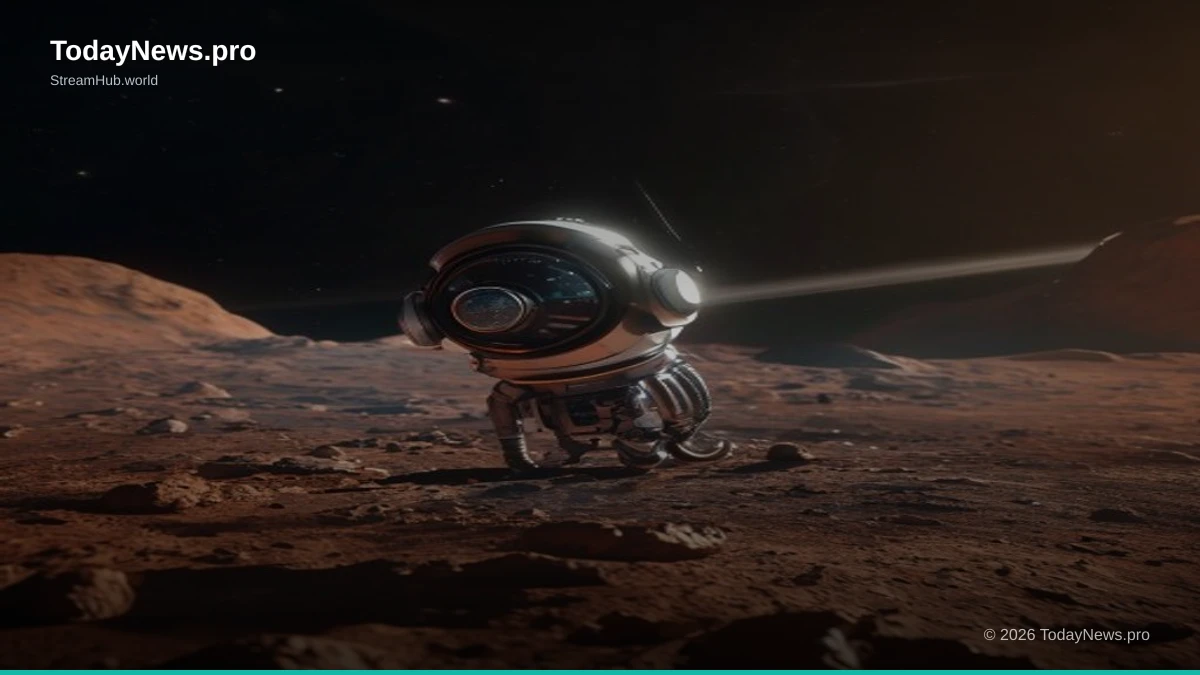
By 2030, the global space tourism market is projected to reach approximately $13 billion, a staggering figure underscoring the burgeoning interest and investment in off-world experiences.
The Dawn of a New Era: Space Tourisms Ascendancy
The dream of space travel, once confined to the realms of science fiction and the exclusive domain of national space agencies, is rapidly transforming into a tangible reality for a select, yet growing, populace. The past few years have witnessed a dramatic acceleration in the commercialization of space, with private entities leading the charge in making orbital and suborbital flights accessible. This shift represents not merely a technological marvel but a profound redefinition of human endeavor and aspiration. The allure of Earth from above, the profound silence of the void, and the sheer exhilaration of defying gravity are no longer fantasies but purchasable experiences.
Companies like SpaceX, Blue Origin, and Virgin Galactic have moved from conceptualization to execution, successfully ferrying private citizens into the upper reaches of Earth's atmosphere and even into orbit. These pioneering efforts have laid the groundwork for a new industry, one that promises to expand human presence beyond our home planet. The initial offerings, while astronomically priced, serve as the vanguard, paving the way for more affordable and frequent spaceflights in the coming decade. The public's imagination has been captured, fueling demand and encouraging further innovation.
The implications of this burgeoning space tourism sector extend far beyond mere recreation. It signifies a paradigm shift in our relationship with space, moving it from a distant frontier to an accessible destination. This newfound accessibility is crucial for fostering a broader understanding and appreciation of our planet and the cosmos. As more individuals experience the Overview Effect – the cognitive shift in awareness reported by some astronauts while viewing Earth from space – it could foster a more unified and environmentally conscious global perspective.
From Orbital Jaunts to Lunar Sojourns: The Evolving Landscape
The initial wave of space tourism has primarily focused on suborbital and orbital flights, offering passengers breathtaking views of Earth and a few minutes of weightlessness. Companies like Virgin Galactic utilize air-launch systems to carry passengers to the edge of space, while Blue Origin employs reusable suborbital rockets. SpaceX, with its Crew Dragon spacecraft, has facilitated private orbital missions, including the groundbreaking Inspiration4 mission which sent an all-civilian crew into orbit for several days. These missions, while impressive, represent the entry-level offerings in a rapidly expanding market.
Looking ahead, the next decade promises a significant escalation in the scope and ambition of space tourism. The focus is set to shift towards more extended durations and more distant destinations. Lunar tourism, once the stuff of speculative fiction, is now a concrete objective for several entities. Several private companies are actively developing lunar landers and habitats, with the ultimate goal of enabling tourists to visit the Moon, walk on its surface, and experience its unique environment. These ventures are not just about sightseeing; they are about establishing a sustained human presence beyond low Earth orbit.
The development of reusable rocket technology is a cornerstone of this evolution. It dramatically reduces the cost per launch, making more ambitious missions economically viable. Furthermore, the establishment of orbital habitats and space stations specifically designed for tourism will provide comfortable and safe accommodations for longer stays. These future destinations will offer a range of experiences, from observing Earth's auroras from a luxurious orbital hotel to undertaking guided expeditions on the lunar surface. The competition among private players is driving innovation at an unprecedented pace, pushing the boundaries of what is currently thought possible.
| Year | Suborbital Tourism | Orbital Tourism | Lunar Tourism (Emerging) | Total Market |
|---|---|---|---|---|
| 2024 | 2.5 | 3.0 | 0.1 | 5.6 |
| 2026 | 4.0 | 5.5 | 0.5 | 10.0 |
| 2028 | 6.5 | 9.0 | 2.0 | 17.5 |
| 2030 | 9.0 | 12.0 | 5.0 | 26.0 |
The Red Planet Beckons: The Grand Vision of Martian Colonization
While space tourism focuses on providing experiences, the ambition of colonizing Mars represents a far more profound undertaking – the establishment of a self-sustaining human civilization beyond Earth. This monumental goal, championed by figures like Elon Musk and his company SpaceX, aims to ensure the long-term survival of humanity by creating a multi-planetary species. Mars, with its potential for resources, atmosphere, and scientific discovery, has emerged as the most viable candidate for such an endeavor.
The journey to Mars is fraught with immense challenges, both technological and logistical. The sheer distance, the harsh Martian environment, and the need for robust life support systems require breakthroughs in numerous scientific and engineering disciplines. However, the progress being made is undeniable. Reusable rocket technology, such as SpaceX's Starship, is central to this vision, designed to transport large payloads and significant numbers of people to Mars at a fraction of current costs. The development of in-situ resource utilization (ISRU) – the ability to extract and use local Martian resources like water ice and atmospheric gases – will be critical for reducing reliance on Earth-based resupply missions.
Technological Hurdles and Innovations
The technological roadmap for Martian colonization is ambitious. Key areas of development include advanced propulsion systems for faster transit times, robust radiation shielding to protect astronauts from cosmic and solar radiation during the long journey and on the Martian surface, and sophisticated closed-loop life support systems capable of recycling air, water, and waste with near-perfect efficiency. The ability to manufacture materials and components on Mars will also be crucial, reducing the immense cost and complexity of transporting everything from Earth.
Robotics and artificial intelligence will play a pivotal role, assisting in the construction of initial habitats, resource extraction, and scientific exploration. Innovations in 3D printing, using Martian regolith as building material, are being explored to create shelters and infrastructure. Furthermore, understanding and mitigating the effects of Martian gravity, which is about 38% of Earth's, on human health will be a significant area of research and technological development. The development of advanced power generation systems, such as compact nuclear reactors or highly efficient solar arrays, will be essential for sustaining a Martian settlement.
The Economics of Interplanetary Settlement
The economic feasibility of colonizing Mars is a complex equation. Initial investment will be astronomical, likely requiring a blend of government funding and private capital. The long-term economic model hinges on the establishment of Martian industries and resource extraction that can generate revenue. Potential economic drivers include the mining of rare minerals, the development of unique Martian scientific research opportunities, and perhaps even the export of specialized goods or intellectual property back to Earth. The creation of a self-sustaining economy on Mars is the ultimate goal, allowing the colony to thrive independently.
The development of orbital infrastructure in Earth orbit, such as refueling depots and assembly yards, will also be critical for reducing the cost of Mars missions. As the technology matures and the cost of access to space decreases, the economic viability of such ventures will improve. The creation of a "space economy" that extends to Mars will unlock new avenues for investment and innovation. The potential for resource exploitation, while speculative, could provide a significant economic incentive for private enterprise to invest in colonization efforts. For example, the discovery of valuable mineral deposits could fundamentally alter the economic calculus.
Human Factors and Societal Implications
Beyond the technical and economic challenges, the establishment of a Martian colony raises profound human and societal questions. How will governance structures evolve in an isolated, off-world environment? What ethical considerations arise from creating a new branch of humanity, potentially with distinct physiological and psychological adaptations? The psychological impact of long-term isolation, confinement, and living in a completely alien environment will be a critical area of focus for astronaut selection, training, and support systems. Establishing a cohesive and functional society on Mars will require careful planning and a deep understanding of human psychology and sociology.
The legal framework for off-world settlements, including issues of sovereignty and resource rights, is still largely undefined and will require international cooperation and new treaties. The potential for genetic divergence over generations, influenced by the Martian environment, also presents a fascinating, albeit long-term, societal consideration. The very definition of what it means to be human may be tested and expanded by the establishment of a multi-planetary civilization. The social dynamics of a small, highly dependent community facing extreme challenges could lead to unique forms of social organization and cultural development. The psychological resilience of early colonists will be paramount, and robust mental health support will be a non-negotiable component of any successful settlement.
The Metaverse: A Digital Frontier for Extraterrestrial Exploration
Concurrently with the physical push into space, the concept of the metaverse is rapidly evolving, offering a compelling digital parallel to extraterrestrial exploration and colonization. The metaverse, a persistent, interconnected set of virtual spaces, could serve as a crucial training ground, a platform for remote collaboration, and even a simulated environment for experiencing alien worlds before physical access is readily available. Imagine architects designing Martian habitats in a virtual environment, engineers testing robotic explorers in simulated Martian terrain, or aspiring astronauts undergoing rigorous training in realistic zero-gravity simulations.
This digital frontier presents unique opportunities for democratizing access to space-related experiences. Virtual reality (VR) and augmented reality (AR) technologies can allow millions to "visit" Mars, explore lunar landscapes, or witness Earth from orbit without ever leaving their homes. Educational programs could leverage these immersive environments to inspire the next generation of scientists, engineers, and explorers. Furthermore, the metaverse could host digital twins of existing and future space infrastructure, allowing for real-time monitoring, maintenance, and scenario planning. This digital realm could accelerate the pace of innovation by enabling rapid prototyping and testing of concepts.
The metaverse can also foster a sense of global community around space exploration. Virtual mission control rooms, shared viewing experiences of rocket launches, and collaborative projects focused on space science could connect people from diverse backgrounds and geographical locations. This interconnectedness could be vital for building public support and engagement for the ambitious goals of space tourism and colonization. As our understanding of virtual worlds deepens, they may become integral to the human experience of space, blurring the lines between the physical and the digital in our quest for the stars.
Challenges and Ethical Considerations
The rapid advancement of space tourism and colonization is not without its significant challenges and ethical quandaries. The immense financial investment required for these ventures raises questions about resource allocation and whether such funds could be better utilized to address pressing issues on Earth, such as climate change, poverty, and disease. The environmental impact of increased rocket launches, including carbon emissions and space debris, also demands careful consideration and the development of sustainable practices.
Furthermore, the exclusivity of early space tourism, catering primarily to the ultra-wealthy, sparks debates about equity and access. As these industries mature, ensuring broader participation and benefit will be a crucial ethical imperative. The potential for commercial exploitation of celestial bodies and the need for robust international governance frameworks to prevent conflicts and ensure responsible stewardship of space resources are also paramount concerns. The principle of planetary protection – preventing the contamination of other celestial bodies with terrestrial life and vice versa – remains a critical ethical and scientific consideration, especially as human presence expands.
The Next Decade: Projections and Potential Breakthroughs
The coming decade will be a pivotal period for space tourism and colonization. We can expect to see a significant increase in the frequency and accessibility of suborbital and orbital flights, potentially bringing the cost down to levels that might be considered attainable for a wider segment of the population, though still likely exclusive. The establishment of commercial space stations offering extended stays for tourists will become a reality, providing novel hospitality experiences in orbit. Lunar tourism will transition from ambitious plans to initial operational capabilities, with private missions enabling short excursions to the Moon.
For Martian colonization, the next decade will focus on the continued development and testing of heavy-lift launch systems like Starship, alongside critical infrastructure development in low Earth orbit. The first uncrewed cargo missions to Mars, carrying supplies and pre-positioned equipment for future human arrivals, are highly probable. The scientific community will also be closely watching advancements in ISRU technologies, as their success will be a major determinant of the viability of long-term human presence on Mars. Breakthroughs in advanced life support, in-situ manufacturing, and radiation shielding will be key indicators of progress towards humanity's multi-planetary future.
The intersection of the physical and digital realms will also become more pronounced. Advanced simulations and virtual reality experiences will play an increasingly integral role in training, mission planning, and public engagement with space exploration. The next ten years promise not just incremental progress but potentially transformative leaps that could redefine humanity's place in the cosmos, bridging the gap between our terrestrial home and the vast expanse of space.