

 Maria Gonzalez
⏱ 45 min
The 2026 Smart Home Ecosystem: Convergence and Consolidation
By 2026, the fragmented smart home landscape of the previous decade has significantly matured, moving past novelty gadgets toward deeply integrated, interoperable systems. Market analysis indicates that the average household adopting comprehensive smart technology now manages over thirty connected devices, up from fifteen in 2023. This density demands robust infrastructure, shifting the focus from individual product purchases to ecosystem management and seamless cross-platform communication. The dominant narrative is the final victory of unified standards, primarily Matter, which has finally compelled legacy manufacturers to comply or face obsolescence. The key shift in 2026 is the move from reactive control ("Tell Alexa to turn off the light") to proactive, context-aware automation ("The house adjusts based on predicted occupant needs and external variables"). This requires a sophisticated central hub—often a dedicated local processing unit rather than solely cloud-dependent servers—to manage latency-sensitive operations and preserve user privacy. Investment in edge computing within the home environment has skyrocketed, making the local network the true brain of the dwelling. We are seeing consolidation around three major vendor ecosystems: those heavily invested in AI processing (like Google/Nest derivatives), those emphasizing high-end security and wellness integration (often led by specialized European firms), and the robust, open-source platforms favored by technical enthusiasts. Successful setup now hinges on selecting a primary controller that can effectively bridge these often-competing protocols. The investment required for a full, modern setup has stabilized, though the initial cost remains substantial for premium, locally-processed systems. However, the return on investment is increasingly measured not just in energy savings, but in enhanced security posture and demonstrable improvements in occupant well-being, tracked via integrated environmental sensors."The era of proprietary walled gardens is effectively over. 2026 is defined by seamless interoperability, but the expertise required to design the *logic* driving that interoperability—the truly 'smart' part—has become significantly more complex."
— Dr. Lena Sharma, Chief Technology Officer, Global Home Automation Institute
Phase 1: Establishing the Foundational Network Architecture
A robust smart home cannot be built upon inadequate networking. In 2026, this means abandoning Wi-Fi 5 (802.11ac) as the primary backbone for mission-critical devices. The infrastructure must support high-density device loads, low latency requirements for real-time video feeds, and the inherent mesh demands of Matter/Thread protocols.The Triumph of Wi-Fi 6E and Mesh Systems
The baseline requirement for any new installation is a Wi-Fi 6E (or newer Wi-Fi 7 capable) mesh system. Crucially, the system must support VLAN segregation. Separating IoT devices onto a dedicated Virtual Local Area Network (VLAN) isolates them from sensitive devices (personal computers, financial transaction hardware), drastically improving security regardless of the individual device's patch status. For Thread-enabled devices (the backbone of Matter), the choice of Router Border Agent (RBA) is paramount. Most modern Matter controllers (e.g., advanced hubs from established brands) now double as high-performance RBAs, managing the low-power Thread network alongside the traditional Wi-Fi/Ethernet structure. Planning the placement of these RBAs/mesh nodes is critical to ensure complete, low-latency Thread coverage throughout the property perimeter.Selecting the Central Processing Hub
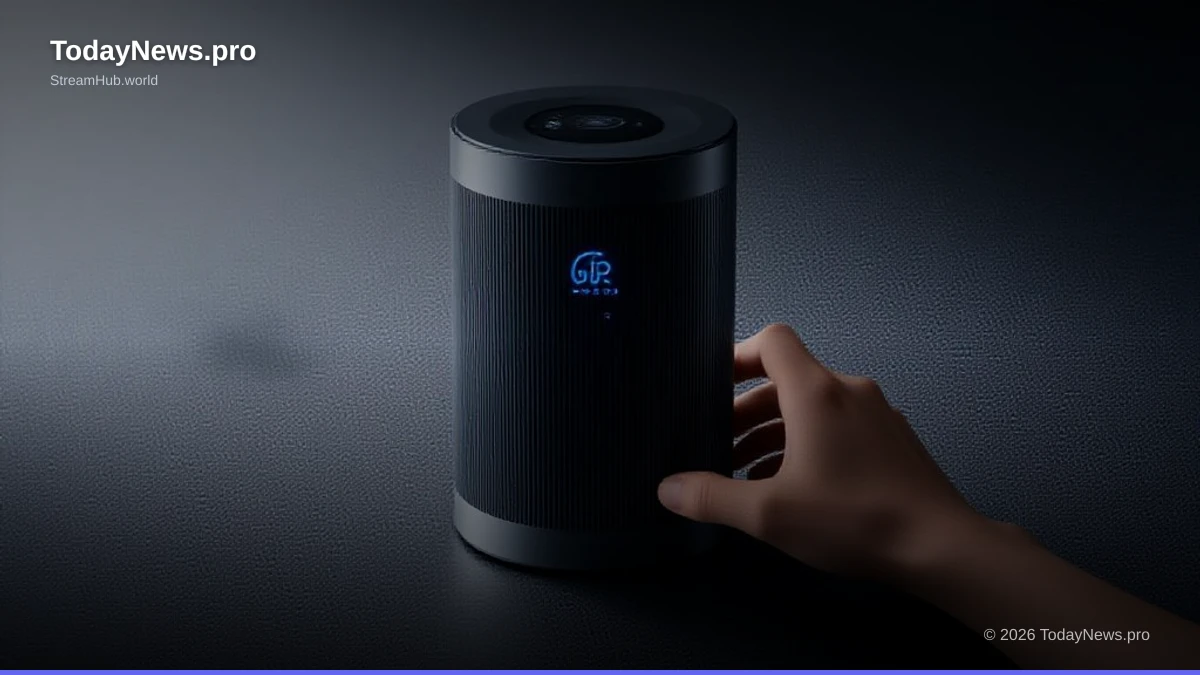
The Smart Home Hub in 2026 is less a simple bridge and more a localized server. Users must decide between: 1. **Cloud-First (Basic Adoption):** Relying on major vendor platforms (Amazon, Google) where processing occurs remotely. This is cheaper initially but suffers higher latency and reduced functionality during internet outages. 2. **Local Processing (Advanced Adoption):** Utilizing dedicated hardware (e.g., Home Assistant Yellow equivalents, specialized commercial gateways) that runs automation logic entirely on-premises. This requires more technical setup but offers unparalleled speed and privacy guarantees.| Network Component | Minimum Recommended Specification (2026) | Primary Function |
|---|---|---|
| Wi-Fi Standard | 802.11ax (Wi-Fi 6E) | High-bandwidth data and traditional control |
| IoT Protocol Backbone | Thread/Matter | Low-power, secure device mesh networking |
| Hub Processing | Minimum 4 Cores, 8GB RAM (Local Option) | Automation logic execution and state management |
| Security Layer | Mandatory VLAN Segmentation | Network isolation for untrusted devices |
Hardwiring Critical Infrastructure
While wireless reigns supreme for convenience, backbone infrastructure—security cameras, high-traffic access points, and the primary hub itself—should remain connected via Gigabit Ethernet where possible. This eliminates potential wireless congestion points, ensuring that battery-powered sensors and locks maintain consistent connectivity without competing for airtime.Phase 2: Core Device Integration and Standardization
With the network secured, the focus shifts to device deployment. The common goal now is true cross-platform communication, meaning a Samsung appliance should communicate directly with an Apple HomePod sensor without middleware translation layers that often introduced failures in earlier systems.The Matter Mandate
Matter, utilizing Thread and Wi-Fi, has largely eradicated the previous compatibility nightmares. When purchasing any new device (lighting, locks, thermostats), the 2026 buyer must confirm the Matter logo and its specific operating mode (Wi-Fi or Thread). Integrating a new device is now usually a simple Matter commissioning process via a smartphone app, often involving scanning a QR code embedded in the device or packaging.The Trinity of Essential Control Points
Any functional smart home must master three domains before moving to complex scenarios: climate, access, and illumination. 1. **Climate Control (The Thermostat Upgrade):** Modern thermostats (compatible with Matter) must integrate humidity, air quality (VOCs, CO2), and occupancy sensors. The goal is not just temperature regulation, but personalized zone conditioning managed by the hub based on real-time occupancy data harvested from multiple independent sensors (not just the thermostat itself). 2. **Access Management:** Smart locks are now standard, often featuring biometric access and temporary key sharing capabilities managed centrally. Integration with video doorbells is seamless; a recognized visitor triggers the unlock sequence and simultaneously adjusts entry lighting levels. 3. **Adaptive Lighting:** Static color bulbs are passé. 2026 standard demands circadian lighting systems that dynamically shift color temperature and intensity throughout the day to support human biological rhythms. These systems rely heavily on external inputs like sunrise/sunset data and internal data like "time since occupant woke up."92%
Device Compatibility Rate via Matter (Est. Q4 2026)
200ms
Max Acceptable Latency for Critical Security Events
7 Years
Average Projected Support Lifespan for Matter-Certified Hardware
4.5x
Increase in Security Incidents Avoided by VLAN Segregation (Internal Study)
Sensor Proliferation and Data Density
The true intelligence comes from distributed sensing. A basic setup requires environmental sensors in every major room, tracking temperature, ambient light, and motion. Advanced setups incorporate ultra-low power millimeter-wave (mmWave) sensors for presence detection—distinguishing between a person sitting still and actual occupancy—which dramatically reduces false automation triggers. Deploying these requires careful calibration to avoid overlapping detection zones, which can confuse the system's localization algorithms.Phase 3: Advanced Automation and Proactive Intelligence Layers
Moving beyond simple "if this, then that" rules, the 2026 homeowner leverages AI-driven state management. This requires establishing a comprehensive 'Digital Twin' of the home's intended operational state.Contextual State Machines
Automation sequences must account for multiple concurrent variables. For example, the "Goodnight" routine is no longer a simple time-based trigger. A mature 2026 routine looks like this: * **Trigger:** Time is 10:30 PM AND Last occupant has confirmed "Bedtime" status on their personal device OR Ambient light in living areas is below 5 lux AND Security system is armed (Perimeter Only). * **Action Sequence:** Gradually dim lights over 10 minutes; set master thermostat back 4 degrees Celsius; lock all secondary doors; transition security cameras to low-sensitivity recording mode. This complexity necessitates a user interface that allows for visual flow-chart programming rather than linear script editing. Platforms succeeding in 2026 offer graphical programming environments that allow non-developers to build complex, multi-variable logic trees.Integration with External Data Streams
Proactive automation heavily relies on external feeds, securely managed through the local hub to minimize data exposure. 1. **Weather Prediction:** Pre-cooling the home based on a predicted afternoon heat spike (3 hours out) rather than waiting for the actual temperature rise. 2. **Traffic/Commute Data:** Adjusting morning routines (e.g., pre-brewing coffee) based on real-time analysis of the primary commuter’s expected travel time, dynamically starting the "Get Ready" sequence earlier if heavy congestion is detected. 3. **Utility Pricing Signals:** For homes equipped with smart energy storage (batteries or EV chargers), the hub automatically shifts heavy loads (like water heating or EV charging) to off-peak, low-cost energy windows identified via utility API integration.Projected Adoption of Advanced Automation Features (2026)
Voice Control Refinement
While voice remains a primary input method, 2026 has seen the decline of simple wake-word commands in favor of contextual understanding. Modern assistants are better at handling disambiguation (e.g., "Dim the lights in the main room" vs. "Dim the lights in the kitchen"). Furthermore, the best systems are incorporating non-verbal cues, such as detecting specific gestures or acoustic signatures (like a loud glass breaking) to initiate actions without explicit voice commands. For further reading on the technological hurdles overcome, see this analysis on protocol convergence: Reuters: IoT Standards Convergence.Phase 4: Security, Privacy, and the Regulatory Landscape of 2026
Security is no longer an optional add-on; it is the primary prerequisite for system adoption. A single compromised IoT device can serve as a gateway to the entire home network.The Local-First Security Mandate
The greatest privacy advantage in 2026 setups is the commitment to local processing. By keeping sensitive data—like continuous video feeds, microphone recordings, and detailed occupancy patterns—within the homeowner's physical gateway (the hub), the risk associated with cloud breaches or data harvesting by platform providers is dramatically mitigated. If the hub handles the decision-making logic, the data rarely needs to leave the premises.Mandatory Device Authentication and Patching
Regulations, particularly in the EU and increasingly in North America, now mandate a minimum security lifespan for connected devices. Manufacturers must provide security updates for a specified minimum period (often three to five years). Consumers must utilize tools that actively monitor the firmware version of every connected device and flag any that fall outside vendor support windows. This monitoring is best handled by the network router or the central hub, treating unpatched devices as high-risk network assets.Advanced Video Surveillance Integration
Security cameras have moved beyond simple motion detection. Modern cameras use on-device edge AI to filter recordings down to actionable events (e.g., "Person detected waiting at the front gate for 60 seconds"). The integration pipeline is strict: Only metadata and flagged clips should ever be stored in the cloud, and only if the user explicitly consents and encrypts the stream end-to-end. Local Network Video Recording (NVR) systems, managed by the hub, are the preferred storage method. The implementation of end-to-end encryption across all Matter communications is now standard, but users must verify that older "smart" devices that were retrofitted via bridging technologies meet modern cryptographic standards.Phase 5: Optimizing for Energy Efficiency and Sustainability
The promise of smart homes shifting toward utility reduction has finally materialized, driven by sophisticated load management and verifiable energy monitoring.Granular Energy Monitoring
A cornerstone of the modern setup is whole-home energy monitoring installed at the circuit breaker panel. These monitors provide real-time consumption data for individual circuits, which is then fed back into the automation hub. This data allows the system to identify "vampire draw" devices operating outside expected parameters. For instance, if the laundry room circuit consumption spikes unexpectedly at 3 AM, the system flags a potential malfunction or an appliance left running.Load Shifting and Renewable Integration
For homes with solar panels or battery storage, the hub actively manages high-draw appliances. The washing machine or dishwasher is only activated when the home is producing surplus solar energy or when grid energy prices are at their absolute lowest historical point, as dictated by programmed utility rate structures. This dynamic load shifting requires bidirectional communication with both the inverter/battery system and the local utility pricing feeds."We estimate that comprehensive, locally-managed smart energy systems are now delivering an average verified efficiency improvement of 18% on annual utility bills, provided the user commits to establishing dynamic load rules."
— Marcus Chen, Senior Energy Systems Consultant, TechFuture Analytics
Water Management and Leak Detection
Beyond electricity, water conservation is a major focus. Smart water valves, integrated into the main supply line, allow the system to monitor flow rates constantly. A flow rate exceeding a set threshold during an inactive period (e.g., no water usage between 2 AM and 5 AM) immediately triggers a localized alert and shuts off the main valve, preventing catastrophic damage. This data stream is vital for insurance premium reduction in many jurisdictions by 2026. Referencing historical context on network management: Wikipedia: Home Automation History.Phase 6: Troubleshooting and Future-Proofing Your Setup
A complex system requires structured maintenance. Unlike legacy electronics, a smart home requires ongoing software maintenance equal to its hardware installation.The Importance of Documentation and Mapping
The most common failure point is poor documentation of the underlying network. Every user must maintain a current map detailing: 1. Which physical IP address corresponds to which logical device (e.g., IP 192.168.1.45 = Hallway Motion Sensor 1). 2. Which VLAN each device is assigned to. 3. The primary controller responsible for each automation sequence (Hub A vs. Voice Assistant B). This map is indispensable when diagnosing intermittent connectivity issues, which often arise from IP conflicts or mesh node interference.Future-Proofing Via Protocol Agnosticism
The best defense against obsolescence is selecting components that support multiple communication standards (multi-protocol devices). A high-quality light switch today might support Wi-Fi, Bluetooth Low Energy (for simple setup), and Thread/Matter. This ensures that if a future dominant protocol emerges, the hardware investment remains viable, requiring only a firmware update rather than a full replacement. We anticipate that specialized communication protocols optimized for ultra-low latency sensor data (potentially leveraging technologies beyond current Thread implementations) will begin appearing in niche, high-end installations by 2028.Software Update Cadence Management
Automated updates are generally preferred for security patches, but they can break complex automations. A mature approach involves creating "staging" schedules. Major firmware updates should be applied first to non-critical devices (e.g., decorative lighting) and monitored for 48 hours before applying updates to core infrastructure like locks, thermostats, or the central hub itself.What if the internet goes down? Will my smart home still function?
If you correctly implemented a local processing hub (Phase 2), all core automations, lighting schedules, and security arming/disarming will continue functioning perfectly. Only features dependent on external data (like traffic updates or cloud-based voice processing) will be disabled. This is the primary reason for investing in a local gateway.
How often should I physically reboot my mesh Wi-Fi nodes?
Unlike legacy routers, modern Wi-Fi 6E/7 mesh systems rarely require manual reboots. If you notice consistent latency degradation over several weeks, a planned reboot during a low-usage window (e.g., 4 AM Sunday) is recommended, but this should not be a routine maintenance task unless advised by the manufacturer's diagnostic logs.
Is Matter sufficient for truly advanced security?
Matter secures device communication via cryptographic keys shared during commissioning. However, Matter does not secure the underlying network transport (Wi-Fi or Ethernet). Therefore, mandatory VLAN segregation and strong, unique passwords on the main router remain essential layers of defense beyond the Matter standard itself.