

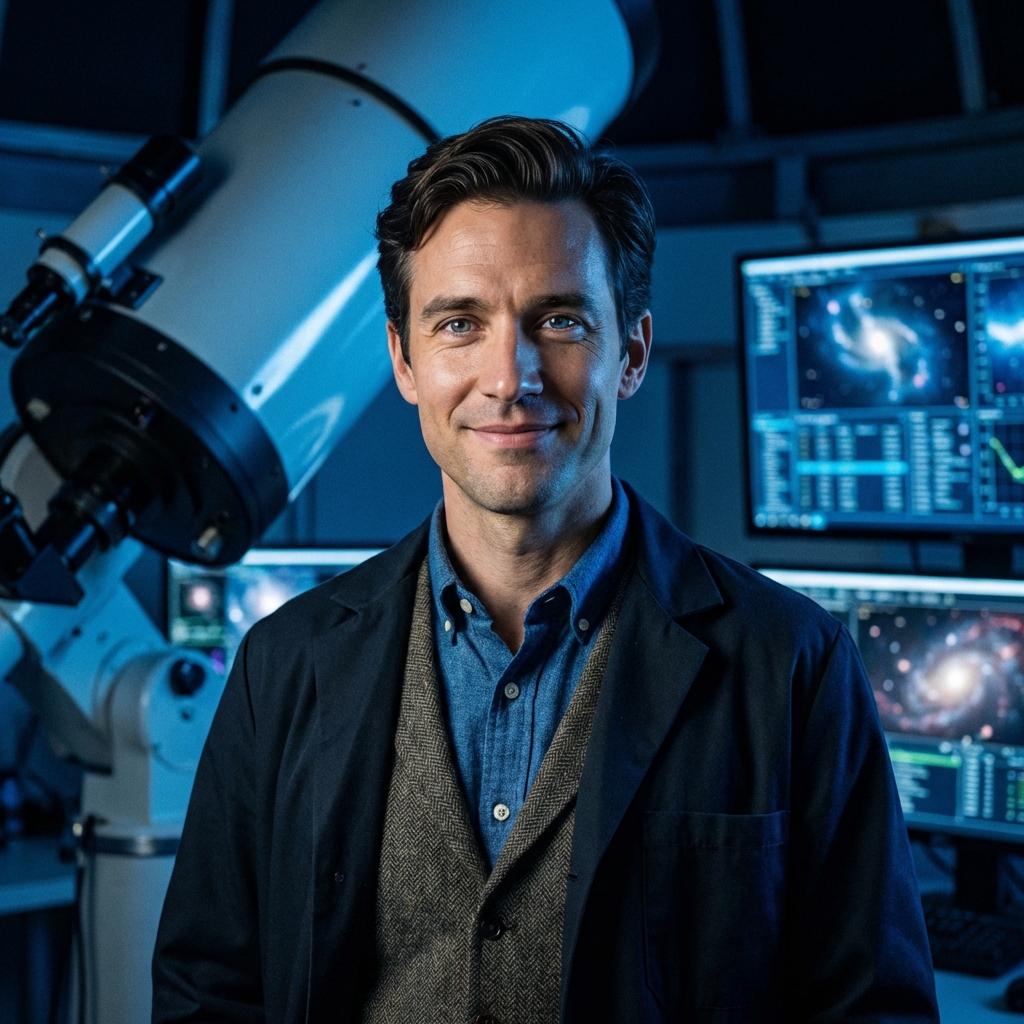
 Dr. Alan Grant

By the year 2050, the global population aged 65 and over is projected to more than double, reaching 1.5 billion individuals, a stark demographic shift underscoring humanity's growing ability to live longer. However, the critical question remains: can we live healthier for longer? Recent scientific advancements suggest that the age-old quest for immortality is rapidly evolving into a tangible pursuit of extended healthspan, focusing not just on adding years to life, but adding life to years.
The Elixir of Longevity: Redefining the Boundaries of Human Lifespan
For millennia, the concept of an extended, perhaps even eternal, life has been confined to myth and fantasy. Tales of the Fountain of Youth and alchemical pursuits for the Philosopher's Stone highlight a deep-seated human desire to overcome the inevitable decline of aging. Today, this age-old aspiration is being systematically dismantled and rebuilt in the sterile environments of cutting-edge research laboratories. Scientists are no longer merely observing the aging process; they are actively intervening, seeking to understand and manipulate its fundamental mechanisms.
The distinction between lifespan (how long an organism lives) and healthspan (the period of life spent in good health, free from chronic diseases and disability) is paramount in this new scientific paradigm. While medical interventions have successfully increased average lifespans in many parts of the world, a significant portion of those extra years are often spent battling age-related ailments such as cardiovascular disease, neurodegenerative disorders, cancer, and metabolic syndromes. The ultimate goal of current research is to compress morbidity, ensuring that the final years of life are as vibrant and functional as possible.
This shift in focus from mere longevity to robust health at advanced ages is driven by a confluence of factors: advances in molecular biology, genomics, proteomics, and computational power. These tools allow researchers to probe the intricacies of cellular aging and organismal decline with unprecedented precision. The promise is not just to live longer, but to live better, maintaining cognitive function, physical mobility, and a high quality of life well into what was once considered old age.
The Historical Context of Longevity Research
Early research into aging was largely observational, focusing on identifying common age-related changes and diseases. Pioneers like Dr. August Weismann in the late 19th century proposed theories of aging as a programmed biological process, a departure from the purely accidental view of cellular damage. Later, the development of gerontology as a distinct scientific discipline in the mid-20th century brought together diverse fields like biology, medicine, and sociology to study the complex phenomenon of aging.
Landmark discoveries, such as the identification of free radicals and their role in cellular damage (the "free radical theory of aging"), opened new avenues for intervention. The development of antioxidants and other compounds aimed at mitigating this damage represented early attempts to directly combat aging at a cellular level. While these early approaches had limited success in dramatically extending healthspan, they laid crucial groundwork for the more sophisticated strategies employed today.
Defining Almost Immortality: The Healthspan Advantage
The term "immortality" in this context is a dramatic oversimplification, yet it captures the essence of the scientific ambition. We are not talking about biological invincibility, but about significantly delaying or even reversing the hallmarks of aging to a point where age-related diseases become largely irrelevant. This implies a future where individuals remain healthy and functional for decades longer than is currently possible, effectively achieving a state of "functional immortality" for a much larger portion of their lives.
The "almost" is crucial. It acknowledges the inherent biological limitations and the complexity of the aging process. However, the progress made in understanding cellular senescence, telomere shortening, DNA damage, epigenetic alterations, and mitochondrial dysfunction suggests that achieving a significantly extended healthspan is no longer a theoretical possibility but a rapidly approaching reality. The focus is on achieving a state where chronological age becomes a less significant determinant of physiological function and health.
Unraveling the Cellular Clock: The Science of Aging at its Core
At the heart of extending human healthspan lies a deep understanding of the fundamental biological processes that drive aging. For decades, scientists have been dissecting the intricate molecular and cellular mechanisms that contribute to the gradual deterioration of bodily functions over time. This knowledge is the bedrock upon which all therapeutic strategies are built.
Aging is not a single event but a multifaceted process involving a complex interplay of genetic, environmental, and stochastic factors. Researchers have identified several key "hallmarks of aging," a framework that helps categorize the various molecular and cellular pathologies that accumulate with age. These hallmarks are not independent but are interconnected, often exacerbating one another.
Understanding these hallmarks provides clear targets for intervention. By developing therapies that can address one or more of these fundamental aging processes, scientists aim to slow, stop, or even reverse the aging cascade, leading to a prolonged period of good health.
The Hallmarks of Aging: Key Targets for Intervention
The seminal 2013 paper by López-Otín et al. identified nine key hallmarks of aging, which have since become central to the field:
| Hallmark | Description | Implications for Healthspan |
|---|---|---|
| Genomic instability | Accumulation of DNA damage and mutations. | Increases risk of cancer and cellular dysfunction. |
| Telomere attrition | Shortening of protective caps on chromosomes. | Leads to cellular senescence and impaired regeneration. |
| Epigenetic alterations | Changes in gene expression patterns without altering DNA sequence. | Disrupts cellular identity and function. |
| Loss of proteostasis | Failure to maintain proper protein folding and function. | Contributes to aggregation diseases like Alzheimer's. |
| Deregulated nutrient sensing | Alterations in metabolic pathways like insulin/IGF-1, mTOR, and AMPK. | Affects energy balance and cellular stress responses. |
| Mitochondrial dysfunction | Impaired energy production and increased reactive oxygen species (ROS). | Reduces cellular energy and promotes oxidative damage. |
| Cellular senescence | Irreversible cell cycle arrest, often secreting pro-inflammatory factors (SASP). | Drives chronic inflammation and tissue dysfunction. |
| Stem cell exhaustion | Depletion or dysfunction of stem cells, impairing tissue repair. | Limits the body's ability to regenerate and heal. |
| Altered intercellular communication | Changes in signaling pathways, including chronic inflammation (inflammaging). | Contributes to systemic decline and disease. |
Targeting these hallmarks offers a comprehensive approach to anti-aging research. For example, strategies aimed at clearing senescent cells, often referred to as senolytics, have shown remarkable promise in preclinical studies by improving various age-related conditions.
The Role of Senescence and Inflammation
Cellular senescence, a state of irreversible cell cycle arrest, is a double-edged sword. While it plays a crucial role in wound healing and preventing cancer in younger organisms by stopping damaged cells from dividing, senescent cells accumulate with age. These "zombie cells" don't just sit idly; they secrete a cocktail of inflammatory molecules, proteases, and growth factors known as the senescence-associated secretory phenotype (SASP). This SASP contributes to chronic low-grade inflammation, a phenomenon termed "inflammaging," which is a major driver of many age-related diseases.
The development of senolytic drugs, which selectively kill senescent cells, has been a significant breakthrough. Preclinical studies in animal models have demonstrated that clearing senescent cells can alleviate symptoms of sarcopenia, osteoarthritis, atherosclerosis, and neurodegenerative diseases, thereby extending healthspan.
Mitochondria: The Powerhouses Under Siege
Mitochondria, the powerhouses of the cell, are also critical players in aging. With age, mitochondrial function declines, leading to reduced energy production and an increase in the generation of reactive oxygen species (ROS). This oxidative stress can damage cellular components, including DNA, proteins, and lipids, further accelerating the aging process.
Research is exploring ways to improve mitochondrial health through various means, including enhancing mitochondrial biogenesis (the creation of new mitochondria), improving mitochondrial quality control mechanisms, and reducing oxidative damage. Compounds like nicotinamide mononucleotide (NMN) and nicotinamide riboside (NR), precursors to NAD+, a coenzyme essential for mitochondrial function, are being investigated for their potential to boost cellular energy and combat age-related decline.
Key Pathways to a Longer, Healthier Life
The scientific exploration of aging has illuminated several key biological pathways that significantly influence both lifespan and healthspan. Interventions targeting these pathways have shown remarkable success in model organisms and are now moving towards human trials, offering tangible hope for extending our healthy years.
One of the most extensively studied pathways is related to nutrient sensing. Organisms that experience caloric restriction (CR) – a significant reduction in calorie intake without malnutrition – consistently live longer and healthier lives in a variety of species, from yeast to primates. This phenomenon has led scientists to investigate the molecular mechanisms underlying CR's benefits.
Beyond dietary interventions, the identification of specific compounds and genetic modifications that can mimic the effects of CR or directly target aging pathways is revolutionizing the field. These discoveries are transforming our understanding of how to promote cellular resilience and combat the degenerative effects of time.
Caloric Restriction and Mimetic Compounds
Caloric restriction has been a cornerstone of longevity research for decades. Studies on rodents have consistently shown that restricting calories by 20-40% can lead to a 30-50% increase in lifespan and a significant delay in the onset of age-related diseases. The benefits are thought to stem from the activation of specific metabolic pathways, including the sirtuin (SIRT) family of proteins and the AMP-activated protein kinase (AMPK) pathway, which are involved in cellular stress resistance, DNA repair, and energy metabolism.
However, sustained strict caloric restriction is difficult for humans to adhere to. This has spurred the development of "caloric restriction mimetics" – compounds that can activate the same beneficial pathways as CR without the need for severe dietary changes. Rapamycin, a drug originally used as an immunosuppressant, is a prominent example. It inhibits the mTOR (mechanistic target of rapamycin) pathway, which is a central regulator of cell growth, metabolism, and aging. While rapamycin has shown promise in extending lifespan in mice, its use in humans is limited by potential side effects.
Other compounds being investigated include resveratrol (found in red wine, though its efficacy in humans is debated), metformin (a common diabetes drug that has shown anti-aging effects in some studies), and spermidine (a natural polyamine found in various foods). The ongoing challenge is to identify safe and effective mimetics that can translate the benefits of CR to human healthspan.
The Sirtuin Family: Guardians of the Genome
Sirtuins are a class of proteins that play critical roles in cellular health, DNA repair, and metabolism. They are often referred to as "longevity genes" because their activity is closely linked to lifespan. There are seven sirtuins in mammals (SIRT1-SIRT7), each with distinct functions. For example, SIRT1 is involved in regulating gene expression, protecting against oxidative stress, and improving insulin sensitivity.
Sirtuin activity is influenced by NAD+ levels, which decline with age. Restoring NAD+ levels, either through supplementation with precursors like NMN and NR or through interventions that boost NAD+ biosynthesis, is a major focus of current research. The goal is to enhance sirtuin activity and thereby promote cellular resilience and slow down the aging process. Clinical trials are underway to evaluate the safety and efficacy of NMN and NR supplementation in humans.
Stem Cell Therapy and Tissue Regeneration
As we age, our body's ability to repair and regenerate tissues diminishes, largely due to the decline in stem cell function and number. Stem cells are undifferentiated cells that can develop into specialized cell types and are crucial for tissue maintenance and repair.
Stem cell therapy, which involves transplanting stem cells into a patient to repair damaged tissues or organs, holds immense potential for treating age-related diseases. For instance, using mesenchymal stem cells (MSCs) to treat osteoarthritis or cardiac damage is an active area of research. The idea is to replenish the body's depleted stem cell reserves or to use their regenerative and immunomodulatory properties to promote healing.
Another promising avenue is the direct reprogramming of cells. Scientists are exploring ways to convert one cell type into another, or to rejuvenate aged cells "in situ" (in their original place) by resetting their epigenetic clock. This could offer a way to restore the function of aged tissues without the need for external cell transplantation.
The Promise of Regenerative Medicine and Gene Therapy
The frontiers of medicine are rapidly expanding, with regenerative medicine and gene therapy emerging as powerful tools in the fight against aging and age-related diseases. These fields are moving beyond treating symptoms to addressing the root causes of decline at a cellular and genetic level.
Regenerative medicine harnesses the body's own healing capabilities, often through the use of stem cells, to repair or replace damaged tissues and organs. Gene therapy, on the other hand, focuses on modifying genes to correct defects or to introduce beneficial functions. Both approaches offer revolutionary possibilities for not just extending lifespan, but significantly improving healthspan.
The convergence of these disciplines with our understanding of aging mechanisms is creating a powerful synergy. Scientists are now able to envision interventions that can not only repair age-related damage but also potentially reverse it, offering a truly transformative approach to human health.
Stem Cells: Rebuilding and Rejuvenating Tissues
Stem cells, with their remarkable capacity to differentiate into various cell types, are at the forefront of regenerative medicine. Induced pluripotent stem cells (iPSCs), derived from adult somatic cells, have been particularly transformative, allowing researchers to generate patient-specific stem cells in the lab. These iPSCs can then be differentiated into any cell type needed for therapeutic purposes, such as neurons for Parkinson's disease, cardiomyocytes for heart failure, or retinal cells for macular degeneration.
Beyond replacing damaged cells, research is exploring how stem cells can be used to create "organoids" – miniature, simplified versions of organs grown in vitro. These organoids can be used for disease modeling, drug testing, and potentially for transplantation. The ultimate goal is to grow entire organs for patients needing replacements, eliminating the need for donor organs and the associated ethical and logistical challenges.
The challenge with stem cell therapies lies in ensuring their safety and efficacy. Controlling the differentiation process, preventing tumor formation, and achieving successful integration into host tissues are critical hurdles that researchers are actively working to overcome.
Gene Therapy: Rewriting the Genetic Code for Longevity
Gene therapy offers the potential to correct genetic predispositions to age-related diseases or to introduce genes that promote longevity and cellular repair. While still in its nascent stages for anti-aging applications, its success in treating certain genetic disorders provides a strong foundation.
One exciting area is targeting genes involved in cellular senescence. For example, researchers are investigating ways to use gene therapy to deliver genes that can suppress the production of pro-inflammatory factors by senescent cells or to enhance the clearance of these cells. Another approach is to activate genes that promote DNA repair or telomere maintenance.
CRISPR-Cas9 gene editing technology has revolutionized the field, offering unprecedented precision in modifying DNA. This technology could potentially be used to correct mutations that accelerate aging or to introduce genetic changes that enhance cellular resilience. However, ethical considerations and the potential for off-target edits are significant concerns that require careful scientific and societal deliberation.
The long-term effects and safety of germline gene editing (changes that can be passed on to future generations) are particularly contentious. For now, the focus remains on somatic gene therapy, which affects only the individual being treated.
Epigenetic Rejuvenation: Turning Back the Cellular Clock
Epigenetic alterations – changes in gene expression that do not involve alterations to the DNA sequence itself – are a key hallmark of aging. These changes can lead to cells losing their identity and function over time. Epigenetic rejuvenation aims to "reset" these alterations, effectively turning back the cellular clock.
Research in this area has been inspired by the Yamanaka factors, a set of transcription factors that can reprogram adult cells into a pluripotent state. While full reprogramming eliminates cell identity, partial reprogramming, where cells are exposed to these factors for a limited time, has shown promise in rejuvenating aged cells and tissues in animal models without causing teratomas (tumors). This suggests a potential pathway to restore youthful function to aged cells and organs.
This area of research is still largely preclinical but holds immense promise for developing therapies that could reverse cellular aging and restore vitality to aging bodies. The key challenge is to achieve controlled and safe epigenetic reprogramming that specifically targets age-related changes.
Ethical Frontiers and Societal Impact of Extended Healthspans
As scientific progress inches closer to significantly extending human healthspan, profound ethical and societal questions arise. The implications of a population living healthily for 120, 150, or even more years are far-reaching, touching upon everything from economic systems and social structures to individual identity and the very definition of life.
One of the most immediate concerns is equity. Will these life-extending technologies be accessible to all, or will they exacerbate existing disparities, creating a divide between the "long-lived wealthy" and the "standard-lived" majority? The potential for a "longevity gap" raises significant ethical dilemmas regarding social justice and fairness.
Furthermore, the concept of "living longer" necessitates a re-evaluation of societal norms and structures. How will retirement, careers, family dynamics, and intergenerational relationships adapt to a world where individuals remain active and healthy for much longer periods? These are not merely academic discussions but urgent considerations for the future.
The Equity and Accessibility Challenge
The development of advanced medical treatments, particularly those involving complex technologies like gene therapy and regenerative medicine, is often initially expensive. This raises serious concerns about accessibility. If only the wealthy can afford to extend their healthspan, it could lead to unprecedented social stratification and resentment.
Governments and international bodies will face immense pressure to ensure equitable access to these life-enhancing therapies. This might involve public funding for research and development, price controls, and universal healthcare policies that prioritize longevity and healthspan interventions. The ethical imperative is to ensure that the benefits of scientific progress are shared broadly, not concentrated in the hands of a privileged few.
A report by the World Health Organization highlights the importance of healthy aging policies that focus on enabling people to live the lives they value. Extending healthspan is a critical component of this, but it must be pursued with a commitment to global equity.
Rethinking Societal Structures
A significantly extended healthspan would necessitate a radical rethinking of many fundamental societal structures. The concept of retirement, for instance, might become obsolete. If individuals remain healthy and productive well into their 100s, the traditional model of working for 40-50 years and then retiring might no longer be sustainable or desirable.
Careers might become more fluid, with individuals undertaking multiple career changes throughout their lives. Education systems would need to adapt to lifelong learning. Family structures could also evolve, with multiple generations coexisting and interacting for extended periods. The psychological impact of living for such a long time, including the potential for boredom, existential angst, and the accumulation of losses, also needs careful consideration.
The Definition of Life and Death
Perhaps the most profound ethical implications lie in how extended healthspan challenges our understanding of life, death, and human purpose. If aging is a disease that can be treated or reversed, what does it mean to live a "natural" life? Does achieving a near-immortal state diminish the value or urgency of life?
Philosophers and ethicists are already debating these questions. Some argue that the pursuit of radical life extension is a natural human desire, while others caution against tampering with fundamental biological processes. The potential for overpopulation and resource depletion also becomes a more pressing concern in scenarios of significantly extended lifespans.
The philosophical debate around death and its role in giving life meaning will undoubtedly intensify as scientific breakthroughs bring us closer to overcoming its ultimate finality. As Stanford Encyclopedia of Philosophy discusses, immortality has been a subject of philosophical inquiry for centuries, and scientific progress is now bringing these abstract questions into the realm of practical consideration.
The Future of Human Health: From Treatment to Prevention
The paradigm shift in healthcare is moving from a reactive model of treating diseases after they manifest to a proactive approach focused on preventing them and optimizing health throughout life. The science of extending healthspan is intrinsically linked to this transition, aiming to build resilience against the aging process itself.
The future of medicine will likely involve a personalized approach, leveraging individual genetic makeup, lifestyle data, and advanced diagnostics to create tailored health plans. Instead of generalized treatments, interventions will be precisely targeted to an individual's unique biological profile and their specific risk factors for age-related decline.
This holistic view of health, encompassing not just the absence of disease but the presence of vitality, cognitive function, and emotional well-being, represents the ultimate goal of healthspan extension. It’s about empowering individuals to live their best lives, for as long as possible.
Personalized Medicine and AI in Longevity
Artificial intelligence (AI) and machine learning are playing an increasingly crucial role in decoding the complexities of aging and personalizing health interventions. By analyzing vast datasets of genetic information, lifestyle choices, and health outcomes, AI algorithms can identify subtle patterns and predict an individual's risk of developing specific age-related diseases.
This enables the development of highly personalized prevention strategies. For example, AI could recommend specific dietary adjustments, exercise regimens, or even targeted supplementations based on an individual's genetic predispositions and current health status. Wearable devices and continuous monitoring will provide a constant stream of data, allowing for real-time adjustments to health plans.
The development of "digital twins" – virtual replicas of individuals – is on the horizon. These digital twins could be used to simulate the effects of different interventions and lifestyle changes, allowing doctors and patients to predict outcomes and optimize health strategies before they are implemented in the real world.
The Convergence of Lifestyle and Therapeutics
While the scientific focus is on groundbreaking therapies, the importance of lifestyle factors – diet, exercise, sleep, and stress management – in promoting healthspan cannot be overstated. Future approaches will likely integrate these lifestyle elements with advanced therapeutics for maximum impact.
For instance, a personalized health plan might combine regular exercise and a nutrient-rich diet with targeted senolytic treatments or NAD+ boosting supplements. The synergy between lifestyle choices and medical interventions is expected to yield far greater benefits than either approach alone. This integrated strategy aims to create a robust defense against aging, reinforcing cellular repair mechanisms and mitigating the accumulation of damage.
The concept of "healthspan optimization" will become a key focus for individuals and healthcare providers alike. It's about actively managing one's biological age, not just chronological age, through a combination of informed lifestyle choices and cutting-edge medical science.
From Treating Disease to Enhancing Function
The ultimate aim of healthspan extension is not merely to treat age-related diseases but to enhance human function across the board. This means improving not only physical capabilities but also cognitive function, emotional resilience, and overall well-being. The aspiration is to move beyond a state of simply "not being sick" to a state of thriving at any age.
This broader definition of health aligns with the principles of positive psychology and human flourishing. As we learn to manage and potentially reverse the cellular and molecular changes associated with aging, we also unlock the potential for individuals to lead more fulfilling, engaged, and productive lives for longer. The pursuit of longevity is, in essence, the pursuit of a more vibrant and meaningful human experience.