

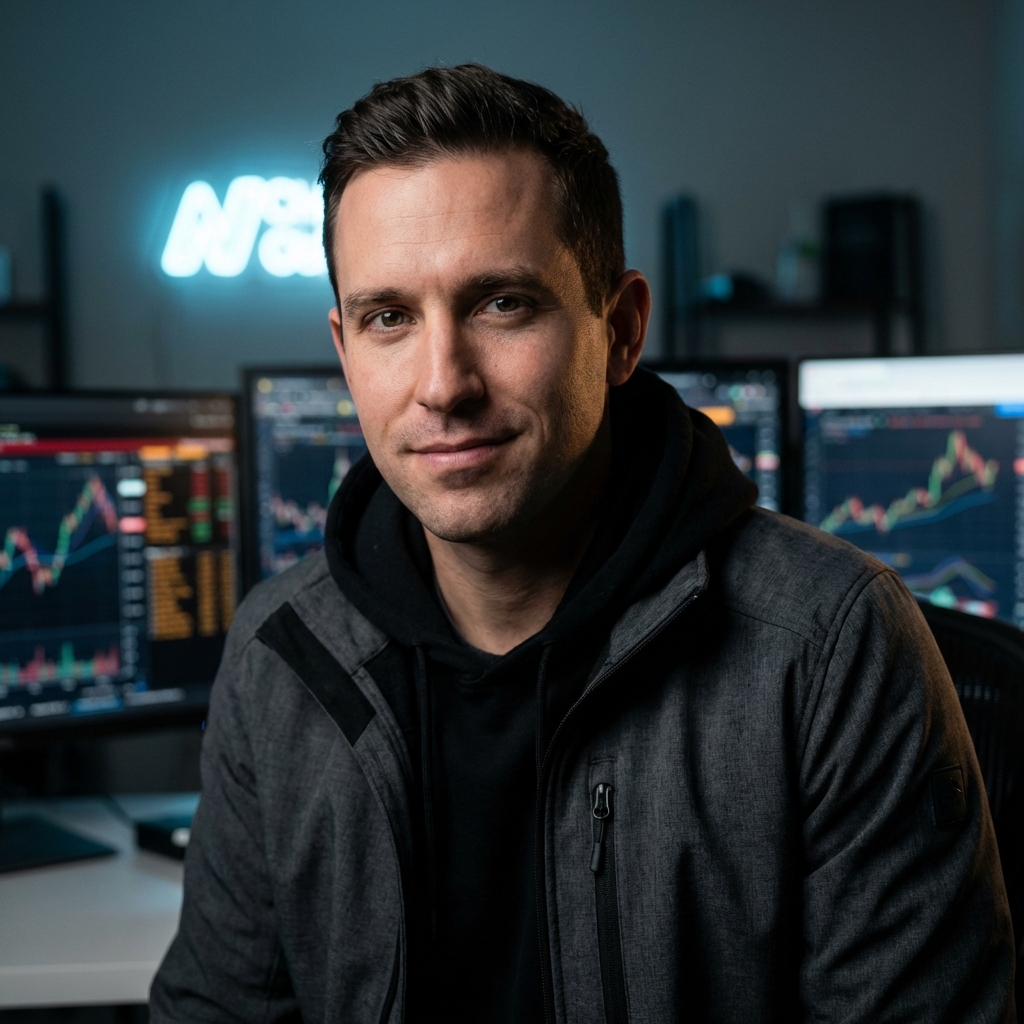
 Kevin O'Connor
The tokenization of real-world assets (RWAs) is projected to become a multi-trillion-dollar market by 2030, with some estimates reaching as high as $16 trillion according to the Boston Consulting Group and Web3 financial institution, ADDX. This monumental shift is fundamentally reshaping how value is created, exchanged, and owned across diverse asset classes, moving from illiquid, exclusive holdings to fractionalized, globally accessible digital tokens.
The Unstoppable March of Tokenization
Tokenization is the process of converting rights to an asset into a digital token on a blockchain. This digital representation can then be stored, transferred, and traded with unprecedented efficiency and transparency. While the concept isn't entirely new—think of digitized shares on traditional stock exchanges—blockchain-based tokenization introduces a layer of immutability, programmability, and global accessibility that traditional systems simply cannot match.
At its core, tokenization addresses long-standing inefficiencies in traditional markets: illiquidity, high transaction costs, complex intermediation, and limited access. By leveraging distributed ledger technology (DLT), assets ranging from real estate and fine art to commodities and debt instruments can be fractionalized, enabling a wider pool of investors to participate in previously exclusive opportunities. This democratizes access to wealth-building assets and unlocks capital for asset owners.
The implications extend far beyond mere digital representation. Tokenization allows for automated compliance, instant settlement, and the creation of novel financial products built on top of these digital assets. It represents a paradigm shift from a system of paper-based certificates and cumbersome legal processes to one of digital ownership verified cryptographically, fostering trust and reducing friction.
Deconstructing Fractionalization: How It Works
Fractionalization is the cornerstone of RWA tokenization, enabling the division of high-value assets into smaller, more affordable units. Imagine a luxury apartment or a rare diamond; traditionally, only high-net-worth individuals or institutions could acquire such assets. Through fractionalization, these assets can be divided into thousands or even millions of tokens, each representing a tiny, verifiable share of ownership.
The process typically involves several key steps:
- Asset Identification and Legal Structuring: A real-world asset is identified, and a special purpose vehicle (SPV) or similar legal entity is often created to own the physical asset. This SPV then issues the digital tokens, which represent ownership rights, equity, or debt claims against the SPV and, by extension, the underlying asset.
- Valuation and Due Diligence: The asset undergoes rigorous valuation by independent third parties, along with legal and financial due diligence to confirm its authenticity, ownership, and any encumbrances.
- Token Minting: A smart contract is developed and deployed on a chosen blockchain (e.g., Ethereum, Solana, Avalanche). This smart contract defines the token's parameters, such as total supply, transfer rules, and the rights associated with holding the token. The tokens are then minted.
- Distribution and Trading: The minted tokens are distributed to investors, often through primary offerings on specialized platforms. Once distributed, these tokens can be traded on secondary markets, offering liquidity.
Each token typically carries specific rights, which can vary greatly depending on the asset and the legal framework. These rights might include a share of rental income (for real estate), dividends (for equity), interest payments (for debt), or a proportional share of appreciation upon sale of the underlying asset.
Key Asset Classes Driving RWA Tokenization
While virtually any asset could theoretically be tokenized, several categories are currently leading the charge due to their inherent value, market size, and the significant inefficiencies they present in traditional structures.
Real Estate
Real estate is arguably the most prominent and mature sector for RWA tokenization. The traditional real estate market is notoriously illiquid, capital-intensive, and fraught with high transaction costs and lengthy legal processes. Tokenization offers a solution by fractionalizing properties, allowing investors to buy into a fraction of a building or land parcel. This drastically lowers entry barriers, provides global access, and enhances liquidity for what has historically been a very slow-moving asset class. Investors can potentially earn income from rental yields and capital appreciation proportionate to their token holdings.
Fine Art and Collectibles
The art market is highly opaque, exclusive, and often inaccessible to most investors, with individual pieces frequently valued in the millions. Tokenization of fine art, rare wines, luxury watches, and other high-value collectibles allows multiple individuals to co-own a single piece. This not only democratizes access to a historically strong-performing asset class but also provides newfound liquidity for collectors and artists alike. Platforms like Masterworks have demonstrated the viability of this model, offering fractional shares in blue-chip artworks.
Debt and Credit
The tokenization of debt, including private credit, corporate bonds, and even government bonds, represents a significant opportunity. By putting these instruments on-chain, processes like issuance, settlement, and interest distribution can be automated via smart contracts, reducing costs and increasing speed. Furthermore, it allows for the creation of more granular and tailored debt products, potentially opening up new avenues for lending and borrowing in both centralized and decentralized finance (DeFi) ecosystems.
Commodities and Natural Resources
Tokenizing commodities such as gold, silver, or even agricultural products offers a digital representation of physical holdings. This can streamline supply chains, enhance traceability, and provide a more efficient way for investors to gain exposure to these markets without the complexities of physical storage or traditional futures contracts. Companies are exploring tokenizing everything from barrels of oil to sustainable timber plantations, creating new avenues for ethical and transparent investment.
The Dual Edge: Benefits and Risks of RWA Investment
Investing in tokenized RWAs presents a compelling set of advantages, but also comes with distinct risks that investors must carefully consider. Understanding both sides of this equation is crucial for informed decision-making.
Key Advantages
- Increased Liquidity: Traditional illiquid assets can be traded more easily on secondary markets, allowing investors to enter and exit positions without long lock-up periods.
- Fractional Ownership: Lower investment minimums democratize access to high-value assets, enabling diversification across a wider range of asset classes for a broader investor base.
- Global Accessibility: Blockchain-based tokens are permissionless and borderless, opening investment opportunities to a global audience regardless of geographical location.
- Transparency and Immutability: All transactions are recorded on a public blockchain, providing an immutable and verifiable record of ownership and transfer history, enhancing trust and reducing fraud.
- Reduced Transaction Costs: By disintermediating many traditional financial actors, tokenization can significantly lower fees associated with asset transfer, legal processes, and brokerage.
- Faster Settlement: Blockchain transactions settle in minutes, not days, dramatically improving capital efficiency compared to traditional asset transfers.
Significant Risks
- Regulatory Uncertainty: The legal and regulatory landscape for tokenized RWAs is still evolving. Different jurisdictions have varying approaches, creating potential complexities regarding ownership rights, taxation, and securities laws.
- Valuation Challenges: Accurately valuing the underlying real-world asset and subsequently its tokens can be complex, especially for unique assets like art. Market sentiment in the crypto space can also disproportionately influence token prices.
- Smart Contract Vulnerabilities: The security of tokenized assets relies heavily on the underlying smart contracts. Bugs or exploits in these contracts could lead to significant financial losses. Auditing by reputable firms is essential.
- Counterparty Risk: While blockchain reduces some counterparty risks, the reliance on an SPV or a legal entity to hold the physical asset introduces a centralized point of failure. The solvency and trustworthiness of the issuer and custodian are critical.
- Liquidity Risk (Emerging Markets): While tokenization aims to increase liquidity, secondary markets for many tokenized RWAs are still nascent and may not always offer robust trading volumes, especially for less popular assets.
- Interoperability and Standardization: The lack of universal standards across different blockchains and tokenization platforms can create fragmentation and hinder seamless transferability or integration.
- Custody Risks: Managing private keys for digital assets introduces new security challenges. Loss of keys means loss of assets. Third-party custody solutions can mitigate this but introduce another layer of trust.
| Feature | Traditional Asset Investment | Tokenized RWA Investment |
|---|---|---|
| Minimum Investment | High (often $100k+) | Low (often $100-$1000) |
| Liquidity | Low to Medium (days to months) | Potentially High (minutes to hours) |
| Global Access | Limited by jurisdiction/broker | Global (borderless) |
| Transparency | Low (private ledgers) | High (public blockchain) |
| Transaction Costs | High (legal fees, brokerage) | Lower (smart contract fees) |
| Settlement Time | Days to Weeks | Minutes |
| Regulatory Framework | Established, often complex | Evolving, fragmented |
Navigating the Regulatory Labyrinth and Due Diligence
The regulatory environment for tokenized RWAs is a dynamic and complex landscape. Different jurisdictions are taking varied approaches, ranging from progressive frameworks to cautious oversight. Investors must be acutely aware of the regulatory implications specific to their location and the origin of the tokenized asset.
In many regions, tokenized assets, especially those representing equity or debt, are classified as securities and thus fall under existing securities laws. This means they are subject to registration requirements, investor protection rules, and anti-money laundering (AML) / know-your-customer (KYC) regulations. Some jurisdictions, like Switzerland and Liechtenstein, have established specific blockchain laws, while others are adapting existing financial regulations.
Robust due diligence is paramount before investing in any tokenized RWA. This goes beyond the usual financial checks and extends into the specifics of blockchain technology and legal structuring.
Key Due Diligence Areas
- Legal Framework: Understand the legal entity that owns the physical asset and the legal rights conveyed by the token. Is the token a security, utility, or hybrid token? Which jurisdiction's laws apply? Scrutinize the whitepaper and legal opinions.
- Asset Verification: Ensure the underlying asset genuinely exists, is properly valued, and has clear, undisputed ownership. Independent appraisals and third-party audits are critical.
- Issuer and Platform Reputation: Research the track record, team, and regulatory compliance of the platform issuing and managing the token. Are they licensed? Do they have a history of successful offerings?
- Smart Contract Audit: Verify that the smart contracts governing the token are audited by reputable blockchain security firms. Look for reports detailing any vulnerabilities found and addressed.
- Custody Solutions: Understand how the physical asset is stored and protected (e.g., in a vault, by an escrow service). For the digital tokens, inquire about custody solutions—are they self-custodial, or does the platform offer secure institutional-grade custody?
- Exit Liquidity: Evaluate the projected liquidity of the token. Are there established secondary markets? What is the trading volume? How easily can you sell your tokens if needed?
- Fees and Costs: Be aware of all associated fees, including platform fees, transaction fees (gas fees), management fees for the underlying asset, and any potential redemption costs.
Ignorance of regulatory compliance or insufficient due diligence can expose investors to significant legal and financial risks, including loss of capital or inability to prove ownership in a legal dispute. Reputable platforms will typically provide comprehensive documentation, including offering memoranda, legal disclaimers, and audit reports.
For further reading on the evolving regulatory landscape, a comprehensive overview can be found on reputable financial news outlets such as Reuters: Reuters - Tokenisation of real world assets gathers pace.
Practical Steps: Platforms and Investment Strategies
The market for tokenized RWAs is maturing, with numerous platforms emerging to facilitate investment. These platforms typically fall into two categories: regulated institutional platforms and decentralized finance (DeFi) protocols.
Choosing an Investment Platform
- Regulated Platforms: These platforms (e.g., Securitize, Centrifuge, ADDX) operate under specific financial licenses and often cater to both accredited and retail investors, depending on the jurisdiction and asset type. They prioritize regulatory compliance, robust KYC/AML procedures, and often offer more traditional investor protections. They typically handle the legal structuring and custody of the underlying asset.
- DeFi Protocols: Protocols like MakerDAO (using RWA as collateral) or Maple Finance (on-chain credit) integrate RWAs into decentralized lending and borrowing ecosystems. These often offer higher yields but come with increased smart contract risk and less direct regulatory oversight. They appeal to crypto-native investors comfortable with self-custody and DeFi mechanics.
When selecting a platform, consider its specialization (e.g., real estate, art), its regulatory status, the fees charged, the range of assets offered, and its user interface and support. Always start with smaller investments to test the platform and your understanding of the asset.
Investment Strategies
- Diversification: As with any investment, diversify across different tokenized asset classes (e.g., real estate and art) and potentially different platforms to mitigate risk.
- Long-Term Hold: Many RWAs, especially real estate and high-quality art, are often considered long-term investments. Their tokenized forms may still benefit from this long-term appreciation, despite potential short-term crypto market volatility.
- Income Generation: Focus on assets that generate passive income, such as tokenized rental properties or debt instruments that pay regular interest. This can provide a steady return in addition to potential capital appreciation.
- Due Diligence (Reiterated): Never skip the detailed examination of the underlying asset, the legal structure, the smart contract audits, and the team behind the project. Invest only in what you fully understand.
- Stay Informed: The RWA space is rapidly evolving. Keep abreast of regulatory changes, new platform offerings, and market trends. Resources like industry reports from Chainlink or specialized crypto news outlets are invaluable.
For a deeper dive into specific RWA platforms and protocols, explore resources like Wikipedia's entry on asset tokenization: Wikipedia - Asset Tokenization.
The Horizon: Mass Adoption and Future Innovations
The tokenization of reality is not merely a niche trend; it is a foundational shift that promises to redefine global financial markets. As technology matures, regulatory clarity improves, and institutional adoption accelerates, the market for tokenized RWAs is poised for explosive growth.
Future innovations will likely focus on enhanced interoperability between different blockchains, more sophisticated legal wrappers to seamlessly bridge the physical and digital worlds, and the integration of artificial intelligence for more accurate valuations and risk assessments. Central Bank Digital Currencies (CBDCs) could also play a significant role, providing a stable, regulated on-ramp for traditional financial institutions into tokenized markets.
The journey towards mass adoption will not be without its challenges, including scaling blockchain infrastructure, overcoming regulatory fragmentation, and educating a broad investor base. However, the benefits of increased liquidity, accessibility, and transparency are too compelling to ignore. For investors willing to conduct thorough due diligence and navigate the evolving landscape, tokenized real-world assets offer a truly transformative opportunity to participate in the next generation of global finance.
The convergence of traditional finance with blockchain technology through RWA tokenization is creating a more inclusive, efficient, and transparent financial system. Smart investors will recognize this potential and strategically position themselves to capitalize on this profound shift.