

 Maria Gonzalez
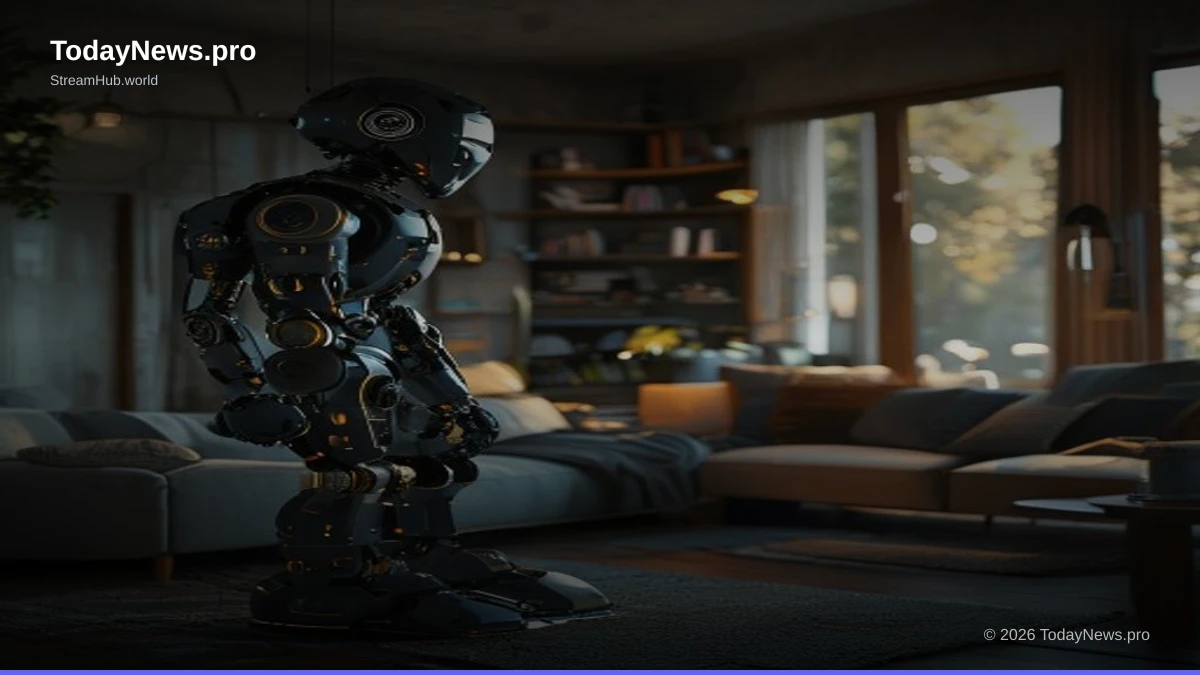
By 2030, an estimated 50% of households globally will own at least one service robot, marking a profound shift in how we manage our domestic lives.
The Dawn of the Domestic Automaton
For decades, the notion of robots in the home remained firmly in the realm of science fiction. Visions of metallic companions assisting with chores or engaging in conversation were the stuff of futuristic fantasies. However, this narrative is rapidly transforming into tangible reality. The seeds of this revolution were sown with the advent of increasingly sophisticated microprocessors, advanced sensor technology, and the relentless pursuit of artificial intelligence. Early iterations, often rudimentary and specialized, began to appear in the late 20th century, primarily focused on single tasks. Think of the early automated pool cleaners or the pioneering robotic lawnmowers that, while impressive for their time, lacked the intelligence and versatility we associate with modern robotics.
The true acceleration of domestic robotics began in the early 21st century. The critical breakthrough wasn't just about building more complex machines, but about making them more accessible, affordable, and, crucially, more useful. Consumer-grade robots started to shed their niche status, migrating from high-end enthusiast markets to mainstream households. This accessibility was fueled by a confluence of factors: miniaturization of components, advancements in battery technology allowing for longer operational times, and the development of intuitive user interfaces, often leveraging voice commands and mobile applications. The early successes, particularly in the realm of automated cleaning, served as a vital stepping stone, demonstrating the practical benefits of robotic assistance and building consumer confidence for more advanced applications to follow.
The evolution from simple automated devices to truly intelligent home assistants is a testament to the rapid progress in fields like machine learning and computer vision. These technologies enable robots to perceive their environment, learn from their interactions, and adapt their behavior. This learning capability is what distinguishes a modern domestic robot from its simpler predecessors. Instead of executing a pre-programmed sequence, a contemporary robot can identify obstacles, understand spatial layouts, and even recognize individuals. This adaptability is paramount for seamless integration into the dynamic and often unpredictable environment of a human home, moving beyond mere automation to a more nuanced form of assistance.
Early Pioneers and the Quest for Automation
The earliest forms of domestic automation were less about intelligent robots and more about dedicated appliances. The automatic washing machine and dishwasher, while not exhibiting artificial intelligence, represented a significant step in offloading manual labor. However, the true genesis of the domestic robot as a mobile, intelligent entity can be traced to research labs in the 1970s and 1980s. These early prototypes, often bulky and experimental, explored concepts like autonomous navigation and basic object manipulation. The Shakey the robot, developed at Stanford Research Institute in the late 1960s, is often cited as a foundational figure, demonstrating early capabilities in sensing, reasoning, and acting in a controlled environment.
The commercialization of these concepts faced numerous hurdles, including cost, reliability, and consumer acceptance. However, the development of technologies like lidar and advanced visual processing began to pave the way for more practical applications. The emergence of robotic vacuum cleaners, such as the Roomba, launched in 2002 by iRobot, marked a watershed moment. This device, while limited in its functionality compared to today's robots, proved that consumers were ready to embrace automated solutions for household chores. Its success demonstrated a market demand and encouraged further investment and innovation in the burgeoning field of domestic robotics.
The Rise of AI and Machine Learning
The integration of Artificial Intelligence (AI) and Machine Learning (ML) has been the most transformative force in the evolution of domestic robots. AI enables robots to process information, make decisions, and learn from experience, moving them from mere tools to more sophisticated assistants. Machine learning algorithms allow these robots to improve their performance over time without explicit reprogramming. For instance, a robotic vacuum cleaner can learn the most efficient cleaning paths for a specific home layout, or a companion robot can learn a user's preferences for music or news. This learning capability is essential for robots to adapt to the unique and ever-changing environments of our homes, offering a personalized and increasingly effective level of support.
Natural Language Processing (NLP) has also played a pivotal role, enabling seamless human-robot interaction through voice commands. This development has significantly lowered the barrier to entry for using robotic devices, making them more intuitive and accessible to a wider range of users. The ability to simply speak to a device and have it understand and respond has made robots feel less like complex machinery and more like helpful companions. This conversational interface is critical for the widespread adoption of more advanced domestic robots, fostering a sense of ease and familiarity with these new technologies.
Beyond the Vacuum: A Spectrum of Robotic Assistance
The initial wave of domestic robots largely focused on cleaning, with robotic vacuum cleaners becoming a common sight in many households. However, the capabilities of these machines have expanded dramatically. Today's domestic robots are venturing into diverse areas, from companionship and security to gardening and even elder care. This diversification reflects a growing understanding of the multifaceted needs within a modern home and the potential for robotic solutions to address them. The market is no longer limited to devices that simply navigate and clean floors; it now encompasses a broad spectrum of specialized and multi-functional robots designed to enhance various aspects of domestic life.
The development of more advanced manipulators and dexterity is opening up new frontiers. Robots are now being designed with arms and grippers capable of performing more complex tasks, such as picking up objects, sorting laundry, or even assisting with meal preparation. This level of physical interaction was once considered a distant aspiration but is now becoming a reality, albeit still in its nascent stages for widespread consumer adoption. The progress in dexterity is directly tied to breakthroughs in sensor fusion, delicate motor control, and sophisticated AI algorithms that allow for fine-tuned movements and precise object handling.
Companion and Social Robots
One of the most intriguing areas of domestic robotics is the development of companion and social robots. These machines are designed not just to perform tasks but also to provide emotional support and interaction. Devices like Sony's Aibo, a robotic dog, or Jibo, a social robot designed for families, aim to offer a sense of companionship, particularly for individuals who may be living alone or experiencing social isolation. These robots can engage in conversations, play games, and even express rudimentary emotions, creating a bond with their users. The ethical considerations surrounding human-robot emotional attachment are significant, but the potential benefits for mental well-being, especially for the elderly, are undeniable.
The functionality of these social robots extends beyond simple entertainment. They can be programmed to remind users to take medication, monitor their activity levels, and even alert emergency services if a fall is detected. This dual role as a companion and a caregiver highlights the evolving definition of what a domestic robot can be. As AI becomes more sophisticated, these robots are expected to develop more nuanced personalities and respond more empathetically to human emotions, further blurring the lines between artificial and emotional interaction.
Security and Surveillance Robots
Home security is another domain where robots are making significant inroads. Autonomous security robots can patrol the perimeter of a property, detect unusual activity, and alert homeowners or security services. Equipped with cameras, motion sensors, and sometimes even facial recognition technology, these robots offer a proactive and mobile approach to home protection. Unlike fixed security cameras, a robotic unit can dynamically respond to potential threats, follow suspicious individuals, and provide real-time visual evidence. This mobility and intelligence offer a distinct advantage in deterring intruders and providing a more comprehensive security solution.
Furthermore, the integration of these security robots with broader smart home systems allows for coordinated responses. For example, if a security robot detects an intruder, it could trigger alarms, turn on exterior lights, and lock down access points. The data collected by these robots, such as visual feeds and movement patterns, can be crucial for law enforcement investigations. As the technology advances, we can expect to see robots with enhanced sensory capabilities, including thermal imaging and sound detection, further bolstering their effectiveness in safeguarding our homes.
Robots in the Garden and Beyond
The outdoors is also becoming a domain for domestic robots. Robotic lawnmowers, now more sophisticated and autonomous than their predecessors, can maintain lawns with minimal human intervention, adapting to different terrains and weather conditions. Beyond lawn care, concepts are emerging for robots that can assist with gardening tasks such as planting, weeding, and even harvesting. These 'agribots' for the home could revolutionize urban gardening and vertical farming, making it easier for individuals to cultivate their own food. The precision offered by robotic arms and specialized tools allows for tasks that require intricate manipulation, which are often tedious for humans.
The potential applications are vast. Imagine a robot that can monitor soil moisture and automatically water specific plants, or one that can identify and remove pests without the need for harmful chemicals. This level of precise environmental control and intervention is a significant step towards a more sustainable and efficient domestic ecosystem. As sensors become more advanced and robotic manipulators become more dexterous, the scope for outdoor domestic robotics will continue to expand, transforming how we interact with our gardens and green spaces.
The Smart Home Ecosystem: Orchestrating the Future
The true power of domestic robots is unlocked when they are integrated into a broader smart home ecosystem. A smart home is a network of interconnected devices and appliances that can communicate with each other and be controlled remotely, often through a central hub or a mobile application. When robots become part of this network, they can collaborate with other devices, creating a more automated and responsive living environment. For instance, a robot vacuum cleaner could be programmed to start cleaning only after the smart home system detects that everyone has left the house, or a security robot could work in conjunction with smart locks and lighting systems to deter potential intruders.
This interoperability is key to moving beyond isolated robotic functionalities to a truly cohesive and intelligent home. The development of standardized communication protocols and open APIs is crucial for enabling seamless integration between robots from different manufacturers and other smart home devices. The vision is a home where every device, including robots, works in concert to optimize comfort, security, and efficiency, anticipating the needs of its inhabitants.
Interconnectivity and Centralized Control
The concept of a centralized control system, whether it's a dedicated smart home hub or a cloud-based platform, is fundamental to the orchestration of domestic robots. This central brain allows users to manage all their connected devices, including robots, from a single interface. Voice assistants like Amazon Alexa, Google Assistant, and Apple's Siri have become de facto control points for many smart homes, enabling users to issue commands to their robots through natural language. This seamless integration of voice control with robotic functionality is a cornerstone of the modern smart home experience, making complex technology feel effortlessly accessible.
The ability to create custom routines and automations further enhances this control. Users can set up schedules for their robots, trigger actions based on specific events (e.g., "when I leave home, start the robot vacuum"), or even create complex scenarios involving multiple devices. This level of customization empowers homeowners to tailor their smart home and robotic systems to their unique lifestyles and preferences, transforming their living spaces into dynamic, responsive environments.
Data Exchange and Learning Networks
The interconnected nature of smart homes facilitates a continuous flow of data between various devices, including robots. This data exchange is not just for operational purposes; it also fuels the learning capabilities of AI-powered robots. For example, a robot vacuum cleaner could share data on floor conditions with a smart air purifier, allowing the purifier to adjust its settings for optimal air quality. Over time, the collective data gathered from multiple robots and devices within a home can create a rich profile of the household's activity patterns, preferences, and needs, enabling the entire system to become more predictive and adaptive.
This learning network extends beyond a single home. Aggregated, anonymized data from millions of smart homes can be used to train AI models, leading to improvements in robot performance, efficiency, and new feature development. This collective intelligence allows manufacturers to refine their products based on real-world usage, ultimately benefiting all users. However, the privacy implications of such extensive data collection are a significant concern that needs careful consideration and robust security measures.
Economic and Social Implications: Shifting the Landscape
The proliferation of robots in the home has far-reaching economic and social implications, touching upon labor markets, household economies, and societal norms. Economically, the growth of the domestic robotics industry represents a significant new market, driving innovation, job creation in manufacturing, software development, and maintenance. Simultaneously, it raises questions about the future of certain service industries and the potential for increased automation to displace human workers in roles such as cleaning, elder care assistance, and even basic concierge services within residential complexes. The economic calculus involves not only the cost of the robots themselves but also their long-term impact on household budgets and the broader economy.
Socially, the integration of robots into our homes could redefine domestic labor, leisure time, and human interaction. As robots take on more chores, individuals might find themselves with more time for personal pursuits, education, or social engagement. However, it also prompts reflection on the value we place on human labor and the potential for increased reliance on technology to create new forms of social dynamics, including the potential for greater isolation if not managed thoughtfully. The societal shift is subtle yet profound, altering our daily routines and our relationships with both technology and each other.
Impact on the Labor Market
The impact of domestic robots on the labor market is a subject of intense debate. While some jobs, particularly those involving repetitive manual tasks, may be at risk of automation, new roles are emerging. The design, manufacturing, programming, maintenance, and repair of these robots create new employment opportunities. Furthermore, the increased efficiency and productivity brought about by domestic robots could stimulate economic growth, leading to job creation in other sectors. The challenge lies in managing this transition effectively, ensuring that workers have the skills and training necessary to adapt to the evolving job landscape.
Consider the domestic cleaning industry. As robotic vacuums and mops become more capable, the demand for human cleaners for routine tasks might decrease. However, there will likely remain a demand for specialized cleaning services, deep cleaning, and tasks that robots are not yet equipped to handle. Similarly, in elder care, robots can assist with monitoring and providing basic physical support, but the need for human companionship, emotional support, and complex medical care will persist. The net effect on employment will depend on the pace of technological adoption, government policies, and the adaptability of the workforce.
Redefining Domestic Labor and Leisure
The introduction of robots into the home fundamentally alters the landscape of domestic labor. Chores that once consumed significant amounts of time and energy can now be delegated to machines. This frees up individuals to pursue other activities, such as hobbies, continuing education, or spending more quality time with family and friends. The concept of "free time" is being redefined as technology takes on more of the mundane tasks that previously occupied our schedules. This could lead to a society where individuals have greater autonomy over how they spend their time, fostering personal growth and well-being.
However, this shift also raises questions about the perceived value of domestic work and the potential for a widening gap between those who can afford robotic assistance and those who cannot. It also prompts a societal discussion about whether increased leisure time will be used productively or lead to new forms of ennui. The historical context of technological advancements shows that while they often increase efficiency, their societal impact is complex and multifaceted, leading to both opportunities and challenges in how we structure our lives.
Challenges and Ethical Considerations: Navigating the Uncharted Waters
Despite the immense promise of domestic robots, their widespread adoption is not without its challenges and ethical considerations. Security vulnerabilities, privacy concerns, and the potential for over-reliance on technology are significant hurdles that need to be addressed. As robots become more sophisticated and collect more data about our lives, ensuring the security of this information becomes paramount. A compromised domestic robot could provide unauthorized access to a home, leading to theft or other security breaches. The ethical implications of machines learning about our most intimate habits and routines also require careful consideration and robust regulatory frameworks.
Furthermore, the increasing integration of robots into our daily lives raises questions about human autonomy and the potential for technology to diminish our own capabilities. While robots can assist, an over-dependence on them might lead to a decline in essential life skills. The societal impact of this dependence, particularly on younger generations, needs to be monitored and managed proactively. Striking a balance between leveraging technological assistance and maintaining human agency is crucial for a healthy integration of robotics into domestic life.
Privacy and Data Security
The most pressing concern surrounding domestic robots is the issue of privacy. These devices are equipped with sensors, cameras, and microphones that collect vast amounts of data about their surroundings and the people within them. This data can include personal conversations, daily routines, and even sensitive information about a household's occupants. Ensuring that this data is collected, stored, and transmitted securely is of paramount importance. Robust encryption, secure authentication protocols, and clear data usage policies are essential to protect user privacy from unauthorized access, data breaches, and potential misuse.
The question of who owns this data and how it can be used is also a critical ethical dilemma. Manufacturers must be transparent about their data collection practices and provide users with meaningful control over their personal information. The development of clear regulations and industry standards for data privacy in the context of domestic robotics is urgently needed to build consumer trust and ensure responsible innovation. The Electronic Frontier Foundation has been a vocal advocate for stronger IoT privacy protections, a cause that directly impacts domestic robotics. The potential for this data to be used for targeted advertising or even surveillance by third parties necessitates stringent oversight and user consent.
The Risk of Over-Reliance and Deskilling
As robots become more adept at performing household tasks, there is a tangible risk of human over-reliance and subsequent deskilling. If children grow up with robots handling most chores, they may not develop essential life skills like cooking, cleaning, or basic maintenance. Similarly, adults might become less adept at problem-solving when faced with domestic challenges if they habitually turn to robotic assistance. This potential deskilling could have long-term consequences for individual self-sufficiency and the overall resilience of households.
Finding a balance is key. Robots should be viewed as tools that augment human capabilities, not replace them entirely. Educational initiatives that emphasize the importance of maintaining essential life skills, even in a technologically advanced environment, will be crucial. Furthermore, the design of robots could incorporate features that encourage user participation and learning, rather than promoting passive consumption of automated services. The goal is to enhance our lives, not to diminish our own inherent capabilities and resourcefulness.
Ethical Dilemmas in Human-Robot Interaction
The increasing sophistication of social robots introduces complex ethical dilemmas, particularly concerning emotional attachment and the potential for manipulation. As robots become more adept at simulating empathy and providing companionship, users may develop genuine emotional bonds with them. This raises questions about the nature of these relationships and the potential psychological impact on individuals, especially vulnerable populations like children or the elderly. Is it ethical to create machines that can mimic emotional connection without truly feeling it?
Furthermore, the potential for robots to be programmed with persuasive capabilities, even unintentionally, is a concern. If a robot is designed to encourage certain behaviors or purchases, it could be seen as a form of manipulation. Establishing clear ethical guidelines for the design and deployment of social robots, with a focus on transparency, user well-being, and the preservation of genuine human connection, is a critical undertaking. The Asimov's laws of robotics, while fictional, highlight the enduring philosophical questions surrounding human-robot ethics. Real-world regulations need to address these nuanced interactions.
The Road Ahead: Augmenting Human Capabilities, Not Replacing Them
The trajectory of domestic robotics points towards a future where these machines are not merely tools but integral members of the household, seamlessly assisting with a wide array of tasks. The current advancements in AI, sensor technology, and robotics engineering are rapidly pushing the boundaries of what is possible. We are moving towards a paradigm where robots can understand complex commands, adapt to changing environments, and even anticipate our needs. The focus is increasingly on creating robots that can learn and evolve alongside us, becoming more intuitive and helpful over time. This evolution promises to enhance our quality of life, increase efficiency, and provide new forms of support and companionship.
The key to a successful integration lies in a human-centric approach to design and deployment. Robots should be developed with the primary goal of augmenting human capabilities, enabling us to do more, live better, and focus on what truly matters. This means designing robots that are intuitive to use, safe, secure, and ethically sound. The future of domestic robotics is not about replacing human interaction or agency, but about creating a harmonious partnership between humans and machines, leading to more comfortable, efficient, and fulfilling lives. As technology continues to advance, the definition of a "home" will undoubtedly evolve to encompass these sophisticated robotic inhabitants.
Future Innovations and Emerging Trends
The future of domestic robotics is poised for rapid innovation. We can anticipate robots with enhanced dexterity, capable of performing delicate tasks like folding laundry or preparing simple meals. Advanced AI will enable robots to understand context and nuance in human communication, leading to more natural and intuitive interactions. The integration of robotics with virtual and augmented reality could create new ways of interacting with our homes and robots, perhaps allowing us to remotely guide a robot or experience its environment through a virtual interface. Reuters Technology frequently covers emerging trends in robotics, highlighting advancements in areas like swarm robotics for household tasks or robots with integrated emotional intelligence.
Furthermore, the concept of personalized robotics will likely gain traction. Robots will be increasingly customizable, adapting their form and function to suit individual needs and preferences. This could lead to a new generation of domestic robots that are not only highly functional but also aesthetically pleasing and emotionally engaging. The miniaturization of components and improvements in energy efficiency will also enable robots to operate for longer periods and in more diverse environments within the home, further expanding their utility. We may also see a rise in modular robotic systems that can be reconfigured for different tasks, offering greater flexibility and value.
The Collaborative Human-Robot Future
The ultimate vision for domestic robotics is one of collaboration, where humans and robots work together to create more efficient, comfortable, and supportive living environments. Instead of envisioning robots as autonomous entities that operate independently, the future lies in their ability to integrate seamlessly into our lives, acting as partners. This collaborative approach means robots will not only perform tasks but also learn from human feedback, adapt to our routines, and proactively offer assistance. Imagine a robot that learns your cooking preferences and suggests recipes, or one that can anticipate your need for a cup of coffee based on your morning routine.
This collaborative future requires a continued focus on user-friendly interfaces, robust safety features, and ethical considerations. The goal is to enhance human capabilities and well-being, allowing us to focus on more creative, intellectual, and social pursuits. The success of this vision hinges on our ability to design and implement robots that are not only technologically advanced but also socially and ethically responsible, fostering a positive and productive relationship between humans and their automated domestic companions. This symbiotic relationship promises to redefine our understanding of home and the role of technology within it.