

 Robert Stark
⏱ 25 min
Global shipments of service robots for personal and domestic use are projected to reach 13.9 million units by 2026, a significant leap from 7.8 million units in 2022, signaling a fundamental shift in how we live and interact with technology.
The Dawn of the Domestic Automaton
For decades, the concept of a robot residing in our homes was confined to the realms of science fiction. Characters like Rosie the Robot from "The Jetsons" or R2-D2 from "Star Wars" captivated imaginations, offering glimpses into a future where machines could assist with mundane chores and even provide companionship. While these early visions were fantastical, they laid the groundwork for a burgeoning industry that is now rapidly transforming from a futuristic dream into a tangible reality. The initial steps into domestic robotics were tentative, often involving simple automated vacuum cleaners or toys. However, the convergence of advancements in artificial intelligence, sensor technology, and miniaturization has accelerated the development of robots capable of far more sophisticated interactions and tasks. This evolution signifies a profound change in our relationship with automation, moving beyond industrial applications to embrace the very heart of our domestic lives. The integration of these machines is not merely about convenience; it is about reshaping our daily routines, our social connections, and even our understanding of care.From Novelty to Necessity: The Evolution of Personal Robots
The journey of personal robots from niche curiosities to increasingly indispensable household members has been marked by several key evolutionary stages. Early iterations were largely limited to single-function devices, epitomized by robotic vacuum cleaners like the Roomba, which, upon its introduction in 2002, was considered a groundbreaking innovation. These machines offered a taste of automated convenience, freeing up human time from repetitive tasks. As technology matured, so did the capabilities of these domestic assistants. The second wave saw the emergence of more interactive devices, such as smart speakers like Amazon's Echo and Google Home, which, while not strictly robots in the physical sense, introduced voice-activated AI into the home, paving the way for more sophisticated human-robot interaction. These devices demonstrated the public's growing comfort with AI-powered interfaces and the desire for seamless integration of technology into daily life. Concurrently, early attempts at more anthropomorphic or task-oriented robots began to appear, often in the form of educational toys or specialized assistants for individuals with specific needs. This period was characterized by a transition from mere automation to a nascent form of intelligent assistance. The current era represents a significant leap, with robots increasingly embodying a blend of mobility, advanced AI, and multi-functionality. Companies are investing heavily in developing robots that can navigate complex home environments, understand nuanced commands, and perform a growing array of tasks. This evolution is driven by a desire to not only automate chores but also to provide companionship, security, and enhanced quality of life for a diverse range of users. The progression from simple cleaning tools to sophisticated, learning machines underscores the accelerating pace of innovation in this field.The Multifaceted Roles of Todays Personal Robots
The utility of personal robots in the modern smart home is rapidly expanding, transcending their initial roles as mere automated helpers. They are increasingly taking on specialized functions that enhance our lives in significant ways, from providing emotional support to ensuring the safety and efficiency of our living spaces.Companionship and Social Interaction
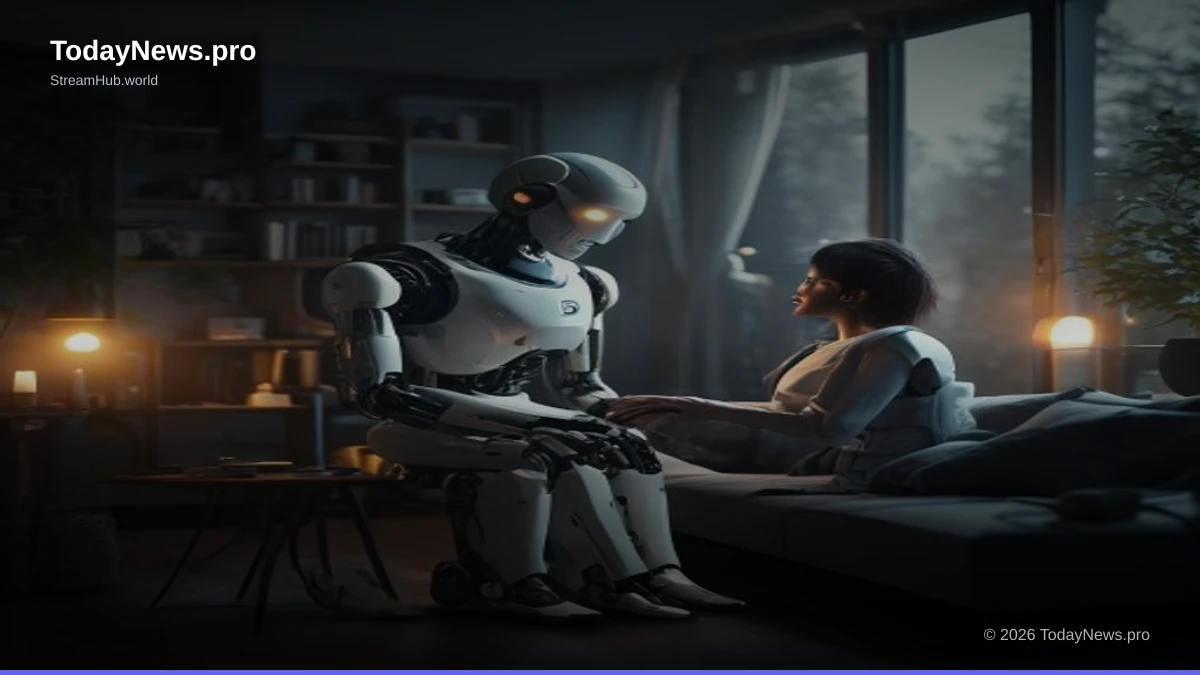
One of the most compelling applications of personal robots is in providing companionship, particularly for individuals who may experience loneliness or social isolation. Robots like Paro, a therapeutic seal robot, have been used in healthcare settings to provide comfort and reduce stress for patients. More advanced domestic robots are being developed with sophisticated AI that allows them to engage in conversations, learn user preferences, and even display emotional responses. These robots can serve as conversational partners, offering a sense of presence and interaction for the elderly, those living alone, or individuals with social anxieties. The ability of these robots to remember past interactions and adapt their communication style fosters a deeper sense of connection. While not a replacement for human interaction, they can serve as a valuable supplement, offering consistent and non-judgmental engagement.Assistance and Accessibility
For individuals with disabilities or those facing mobility challenges, personal robots offer a pathway to greater independence and enhanced quality of life. Robots can be programmed to perform tasks that may be difficult or impossible for their human counterparts, such as fetching objects, assisting with medication reminders, or even helping with simple household chores. Some advanced robots are being designed to act as mobile assistants, capable of navigating the home and responding to voice commands to retrieve items or provide physical support. This level of assistance can significantly reduce the reliance on human caregivers, empowering individuals to maintain a higher degree of autonomy within their own homes. The development of robots with dexterous manipulators and sophisticated navigation systems is crucial in this domain, enabling them to perform a wider range of physical tasks.Home Management and Security
Beyond personal interaction and assistance, robots are becoming integral to the efficient management and security of the smart home. They can monitor environmental conditions, such as temperature and air quality, and adjust smart home devices accordingly. For security, robots equipped with cameras and sensors can patrol the home, detect unusual activity, and alert homeowners or authorities to potential threats. Some advanced models can even differentiate between pets and intruders, reducing false alarms. Their mobility allows them to cover areas that fixed security cameras might miss, offering a dynamic layer of protection. Furthermore, robots can assist with inventory management, reminding users when supplies are running low or even placing online orders.| Function Category | Examples of Tasks | Primary Benefit |
|---|---|---|
| Companionship | Conversational interaction, emotional support, activity reminders | Reduced loneliness, enhanced mental well-being |
| Assistance | Fetching items, medication management, mobility support | Increased independence, improved quality of life |
| Home Management | Environmental monitoring, inventory tracking, task automation | Increased efficiency, convenience, energy savings |
| Security | Patrol, anomaly detection, intrusion alerts | Enhanced safety and peace of mind |
The Technology Under the Hood: AI, Sensors, and Connectivity
The sophisticated capabilities of modern personal robots are underpinned by a complex interplay of advanced technologies, with artificial intelligence, sophisticated sensor arrays, and seamless connectivity being the cornerstones of their functionality.Artificial Intelligence and Machine Learning
At the heart of every intelligent personal robot lies a powerful AI engine. Machine learning algorithms enable these robots to learn from their environment and user interactions, continuously improving their performance over time. This learning capability allows them to recognize faces, understand natural language commands, predict user needs, and adapt their behavior to specific situations. For instance, a robot might learn a user's daily routine to proactively offer assistance or adjust lighting and temperature settings. The development of sophisticated natural language processing (NLP) is crucial, allowing robots to interpret human speech with increasing accuracy, even in noisy or complex environments. This enables more intuitive and natural communication between humans and machines.Advanced Sensor Suites
To perceive and interact with their surroundings, personal robots are equipped with a diverse range of sensors. These include cameras for visual recognition and navigation, microphones for auditory input and voice command recognition, lidar and sonar for distance measurement and obstacle avoidance, and tactile sensors for interacting with objects. The fusion of data from these various sensors allows the robot to build a comprehensive model of its environment, enabling it to navigate safely, identify objects, and respond appropriately to its surroundings. This sensory input is critical for tasks ranging from autonomous navigation through cluttered living rooms to the delicate manipulation of objects.The Role of the Smart Home Ecosystem
Personal robots are not standalone entities; they are increasingly designed to be integral components of the broader smart home ecosystem. This means they can communicate with and control other connected devices, such as smart lights, thermostats, locks, and entertainment systems. This interoperability allows for more sophisticated automation scenarios. For example, a robot could be programmed to turn off all lights and lock the doors when it detects that all occupants have left the house, or to start brewing coffee when it senses the user waking up. The standardization of smart home protocols is crucial for ensuring seamless integration and maximizing the potential of these robotic assistants. The future envisions robots acting as central hubs, orchestrating the various functions of a smart home.Robot Sensor Data Integration
The Market Landscape and Key Players
The burgeoning personal robotics market is characterized by intense competition and significant investment from both established tech giants and innovative startups. Companies are vying to capture market share by offering a diverse range of products, from affordable robotic companions to sophisticated eldercare assistants. Major technology companies such as Amazon, Google, and Samsung are actively investing in R&D, leveraging their expertise in AI, cloud computing, and hardware development. Startups are often at the forefront of innovation, introducing novel designs and specialized functionalities. For instance, SoftBank Robotics, with its Pepper and Nao robots, has been a pioneer in social robotics, while companies like Amazon are exploring advanced home-monitoring robots like Astro. The competitive landscape is driving rapid technological advancement and a diversification of product offerings, catering to various consumer needs and price points.$12.7 Billion
Global Personal Robot Market (2023 Estimate)
25%
Projected CAGR (2024-2029)
75%
Market Dominated by Developed Economies
"The integration of AI and advanced robotics into our homes is not a question of 'if,' but 'when' and 'how.' We are witnessing a paradigm shift where machines are becoming active participants in our daily lives, offering unprecedented levels of support and companionship. The ethical implications, however, must be carefully considered as we navigate this new frontier." — Dr. Anya Sharma, Lead AI Ethicist at the Global Robotics Institute
Challenges and Ethical Considerations
Despite the immense promise of personal robots, their widespread adoption is accompanied by significant challenges and complex ethical considerations that require careful navigation.Privacy and Data Security
As robots become more integrated into our homes, they collect vast amounts of personal data, including conversations, daily routines, and even sensitive health information. Ensuring the privacy and security of this data is paramount. Robust encryption, secure data storage, and transparent data usage policies are essential to prevent unauthorized access or misuse. The potential for these robots to become surveillance devices, either intentionally or through security breaches, raises serious privacy concerns for individuals and households. Establishing clear regulations and industry standards for data handling is a critical step in building public trust. The recent news surrounding data breaches in the smart home sector highlights the urgent need for enhanced cybersecurity measures in robotic devices. For more on data privacy, see Wikipedia's Data Privacy page.Job Displacement and Economic Impact
The increasing automation of tasks previously performed by humans, particularly in areas like domestic assistance and caregiving, raises concerns about job displacement. While new jobs in robot development, maintenance, and oversight will emerge, there is a potential for significant disruption in certain sectors. Societal preparedness, including retraining programs and the exploration of new economic models, will be crucial to mitigate the negative impacts of this technological shift. The economic implications extend beyond individual job losses to broader societal structures and the distribution of wealth.The Uncanny Valley and Human Acceptance
A persistent challenge in the development of human-like robots is the "uncanny valley" phenomenon. This refers to the point where robots become so lifelike that they evoke feelings of unease or revulsion rather than empathy. Overcoming this psychological barrier is crucial for widespread acceptance, especially for robots designed for social interaction or caregiving. Designing robots that are perceived as helpful and friendly, rather than eerie or threatening, requires careful consideration of their appearance, movement, and interaction style. Ultimately, user comfort and trust are key drivers of adoption."The ethical framework for personal robotics must evolve alongside the technology. We need proactive discussions about accountability, bias in AI, and the long-term societal impact. Ignoring these issues now will only lead to greater challenges down the line. Collaboration between technologists, ethicists, policymakers, and the public is essential." — Professor Jian Li, Director of the Center for Human-Robot Interaction Studies
The Future Trajectory: Towards Ubiquitous Robotic Integration
The trajectory of personal robots points towards an increasingly integrated and indispensable role within our daily lives. The future will likely see robots becoming more sophisticated, intuitive, and seamlessly woven into the fabric of our homes. Advances in AI will lead to robots that can anticipate our needs with even greater accuracy, offering proactive assistance rather than reactive responses. We can expect robots to become more adept at complex tasks, moving beyond simple chores to assisting with creative endeavors or personalized learning experiences. The convergence of robotics, AI, and the Internet of Things (IoT) will create truly intelligent environments where robots act as central orchestrators, managing everything from home security and energy consumption to personalized health and well-being. The development of modular and adaptable robotic platforms will also allow for greater customization, enabling robots to evolve with the changing needs of their owners. Furthermore, the focus will shift towards greater personalization and emotional intelligence. Robots will become better at understanding and responding to human emotions, fostering deeper connections and providing more nuanced companionship. This will be particularly impactful in eldercare and mental health support. The development of robots capable of complex social interaction and empathy will redefine our understanding of artificial companionship. The market will likely see a bifurcation, with highly specialized robots for specific tasks and more general-purpose robots capable of a wide range of functions. The continuous miniaturization and cost reduction of components will also make advanced robotic capabilities more accessible to a wider demographic. The long-term vision involves robots that are not just tools but trusted partners, enhancing human capabilities and enriching our lives in profound ways. As we move forward, the responsible development and ethical deployment of these technologies will be paramount to realizing their full potential for the benefit of humanity. The journey from science fiction to domestic reality is well underway, and the coming decades promise to redefine what it means to live in a smart home. For a broader perspective on robotics, consult Reuters' technology coverage on robots.What is the main difference between a smart speaker and a personal robot?
While smart speakers like Amazon Echo are voice-activated AI interfaces, personal robots are physical machines with mobility and the ability to interact with the physical environment. Robots can perform physical tasks, navigate spaces, and manipulate objects, whereas smart speakers are primarily limited to information retrieval and control of other smart devices.
Will personal robots take away all our jobs?
While automation will undoubtedly transform the job market, it is unlikely to eliminate all jobs. New roles in robot development, maintenance, programming, and oversight will emerge. The key will be adapting to these changes through education and retraining to ensure a smooth transition and mitigate widespread unemployment.
Are personal robots safe for children?
Many personal robots are designed with safety in mind and can be beneficial for children's education and entertainment. However, it is crucial for parents to supervise interactions, especially with younger children, and to ensure that the robot's programming and data handling practices are secure and age-appropriate. Always consult product specifications and reviews.
How are personal robots addressing privacy concerns?
Manufacturers are increasingly implementing robust security measures such as end-to-end encryption, secure cloud storage, and strict access controls. Transparency in data collection and usage policies is also becoming more common. However, ongoing vigilance and robust regulatory frameworks are essential to fully address these concerns.