

 Peter Warren

⏱ 15 min
The global esports market is projected to reach $2.26 billion by the end of 2024, a staggering figure that underscores its meteoric rise from a niche hobby to a mainstream entertainment phenomenon.
The Unstoppable Ascent: From Pixels to Powerhouses
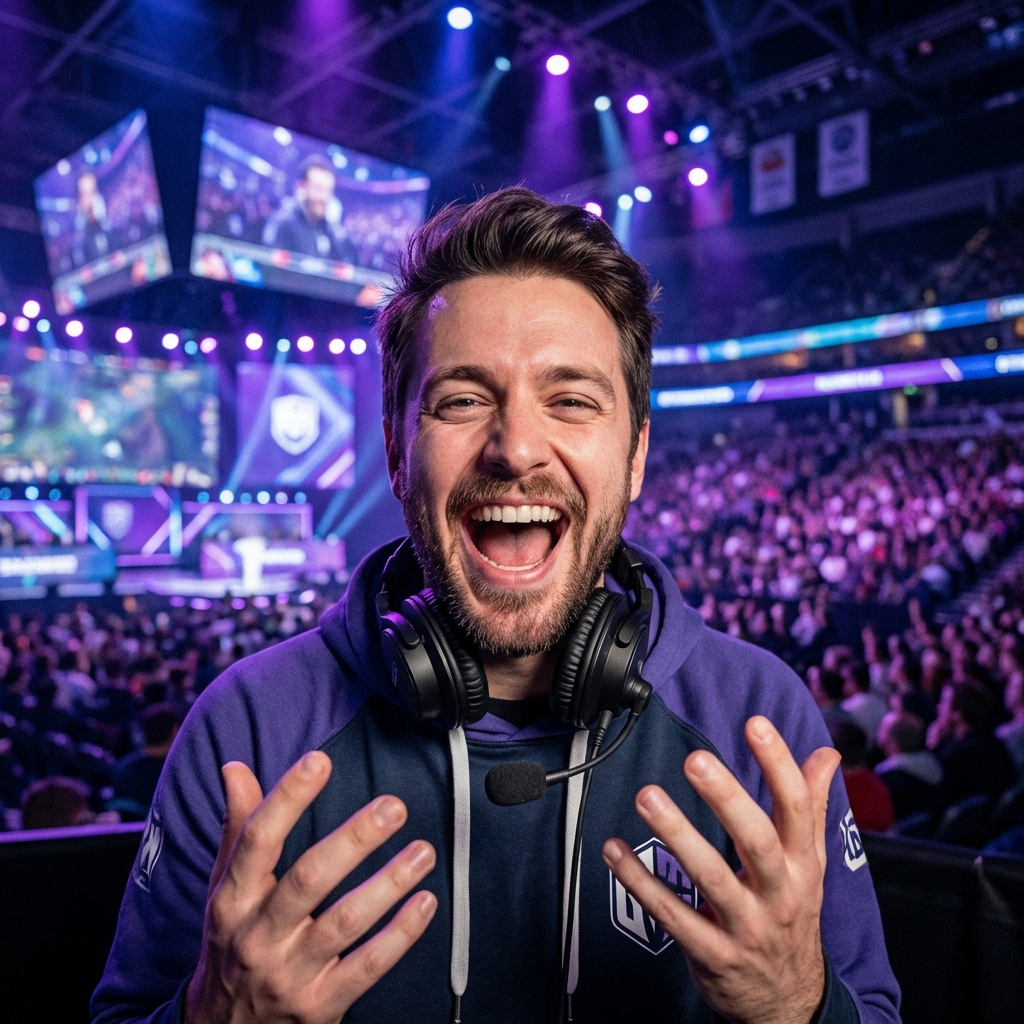
Once relegated to dimly lit basements and LAN parties, competitive video gaming, or esports, has transcended its humble beginnings to become a global spectacle. Millions tune in to watch professional gamers battle it out in virtual arenas, filling stadiums and generating revenue streams that rival traditional sports. This transformation is not merely a fad; it's a fundamental shift in entertainment consumption, driven by technological advancement, demographic changes, and a passionate, interconnected community. The sheer scale of investment, viewership, and professionalization now places esports firmly on the global economic and cultural map, demanding serious analysis from industry leaders and casual observers alike.A New Frontier of Entertainment
Esports offers a unique blend of skill, strategy, and entertainment that resonates with a digital-native generation. Unlike traditional sports, esports are born from and thrive within the digital realm, leveraging the accessibility and interactivity of online platforms. This allows for a level of global reach and engagement that is unprecedented, connecting players and fans across continents in real-time. The narratives that unfold in esports are often as compelling as those in any athletic competition, driven by individual prowess, team synergy, and the ever-present drama of victory and defeat.Demographic Shifts and Digital Natives
The rise of esports is intrinsically linked to the demographic evolution of entertainment consumption. Younger generations, having grown up with video games as a primary form of recreation and social interaction, are driving this shift. They are digital natives who are comfortable with and actively seek out online content, making esports a natural extension of their existing interests. This audience is not just passive viewers; they are active participants, streamers, and creators, forming a vibrant and self-sustaining ecosystem.The Genesis of a Giant: Early Days and Digital Roots
The seeds of esports were sown decades ago, long before the term "esports" was even coined. Early arcade games like "Space Invaders" and "Pac-Man" fostered competitive play, with high-score competitions becoming the first informal tournaments. The advent of home consoles and personal computers in the 1980s and 1990s further fueled this nascent competitive scene. Games like "Doom" and "Quake" on PC platforms introduced network multiplayer, allowing players to compete against each other remotely, laying the groundwork for online esports.The Dawn of Organized Competition
The 1990s saw the first organized tournaments and leagues. The Nintendo World Championships in 1990 were a significant early event, showcasing competitive gaming on a national stage. However, it was the rise of PC gaming and the internet that truly catalyzed esports. Games like "StarCraft: Brood War" in South Korea became a cultural phenomenon, with professional leagues and televised matches drawing massive audiences. This period marked the transition from casual competition to a more structured and professionalized environment.Early Pioneers and Iconic Titles
Several game titles stand out as pioneers of the esports landscape. "StarCraft" is often cited as a foundational game, particularly in South Korea, where it achieved a level of cultural significance akin to major sports. "Counter-Strike," a mod for "Half-Life," introduced a team-based tactical shooter element that became immensely popular and remains a cornerstone of modern esports. The early days were characterized by a DIY spirit, with communities organizing their own events and developing the infrastructure that would eventually support a global industry.The Explosion: Mainstream Recognition and Viral Growth
The 2000s and early 2010s witnessed an exponential surge in esports popularity, largely driven by the proliferation of high-speed internet and streaming platforms. Services like Twitch.tv, launched in 2011, revolutionized how esports content was consumed, allowing anyone with an internet connection to broadcast and watch live gameplay. This accessibility democratized esports viewership, transforming it from an underground interest into a readily available form of entertainment.Streaming Platforms: The Game Changer
Twitch, in particular, became the de facto home for esports content. Its interactive features, such as live chat and viewer donations, fostered a sense of community and direct engagement between players and fans. Major tournaments, once confined to niche websites or infrequent broadcasts, could now reach millions globally in real-time. This accessibility not only grew the audience but also created a feedback loop that encouraged game developers and tournament organizers to invest more heavily in esports.The Power of Viral Moments
Esports is fertile ground for viral content. Incredible plays, dramatic comebacks, and unexpected upsets are constantly shared across social media platforms, introducing new audiences to the excitement of competitive gaming. These viral moments act as powerful marketing tools, drawing in curious viewers who might not otherwise have sought out esports content. The inherent spectator appeal of high-skill gameplay, coupled with the often-dramatic narratives, makes esports perfectly suited for the age of social media.Global Esports Viewership Growth (Millions)
The Business of Bytes: A Billion-Dollar Ecosystem
The economic impact of esports is no longer a theoretical projection; it's a tangible reality. The industry has blossomed into a complex ecosystem encompassing game publishers, tournament organizers, professional teams, sponsors, media rights holders, and an ever-growing legion of fans. This intricate web of stakeholders generates billions of dollars annually through various revenue streams.Revenue Streams and Market Segmentation
Sponsorships are a dominant force, with major global brands from non-endemic sectors like automotive, finance, and consumer goods investing heavily in esports. Media rights, selling broadcast licenses to platforms and broadcasters, are another significant revenue driver. Merchandise sales, ticket sales for live events, in-game purchases that support competitive ecosystems, and advertising on streaming platforms all contribute to the industry's robust financial health.| Revenue Stream | Estimated 2023 Revenue (USD Billions) |
|---|---|
| Sponsorships | $0.95 |
| Media Rights | $0.45 |
| Publisher Fees | $0.30 |
| Merchandise & Tickets | $0.30 |
| Advertising | $0.25 |
| Total Market Revenue | $2.25 |
Investment and Infrastructure
The influx of capital has led to the development of state-of-the-art arenas, sophisticated production facilities, and professional training centers. Venture capital firms and established sports franchises have poured significant investments into esports teams and leagues, recognizing the immense growth potential. This investment is not just about financial returns; it's about building sustainable businesses and professionalizing the industry.250+
Professional Esports Teams
500+
Major Esports Tournaments Annually
100+
Million Dollar Prize Pools
The Professional Player: A New Breed of Athlete
The rise of esports has created a legitimate career path for talented gamers. Professional esports players, often referred to as "pros," dedicate their lives to mastering complex game mechanics, developing intricate strategies, and honing their reflexes. They are akin to traditional athletes, requiring intense training, discipline, and mental fortitude to compete at the highest levels.Training Regimens and Skill Development
A professional esports player's life is far from just playing video games. Their training regimens can be grueling, involving 10-12 hours a day of practice, scrimmages against other professional teams, VOD reviews (video-on-demand analysis of past games), and strategic planning sessions. This rigorous dedication is necessary to maintain peak performance in games that require split-second decision-making and flawless execution.
"The dedication required from top esports athletes mirrors that of any elite traditional athlete. It's not just about reflexes; it's about tactical understanding, team cohesion, and the mental resilience to perform under immense pressure."
— Alex 'Viper' Chen, Head Coach, Nova Esports
Compensation and Career Longevity
Top esports professionals can earn substantial incomes through salaries, prize money winnings, sponsorships, and streaming revenue. While career longevity can be a challenge due to the demanding nature of the profession and the rapid evolution of games, successful players can build lucrative careers. Many transition into coaching, casting (commentary), or management roles after their playing days conclude, ensuring a continued presence within the esports ecosystem. The average salary for a professional esports player in 2023 ranged from $30,000 to $60,000 USD annually, with top-tier players earning significantly more, often exceeding $1 million with prize money and endorsements.The Future is Now: Innovation and Evolution in Esports
The esports industry is in a constant state of flux, driven by technological innovation and the evolving preferences of its audience. The future promises even more immersive experiences, greater accessibility, and a deeper integration with mainstream culture.Emerging Technologies and Platforms
Technologies like virtual reality (VR) and augmented reality (AR) hold immense potential for transforming the esports viewing experience, offering more immersive and interactive ways for fans to engage with the games and players. Cloud gaming services could also democratize access, reducing the need for high-end hardware and making competitive gaming accessible to a broader audience. Blockchain technology is also being explored for its potential in areas like player credential verification and digital asset ownership.Esports in Education and Mainstream Integration
Educational institutions are increasingly recognizing the value of esports, with scholarships, collegiate leagues, and even esports-focused academic programs emerging. This integration into the educational system legitimizes esports as a viable pursuit and provides structured pathways for aspiring players. Furthermore, esports is steadily gaining recognition from traditional sports organizations, with many investing in esports teams or launching their own esports initiatives, blurring the lines between traditional and digital sports.
"We're seeing esports move beyond just entertainment; it's becoming a cultural force that influences education, technology, and even how we define athleticism in the 21st century. The potential for innovation is virtually limitless."
— Dr. Anya Sharma, Digital Media Sociologist
Challenges and Controversies: Navigating the Esports Landscape
Despite its remarkable success, the esports industry faces several significant challenges and controversies that need to be addressed for its continued growth and stability. These include issues of player welfare, integrity, and the potential for market saturation.Player Welfare and Mental Health
The demanding nature of professional esports can take a toll on players' physical and mental well-being. Issues such as burnout, repetitive strain injuries, and the pressure to perform can lead to significant mental health challenges. Addressing these concerns requires robust player support systems, including access to sports psychologists, physical therapists, and fair working conditions. Organizations are increasingly recognizing the importance of player welfare as a critical component of long-term success.Game Integrity and Cheating
Maintaining the integrity of competitive play is paramount. The threat of cheating, whether through unauthorized software, match-fixing, or exploiting game vulnerabilities, can erode trust and damage the reputation of the entire industry. Robust anti-cheat systems, strict regulatory frameworks, and transparent enforcement mechanisms are essential to combat these threats.Market Saturation and Sustainability
As the esports market continues to grow, there is a potential for oversaturation with too many leagues, teams, and events competing for attention and sponsorship dollars. Ensuring the long-term sustainability of the industry requires careful market management, innovative business models, and a focus on delivering high-quality content and experiences to fans.The journey of esports from a niche hobby to a billion-dollar spectacle is a testament to the power of digital innovation and the evolving landscape of entertainment. As technology advances and a new generation of fans and players emerges, esports is poised to continue its trajectory, shaping the future of competition and entertainment for years to come.
For more information on the history of esports, consult Wikipedia's esports page or explore recent industry trends on Reuters' technology section.
What is the difference between gaming and esports?
While all esports are games, not all games are considered esports. Esports specifically refers to competitive, organized video gaming where professional players or teams compete against each other for entertainment, often in front of an audience, and with professional infrastructure like leagues and tournaments. Casual gaming, on the other hand, encompasses playing video games for personal enjoyment without the competitive or professional structure.
How do professional esports players make a living?
Professional esports players earn income through a combination of sources. These typically include team salaries, prize money from tournaments, individual sponsorships and endorsements from brands, and revenue generated from streaming their gameplay on platforms like Twitch.
What are the most popular esports games?
The popularity of esports games can vary by region and genre. However, some of the most consistently popular titles globally include League of Legends (MOBA), Dota 2 (MOBA), Counter-Strike 2 (FPS), Valorant (FPS), and various battle royale games like Fortnite and Apex Legends. Fighting games like Street Fighter and simulation sports games also have dedicated esports scenes.
Are esports considered real sports?
This is a subject of ongoing debate. While esports lack the traditional physical exertion of conventional sports, they demand high levels of cognitive skill, strategic thinking, hand-eye coordination, teamwork, and mental resilience under pressure, qualities often associated with athletic performance. Many now recognize esports as a distinct category of competitive activity, with increasing integration into mainstream sporting discussions and organizations.