

 David Chen
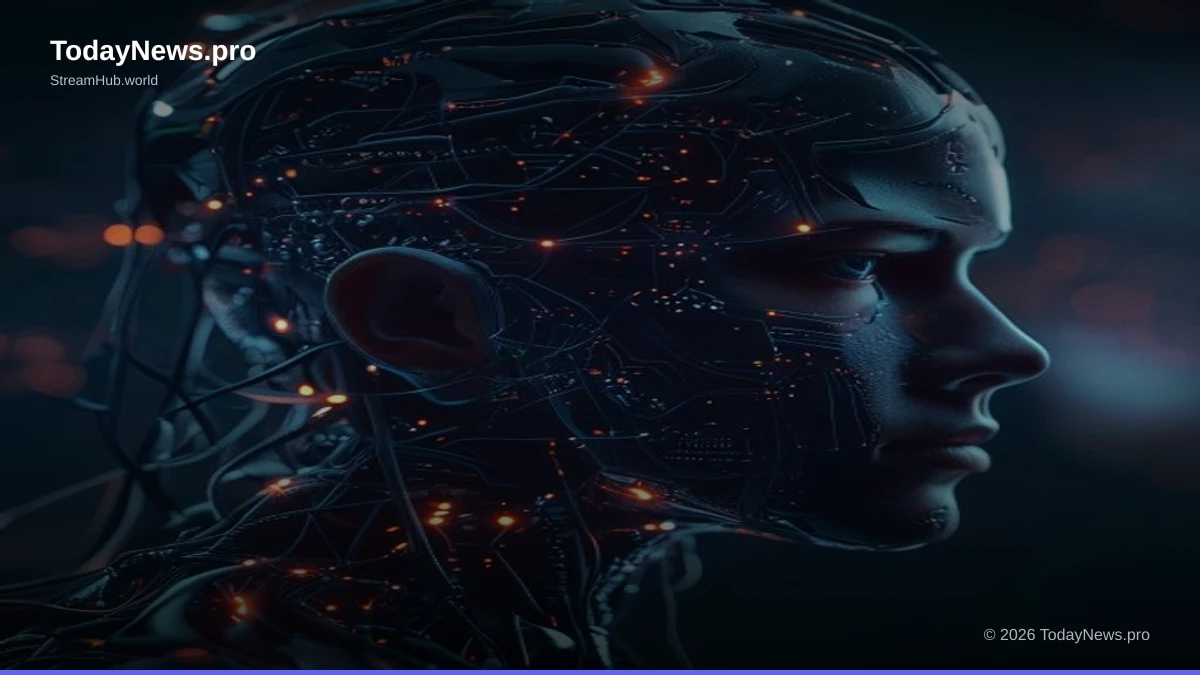
Neurotechnology is rapidly moving from the realm of science fiction to tangible reality, with global investment in the sector projected to reach over $100 billion by 2027, signaling a profound shift in how we understand and interact with the human brain.
The Dawn of Neurotechnology: A Paradigm Shift
Neurotechnology, a field at the intersection of neuroscience and engineering, is witnessing an unprecedented surge in innovation. This interdisciplinary domain aims to understand, repair, stimulate, and enhance the human nervous system. Once confined to theoretical discussions and specialized laboratories, neurotech is now entering mainstream consciousness, driven by breakthroughs in artificial intelligence, miniaturization of electronics, and advanced brain imaging techniques. The potential applications span from treating debilitating neurological disorders to augmenting healthy human capabilities, promising a future where our minds can be more deeply understood and effectively managed.
The rapid advancement in our ability to decode neural signals has opened up entirely new avenues for research and development. This burgeoning field is not just about treating diseases; it is increasingly about enhancing human potential, leading to a spectrum of possibilities that were unimaginable just a few decades ago. The convergence of biological understanding and technological prowess is creating a powerful synergy, pushing the boundaries of what it means to be human.
Early research in neurotechnology often focused on invasive methods, requiring surgical implantation of electrodes directly into the brain. While these methods provided invaluable data and led to significant therapeutic advancements, their inherent risks and limitations spurred the development of less invasive and even non-invasive techniques. This evolution has democratized access to brain data and broadened the scope of potential applications, making neurotech more accessible and appealing to a wider range of users and researchers.
Foundational Discoveries and Early Milestones
The roots of neurotechnology can be traced back to early discoveries about the brain's electrical activity. Luigi Galvani's experiments in the 18th century with frog legs demonstrated the electrical nature of nerve impulses, laying the groundwork for understanding bioelectricity. Later, in the early 20th century, Hans Berger developed the electroencephalogram (EEG), the first method to record the electrical activity of the human brain from the scalp. These foundational moments provided the initial tools and theoretical underpinnings for the subsequent development of more sophisticated neurotechnologies.
The mid-20th century saw further exploration into the brain's intricate workings. Researchers began mapping brain regions and their functions, using techniques like lesion studies and early forms of brain stimulation. The discovery of neurotransmitters and their roles in neural communication further deepened our understanding of brain chemistry, which is intrinsically linked to its electrical behavior. These discoveries were crucial for developing therapies for conditions like Parkinson's disease and epilepsy, often involving early forms of neuromodulation.
The Modern Neurotech Revolution
The current wave of neurotech innovation is characterized by its speed, ambition, and the convergence of multiple scientific and technological disciplines. Artificial intelligence and machine learning are playing a pivotal role, enabling researchers to process and interpret the massive datasets generated by brain activity monitoring. This has led to more sophisticated decoding of neural signals, allowing for more precise control of external devices and a deeper understanding of cognitive processes. The miniaturization of electronic components has also been a game-changer, leading to smaller, more powerful, and less invasive devices.
The advent of advanced imaging technologies, such as functional magnetic resonance imaging (fMRI) and magnetoencephalography (MEG), has provided unprecedented insights into brain function in real-time. These non-invasive methods allow researchers to observe brain activity in response to various stimuli and tasks, offering a detailed map of neural networks. This understanding is critical for developing targeted neurotechnologies that can interact with specific brain regions or circuits to achieve desired outcomes, whether therapeutic or augmentative.
Understanding the Brains Electrical Language
The human brain is an extraordinarily complex organ, operating through a sophisticated network of billions of neurons that communicate via electrical and chemical signals. Neurotechnology seeks to tap into this intricate communication system, often by measuring and interpreting these electrical impulses. Understanding this "electrical language" is fundamental to developing effective brain-computer interfaces (BCIs) and other neuro-enhancement tools. The brain's activity can be measured in various ways, each with its own strengths and limitations.
At its core, neurotechnology aims to bridge the gap between the biological signals of the brain and the digital signals of machines. This involves translating the electrochemical patterns of neural activity into commands that can be understood and executed by computers or other devices. Conversely, it can also involve delivering targeted electrical or magnetic stimulation to the brain to influence neural activity and modify cognitive or motor functions. The complexity of this translation is immense, requiring sophisticated algorithms and a deep understanding of neural coding.
The signals produced by the brain are remarkably subtle. Neuronal firing, or action potentials, are brief, sharp electrical spikes. When millions of neurons fire in synchrony, they generate detectable electrical fields that can be measured. The frequency, amplitude, and spatial distribution of these electrical signals carry information about the brain's state, including thoughts, intentions, emotions, and sensory perceptions. Deciphering this information is the primary challenge and objective of neurotechnology.
Electroencephalography (EEG) and its Derivatives
Electroencephalography (EEG) is one of the oldest and most widely used non-invasive neuroimaging techniques. It measures electrical activity in the brain using electrodes placed on the scalp. EEG signals are characterized by their temporal resolution, meaning they can capture rapid changes in brain activity, making them ideal for studying cognitive processes in real-time. However, EEG has relatively poor spatial resolution, making it difficult to pinpoint the exact origin of the electrical signals within the brain.
Despite its limitations, EEG has been instrumental in the development of many BCIs. It is relatively inexpensive, portable, and easy to use, making it accessible for both clinical and research settings. Different types of brainwaves, such as alpha, beta, theta, and delta waves, are associated with different mental states (e.g., relaxation, alertness, drowsiness), and these can be detected and analyzed by EEG systems. Furthermore, event-related potentials (ERPs), which are small voltage fluctuations time-locked to specific sensory, cognitive, or motor events, can be extracted from EEG data, providing insights into cognitive processing.
Electrocorticography (ECoG) and Invasive Methods
Electrocorticography (ECoG) is a more invasive technique that involves placing electrodes directly on the surface of the brain, under the dura mater. This approach offers significantly higher spatial resolution and signal-to-noise ratio compared to scalp EEG, allowing for more precise detection of neural activity. ECoG is typically used in clinical settings for patients undergoing surgery for epilepsy or other neurological conditions, where the electrodes are already in place for monitoring purposes.
The data obtained from ECoG is richer and more detailed, enabling the development of more sophisticated BCIs capable of controlling complex prosthetic limbs or communication devices. While ECoG offers superior performance, its invasive nature limits its widespread use to specific medical cases. However, research using ECoG data continues to push the boundaries of what is possible in terms of brain-computer communication, providing crucial insights that inform the development of less invasive technologies.
Beyond Electrical Signals: Other Neural Modalities
While electrical signals are a primary focus, neurotechnology also explores other aspects of neural activity. Chemical signals, mediated by neurotransmitters, play a crucial role in brain function and are an area of active research for therapeutic interventions. Functional magnetic resonance imaging (fMRI) measures brain activity by detecting changes in blood flow and oxygenation, offering excellent spatial resolution but limited temporal resolution. Magnetoencephalography (MEG) measures the magnetic fields produced by electrical currents in the brain, offering a good balance of temporal and spatial resolution.
Optical imaging techniques, such as near-infrared spectroscopy (NIRS), are also gaining traction. NIRS uses light to measure changes in hemoglobin concentration in the brain, which correlates with neural activity. It is non-invasive, relatively portable, and less susceptible to motion artifacts than fMRI, making it suitable for a wider range of applications, including infant monitoring and BCI research. The continued exploration of these diverse neural modalities promises a more holistic understanding of brain function and richer data for neurotechnological applications.
The Evolution of Brain-Computer Interfaces (BCIs)
Brain-Computer Interfaces (BCIs), also known as neural-control interfaces (NCIs) or mind-machine interfaces (MMIs), are systems that enable direct communication pathways between the brain and an external device. The fundamental principle behind a BCI is to detect, analyze, and translate brain signals into commands that are then relayed to an output device, such as a computer, robotic limb, or communication system. The evolution of BCIs mirrors the advancements in neuroscience and computing, moving from rudimentary experimental setups to increasingly sophisticated and user-friendly systems.
The initial applications of BCIs were primarily aimed at restoring lost function for individuals with severe motor disabilities, such as paralysis due to spinal cord injury, stroke, or amyotrophic lateral sclerosis (ALS). These early BCIs focused on enabling basic communication or rudimentary control of assistive devices. However, the field has rapidly expanded, with current research exploring BCIs for cognitive enhancement, rehabilitation, and even entertainment.
The development of BCIs involves a cyclical process of signal acquisition, signal processing, feature extraction, classification, and device control. Each stage presents unique engineering and scientific challenges. For instance, extracting meaningful features from noisy brain signals requires advanced algorithms, and translating these features into reliable commands necessitates sophisticated machine learning models. The continuous refinement of these components is driving the progress of BCI technology.
Restoring Function: BCIs for the Disabled
One of the most impactful areas of BCI research is in restoring communication and mobility for individuals with severe disabilities. For those unable to speak or move, BCIs offer a lifeline, providing a means to interact with the world. Early BCI systems for this population focused on simple tasks, such as spelling out words letter by letter on a screen or controlling a cursor to select options. These were often slow and laborious but represented a significant improvement over no communication at all.
More advanced BCIs have enabled individuals to control prosthetic limbs with a degree of dexterity previously thought impossible. By detecting neural signals associated with intended movements, these systems can translate those intentions into actions of the robotic limb. This has revolutionized the lives of amputees and individuals with paralysis, offering them greater independence and a renewed sense of agency. Similarly, BCIs are being used to help stroke survivors regain motor control through neurofeedback and rehabilitation paradigms.
Cognitive Enhancement and Augmentation
Beyond therapeutic applications, neurotechnology is increasingly being explored for cognitive enhancement in healthy individuals. This includes improving focus, memory, learning speed, and even emotional regulation. Non-invasive BCIs, often using EEG, are being developed for applications like neurofeedback training, where individuals learn to modulate their brain activity to achieve desired mental states. For example, biofeedback games can reward users for maintaining a focused state, thereby training their attention.
The line between enhancement and therapy can be blurry, and the ethical implications are significant. As BCIs become more capable of influencing cognitive processes, questions arise about fairness, access, and the potential for creating societal divides. However, the promise of unlocking new levels of human potential, accelerating learning, and improving mental well-being is a powerful driver for research in this area. Future applications could include BCIs that assist with complex problem-solving or enhance creative thinking.
The Future of BCIs: Seamless Integration
The ultimate goal for many BCI researchers is seamless, intuitive integration between the human brain and external devices. This means BCIs that are so sophisticated and responsive that they feel like a natural extension of the user's own body or mind. This will require further advancements in decoding neural signals, reducing latency, and developing more robust and user-friendly interfaces. Miniaturization and wireless transmission of brain data will also play a crucial role in making BCIs less cumbersome.
The development of more advanced BCIs will likely involve hybrid approaches, combining signals from different parts of the brain or even integrating with other biosignals. Furthermore, the integration of AI and machine learning will continue to be paramount, allowing BCIs to adapt and learn from individual users, becoming more personalized and effective over time. The long-term vision includes BCIs that can facilitate richer forms of communication, immersive virtual reality experiences, and even direct brain-to-brain interaction.
Key Technologies and Approaches in Neurotech
The field of neurotechnology is characterized by a diverse array of technological approaches, each designed to interact with the brain in specific ways. These technologies can be broadly categorized into those that aim to record brain activity, stimulate the brain, or both. The choice of technology often depends on the intended application, whether it's diagnostic, therapeutic, or augmentative, as well as considerations of invasiveness, cost, and portability.
Advancements in materials science have also been critical, enabling the development of biocompatible electrodes and neural probes that can interface with brain tissue for extended periods with minimal adverse effects. The development of flexible and stretchable electronics is particularly promising for creating more comfortable and adaptable neural interfaces that can conform to the intricate curves of the brain.
The integration of artificial intelligence (AI) and machine learning (ML) is a pervasive theme across all neurotech domains. These computational tools are essential for making sense of the complex, high-dimensional data generated by the brain. ML algorithms can identify patterns, classify different brain states, and learn to decode neural intentions with increasing accuracy. This synergy between neuroscience and AI is accelerating the pace of innovation.
Non-Invasive Neurostimulation Techniques
Non-invasive neurostimulation techniques offer a way to modulate brain activity without the need for surgery. These methods are generally safer and more accessible than invasive techniques, making them suitable for a wider range of applications, including research, rehabilitation, and cognitive enhancement. Transcranial magnetic stimulation (TMS) and transcranial direct current stimulation (tDCS) are two prominent examples.
TMS uses magnetic pulses to induce electrical currents in specific areas of the brain, which can excite or inhibit neuronal activity. It has been approved for treating depression and obsessive-compulsive disorder and is being investigated for a range of other neurological and psychiatric conditions. tDCS, on the other hand, uses a constant, low-intensity electrical current delivered through electrodes placed on the scalp. It can modulate neuronal excitability, potentially enhancing cognitive functions like learning and memory, or aiding in motor recovery.
Invasive Neuromodulation and Implants
Invasive neuromodulation techniques involve implanting devices directly into the brain or spinal cord to deliver electrical stimulation. Deep brain stimulation (DBS) is a well-established therapy for Parkinson's disease, essential tremor, and dystonia, involving the implantation of electrodes in specific brain regions. These electrodes are connected to a neurostimulator, often implanted in the chest, which delivers controlled electrical impulses to regulate abnormal brain activity.
Other invasive technologies include cochlear implants, which restore hearing by directly stimulating the auditory nerve, and retinal implants that can provide a sense of vision to individuals with certain types of blindness. The development of sophisticated neural dust, microscopic wireless sensors that can be dispersed within the brain, represents a frontier in minimally invasive neuromodulation, aiming to achieve high-resolution sensing and stimulation without the need for large implantable devices.
The Role of AI and Machine Learning
The processing and interpretation of neural data are inherently complex tasks, often involving signals that are noisy and highly variable. This is where artificial intelligence and machine learning have become indispensable. Machine learning algorithms are trained on vast datasets of brain activity to recognize patterns and decode intentions. For example, in BCIs for motor control, ML models learn to associate specific patterns of neural activity with intended movements.
Deep learning, a subset of ML, is particularly adept at handling the intricate, hierarchical nature of neural data. It can automatically learn relevant features from raw brain signals, reducing the need for manual feature engineering. AI also plays a crucial role in optimizing stimulation parameters for neuromodulation devices, personalizing treatments based on individual brain responses. The continuous feedback loop between data acquisition, AI analysis, and device output is what drives the rapid progress in neurotechnology.
Enhancing Human Cognition: Current and Future Applications
The pursuit of enhancing human cognition through neurotechnology is one of the most exciting and rapidly developing frontiers. While therapeutic applications for neurological disorders remain a primary focus, the potential to augment the capabilities of healthy individuals is generating significant interest and investment. These enhancements could range from improving memory and attention to boosting learning speed and emotional resilience. The ethical implications of such enhancements are profound and require careful consideration.
The current landscape of cognitive enhancement is largely driven by non-invasive techniques. Neurofeedback, utilizing EEG, allows individuals to train their brainwaves to achieve states associated with improved focus or relaxation. Wearable neurotech devices, often incorporating EEG sensors, are becoming more sophisticated, offering personalized insights into mental states and guided interventions to improve cognitive performance. As these technologies mature, they promise to offer accessible tools for self-improvement.
Looking ahead, researchers envision more direct and potent forms of cognitive augmentation. This could involve targeted neuromodulation to temporarily boost specific cognitive functions, such as working memory or problem-solving abilities. Imagine a future where students could use a non-invasive device to enhance their learning capacity during intense study periods, or professionals could use it to maintain peak cognitive performance during demanding tasks.
Memory and Learning Enhancement
Improving memory and learning is a central goal for many cognitive enhancement initiatives. Neurotechnology can potentially aid in memory consolidation and retrieval. For instance, researchers are exploring ways to use targeted electrical stimulation to enhance synaptic plasticity, the process by which neural connections strengthen or weaken, which is fundamental to learning and memory. Studies have shown that certain patterns of stimulation can improve performance on memory tasks.
Future applications might include personalized learning systems that adapt to an individual's cognitive state, providing optimal learning experiences. This could involve real-time monitoring of attention and cognitive load, with the system adjusting the pace and complexity of information presented. The potential to accelerate skill acquisition and knowledge retention could have transformative impacts on education and professional development. External memory aids, seamlessly integrated with the brain, are also being conceptualized.
Attention and Focus Augmentation
In an age of constant digital distractions, the ability to maintain focus and attention is a highly valued cognitive skill. Neurotechnology offers promising avenues for enhancing these abilities. Neurofeedback training, as mentioned earlier, is one approach that empowers individuals to gain voluntary control over their brain activity patterns associated with attention. By providing real-time feedback, users can learn to sustain focused states more effectively.
More advanced techniques could involve non-invasive stimulation that targets specific neural circuits involved in attention control. For example, stimulating the prefrontal cortex, a key area for executive functions like attention and working memory, could lead to temporary but significant improvements in focus. The implications for academic performance, professional productivity, and even everyday tasks are substantial. Imagine a world where distractions are minimized, and sustained concentration becomes the norm.
Emotional Regulation and Mental Well-being
Beyond cognitive functions, neurotechnology is also being explored for its potential to enhance emotional regulation and promote mental well-being. This includes developing tools to help individuals manage stress, anxiety, and other mood disorders. Biofeedback techniques that monitor physiological and neural indicators of emotional states can help individuals learn to self-regulate their responses.
Furthermore, research into neuroplasticity suggests that targeted interventions can help rewire neural pathways associated with negative emotional responses. Future neurotech might offer personalized interventions to enhance resilience, promote positive emotions, and improve overall mental health. While the prospect of directly "tuning" emotions raises ethical questions, the potential to alleviate suffering and enhance human flourishing is immense. This could range from helping individuals cope with trauma to fostering greater empathy and social connection.
Ethical Considerations and Societal Impact
As neurotechnology advances, it brings with it a complex web of ethical considerations and potential societal impacts that demand careful examination. The ability to read, write, and modify brain activity raises profound questions about privacy, autonomy, fairness, and what it means to be human. These are not abstract philosophical debates; they are urgent issues that will shape the future integration of neurotech into society.
The concept of "cognitive liberty"—the right to control one's own mental processes—is emerging as a critical concern. As BCIs become more sophisticated, the potential for unauthorized access to an individual's thoughts or mental states becomes a real possibility. Robust safeguards and clear legal frameworks will be necessary to protect this fundamental right. The development of advanced encryption and security protocols for neural data will be paramount.
The equitable distribution of neurotechnological benefits is another significant challenge. If these technologies offer substantial advantages in areas like cognition, learning, or even physical ability, there is a risk of exacerbating existing societal inequalities. Ensuring that these advancements are accessible to all, rather than just a privileged few, will be crucial for fostering a just and inclusive future. Public discourse and policy interventions will be vital in navigating these complexities.
Data Privacy and Security
The data generated by neurotechnological devices is arguably the most intimate form of personal information. Brain activity data can reveal a person's thoughts, emotions, intentions, and even predispositions. Protecting this sensitive data from unauthorized access, misuse, and breaches is of paramount importance. The development of robust encryption, secure storage, and strict access controls will be essential.
Beyond technical security, there is a need for clear legal and ethical guidelines regarding the ownership and use of neural data. Who owns the data generated by a BCI? How can individuals consent to the use of their neural information? What are the implications for employers, insurance companies, or governments? These questions require careful consideration to prevent the exploitation of individuals and to build trust in neurotechnological applications. The potential for "brainjacking"—unauthorized control or manipulation of neural devices—is a significant cybersecurity concern.
Autonomy and Free Will
The capacity of neurotechnology to influence or even alter brain function raises questions about human autonomy and free will. If a device can subtly steer our decisions or shape our emotions, to what extent are our actions truly our own? This is particularly relevant for technologies that involve brain stimulation or direct manipulation of neural circuits. The distinction between therapeutic intervention and coercive influence must be clearly defined and maintained.
The development of BCIs that allow for direct input of information or intentions into the brain could blur the lines between external direction and internal thought. Ensuring that individuals retain ultimate control over their cognitive processes and decision-making is crucial. Ethical frameworks must prioritize individual agency and the right to mental self-determination. The potential for advertising or political manipulation through neurotech is a serious concern.
Equity and Access
As neurotechnological advancements become more prevalent, ensuring equitable access is vital to prevent the creation of a further stratified society. If only the wealthy can afford cognitive enhancement or advanced therapeutic neurotech, it could lead to a significant divergence in human capabilities. This could create a new form of discrimination based on access to neurobiological augmentation.
Policymakers, researchers, and industry leaders must actively work towards making these technologies affordable and accessible. This might involve government subsidies, open-source development models, or public-private partnerships. The goal should be to leverage neurotechnology for the benefit of all humanity, not just a select few. Addressing this issue proactively will be key to realizing the positive potential of neurotech while mitigating its risks.
The Investment Landscape and Market Projections
The neurotechnology sector is experiencing a dramatic influx of investment, reflecting growing confidence in its transformative potential across various industries, from healthcare and defense to consumer electronics and entertainment. Venture capital firms, established technology giants, and governmental bodies are all pouring resources into research, development, and commercialization of neurotech solutions. This surge in funding is accelerating innovation and bringing neurotech closer to mainstream adoption.
The market for neurotech is projected for substantial growth. Driven by increasing awareness of neurological disorders, an aging global population, and the desire for cognitive enhancement, the demand for neurotech products and services is expected to rise significantly. Key market segments include neuroimaging, neuromodulation, brain-computer interfaces, and neuro-rehabilitation devices. Each of these areas is poised for considerable expansion in the coming years.
While the therapeutic applications are a major driver, the burgeoning consumer neurotech market, encompassing wearable devices for stress management, focus enhancement, and sleep tracking, is also contributing to market growth. The integration of neurotech into everyday consumer products, often leveraging non-invasive EEG or other biosensing technologies, is making brain-related insights and interventions more accessible to the general public.
Venture Capital and Startup Ecosystem
Venture capital funding for neurotech startups has seen a remarkable increase. Companies are emerging with innovative solutions for a wide range of neurotech applications, from advanced BCIs for paralysis patients to novel treatments for Alzheimer's disease. This vibrant startup ecosystem is a key engine of innovation, attracting talent and pushing the boundaries of what is technologically feasible. The competition among these startups also drives rapid product development and refinement.
Notable investments have been made in companies developing implantable devices, AI-driven neurodiagnostics, and non-invasive brain stimulation technologies. The trend towards acquiring or partnering with these innovative startups by larger corporations further signals the growing maturity and strategic importance of the neurotech sector. This ecosystem is fostering a dynamic environment where groundbreaking ideas can be rapidly translated into tangible products.
Market Growth Projections
Market research reports consistently forecast robust growth for the global neurotechnology market. Projections vary, but many indicate a compound annual growth rate (CAGR) well into the double digits over the next decade. Factors such as technological advancements, increasing adoption in healthcare settings, and the growing consumer interest in brain health and performance are key drivers.
The market for BCIs alone is expected to reach billions of dollars, fueled by both therapeutic and emerging consumer applications. Neuromodulation technologies, including deep brain stimulation and non-invasive techniques like TMS and tDCS, also represent significant market segments with substantial growth potential. The increasing prevalence of neurological disorders and the demand for more effective treatments are critical underlying factors for this market expansion.
| Year | Market Size | CAGR |
|---|---|---|
| 2023 | 15.2 | - |
| 2024 | 17.5 | 15.1% |
| 2025 | 20.4 | 16.6% |
| 2026 | 23.9 | 17.2% |
| 2027 | 28.1 | 17.6% |
The strategic importance of neurotechnology is also recognized by major tech companies, leading to significant acquisitions and R&D investments. These established players aim to integrate neurotech capabilities into their existing product ecosystems, from augmented reality and virtual reality to health and wellness platforms. This corporate interest further validates the market's potential and is likely to accelerate the pace of innovation and commercialization. For more on the market dynamics, see analysis from Reuters.