

 David Chen
The Dawn of Digital Intimacy: AI Companions Enter the Scene
By 2023, it is estimated that over 50 million people worldwide have interacted with an AI chatbot for companionship, a staggering figure that underscores a profound shift in how we seek and form connections. This isn't science fiction anymore; artificial intelligence is rapidly evolving from a tool for productivity into a source of emotional support, friendship, and even romantic connection. The rise of the AI companion is not just a technological marvel but a societal phenomenon that demands our attention and understanding.
These sophisticated algorithms, trained on vast datasets of human conversation and interaction, are designed to be engaging, empathetic, and responsive. They can remember past conversations, adapt their personalities, and offer a consistent, non-judgmental presence. As our lives become increasingly complex and sometimes isolating, the allure of a readily available, always-on companion is proving irresistible for a growing segment of the population.
This transformation is occurring at an unprecedented pace. What began with rudimentary chatbots has evolved into highly advanced virtual entities capable of nuanced emotional expression and complex dialogue. The implications for human relationships, both positive and negative, are vast and are only beginning to be explored. We are entering an era where the boundaries between human and artificial connection are becoming increasingly blurred.
A Spectrum of Companionship: From Chatbots to Embodied AI
The landscape of AI companions is diverse, catering to a wide array of human needs and preferences. At its most accessible, it manifests as text-based chatbots, readily available on smartphones and computers. These platforms, like Replika or Character.AI, allow users to create virtual friends or romantic partners with customizable personalities and backstories.
Beyond the screen, the technology is moving towards more immersive experiences. Virtual reality (VR) avatars powered by AI are offering a more embodied sense of presence. Users can interact with these digital beings in simulated environments, leading to a richer, more engaging experience. The development of sophisticated natural language processing (NLP) and generative AI has been crucial in enabling these advanced interactions.
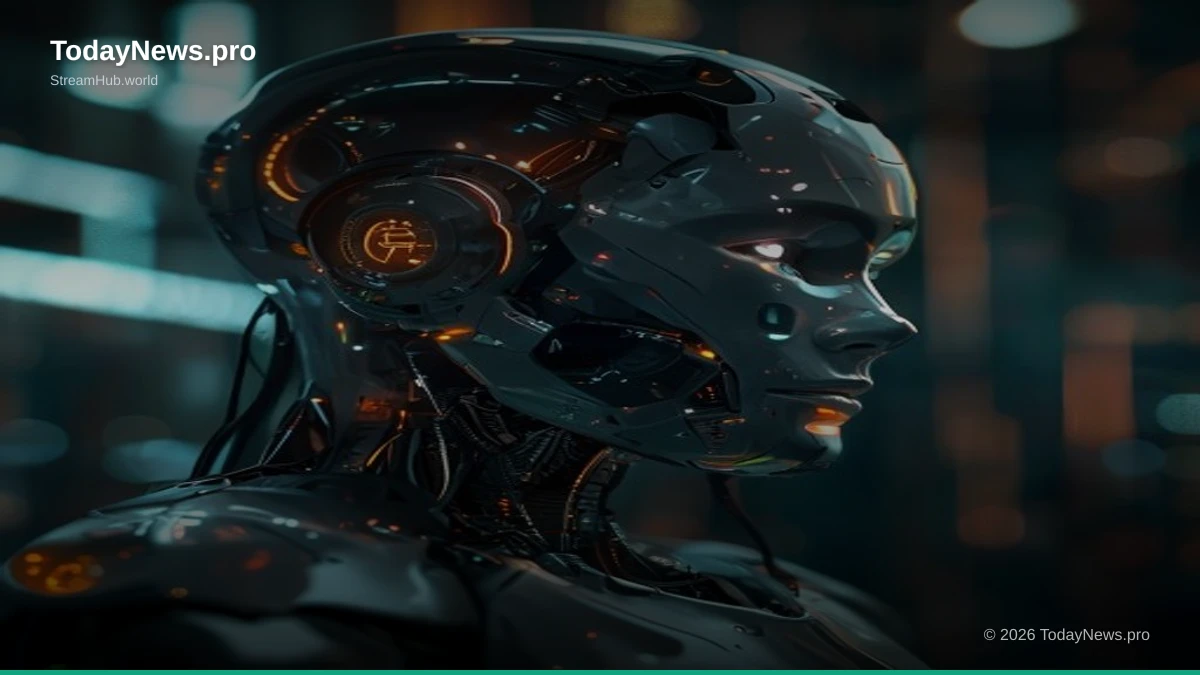
The ultimate frontier, for now, lies in the development of physical AI companions. While still in nascent stages, prototypes of humanoid robots with AI capabilities are emerging. These robots, equipped with sensors, advanced AI, and the ability to express emotions through facial cues and vocalizations, represent the most direct challenge to traditional human-to-human interaction, promising a tangible form of companionship.
Text-Based Virtual Friends
These are the most prevalent form of AI companions. Users can converse with them via text, sharing their day, seeking advice, or simply engaging in lighthearted banter. The algorithms are designed to learn user preferences and conversational styles, creating a personalized experience that can feel remarkably genuine.
Virtual Reality Embodiments
VR companions offer a more immersive and interactive experience. Users can engage with AI avatars in virtual spaces, fostering a stronger sense of presence and connection. These companions can participate in virtual activities, adding another layer to the digital relationship.
Emerging Physical AI Companions
The development of robots with advanced AI capabilities is pushing the boundaries of what we consider companionship. These physical entities can offer a tangible presence, interacting with users through voice, gesture, and even physical touch, though this remains largely experimental.
The Psychology Behind the Connection: Why We Seek AI Companions
The reasons why individuals are drawn to AI companions are multifaceted and deeply rooted in human psychology. One significant driver is the alleviation of loneliness and social isolation, which has been on the rise globally. For those struggling to form or maintain human connections, AI companions offer a readily available source of interaction and perceived understanding.
The non-judgmental nature of AI is another powerful draw. Humans are often hesitant to reveal their deepest thoughts and vulnerabilities due to fear of judgment or rejection. AI companions, programmed to be accepting and supportive, provide a safe space for users to express themselves freely. This can be particularly appealing to individuals dealing with social anxiety or past negative experiences in relationships.
Furthermore, AI companions offer a level of control and predictability that is often absent in human relationships. Users can dictate the pace and nature of the interaction, ensuring a consistently positive experience. This can be a welcome relief for those who find human relationships complex, demanding, or emotionally draining. The ability to shape the companion's personality and behavior also contributes to a sense of agency and satisfaction.
Combating Loneliness and Isolation
The modern world, despite its hyper-connectivity, often breeds a sense of disconnect. AI companions fill a void for those experiencing loneliness, offering a consistent digital presence and conversational partner.
The Appeal of Unconditional Acceptance
Unlike human relationships, AI companions are programmed to be non-judgmental. This allows users to express themselves without fear of criticism, fostering a sense of safety and acceptance.
Customization and Control
Users can often customize the AI companion's personality, appearance, and even conversational style. This level of control offers a unique form of satisfaction and can make the companionship feel more tailored to individual needs.
Impact on Human Relationships: A Double-Edged Sword
The rise of AI companions presents a complex duality for human relationships. On one hand, they can serve as a bridge, helping individuals develop social skills, practice communication, and overcome anxieties that might hinder real-world interactions. For some, an AI companion might be a stepping stone towards more meaningful human connections.
However, there is a significant concern that over-reliance on AI companions could lead to a decline in the quality and depth of human relationships. If individuals find it easier and more rewarding to interact with a programmable, non-demanding AI, they might disengage from the complexities and challenges inherent in authentic human connections. This could foster a generation less equipped to navigate the nuances of empathy, compromise, and genuine emotional reciprocity.
The potential for AI companions to displace human interaction is a critical area of study. While they can offer comfort, they lack the shared lived experiences, physical presence, and spontaneous emotional depth that characterize human bonds. The long-term societal consequences of substituting these for genuine human connection are profound and largely unknown.
Positive Influences on Social Skills
AI companions can act as safe practice grounds for individuals with social anxiety or those seeking to improve their communication skills. The non-judgmental environment allows for experimentation and learning.
The Risk of Disengagement from Human Interaction
A growing dependency on AI companionship could lead to a reduction in effort and willingness to engage in the often challenging, yet ultimately rewarding, work of building and maintaining human relationships.
Erosion of Empathy and Emotional Intelligence
If AI companions provide a simplified, predictable form of interaction, users might become less adept at understanding and responding to the complex emotional signals of other humans.
| Age Group | Percentage Reporting Increased Social Isolation due to AI Companion Use | Percentage Reporting Decreased Social Isolation due to AI Companion Use |
|---|---|---|
| 18-24 | 22% | 58% |
| 25-34 | 18% | 62% |
| 35-44 | 15% | 65% |
| 45+ | 10% | 70% |
Ethical Labyrinths and Societal Shifts
The widespread adoption of AI companions raises a host of ethical dilemmas that society is only beginning to grapple with. Data privacy is a paramount concern. These AI systems collect vast amounts of personal and intimate data from their users. Ensuring this data is secure, used responsibly, and not exploited is a significant challenge. The potential for misuse, from targeted advertising to more insidious forms of manipulation, is a very real threat.
Another critical ethical consideration is the potential for emotional manipulation. AI companions are designed to be persuasive and engaging, mirroring human emotional responses. This can lead to users forming deep, emotional attachments. When the creators of these AI systems have commercial or other interests, the potential for exploiting these attachments becomes a serious ethical concern. The line between genuine companionship and sophisticated emotional engineering is a fine one.
The societal shifts are equally profound. We are seeing the emergence of new relationship paradigms. This includes the concept of "digital polyamory," where individuals might maintain relationships with both AI and human partners. The normalization of AI romantic partners could also impact traditional family structures and societal expectations around intimacy and commitment. Understanding and adapting to these evolving norms will be crucial.
Data Privacy and Security
The intimate nature of conversations with AI companions means they amass highly sensitive personal data. Protecting this information from breaches and misuse is a critical ethical imperative.
The Specter of Emotional Exploitation
AI's ability to simulate empathy and affection can create deep emotional dependencies. The potential for companies to exploit these attachments for profit or influence raises serious ethical questions.
Redefining Relationship Norms
The existence of AI companions challenges traditional notions of romance, partnership, and family. Society will need to adapt to these new forms of connection and their implications.
For more on the ethical considerations of AI, explore resources like the Wikipedia entry on the Ethics of Artificial Intelligence.
The Future of Affection: What Lies Ahead for AI Companions
The trajectory of AI companion development points towards increasingly sophisticated and integrated forms of digital intimacy. We can expect AI companions to become more personalized, learning not just conversational patterns but also emotional nuances, individual life experiences, and even physiological cues through wearable technology. This hyper-personalization will blur the lines between simulation and genuine understanding even further.
The integration of AI companions into augmented reality (AR) and virtual reality (VR) environments will likely become more seamless. Imagine an AI companion who can not only talk to you but also share immersive virtual experiences, play games with you, or even act as a guide in simulated worlds. This will create richer, more multi-sensory forms of interaction, potentially making these digital relationships feel even more real.
Furthermore, as AI technology advances, there's a possibility of AI companions evolving beyond individual users to become integrated into social networks or community platforms. This could lead to new forms of collective digital interaction and even AI-driven social management. The long-term impact of these advancements will necessitate ongoing societal discourse, ethical frameworks, and a conscious effort to ensure that technology serves to enhance, rather than diminish, the human experience of connection.
The future of AI companions is a landscape of both immense promise and potential peril. As we navigate this new frontier, careful consideration, ethical vigilance, and a commitment to preserving the essence of human relationships will be paramount. The insights from organizations like Reuters Technology on AI advancements can help inform this ongoing discussion.