

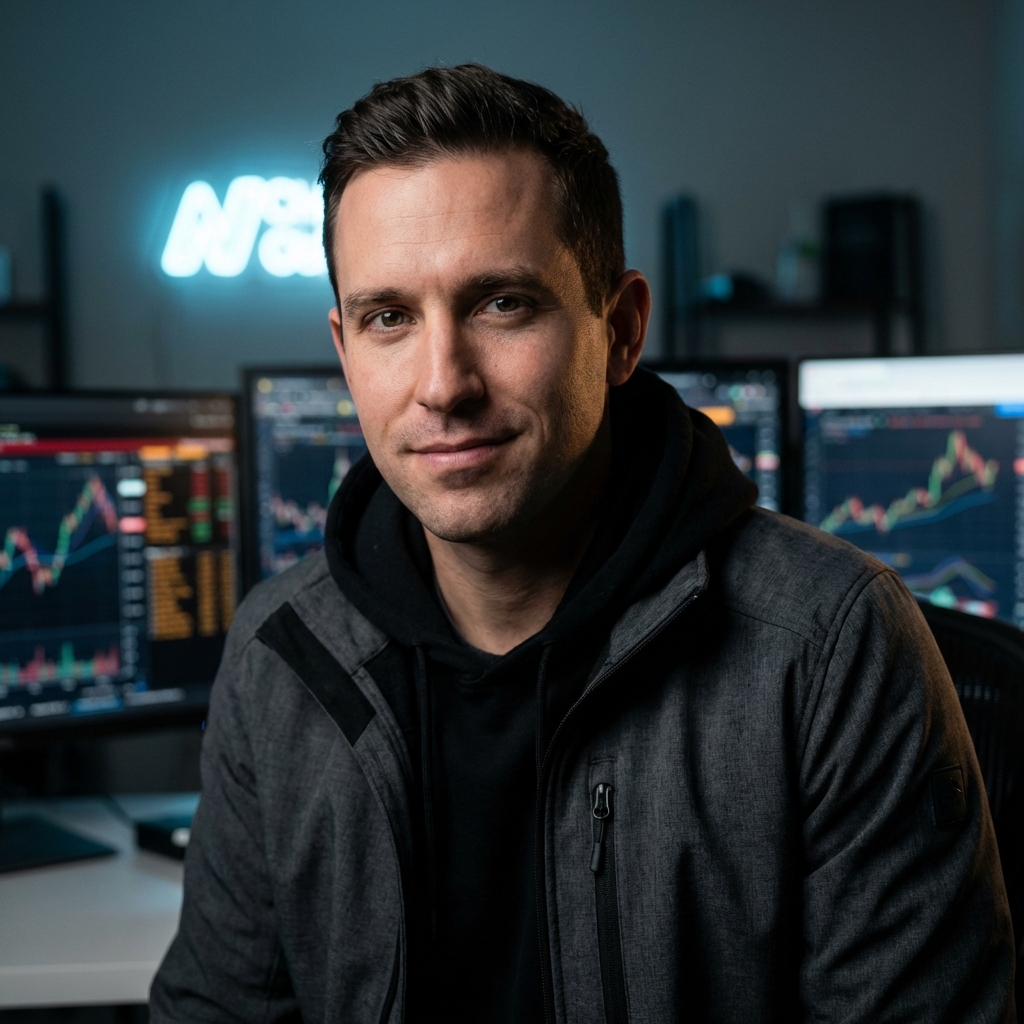
 Simon North
The global market for tokenized real-world assets is projected to reach $16 trillion by 2030, a staggering figure that underscores a fundamental shift in how we perceive and interact with traditional financial instruments.
The Dawn of Real-World Asset Tokenization
The explosion of cryptocurrencies, while revolutionary, often focused on digital-native assets. However, the true potential of blockchain technology lies in its ability to bridge the gap between the intangible world of decentralized finance (DeFi) and the tangible realm of physical and financial assets. This is the essence of Real-World Asset (RWA) tokenization – the process of representing ownership rights to tangible assets, like real estate, art, commodities, or even debt, as digital tokens on a blockchain.
This paradigm shift promises to unlock liquidity, democratize access to investment opportunities, and streamline complex financial processes. Unlike purely speculative digital assets, tokenized RWAs anchor value in something concrete, offering a more grounded and potentially less volatile entry point into the DeFi ecosystem for a broader range of investors and institutions.
From Digital to Tangible: The Evolution of Blockchains Role
Initially, blockchain's primary application was in creating and managing cryptocurrencies. However, as the technology matured and its underlying principles of transparency, immutability, and decentralization became better understood, innovators began exploring its application beyond digital currencies. The concept of representing physical assets digitally on a blockchain emerged as a natural progression, offering a powerful new mechanism for ownership and transfer.
This evolution has moved beyond niche applications. Major financial institutions are now actively exploring and piloting RWA tokenization, signaling a growing recognition of its transformative potential for traditional finance. The integration of these tangible assets into DeFi protocols is paving the way for a more inclusive and efficient financial future.
Defining Real-World Assets (RWAs)
Real-World Assets encompass a vast spectrum of tangible and intangible items that hold economic value but exist outside the purely digital domain. In the context of tokenization, these assets are meticulously evaluated, legally structured, and then represented by digital tokens, typically on a public or private blockchain. Each token then acts as a digital certificate of ownership, with its attributes and transferability governed by smart contracts.
The diversity of RWAs is a key strength of this emerging sector. It includes everything from high-value physical items to established financial instruments, each bringing unique characteristics and opportunities to the tokenized landscape. The process involves careful due diligence to ensure the legal backing and authenticity of the underlying asset.
Examples of Tokenizable Real-World Assets
- Real Estate: Fractional ownership of properties, commercial buildings, or even vacation homes.
- Commodities: Gold, silver, oil, agricultural products, represented by tokens backed by physical reserves.
- Art and Collectibles: High-value paintings, sculptures, rare wines, or vintage cars.
- Debt Instruments: Loans, bonds, invoices, allowing for securitization and easier trading.
- Intellectual Property: Royalties from music, patents, or software licenses.
- Infrastructure: Shares in renewable energy projects, toll roads, or other revenue-generating assets.
The tokenization of these assets allows for a more granular and accessible investment approach. Instead of needing to purchase an entire building, an investor can buy a fraction of its value represented by tokens, significantly lowering the barrier to entry for high-value investments.
The Legal Framework and Custodianship
A critical component of RWA tokenization is the robust legal framework that underpins the ownership rights represented by the tokens. This involves establishing clear legal title to the underlying asset and ensuring that the tokens on the blockchain are legally recognized as representing that ownership. Specialized custodians often play a vital role in safeguarding the physical assets and verifying their authenticity, ensuring that the digital representation accurately reflects the real-world asset.
This custodial layer provides an essential bridge between the digital and physical worlds, offering assurance to investors that their tokenized holdings are backed by verifiable ownership and secure storage. The interplay between legal experts, blockchain developers, and custodians is paramount to the success and trustworthiness of RWA tokenization.
The Blockchain Advantage for RWAs
Blockchain technology offers a suite of inherent advantages that are perfectly suited to enhancing the management and trading of real-world assets. Its decentralized nature, transparency, and immutability provide a foundation of trust and efficiency that traditional systems often struggle to match. Smart contracts, self-executing pieces of code on the blockchain, automate processes, reduce counterparty risk, and enable new forms of interaction with these assets.
The ability to record and verify ownership and transactions on an immutable ledger drastically reduces the potential for fraud and disputes. Furthermore, the programmability of smart contracts allows for automated dividend payments, royalty distributions, and other complex financial operations to be executed seamlessly, directly to token holders' digital wallets.
Key Benefits of Blockchain for RWA Tokenization
- Enhanced Liquidity: Tokenization breaks down large, illiquid assets into smaller, tradable units, opening them up to a wider pool of investors and increasing market depth.
- Increased Accessibility: Investors can gain fractional ownership in high-value assets that were previously out of reach, democratizing investment opportunities.
- Greater Transparency: All transactions and ownership records are immutably stored on the blockchain, providing unprecedented transparency and auditability.
- Reduced Costs: By automating processes and reducing reliance on intermediaries, tokenization can significantly lower transaction fees and administrative overhead.
- Improved Efficiency: Smart contracts automate complex operations, streamlining settlement times and reducing manual intervention.
- Global Reach: Blockchain networks are inherently global, allowing for the seamless trading of tokenized assets across borders.
Smart Contracts: The Engine of Tokenization
Smart contracts are the backbone of RWA tokenization. These self-executing agreements, written in code and deployed on a blockchain, automatically enforce the terms and conditions of the tokenized asset. For example, a smart contract can be programmed to automatically distribute rental income from a tokenized property to all token holders proportionally, or to trigger a dividend payout from a tokenized bond when interest payments are due. This automation not only enhances efficiency but also minimizes the risk of human error or malicious intent.
The programmability of smart contracts opens up a vast array of possibilities for innovative financial products and services built around tokenized assets. They can facilitate complex derivatives, automated collateral management, and even decentralized autonomous organizations (DAOs) that govern the management of tokenized portfolios.
Key RWA Tokenization Use Cases
The practical applications of RWA tokenization are rapidly expanding, touching nearly every facet of the financial industry. From making illiquid assets like fine art accessible to institutional investors to streamlining the securitization of loans, the impact is profound and far-reaching. These use cases highlight the versatility of blockchain technology in creating new markets and optimizing existing ones.
The ability to create fractional ownership in assets previously only accessible to the ultra-wealthy is a game-changer for financial inclusion. It democratizes access to wealth-building opportunities and allows for more diversified investment portfolios for a broader range of individuals.
Tokenized Real Estate: Unlocking Property Markets
Real estate is often cited as one of the most promising sectors for tokenization. The high value and illiquidity of property have historically made it difficult for smaller investors to participate. Tokenization allows for fractional ownership of commercial buildings, residential properties, or even development projects. This means an investor could purchase tokens representing 0.01% ownership of a skyscraper, receiving proportionate rental income and capital appreciation without the traditional complexities of property ownership.
Platforms are emerging that specialize in tokenizing real estate, handling everything from legal structuring and property management to the issuance and trading of tokens. This opens up global real estate investment opportunities to a wider audience, potentially revitalizing dormant markets and creating new avenues for capital deployment. The transparency of the blockchain also simplifies due diligence for investors.
Debt and Fixed Income: Revolutionizing Lending and Borrowing
The tokenization of debt instruments, such as loans, bonds, and invoices, offers significant potential for improving efficiency and liquidity in credit markets. Tokenized debt can be more easily traded on secondary markets, reducing settlement times and providing greater flexibility for lenders and borrowers. This is particularly beneficial for small and medium-sized enterprises (SMEs) seeking access to capital.
For example, an invoice can be tokenized, allowing a business to receive immediate payment from an investor eager to purchase the tokenized debt, rather than waiting for the client to pay the invoice. This improves cash flow and reduces financing costs. Similarly, tokenized bonds can be issued and traded with greater transparency and lower administrative overhead compared to traditional bond markets. The integration of these tokenized debt instruments into DeFi lending protocols also creates new opportunities for yield generation.
Commodities and Alternatives: Diversifying Investment Portfolios
Tokenizing commodities like gold, silver, or even renewable energy credits provides a secure and transparent way to invest in these tangible assets. Each token can be backed by a specific quantity of the physical commodity held in a secure vault, with regular audits to ensure the backing is maintained. This offers investors the benefits of commodity exposure without the logistical challenges of physical storage and delivery.
Furthermore, alternative assets, such as intellectual property rights or revenue shares from entertainment projects, can be tokenized. This allows creators and owners to raise capital by selling fractional ownership of their future earnings, providing a new revenue stream and democratizing investment in creative industries. The ability to easily track and distribute royalties via smart contracts is a significant innovation.
Challenges and Regulatory Hurdles
Despite the immense potential of RWA tokenization, significant challenges and regulatory hurdles remain. The nascent nature of the technology means that legal frameworks are still evolving, leading to uncertainty and potential risks for both issuers and investors. Establishing clear ownership rights, ensuring regulatory compliance across different jurisdictions, and addressing the complexities of asset valuation are critical areas that need to be resolved.
The integration of traditional finance with decentralized technologies requires careful navigation of existing regulations and the development of new ones that are fit for purpose in this evolving landscape. The industry is actively engaged in discussions with regulators to foster innovation while ensuring investor protection and market integrity.
Regulatory Uncertainty and Compliance
One of the most significant obstacles is the lack of a harmonized global regulatory framework for tokenized assets. Different countries have varying approaches, leading to a patchwork of rules that can be complex and costly to navigate. Regulators are grappling with how to classify these tokens – as securities, commodities, or something entirely new – which has implications for disclosure requirements, trading venues, and investor protections.
Ensuring compliance with anti-money laundering (AML) and know-your-customer (KYC) regulations is also paramount. While blockchain offers pseudonymity, issuers of tokenized RWAs must implement robust identity verification processes to prevent illicit activities and meet regulatory obligations. The interplay between decentralized protocols and centralized regulatory oversight remains a key area of development.
Technical and Security Considerations
Beyond regulatory issues, technical challenges persist. The scalability of current blockchain networks can be a bottleneck for high-frequency trading of tokenized assets. Ensuring the security of smart contracts against vulnerabilities and hacks is crucial, as a successful exploit could lead to significant financial losses. Auditing smart contracts and employing best practices in blockchain development are essential to mitigate these risks.
The interoperability between different blockchain networks is also a challenge. As more RWA tokenization projects launch on various blockchains, the ability for these tokens and their underlying assets to move seamlessly between ecosystems will be critical for broad market adoption. Developing standardized protocols and bridges is an ongoing effort.
A report by Reuters highlighted that "regulatory clarity is the single biggest factor needed to unlock mainstream adoption of tokenized assets." This sentiment is echoed across the industry.
The Future Landscape of Tokenized Assets
The trajectory of RWA tokenization points towards a future where traditional and decentralized finance are deeply intertwined. As regulatory clarity emerges and technological solutions mature, we can expect a significant increase in the volume and diversity of tokenized assets. This will lead to more efficient capital markets, greater financial inclusion, and innovative investment opportunities.
The tokenization of RWAs is not merely a trend; it represents a fundamental reimagining of asset ownership and financial interaction. The ability to represent virtually any asset on a blockchain opens up a universe of possibilities for how we create, trade, and manage value in the digital age.
Institutional Adoption and Mainstream Integration
Major financial institutions are no longer on the sidelines; they are actively exploring and investing in RWA tokenization. This includes banks tokenizing their own assets, asset managers creating tokenized funds, and traditional exchanges exploring the listing of tokenized securities. This institutional embrace is a strong indicator that RWA tokenization is moving beyond its early-adopter phase and towards mainstream integration.
The development of regulated tokenization platforms and custody solutions specifically designed for institutional clients will further accelerate this trend. As these entities increasingly adopt tokenized assets, the demand for underlying infrastructure, legal services, and compliant trading venues will surge, solidifying RWA tokenization as a cornerstone of future finance. You can learn more about the history of financial innovation on Wikipedia.
Decentralized Finance Meets Real-World Value
The true power of RWA tokenization lies in its ability to bring real-world value into the DeFi ecosystem. This fusion allows for the creation of novel financial products and services that were previously impossible. For example, tokenized real estate could be used as collateral in DeFi lending protocols, providing a tangible asset backing for loans without the need for traditional intermediaries.
This integration enhances the stability and legitimacy of DeFi, offering a more grounded alternative to purely digital assets. As more RWAs are tokenized and integrated into DeFi, the ecosystem will become more robust, offering a wider range of investment and borrowing opportunities with potentially lower risk profiles. The future will likely see a seamless blend of on-chain and off-chain assets, managed and traded through decentralized protocols.
Expert Perspectives on RWA Tokenization
The consensus among industry leaders is clear: RWA tokenization is not a fad but a foundational shift. The challenges are being addressed, and the momentum towards broader adoption is undeniable. The integration of tangible assets into the digital financial realm promises to reshape global markets in profound ways.