

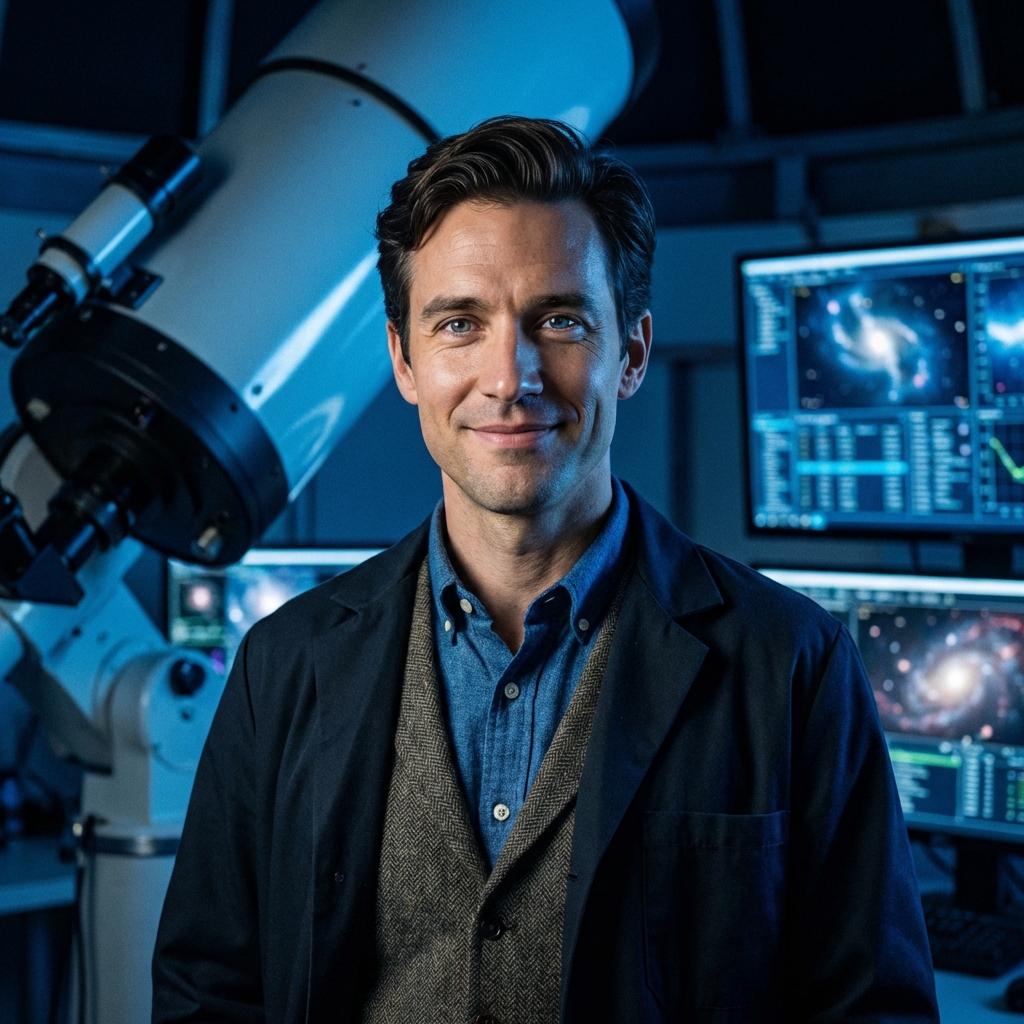
 William Nye

⏱ 20 min
The average human life expectancy has more than doubled in the last century, from approximately 32 years in 1900 to over 72 years globally today. Yet, this progress pales in comparison to the ambitious goal now driving cutting-edge research: the quest for biological immortality. Scientists are not merely seeking to extend lifespan, but to halt or even reverse the aging process itself, aiming for indefinite healthspan. This pursuit, once relegated to science fiction, is now a tangible endeavor unfolding within the sterile confines of laboratories worldwide.
The Dawn of Longevity Science
The modern pursuit of extended lifespan is not a sudden phenomenon. For centuries, humanity has dreamt of eternal life, from mythological tales of ambrosia to alchemical quests for the elixir of youth. However, it is only in recent decades that scientific understanding has begun to unlock the biological underpinnings of aging, transforming these age-old aspirations into a burgeoning field of scientific inquiry. This shift from philosophical speculation to empirical investigation marks a pivotal moment in human history, prompting a re-evaluation of our fundamental biological limitations. The initial breakthroughs were largely observational, identifying patterns and correlates of aging across different species. Early research focused on understanding the physiological decline associated with advanced age, noting phenomena like reduced organ function, increased susceptibility to disease, and the gradual accumulation of cellular damage. These observations laid the groundwork for more targeted investigations into the specific molecular and cellular processes that drive this decline. As our understanding of genetics and molecular biology advanced, so too did the sophistication of longevity research. The identification of genes that influence lifespan in model organisms, such as yeast, worms, and flies, provided crucial clues. Experiments manipulating these genes revealed that aging is not an immutable fate but a complex biological process that can, in principle, be modified. This paradigm shift fueled the development of new research methodologies and spurred significant investment in the field.From Observation to Intervention
Early interventions were largely lifestyle-focused, emphasizing diet, exercise, and stress management, all of which have demonstrated positive impacts on healthspan. However, the current frontier moves far beyond these general recommendations. Researchers are now exploring specific molecular pathways and cellular mechanisms that, when targeted, could potentially slow, stop, or even reverse the aging process at a fundamental biological level. This includes exploring interventions that address the root causes of cellular deterioration rather than just managing its symptoms. The scientific community's growing consensus is that aging is not a single process but a multifaceted phenomenon involving several interconnected hallmarks, each a potential target for therapeutic intervention.Unraveling the Mechanisms of Aging
Aging is a complex, multi-factorial process, and scientists have identified several key hallmarks that contribute to it. Understanding these hallmarks is crucial for developing effective interventions. These interconnected processes represent vulnerabilities in our biological machinery that, over time, lead to functional decline and increased disease risk. One of the most widely studied hallmarks is genomic instability. Our DNA is constantly bombarded by internal and external stressors, leading to mutations and damage. While cells have repair mechanisms, they are not foolproof, and the accumulation of errors over time can disrupt cellular function and contribute to aging. This instability can manifest in various ways, from point mutations to larger chromosomal abnormalities, each with potentially detrimental consequences. Another critical factor is cellular senescence. Senescent cells are cells that have stopped dividing, often due to damage or stress. While senescence plays a role in wound healing and preventing cancer in younger organisms, the accumulation of senescent cells in older tissues can promote inflammation and tissue dysfunction. These "zombie cells" secrete a cocktail of inflammatory molecules that can damage surrounding healthy cells, contributing to the chronic, low-grade inflammation characteristic of aging, often termed "inflammaging." Mitochondrial dysfunction is also a significant contributor. Mitochondria, the powerhouses of our cells, become less efficient with age, producing less energy and more harmful reactive oxygen species (ROS). This impaired energy production and increased oxidative stress can damage cellular components and impair overall cellular health, impacting tissues throughout the body.The Role of Epigenetic Alterations
Beyond DNA sequence changes, epigenetic modifications – alterations in gene expression that don't change the underlying DNA sequence – also play a critical role. These modifications, which include DNA methylation and histone modifications, act like switches that control which genes are turned on or off. With age, these epigenetic patterns can become dysregulated, leading to inappropriate gene expression and contributing to cellular dysfunction. Reversing or resetting these epigenetic clocks is a major focus of current research, with the potential to rejuvenate cells and tissues.Loss of Proteostasis and Stem Cell Exhaustion
The ability of cells to maintain the proper structure and function of their proteins, known as proteostasis, declines with age. This can lead to the accumulation of misfolded or damaged proteins, which can interfere with cellular processes and contribute to age-related diseases like Alzheimer's and Parkinson's. Furthermore, stem cells, responsible for tissue repair and regeneration, become exhausted or dysfunctional with age, diminishing the body's ability to repair itself. This exhaustion contributes to the overall decline in tissue function and resilience.| Hallmark of Aging | Description | Impact |
|---|---|---|
| Genomic Instability | Accumulation of DNA damage and mutations | Cellular dysfunction, increased cancer risk |
| Telomere Attrition | Shortening of protective caps on chromosomes | Cellular senescence, impaired cell division |
| Epigenetic Alterations | Changes in gene expression patterns | Dysregulated cellular function, loss of cell identity |
| Loss of Proteostasis | Impaired protein maintenance and clearance | Accumulation of damaged proteins, cellular toxicity |
| Deregulated Nutrient Sensing | Dysregulation of metabolic pathways | Impaired energy production, increased oxidative stress |
| Mitochondrial Dysfunction | Decreased efficiency of cellular powerhouses | Reduced energy, increased ROS production |
| Cellular Senescence | Accumulation of non-dividing cells | Inflammation, tissue dysfunction |
| Stem Cell Exhaustion | Depletion or dysfunction of regenerative cells | Reduced tissue repair and regeneration |
| Altered Intercellular Communication | Changes in signaling between cells | Inflammation, immune dysregulation |
The Cellular Clock: Telomeres and Senescence
Two of the most prominent cellular indicators of aging are telomere attrition and cellular senescence. Telomeres are protective caps at the ends of our chromosomes, preventing them from fraying or fusing with other chromosomes. Each time a cell divides, its telomeres shorten, acting like a biological clock. Once telomeres become critically short, the cell enters a state of senescence, halting further division to prevent potentially harmful genetic damage. While this mechanism is crucial for preventing cancer by limiting the proliferation of damaged cells, the accumulation of senescent cells over time is detrimental. These cells don't just stop dividing; they actively secrete a range of pro-inflammatory molecules, growth factors, and proteases, a mix known as the Senescence-Associated Secretory Phenotype (SASP). The SASP can damage surrounding healthy tissues, promote chronic inflammation, and contribute to the development of age-related diseases, including cardiovascular disease, arthritis, and neurodegenerative disorders.Targeting Senescent Cells: Senolytics
The discovery of senescent cells and their detrimental effects has opened up a new therapeutic avenue: senolytics. These are drugs designed to selectively clear senescent cells from the body. Early research and clinical trials have shown promising results, with senolytics demonstrating the ability to alleviate symptoms and improve function in preclinical models of various age-related conditions. By clearing these "zombie cells," senolytics aim to reduce inflammation and restore tissue function, potentially leading to improved healthspan.The Telomerase Paradox
The enzyme telomerase can rebuild telomeres, effectively resetting the cellular clock. While this might sound like a direct path to immortality, its role is complex. In cancer cells, telomerase is often reactivated, allowing them to divide indefinitely and form tumors. Therefore, simply activating telomerase in all cells could increase cancer risk. The challenge lies in finding ways to safely and selectively reactivate telomerase or extend telomere length without promoting oncogenesis. Research is exploring controlled activation or partial extension to achieve rejuvenation without the dangerous side effects.Telomere Length vs. Age
Genetic Engineering and CRISPRs Role
The advent of powerful gene-editing technologies like CRISPR-Cas9 has revolutionized the potential for intervening in the aging process at its most fundamental level. These tools allow scientists to precisely alter DNA sequences, opening doors to correcting genetic predispositions to age-related diseases and even modifying genes known to influence lifespan. CRISPR technology works like a molecular scissor, guided to a specific DNA sequence where it can make a cut. This cut can then be used to disable a gene, insert a new gene, or correct a faulty one. In the context of aging, researchers are exploring several applications. One area is the correction of genes associated with accelerated aging syndromes, such as Hutchinson-Gilford Progeria Syndrome, a rare genetic disorder that causes children to age rapidly.Beyond Disease: Modulating Longevity Genes
The potential extends beyond rare diseases. Scientists are identifying genes that are naturally associated with longer lifespans in certain populations or model organisms. For instance, variations in genes like FOXO3 have been linked to exceptional longevity in humans. CRISPR could, in theory, be used to introduce these beneficial genetic variants into individuals, potentially increasing their inherent resistance to age-related decline. Furthermore, gene editing is being used to investigate and manipulate pathways implicated in aging, such as those related to metabolism and cellular repair. By understanding the precise genetic controls of these pathways, researchers can develop targeted therapies to slow down the aging process.Ethical Considerations and Off-Target Effects
Despite the immense promise, the application of CRISPR in human aging raises significant ethical questions. Modifying the human germline (sperm, egg, or embryo) would result in heritable changes, affecting future generations. The long-term consequences of such modifications are largely unknown, and the potential for unintended "off-target" edits – unintended changes to the DNA elsewhere in the genome – remains a concern, necessitating rigorous safety protocols and extensive public discourse.100+
Potential Longevity Genes Identified
10-20
Years of Research in Gene Therapy for Aging
~99%
Target Specificity (CRISPR)
The Promise of Regenerative Medicine
Regenerative medicine offers a complementary, and in many ways, synergistic approach to extending human healthspan. Instead of solely focusing on slowing down the aging process, regenerative medicine aims to repair or replace damaged tissues and organs, effectively rejuvenating the body. This field leverages the body's own regenerative capabilities, augmented by advanced scientific techniques. One of the most exciting areas within regenerative medicine is the use of stem cells. Stem cells, particularly induced pluripotent stem cells (iPSCs), can be generated from a patient's own somatic cells (like skin cells) and then differentiated into virtually any cell type in the body. This means that damaged heart muscle cells, neurons, or pancreatic beta cells could, in theory, be grown in a lab and transplanted back into the patient to restore function.Bio-engineering Tissues and Organs
Beyond cell-based therapies, bio-engineering is making strides in creating functional tissues and even entire organs for transplantation. Researchers are using scaffolds, often made from biocompatible materials, and seeding them with cells to create structures that mimic native tissues. This could eventually lead to a supply of organs for transplantation, eliminating the need for donors and the associated risks of rejection. Imagine growing a new kidney or liver for someone suffering from organ failure.Rejuvenation Therapies and Tissue Engineering
Another frontier is the development of therapies that can rejuvenate existing tissues. This involves stimulating the body's own repair mechanisms or using factors that promote cellular health and function. For example, certain growth factors or signaling molecules are being investigated for their ability to improve muscle regeneration, enhance skin elasticity, or boost cognitive function. The convergence of stem cell therapy, bio-printing, and molecular rejuvenation techniques holds immense potential for a holistic approach to combating the effects of aging."We are moving from a paradigm of simply managing age-related diseases to one where we aim to reverse or slow the aging process itself. Regenerative medicine is a cornerstone of this transition, offering the prospect of not just longer lives, but healthier, more functional lives." — Dr. Anya Sharma, Lead Researcher, Institute for Cellular Regeneration
Ethical Frontiers and Societal Impact
The pursuit of radical life extension and potential immortality is not just a scientific endeavor; it is a profound philosophical and societal challenge. As we inch closer to understanding and manipulating the aging process, a host of ethical dilemmas and societal implications emerge, demanding careful consideration and robust debate. One of the most immediate concerns is equity and access. If life-extension technologies become a reality, who will have access to them? Will they be available only to the wealthy, exacerbating existing societal inequalities and creating a stark divide between the "immortal" elite and the mortal masses? The potential for a new form of class struggle, based on biological advantage, is a serious prospect.The Definition of Life and Death
What does it mean to be alive if aging and death are no longer inevitable biological endpoints? The concept of a "natural" lifespan will be challenged, and our understanding of life stages, retirement, and legacy may need to be fundamentally re-evaluated. Furthermore, the psychological impact of near-immortality could be immense, potentially leading to existential ennui or a stagnation of societal progress if individuals no longer feel the urgency of mortality.Overpopulation and Resource Management
The prospect of significantly extended lifespans, coupled with potentially maintained or even increased birth rates, raises serious concerns about overpopulation and the strain on global resources. Earth's carrying capacity is finite, and a drastically reduced death rate would necessitate a radical rethinking of resource allocation, food production, energy consumption, and environmental sustainability. The exploration of life extension also forces us to confront our deepest fears and desires. While the prospect of escaping death is alluring, it also raises questions about purpose, meaning, and the natural cycle of life and renewal. These are not merely academic discussions but urgent considerations that will shape the future of humanity.The Biotech Frontier: Key Players and Investments
The quest for hacking human lifespan has attracted significant attention and investment from both established pharmaceutical giants and a burgeoning ecosystem of biotech startups. This surge in interest underscores the perceived potential of longevity science to revolutionize healthcare and create entirely new markets. Companies like Altos Labs, backed by some of the wealthiest individuals and corporations, are at the forefront of cellular reprogramming, aiming to restore cells to a more youthful state. Elysium Health is developing supplements and interventions based on NAD+ metabolism, a pathway linked to cellular energy production and repair, which declines with age. Unity Biotechnology is focusing on developing senolytic drugs to clear senescent cells.Venture Capital and Corporate Investment
Venture capital firms are pouring billions of dollars into longevity research, recognizing the immense market potential. This capital is fueling rapid innovation, accelerating the pace of discovery, and bringing promising therapies closer to clinical trials. Established players in the pharmaceutical industry are also increasingly investing in or acquiring longevity-focused biotech companies, signaling a growing belief in the viability of these technologies.The Road Ahead: From Lab to Clinic
While the progress is remarkable, it is crucial to remember that many of these interventions are still in early stages of development. Rigorous clinical trials are necessary to prove safety and efficacy in humans. The transition from promising preclinical data to approved therapies is a long and challenging process. Nevertheless, the dedication of scientists and the influx of investment suggest that the quest for extending human healthspan is no longer a distant dream, but a scientific and commercial imperative. The coming decades will undoubtedly witness groundbreaking advancements, forcing us to confront what it truly means to live a long and healthy life."The convergence of artificial intelligence, genomics, and advanced molecular biology is accelerating our understanding of aging at an unprecedented rate. We are on the cusp of interventions that could profoundly impact human health and longevity, but it is vital to proceed with caution, rigor, and a deep sense of ethical responsibility." — Dr. Jian Li, Chief Scientific Officer, Genesis Longevity Institute
For more information on the science of aging, you can consult:
What is the difference between lifespan and healthspan?
Lifespan refers to the total duration of a person's life. Healthspan, on the other hand, refers to the period of life spent in good health, free from chronic diseases and debilitating conditions. The goal of longevity science is not just to extend lifespan, but to maximize healthspan, ensuring that the added years are lived productively and comfortably.
Are there any approved drugs that can reverse aging?
Currently, there are no approved drugs that can "reverse" aging in humans. However, several promising therapeutic approaches are in various stages of research and clinical trials, including senolytics (drugs that clear senescent cells), NAD+ boosters, and interventions targeting epigenetic pathways.
Could genetic engineering make humans immortal?
While genetic engineering offers powerful tools to understand and potentially modify genes associated with aging and longevity, achieving true biological immortality through this method is highly speculative and faces significant scientific and ethical hurdles. The goal is more realistically focused on significantly extending healthy lifespan and preventing age-related diseases.
What are the biggest ethical concerns surrounding longevity research?
The primary ethical concerns include equitable access to longevity treatments, the potential for exacerbating social inequalities, the philosophical implications of a significantly extended human lifespan on society and individual purpose, and the potential for unintended consequences of manipulating fundamental biological processes.