

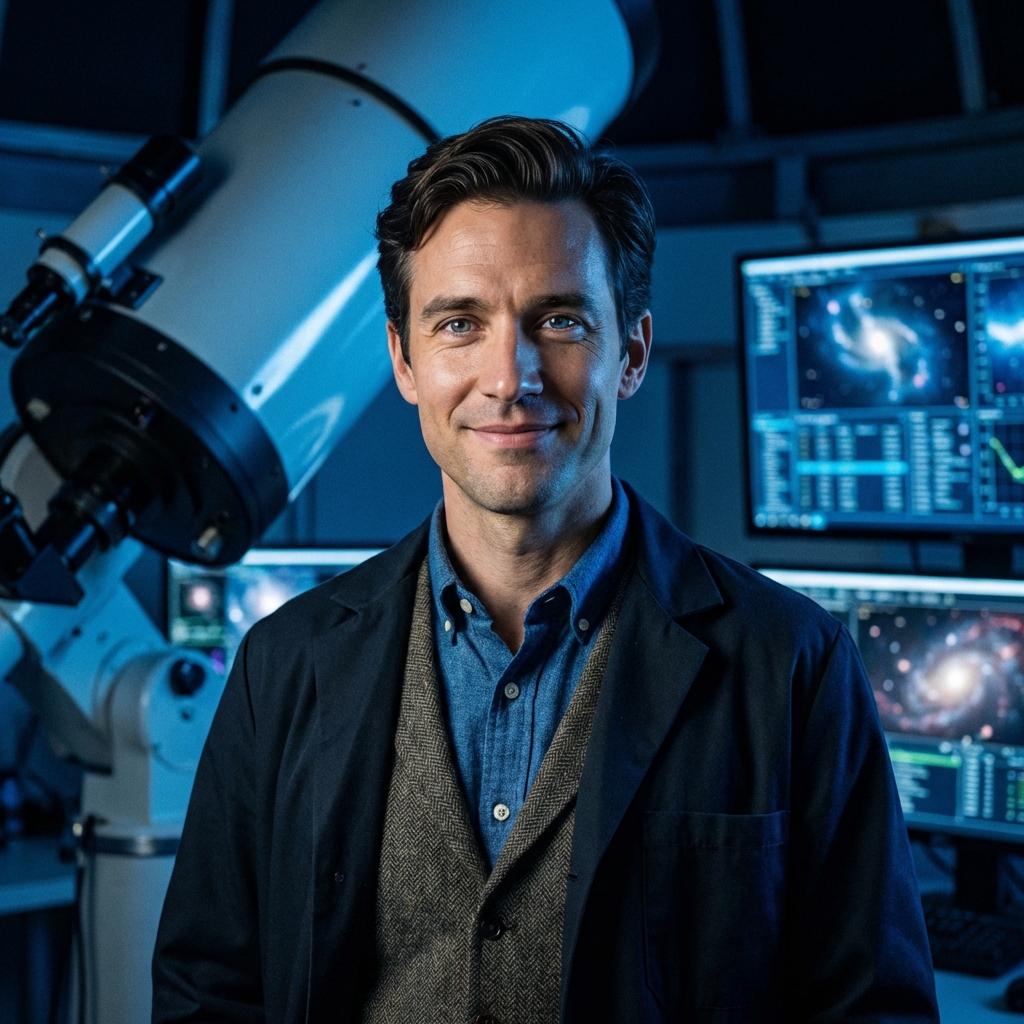
 Dr. Alan Grant

The average human lifespan has nearly doubled in the last century, from around 30 years in 1900 to over 72 years globally today. Yet, for many, this progress is merely a prelude to a far grander ambition: not just living longer, but living indefinitely. The quest for immortality, once confined to mythology and philosophical discourse, has firmly landed in the laboratories of cutting-edge science, where researchers are meticulously dissecting the aging process and developing interventions to rewind the clock. This is the story of the audacious race to extend human lifespan, driven by profound scientific breakthroughs and an unyielding human desire to conquer our ultimate biological limit.
The Enduring Human Dream: Chasing Immortality
For millennia, humanity has pondered the ultimate ephemeral nature of life. Ancient texts are replete with tales of elixirs, fountains of youth, and divine interventions promising eternal life. These narratives, while fantastical, reflect a deep-seated human aspiration. Today, this ancient dream is being systematically pursued through rigorous scientific inquiry. The shift from mythological speculation to empirical investigation marks a pivotal moment in our understanding of mortality. Scientists are no longer content with merely treating age-related diseases; they aim to address the root cause of aging itself.
This pursuit is not just about adding years to life, but about adding life to years, ensuring that extended lifespans are accompanied by robust health and cognitive function. The concept of "healthspan" – the period of life spent in good health – is now as crucial, if not more so, than lifespan. The implications of significantly extending human life are vast, touching upon societal structures, economies, and our very definition of what it means to be human.
A Shifting Paradigm in Healthcare
Traditionally, medicine has focused on treating diseases as they arise. The advent of gerontology and the burgeoning field of longevity science are shifting this paradigm. Instead of viewing aging as an inevitable decline, it is increasingly understood as a biological process that can be influenced, slowed, and potentially even reversed. This fundamental reinterpretation is paving the way for entirely new therapeutic approaches.
The goal is to create a future where advanced age does not automatically equate to frailty, chronic illness, and cognitive impairment. This ambitious vision requires a multi-faceted approach, integrating insights from genetics, molecular biology, cellular biology, and even computer science. The collective effort is creating a dynamic and rapidly evolving landscape of scientific discovery.
Unraveling the Biology of Aging: The Hallmarks of Decline
The scientific consensus is coalescing around a set of "hallmarks of aging," a framework that identifies the fundamental biological processes underlying cellular and organismal aging. Understanding these hallmarks is paramount to developing effective interventions. These are not isolated events but interconnected mechanisms that drive the gradual deterioration of our bodies over time.
Researchers have identified several key players in this complex process. These include genomic instability, telomere attrition, epigenetic alterations, loss of proteostasis, deregulated nutrient sensing, mitochondrial dysfunction, cellular senescence, stem cell exhaustion, and altered intercellular communication. Each of these hallmarks represents a potential target for therapeutic intervention, offering a roadmap for the longevity research community.
| Hallmark | Description | Implications |
|---|---|---|
| Genomic Instability | Accumulation of DNA damage over time. | Increased risk of mutations, cancer, and cellular dysfunction. |
| Telomere Attrition | Shortening of protective caps on chromosomes with each cell division. | Leads to cellular senescence and impaired tissue regeneration. |
| Epigenetic Alterations | Changes in gene expression without altering the DNA sequence. | Disruption of cellular identity and function, contributing to age-related diseases. |
| Loss of Proteostasis | Failure to maintain the proper structure and function of proteins. | Aggregation of misfolded proteins, leading to neurodegenerative diseases like Alzheimer's. |
| Deregulated Nutrient Sensing | Dysregulation of metabolic pathways that sense nutrient availability. | Implicated in metabolic disorders, cancer, and shortened lifespan. |
| Mitochondrial Dysfunction | Impaired function of cellular powerhouses, leading to reduced energy production and increased oxidative stress. | Contributes to cellular aging and organ failure. |
| Cellular Senescence | Cells enter a state of permanent growth arrest, secreting pro-inflammatory factors. | Promotes tissue inflammation, fibrosis, and aging-related pathologies. |
| Stem Cell Exhaustion | Depletion and impaired function of stem cells responsible for tissue repair and regeneration. | Limits the body's ability to repair damage and maintain tissue homeostasis. |
| Altered Intercellular Communication | Changes in signaling between cells, including chronic inflammation. | Contributes to systemic aging and the development of multiple age-related diseases. |
The Role of DNA Damage and Repair
Our DNA is constantly bombarded by internal and external factors, leading to damage. While cells possess sophisticated repair mechanisms, these become less efficient with age. The accumulation of DNA errors can lead to mutations, cellular dysfunction, and ultimately, contribute to aging and disease. Research into enhancing DNA repair pathways is a significant area of focus.
Scientists are exploring ways to bolster these natural repair systems or to introduce novel repair mechanisms. This could involve targeting specific enzymes involved in DNA repair or developing gene therapies to correct damaged DNA. The ultimate goal is to maintain genomic integrity throughout an individual's life, mitigating a primary driver of aging.
Telomeres: The Biological Clocks Hands
Telomeres are protective caps at the ends of our chromosomes, analogous to the plastic tips on shoelaces that prevent fraying. With each cell division, telomeres shorten. When they become too short, the cell can no longer divide and enters senescence or undergoes programmed cell death. This process is often referred to as the "end replication problem."
The enzyme telomerase can lengthen telomeres, and its activity is crucial for stem cells and germ cells to maintain their replicative potential. However, in most somatic cells, telomerase activity is low or absent. Activating telomerase in adult cells could potentially extend their lifespan, but this also raises concerns about cancer, as uncontrolled cell proliferation is a hallmark of malignancy. Balancing the benefits and risks is a key challenge.
The Genetic Frontier: CRISPR and Beyond
The advent of gene-editing technologies, most notably CRISPR-Cas9, has revolutionized our ability to manipulate DNA. This powerful tool allows scientists to precisely cut, modify, and insert genetic material, opening up unprecedented possibilities for treating genetic diseases and, more ambitiously, for influencing the aging process itself.
CRISPR technology is being explored for its potential to correct age-related genetic mutations, to enhance the expression of genes that promote longevity, or to silence genes associated with aging. The precision of CRISPR offers a level of control over our genetic code that was previously unimaginable, making it a cornerstone of many longevity research initiatives.
Gene Therapies for Age-Related Conditions
Beyond simply editing genes, gene therapy involves introducing new genetic material into cells to confer a therapeutic benefit. In the context of aging, this could mean delivering genes that boost cellular repair mechanisms, enhance mitochondrial function, or improve immune responses. Several research groups are investigating gene therapies for specific age-related diseases like osteoarthritis or macular degeneration.
The long-term vision is to develop systemic gene therapies that can address the root causes of aging throughout the body. This would involve sophisticated delivery systems to ensure that the therapeutic genes reach the target cells effectively and safely. The potential for a single treatment to have a broad impact on multiple aging processes is a tantalizing prospect.
The Promise and Peril of Epigenetic Reprogramming
Epigenetic modifications are like software that tells our genes when and how to run. Over time, these epigenetic patterns can become corrupted, leading to cellular dysfunction. Epigenetic reprogramming aims to "reset" these patterns, essentially turning back the cellular clock. Early research, notably using Yamanaka factors, has shown that it's possible to reprogram adult cells to a more youthful state.
However, applying this to whole organisms is significantly more complex and carries risks. Researchers are working on transient reprogramming methods that can rejuvenate cells without causing them to lose their specialized identity or to become cancerous. The goal is to restore youthful epigenetic landscapes, thereby combating many aspects of aging.
Senolytics and Cellular Rejuvenation: Clearing the Clutter
One of the most promising avenues in longevity research involves targeting cellular senescence. Senescent cells are cells that have stopped dividing but remain metabolically active, often secreting inflammatory molecules that damage surrounding tissues and promote aging. These "zombie cells" accumulate with age and are implicated in a wide range of age-related diseases.
Senolytics are drugs designed to selectively clear these senescent cells from the body. By eliminating these problematic cells, researchers hope to reduce inflammation, improve tissue function, and alleviate symptoms associated with aging. The development of effective and safe senolytic therapies is a major focus for many biotech companies.
Beyond Senolytics: Cellular Rejuvenation Strategies
While senolytics focus on removing aged cells, other approaches aim to rejuvenate existing cells. This includes strategies to improve mitochondrial efficiency, enhance protein quality control, and restore telomere length. The idea is to revitalize cells rather than just eliminate the unhealthy ones.
Metabolic interventions, such as caloric restriction or intermittent fasting, have long been associated with increased lifespan in animal models, and are thought to work by improving cellular stress resistance and metabolic health. Research is exploring pharmacological mimics of these effects, such as rapamycin and metformin, which target nutrient-sensing pathways.
Stem Cell Therapies and Regenerative Medicine
Stem cells have the remarkable ability to differentiate into various cell types and to repair damaged tissues. As we age, our stem cell populations decline and their regenerative capacity diminishes. Stem cell therapies aim to replenish or enhance these populations, thereby improving the body's ability to repair itself.
This field is rapidly advancing, with potential applications ranging from treating organ damage to restoring youthful function to aging tissues. Challenges include ensuring the safety and efficacy of transplanted cells and overcoming potential immune rejection. However, the promise of regenerative medicine for combating age-related decline is immense.
The Longevity Ecosystem: Startups, Investors, and Ethical Debates
The scientific pursuit of longevity has ignited a vibrant and rapidly expanding commercial ecosystem. Venture capital firms are pouring billions of dollars into startups focused on everything from drug discovery and gene editing to diagnostics and personalized longevity plans. This influx of capital is accelerating research and development at an unprecedented pace.
Companies like Altos Labs, backed by some of the world's wealthiest individuals, are investing heavily in cellular rejuvenation research. Other startups are focusing on developing senolytics, optimizing metabolic health, or creating advanced diagnostics to track biological age. This commercial interest is a powerful engine driving innovation in the field.
The Investment Landscape
The sheer scale of investment in longevity is staggering. Funds are being raised for companies developing novel therapeutics, advanced diagnostics, and even bio-manufacturing facilities. This has created a competitive landscape where innovation and speed are paramount. Universities and research institutions are also spinning out companies at an increased rate, translating basic science discoveries into potential commercial products.
This "longevity venture capital" boom signifies a growing belief among investors that extending human healthspan and lifespan is not just a scientific possibility but a lucrative market opportunity. The rapid growth of this sector is reshaping the biotechnology industry.
Ethical Considerations and Societal Impact
As the prospect of significantly extended lifespans moves closer to reality, profound ethical questions arise. Who will have access to these life-extending technologies? Will they exacerbate existing social and economic inequalities? What are the implications for retirement, social security systems, and the global population?
Discussions around equity, access, and the potential for a "longevity divide" are becoming increasingly important. Scientists, ethicists, policymakers, and the public must engage in these conversations to ensure that the benefits of longevity science are shared broadly and responsibly. The potential for societal disruption is as significant as the scientific promise.
Reuters: Longevity tech boom shows no sign of slowing down
Challenges and the Horizon: Bridging Science and Society
Despite the remarkable progress, significant hurdles remain in the quest for radical life extension. Translating laboratory breakthroughs into safe and effective human therapies is a complex, lengthy, and expensive process. Many promising discoveries in animal models do not translate well to humans, and the long-term effects of many interventions are still unknown.
Furthermore, the regulatory pathways for approving longevity interventions are not yet clearly defined, as most existing frameworks are designed for treating specific diseases rather than targeting the aging process itself. This creates a challenging environment for researchers and companies aiming to bring these novel therapies to market.
The Rigors of Clinical Trials
The path from laboratory to clinic is arduous. Rigorous clinical trials are essential to demonstrate the safety and efficacy of any potential longevity intervention. These trials must be carefully designed to account for the complex nature of aging, which affects multiple organ systems simultaneously. Measuring success in these trials often involves assessing not just lifespan, but also various biomarkers of aging and the incidence of age-related diseases.
The ethical considerations in human trials are also paramount, especially when dealing with interventions that aim to alter fundamental biological processes. Ensuring informed consent, managing patient expectations, and monitoring for unforeseen side effects are critical aspects of responsible clinical research.
Public Perception and Misinformation
The concept of significantly extending human lifespan can be met with both excitement and skepticism. Public perception is often shaped by sensationalized media reports or a misunderstanding of the scientific complexities involved. Combating misinformation and fostering informed public discourse are crucial for the responsible development and adoption of longevity technologies.
Educating the public about the scientific basis of aging, the current limitations of research, and the ethical considerations is vital. Transparency and clear communication from scientists and researchers are key to building trust and ensuring that societal conversations about longevity are grounded in reality.
The Future of Human Lifespan: A Glimpse Ahead
The quest for immortality is no longer science fiction; it is a tangible scientific endeavor with the potential to reshape the human experience. While a definitive "cure" for aging remains elusive, the ongoing research is already yielding significant insights into how we can improve healthspan and potentially extend lifespan. The coming decades promise to be a period of unprecedented progress in our understanding and manipulation of the aging process.
Whether we will achieve true biological immortality is a question that only time can answer. However, the journey itself is yielding powerful tools and knowledge that can alleviate suffering, enhance human well-being, and fundamentally alter our relationship with time. The labs racing to extend human lifespan are not just pursuing a scientific challenge; they are engaged in one of humanity's oldest and most profound aspirations.