

 David Chen
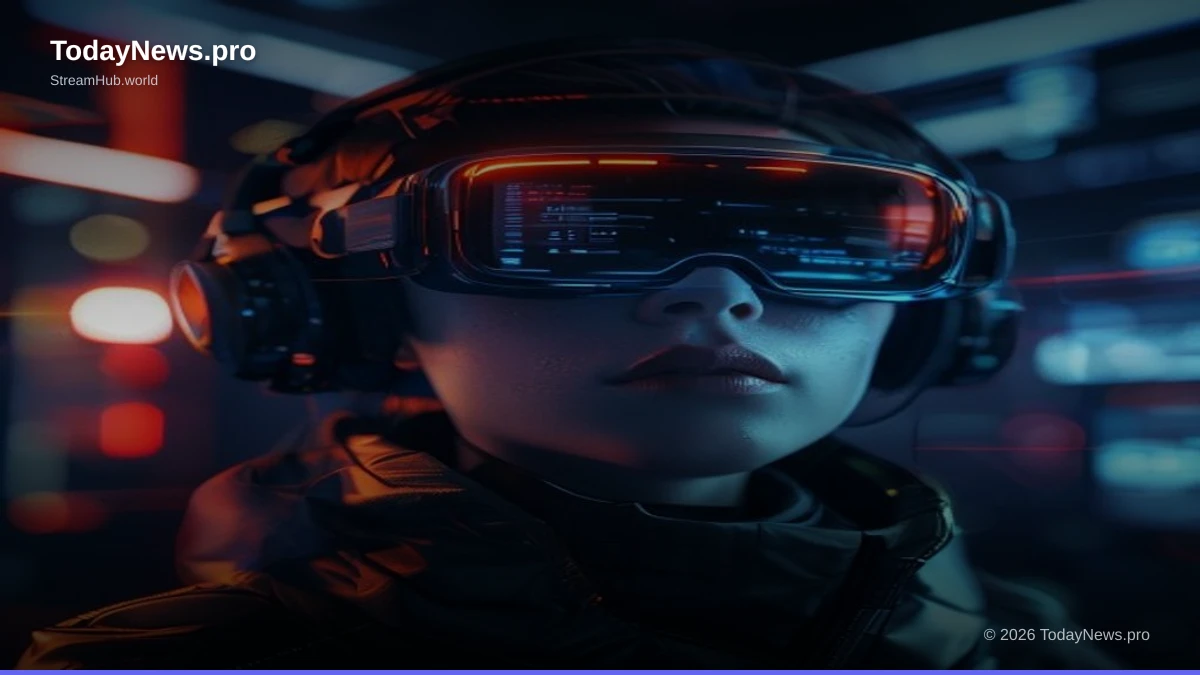
The Maturing Metaverse: Beyond the Buzzwords
The term "metaverse" has been a lightning rod for both visionary optimism and cynical dismissal. For years, it conjured images of clunky avatars and unfulfilled promises. However, as we approach the latter half of the 2020s, the narrative is subtly but surely shifting. The metaverse is no longer a distant, nebulous concept; it is becoming a series of interconnected, practical applications that are beginning to deliver demonstrable value across various industries. This evolution is driven by advancements in Extended Reality (XR) hardware, improvements in network infrastructure (particularly 5G and beyond), and a growing understanding of how to design and deploy truly engaging and functional virtual experiences. The focus has moved from simply building virtual worlds to creating utility within them.Defining the Practical Metaverse
What constitutes the "practical metaverse" in 2026-2030 is a departure from early interpretations. It’s less about a single, monolithic digital universe and more about a spectrum of persistent, interactive virtual and augmented environments. These spaces are designed for specific purposes, whether it's collaborating on a complex design, simulating a surgical procedure, or attending a product launch. The key differentiator is utility – these metaverses are solving real-world problems and creating new opportunities, rather than merely replicating existing ones in a digital format.
The underlying technologies enabling this practical integration include:
- XR Hardware: Lighter, more powerful, and more affordable VR headsets and AR glasses are becoming mainstream.
- Spatial Computing: The ability for computers to understand and interact with the physical world in 3D.
- Blockchain and NFTs: Providing secure ownership, provenance, and monetization for digital assets.
- AI and Machine Learning: Powering intelligent virtual agents, dynamic content generation, and personalized experiences.
- High-Speed Connectivity: Essential for seamless real-time interaction and data transfer.
Enterprise Adoption: Driving Efficiency and Collaboration
One of the most significant areas where the metaverse is demonstrating practical value is within the enterprise. Businesses are moving beyond experimental phases to integrate virtual environments for enhanced collaboration, training, and operational efficiency. The ability to overcome geographical barriers and provide immersive, shared experiences is proving invaluable for distributed workforces.Virtual Collaboration Spaces
In 2026-2030, virtual meeting rooms and collaborative workspaces will become standard tools for many global organizations. These spaces allow teams to interact in a more natural and engaging way than traditional video conferencing. Imagine architects walking through a 3D model of a building together, discussing design elements in real-time, or engineers collaboratively manipulating a complex piece of machinery in a virtual simulation before it’s physically built. This reduces travel costs, accelerates decision-making, and fosters a stronger sense of team cohesion, even when team members are thousands of miles apart.
Companies like Accenture and Deloitte are already investing heavily in their own metaverse platforms to facilitate internal operations and client engagements. These platforms are not just for meetings; they are evolving into persistent digital twins of office spaces, allowing employees to connect, socialize, and work together in a more dynamic environment.
Digital Twins and Industrial Applications
The concept of a "digital twin" – a virtual replica of a physical asset, process, or system – is a cornerstone of enterprise metaverse adoption. Industries such as manufacturing, energy, and logistics are leveraging these digital twins for predictive maintenance, operational optimization, and scenario planning. For example, a factory manager can monitor the performance of every machine in a virtual replica of the plant, identify potential issues before they cause downtime, and even simulate the impact of changes to production lines without disrupting physical operations. This level of insight and control translates directly into cost savings and increased output.
Employee Onboarding and Training
Traditional onboarding and training methods can be time-consuming and costly, especially for complex or hazardous roles. The metaverse offers a powerful alternative. New employees can be virtually immersed in their work environment, practice complex procedures in a safe, simulated setting, and interact with experienced colleagues as avatars. This not only accelerates the learning curve but also improves knowledge retention and reduces the risk of errors. For instance, a petrochemical plant can train its new operators on emergency response protocols in a realistic, risk-free virtual environment.
| Industry | Key Metaverse Applications (2026-2030) | Projected ROI Increase |
|---|---|---|
| Manufacturing | Digital Twins, Remote Assistance, Virtual Prototyping, Training | 15-25% |
| Architecture & Engineering | Collaborative Design Reviews, Virtual Site Visits, Client Presentations | 10-20% |
| Logistics & Supply Chain | Warehouse Management Simulation, Route Optimization, Remote Monitoring | 12-22% |
| Professional Services | Virtual Client Meetings, Immersive Presentations, Remote Workforce Collaboration | 8-18% |
Education and Training: Immersive Learning for a New Era
The educational landscape is poised for a significant transformation with the integration of metaverse technologies. From K-12 classrooms to higher education and vocational training, immersive experiences offer unparalleled opportunities for engagement, understanding, and skill development.Experiential Learning Beyond the Classroom
Textbooks and lectures can only convey so much. The metaverse allows students to step into history, explore the human body from the inside, or conduct complex science experiments without the limitations of physical resources or safety concerns. Imagine a history class where students can virtually visit ancient Rome, interact with historical figures (as AI-driven characters), and witness key events firsthand. This level of immersion fosters deeper understanding and a more memorable learning experience. Universities are beginning to develop virtual campuses where students can attend lectures, socialize, and participate in lab work, offering greater accessibility and flexibility.
Skill Development and Vocational Training
For fields requiring hands-on skills, such as medicine, engineering, or skilled trades, the metaverse provides a safe and cost-effective training ground. Aspiring surgeons can practice intricate procedures on virtual patients, learning from mistakes without real-world consequences. Mechanics can disassemble and reassemble virtual engines, while electricians can practice complex wiring in simulated environments. This not only enhances proficiency but also significantly reduces the cost and risk associated with training on expensive physical equipment.
The accessibility factor is also crucial. Students in remote or underserved areas can gain access to high-quality educational experiences previously unavailable to them. This democratizes learning and opens up new pathways to knowledge and skill acquisition.
Virtual Field Trips and Simulations
Field trips, a staple of traditional education, can be revolutionized. Instead of a single museum visit, students can embark on virtual expeditions to the Amazon rainforest to study biodiversity, explore the surface of Mars as part of a space science lesson, or delve into the intricacies of a functioning power plant for an engineering course. These simulations provide richer, more detailed, and more interactive learning than any physical excursion could offer, while also being significantly more scalable and cost-effective.
Healthcare: Revolutionizing Patient Care and Medical Education
The healthcare sector is a prime candidate for metaverse integration, offering profound benefits in medical training, patient care, and therapeutic applications. The ability to visualize complex anatomy, simulate procedures, and provide remote, immersive support is set to redefine healthcare delivery.Advanced Medical Training and Surgical Simulation
As mentioned in the education section, surgical simulation is a game-changer. Trainee surgeons can hone their skills in hyper-realistic virtual environments, practicing complex operations repeatedly with haptic feedback that mimics real tissue. This allows for the identification and correction of errors in a low-stakes setting, leading to more confident and competent surgeons. Furthermore, experienced surgeons can use these simulations to plan and rehearse for particularly challenging procedures on individual patients, using patient-specific anatomical models derived from medical scans.
This is not limited to surgery. Medical students can explore detailed 3D anatomical models, understand physiological processes through interactive simulations, and even practice patient communication skills with AI-powered virtual patients exhibiting various conditions and personalities.
Telemedicine and Remote Patient Monitoring
The metaverse can enhance telemedicine by offering more immersive consultations. Instead of a 2D video call, a doctor and patient could interact in a shared virtual space, allowing for better visual assessment and a more personal connection. For chronic conditions, remote monitoring can be integrated, where patients use connected devices that feed data into their virtual health profile, allowing healthcare providers to intervene proactively. Imagine a physical therapist guiding a patient through rehabilitation exercises in a shared virtual space, observing their form and providing real-time adjustments.
Therapeutic Applications and Mental Health
Beyond training and consultation, the metaverse is emerging as a powerful tool for therapy. Virtual reality (VR) has already shown promise in treating phobias, PTSD, anxiety, and pain management through exposure therapy and immersive relaxation environments. In the coming years, these applications will become more sophisticated, offering personalized therapeutic journeys within virtual worlds designed to address specific mental health challenges. For example, a patient with social anxiety could gradually acclimate to social situations in a controlled virtual environment before facing them in the real world.
The metaverse also holds potential for chronic pain management, offering patients distraction therapies and immersive environments that can help alleviate discomfort. It can also provide accessible support groups and community spaces for individuals facing similar health challenges, fostering a sense of connection and shared experience.
Retail and E-commerce: Bridging the Physical and Digital Shopper
The retail industry is actively exploring the metaverse to create richer, more engaging customer experiences that blur the lines between online and offline shopping. This evolution is driven by the desire to replicate the sensory and social aspects of in-store shopping in a digital realm.Immersive Shopping Experiences
Forget static product photos and flat descriptions. The metaverse allows retailers to create virtual storefronts where customers can browse products in 3D, interact with them, and even try them on virtually. Imagine walking through a virtual clothing boutique, examining a dress from all angles, seeing how it drapes on a customizable avatar, and instantly knowing the available sizes and colors. For electronics, customers could virtually place a television in their living room to see how it fits and looks before purchasing. This level of interactivity can significantly reduce return rates and increase purchase confidence.
Virtual Product Showcases and Launches
Brands can host elaborate virtual product launches, inviting customers from around the globe to experience new offerings in an engaging, event-like atmosphere. These launches can include interactive demonstrations, Q&A sessions with product designers, and exclusive virtual merchandise. This not only generates buzz and excitement but also provides valuable real-time feedback from consumers. Automotive companies, for instance, could allow potential buyers to explore a new car model in a virtual showroom, customize its features, and take a virtual test drive.
The integration of NFTs (Non-Fungible Tokens) allows for the creation of exclusive digital collectibles or ownership of virtual goods that can be linked to physical purchases, adding another layer of value and exclusivity for consumers.
Personalized Customer Service and Support
Virtual customer service agents, powered by AI and embodied as avatars, can provide personalized assistance within these virtual retail environments. They can answer questions, offer recommendations based on past behavior, and guide shoppers through their purchasing journey. This offers a more human-like interaction than traditional chatbots, enhancing the overall customer experience and building brand loyalty.
Furthermore, augmented reality (AR) will play a crucial role, allowing customers to overlay virtual products onto their real-world environment using their smartphones or AR glasses. This is particularly useful for furniture, home decor, and even art, helping consumers visualize how these items would fit and complement their existing spaces.
Entertainment and Social Interaction: The Evolving Digital Playground
The entertainment and social sectors are perhaps the most intuitive areas for metaverse adoption, offering new avenues for connection, creation, and consumption of digital content.Immersive Gaming and Interactive Experiences
Gaming has long been at the forefront of virtual worlds. The metaverse will elevate this by creating more persistent, interconnected gaming universes where players can not only play but also socialize, create, and even earn. Games will become more than just entertainment; they will evolve into social hubs where friendships are forged and communities thrive. Think of massively multiplayer online games (MMOs) that seamlessly blend with social platforms, allowing players to move between gaming, attending virtual concerts, or exploring digital art galleries with their friends.
Virtual Events and Concerts
The metaverse is revolutionizing how we experience live events. Virtual concerts, festivals, and conferences offer global accessibility, allowing anyone with an internet connection to attend. These events can be more interactive and personalized than their physical counterparts, with attendees able to choose their vantage point, interact with virtual performers or speakers, and connect with other attendees in a shared digital space. Artists can reach a wider audience and explore creative possibilities that might be impossible in a physical venue.
Major artists and event organizers have already experimented with these formats, and by 2026-2030, these will become a more established part of the entertainment landscape. The ability to attend a fashion show, a TED Talk, or a music festival from the comfort of one's home, with a sense of presence and shared experience, is a powerful proposition.
The Future of Social Connection
As digital natives grow up with these technologies, the metaverse will become an increasingly integral part of social life. It offers a way to maintain connections with friends and family regardless of distance, to meet new people with shared interests, and to express oneself through customizable avatars and virtual spaces. The ability to create and share personalized virtual environments will foster new forms of self-expression and community building, moving beyond passive consumption to active participation and co-creation.
However, it's crucial to consider the implications for mental well-being and the potential for digital addiction. Developers and platform providers will need to implement features that promote healthy engagement and prevent users from becoming overly immersed at the expense of real-world interactions.
Challenges and the Road Ahead
Despite the promising practical applications, the widespread adoption of the metaverse faces several significant hurdles that must be addressed between now and 2030. Overcoming these challenges will be critical for unlocking its full potential.Interoperability and Standardization
One of the biggest challenges is the lack of interoperability between different metaverse platforms. Currently, most virtual worlds are proprietary ecosystems, meaning users cannot easily transfer their avatars, assets, or identities between them. This fragmentation limits the seamless experience that the metaverse promises. The development of open standards and protocols, similar to those that govern the internet, will be essential for creating a truly interconnected metaverse. Organizations like the Metaverse Standards Forum are working towards this goal, but widespread adoption will take time.
Accessibility and Affordability
While XR hardware is becoming more accessible, high-end VR headsets and powerful computing devices remain expensive for many consumers. Furthermore, high-speed internet connectivity is not universally available. For the metaverse to be truly inclusive, these technological barriers need to be lowered. This includes developing more affordable and user-friendly hardware, as well as ensuring robust and widespread internet infrastructure. Initiatives to bridge the digital divide will be paramount.
Privacy, Security, and Ethics
The collection and use of vast amounts of personal data within virtual environments raise significant privacy concerns. Tracking user behavior, biometric data, and social interactions in the metaverse requires robust security measures and clear ethical guidelines. Issues such as digital identity verification, data ownership, and the prevention of harassment and abuse in virtual spaces need to be proactively addressed. Establishing clear regulations and responsible platform design will be crucial. Wikipedia has extensive resources on the metaverse, detailing its conceptual underpinnings and challenges.
Content Moderation and Governance
As virtual worlds become more populated, effective content moderation and governance systems will be vital. Preventing the spread of misinformation, hate speech, and illegal activities within these immersive environments poses a significant challenge. Establishing clear community guidelines, implementing AI-powered moderation tools, and creating mechanisms for user reporting and appeals will be necessary to maintain safe and productive virtual spaces. The governance models will need to evolve beyond those used for current online platforms.
The journey from hype to widespread, practical adoption of the metaverse is ongoing. The period between 2026 and 2030 will be characterized by significant innovation, refinement, and the gradual integration of metaverse technologies into the fabric of our personal and professional lives. The focus will remain firmly on utility, value creation, and user experience, moving beyond the initial speculative frenzy towards a more grounded and impactful digital future. For more on industry trends, you can refer to reports from Reuters.