

 David Chen
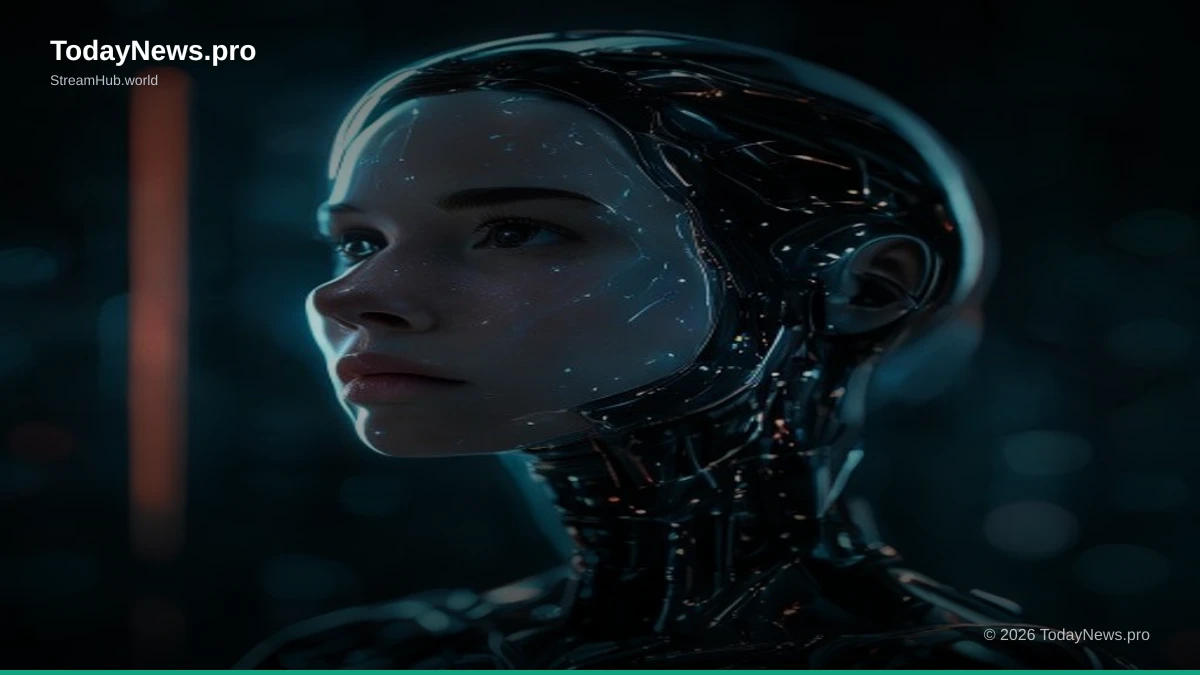
By 2025, an estimated 70% of individuals will interact with a personalized digital assistant at least once a day, a significant leap from the mere 15% who regularly engage with current voice assistants like Siri and Alexa.
Your Digital Twin: The Dawn of Hyper-Personalized AI Assistants
The concept of a "digital twin" is rapidly moving from the realm of industrial engineering and theoretical physics into our everyday lives, promising a profound shift in how we interact with technology. No longer are we talking about simple chatbots or voice assistants that execute commands. Instead, we are witnessing the genesis of highly personalized AI assistants, sophisticated digital replicas of ourselves, capable of understanding our nuances, anticipating our needs, and acting on our behalf. This evolution is driven by advancements in artificial intelligence, machine learning, and an ever-increasing volume of personal data, creating a future where technology is not just a tool, but an extension of our own identity.
These future digital assistants will go far beyond scheduling appointments or playing music. Imagine an AI that understands your stress levels based on your biometric data and calendar, proactively suggesting a break or a calming activity. Or an AI that has learned your dietary preferences and health goals, automatically ordering groceries or suggesting recipes tailored to your specific nutritional needs, even cross-referencing with your current health metrics.
The implications are vast, touching every facet of personal and professional life. From managing complex schedules across multiple devices and platforms to making informed financial decisions based on your risk tolerance and market analysis, the digital twin promises an unprecedented level of personalized support. This isn't science fiction anymore; it's the trajectory of technological development.
Beyond Siri and Alexa: The Evolution of AI Companions
The current generation of AI assistants, while impressive, operate on a relatively shallow understanding of user intent and context. They are excellent at executing specific commands but struggle with nuanced conversation, long-term memory, and proactive decision-making. The digital twin represents a quantum leap, moving from a reactive command-taker to a proactive, intuitive partner.
Early AI assistants like Apple's Siri, launched in 2011, were revolutionary for their time, bringing voice interaction into the mainstream. Amazon's Alexa, with its smart speaker ecosystem, further popularized hands-free interaction and smart home control. Google Assistant, integrated across Android devices and smart speakers, brought sophisticated search capabilities and contextual understanding to the fore. However, these systems are largely stateless; they don't remember past interactions or build a comprehensive profile of the user's evolving needs and preferences over extended periods.
The next generation of AI assistants, the nascent digital twins, will be characterized by deep learning capabilities, enabling them to infer context, understand emotional states, and predict future requirements. They will learn your unique communication style, your professional jargon, your personal quirks, and your long-term aspirations. This will allow for a level of interaction that feels less like commanding a machine and more like collaborating with an incredibly knowledgeable and attentive confidant.
This evolution is not just about functionality; it's about creating a more seamless and integrated technological experience. Your digital twin won't just manage your calendar; it will understand the importance of a particular meeting to your career trajectory and proactively block out prep time, even suggesting relevant research materials. It won't just remind you to take medication; it will monitor your vital signs and alert your doctor if an anomaly is detected, all while ensuring you are comfortable and informed throughout the process.
Building Your Digital Self: Data, Ethics, and Personalization
The creation of a functional digital twin hinges on the continuous collection and sophisticated processing of personal data. This data forms the bedrock upon which the AI learns, adapts, and ultimately, mirrors its human counterpart. However, this data-intensive process immediately brings to the forefront critical ethical considerations that must be addressed to ensure responsible development and deployment.
The Data Foundation
To build a truly personalized digital twin, an AI would need access to a vast array of data points. This includes, but is not limited to:
- Behavioral Data: How you spend your time, your routines, your online browsing habits, app usage patterns, and interaction styles.
- Biometric Data: Heart rate, sleep patterns, activity levels, and potentially even emotional indicators captured through wearables and sensors.
- Communication Data: Emails, text messages, voice calls (with consent), social media interactions, and professional correspondence.
- Preference Data: Stated likes and dislikes, purchase history, media consumption habits, and travel preferences.
- Contextual Data: Calendar entries, location history, and environmental factors.
This data, when analyzed by advanced machine learning algorithms, allows the digital twin to develop a nuanced understanding of your individual preferences, habits, motivations, and even your emotional state. For instance, by analyzing your sleep patterns, activity levels, and calendar, the twin could suggest the optimal time for a strenuous workout or a mentally demanding task.
The sheer volume and sensitivity of this data necessitate robust security protocols and transparent data governance. Users must have clear control over what data is collected, how it is used, and who has access to it. The promise of personalization is immense, but it must be built on a foundation of trust and security.
Navigating Ethical Minefields
The ethical landscape surrounding digital twins is complex and requires careful navigation. Key concerns include:
- Privacy: The continuous collection of personal data raises significant privacy concerns. Who owns this data? How is it protected from breaches or misuse? Transparent policies and strong encryption are paramount.
- Consent: Obtaining informed consent for data collection and usage is crucial. Users must understand what they are agreeing to and have the ability to revoke consent easily.
- Bias: AI models are trained on data, and if that data contains inherent biases, the AI will perpetuate them. Ensuring diverse and representative datasets is vital to avoid discriminatory outcomes.
- Autonomy and Agency: As AI becomes more proactive, there's a risk of diminishing human autonomy. Users must retain the ultimate decision-making power and not become overly reliant on their digital twin's recommendations.
- Security: A compromised digital twin could lead to identity theft, financial fraud, or manipulation. Robust cybersecurity measures are non-negotiable.
The development of digital twins must be guided by ethical frameworks that prioritize user well-being, transparency, and control. As highlighted by discussions on artificial intelligence ethics, frameworks are being developed to address these challenges. Organizations like the Reuters often report on the evolving regulatory landscape.
Proactive Technology: Anticipating Needs, Not Just Responding
The most transformative aspect of the digital twin is its shift from a reactive system to a proactive one. Instead of waiting for a command, it will anticipate your needs and offer solutions or take action before you even realize a need exists.
From Reactive to Predictive
Consider the current model: you want to book a flight. You open an app, search for flights, compare prices, and book. A proactive digital twin, knowing your travel history, your preferred airlines, your budget, and upcoming travel needs (perhaps inferred from your calendar or conversations), could present you with several pre-selected flight options for an upcoming trip, complete with itinerary adjustments for optimal arrival and departure times, all before you even start thinking about booking.
This predictive capability extends to health and well-being. If your digital twin monitors your sleep patterns and notices a consistent decline in quality, it might suggest adjusting your evening routine, reducing caffeine intake, or even scheduling a check-up with a sleep specialist. Similarly, if it detects early signs of stress based on your biometric data and communication patterns, it could suggest a mindfulness exercise, a short walk, or even reschedule less critical meetings.
The underlying technology for this shift involves sophisticated predictive analytics, anomaly detection, and causal inference models. By learning the complex interplay of your personal data, the AI can identify patterns that precede certain events or needs, allowing it to intervene effectively. This requires a deep understanding of temporal data and sequential modeling, areas where AI research is rapidly advancing.
The Smart Home and Beyond
The smart home is a prime example where proactive AI can revolutionize daily living. Imagine waking up and your home has already adjusted the thermostat to your preferred temperature, brewed your coffee, and displayed your personalized news briefing on a smart display. Your digital twin, having learned your morning routine, anticipated your needs, and communicated with your connected devices.
This proactive approach extends beyond the home. In a professional context, your digital twin could monitor industry news and flag critical updates relevant to your projects, or even draft initial responses to important emails based on your typical communication style. It could manage your professional network, identifying opportunities for collaboration or suggesting individuals to connect with based on your career goals and current projects.
The potential for productivity gains is enormous. By automating mundane tasks and proactively managing information, individuals can focus on higher-level thinking, creativity, and strategic decision-making. This is not about replacing human effort but augmenting it, freeing up cognitive resources for tasks that truly require human ingenuity.
The Economic and Societal Impact of Digital Twins
The widespread adoption of personalized AI assistants and proactive technology will undoubtedly reshape economies and societies in profound ways. The implications range from increased productivity and the creation of new industries to enhanced accessibility for individuals with disabilities.
Productivity Gains and New Industries
The ability of digital twins to automate routine tasks, manage complex information, and optimize decision-making promises significant productivity boosts across all sectors. Businesses will see improved efficiency, reduced operational costs, and faster innovation cycles. For individuals, this means more time for creative endeavors, strategic thinking, and personal development.
This technological shift will also spur the creation of entirely new industries. We can anticipate a surge in demand for AI ethicists, data scientists specializing in personalized AI, digital twin architects, and cybersecurity experts focused on protecting these highly sensitive digital identities. Companies that can develop and deploy sophisticated, ethical digital twin solutions will hold a significant competitive advantage.
The economic impact is likely to be substantial, potentially leading to increased GDP growth and a transformation of the job market. While some roles may be automated, new, higher-skilled jobs will emerge, demanding a continuous adaptation of the workforce's skillsets. As reported by organizations like Brookings, economic transformations are often driven by technological advancements.
The Accessibility Revolution
One of the most compelling societal benefits of digital twins lies in their potential to dramatically enhance accessibility for individuals with disabilities. For example, a digital twin could act as an advanced communication aid for individuals with speech impairments, translating their intentions into clear, articulate language in real-time. For those with mobility challenges, it could seamlessly manage their environment, control assistive devices, and even provide support for navigation and daily tasks.
Individuals with cognitive disabilities could benefit from a digital twin that provides structured support, reminders, and simplified interfaces for complex tasks. The AI could learn to anticipate confusion, offer gentle guidance, and adapt information delivery to suit individual processing styles. This could lead to greater independence, inclusion, and improved quality of life for millions.
Furthermore, the personalization inherent in digital twins means that these assistive technologies can be tailored to the unique needs and preferences of each individual, moving beyond one-size-fits-all solutions. This democratizes access to advanced technological support, empowering individuals to live more fulfilling and independent lives.
| Year | Market Size (USD Billion) | CAGR (%) |
|---|---|---|
| 2023 | 15.2 | - |
| 2024 | 18.5 | 21.7 |
| 2025 | 22.3 | 20.5 |
| 2026 | 27.1 | 21.5 |
| 2027 | 32.8 | 20.5 |
| 2028 | 39.8 | 20.7 |
Challenges and the Road Ahead
While the vision of personalized AI assistants and proactive technology is compelling, significant challenges remain before the widespread adoption of true digital twins. Addressing these hurdles is crucial for realizing their full potential responsibly.
Security and Privacy Imperatives
The immense amount of sensitive personal data required to power a digital twin makes security and privacy paramount. A breach of a digital twin could be catastrophic, exposing an individual's entire digital life to malicious actors. This necessitates the development of highly robust encryption, advanced threat detection, and secure data storage solutions.
Users must have granular control over their data. This includes the ability to view, manage, and delete data, as well as to understand precisely how it is being used. Transparency in data collection and usage policies will be critical for building user trust. The concept of data sovereignty – the idea that individuals should have control over their own data – will become increasingly important. Organizations must adhere to strict data protection regulations like GDPR and CCPA, and potentially, new frameworks specifically designed for digital twin technology.
The Human Element: Maintaining Control and Agency
As AI becomes more proactive and seemingly intelligent, there's a risk of individuals becoming overly reliant on their digital twins, potentially diminishing their own critical thinking skills and decision-making agency. It's essential that these AI assistants remain tools to augment human capabilities, not replace them entirely. Users must retain the ultimate control and the ability to override the AI's suggestions or actions.
Education and user interface design will play a crucial role in ensuring that individuals understand the capabilities and limitations of their digital twins. Promoting digital literacy and fostering a mindset of critical engagement with AI will be vital. The goal is to create a symbiotic relationship where the AI enhances human potential, rather than creating dependency. The philosophical implications of an AI truly mirroring an individual are profound, touching upon questions of consciousness and identity, as explored in discussions around artificial intelligence on platforms like Wikipedia.
The future of personalized AI assistants is bright and brimming with potential. The journey towards true digital twins will be marked by continuous innovation, ethical deliberation, and a commitment to user empowerment. As technology evolves, so too will our understanding of how to best integrate these powerful tools into our lives, ensuring they serve humanity's best interests.