

 Kevin O'Connor
⏱ 40 min
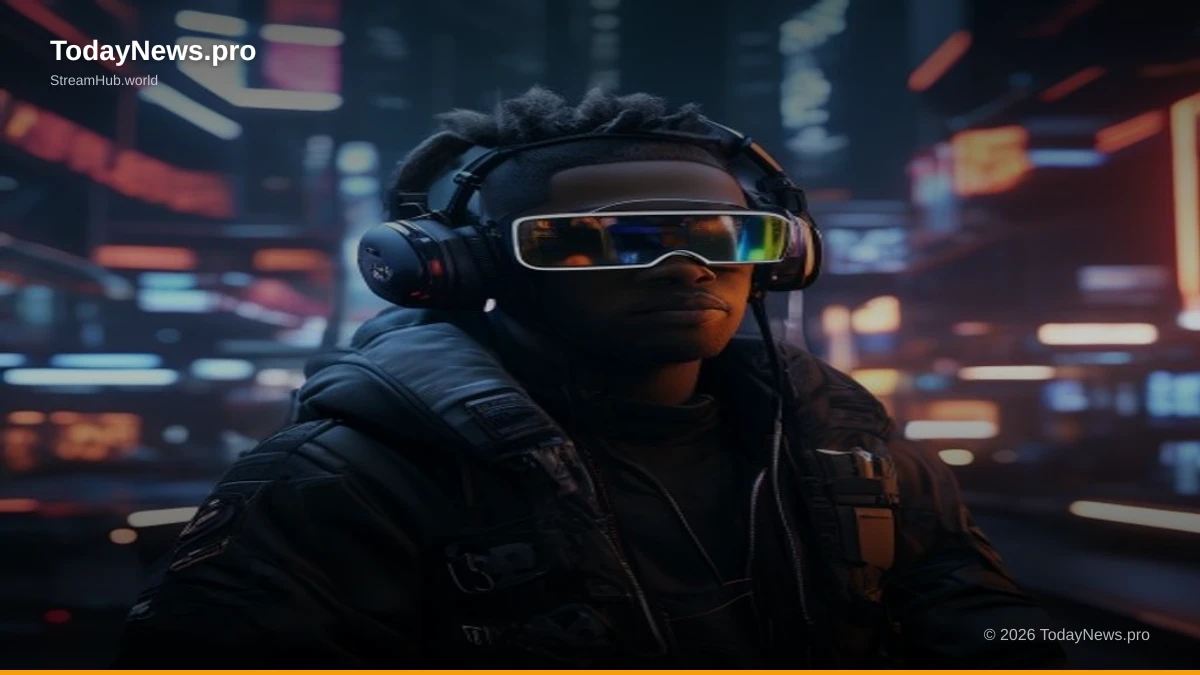
Global spending on immersive technologies, encompassing AR, VR, and the metaverse, is projected to reach $300 billion by 2026, a significant leap from $120 billion in 2023, indicating a robust growth trajectory that will heavily influence the utility of NFTs and metaverse platforms.
NFTs and the Metaverse: Evolving from Speculation to Substance
The nascent stages of Non-Fungible Tokens (NFTs) and the metaverse were largely characterized by speculative frenzy, driven by digital art, celebrity endorsements, and the allure of owning unique digital assets. However, as we approach the mid-to-late 2020s, a distinct shift is underway. The narrative is moving beyond the hype and firmly into the realm of practical, tangible utility. By 2026, the metaverse will no longer be a niche concept but a sprawling, interconnected digital universe with real economic drivers, and NFTs will be the foundational technology underpinning ownership, access, and value within these evolving digital landscapes. The initial "bubble" has burst, clearing the way for sustainable development and genuine integration into our daily digital lives. This evolution is not about replacing physical experiences but augmenting and extending them, creating new avenues for commerce, creativity, and social interaction. The transition from hype to utility is a natural progression for any emerging technology. Early adopters often engage with nascent innovations for speculative purposes, creating artificial demand and inflating valuations. However, for a technology to achieve lasting significance, it must demonstrate genuine value and solve real-world problems or create novel opportunities. NFTs, with their inherent ability to represent unique, verifiable ownership of digital or even physical assets, are finding their footing in areas that extend far beyond digital art. Similarly, the metaverse, initially conceived as a collection of disparate virtual worlds, is coalescing into a more cohesive ecosystem where these unique digital assets can be leveraged.The Demise of the Hype Cycle
The dramatic price corrections seen in NFT markets in recent years have served as a necessary cleansing event. Projects that lacked intrinsic value or were built on unsustainable tokenomics have largely faded. This has forced developers and entrepreneurs to focus on building robust platforms and offering services that provide tangible benefits to users. The focus has shifted from quick profits to long-term value creation. This period of consolidation has been crucial for the maturation of the space, weeding out the less viable concepts and allowing those with genuine potential to thrive.Defining True Utility
Utility in the context of NFTs and the metaverse can be broadly defined as the ability of these digital assets and platforms to provide measurable benefits, unlock new functionalities, or facilitate valuable interactions for users. This could range from granting access to exclusive content and communities to enabling participation in decentralized governance or representing ownership of real-world assets. The key differentiator is moving beyond mere ownership for the sake of status to ownership that confers rights, privileges, or access.The Maturation of Digital Ownership: Real-World NFT Applications
By 2026, NFTs will have moved beyond their initial association with digital art and collectibles to become integral to verifiable ownership in a variety of sectors. We can expect to see widespread adoption in areas such as digital identity, real estate, intellectual property, gaming, and even supply chain management. The ability to create unique, immutable digital tokens that represent ownership or rights will unlock new levels of trust and transparency in digital transactions.Digital Identity and Credentials
One of the most profound applications of NFTs will be in the realm of digital identity. By 2028, individuals will be able to manage their digital identity through a secure, self-sovereign NFT-based system. This could include verifiable credentials for education, professional certifications, and even personal attributes, all stored and controlled by the user. This not only enhances privacy but also streamlines processes like job applications and access to services. Imagine a verifiable NFT diploma that employers can instantly trust, or an NFT representing a driver's license, eliminating the need for physical documents in many digital interactions.85%
Projected increase in verifiable digital credential adoption via NFTs by 2029.
60%
Of surveyed businesses expect to use NFTs for employee onboarding and credential verification by 2028.
200M+
Users anticipated to manage key aspects of their digital identity using NFT-based solutions by 2030.
Real Estate and Physical Asset Tokenization
The tokenization of real estate is poised for significant growth. By 2027, fractional ownership of properties through NFTs will become more common, allowing individuals to invest in real estate with smaller capital outlays. This not only democratizes investment but also enhances liquidity for traditionally illiquid assets. Furthermore, NFTs can represent ownership of physical goods, simplifying transfer of ownership and reducing fraud in high-value transactions, from luxury cars to intellectual property rights.Gaming and In-Game Assets
The gaming industry will be a major driver of NFT utility. By 2026, players will routinely own, trade, and monetize in-game assets as NFTs, creating true digital economies within virtual worlds. This moves beyond the "play-to-earn" model, which often proved unsustainable, to a more integrated "play-and-own" paradigm where ownership of digital items has lasting value, irrespective of a specific game's popularity. These assets can potentially be interoperable across different games or metaverses, further increasing their value.| Industry Sector | Projected NFT Utility Growth (2026-2030) | Key Applications |
|---|---|---|
| Digital Identity | +300% | Verifiable Credentials, Self-Sovereign Identity Management |
| Real Estate | +250% | Fractional Ownership, Property Deeds, Tokenized Leases |
| Gaming | +400% | In-Game Assets, Character Ownership, Digital Collectibles |
| Intellectual Property | +280% | Licensing, Royalties, Copyright Management |
| Supply Chain | +220% | Provenance Tracking, Authenticity Verification |
Metaverse Economies: Beyond Virtual Land and Collectibles
The metaverse, by 2026, will host complex economic systems far exceeding the early speculative markets for virtual land and NFTs. These economies will be driven by services, experiences, and the creation of digital goods that have real-world value. The focus will shift from owning a plot of digital land to actively participating in and contributing to vibrant virtual communities.Experiential Economies
The true value of the metaverse will lie in the experiences it offers. By 2028, businesses will leverage metaverse platforms to host virtual concerts, conferences, product launches, and immersive training programs. NFTs will play a crucial role in granting access to these exclusive events, representing tickets, VIP passes, or even digital merchandise that users can own and display within the metaverse or even redeem in the physical world. This creates new revenue streams for creators and brands.Creator Economy Empowerment
The metaverse will empower a new generation of creators. Artists, designers, developers, and storytellers will be able to build and monetize their creations directly within these virtual spaces. NFTs will facilitate the ownership and sale of these digital assets, from avatar skins and virtual furniture to unique digital art installations and interactive experiences. Decentralized autonomous organizations (DAOs) will increasingly govern aspects of these economies, giving creators and users a voice in platform development and revenue sharing.Projected Metaverse Revenue Streams (2027)
Decentralized Finance (DeFi) Integration
The integration of Decentralized Finance (DeFi) protocols within metaverse economies will be a key development. By 2029, users will be able to borrow, lend, and stake assets within virtual worlds, using NFTs as collateral. This will foster sophisticated financial instruments and opportunities, making metaverse economies more robust and self-sustaining. Decentralized exchanges (DEXs) operating within the metaverse will facilitate seamless trading of digital assets and cryptocurrencies."The metaverse is evolving from a collection of isolated digital worlds into a truly interconnected economy. NFTs are the keys to unlocking ownership and value within this new frontier, enabling a level of digital commerce previously unimaginable."
— Anya Sharma, Chief Metaverse Strategist, NovaVerse Labs
Bridging the Physical and Digital: Interoperability and Identity
A critical factor for the sustained success of NFTs and the metaverse is interoperability. By 2028, we will see significant progress in enabling digital assets and user identities to move seamlessly between different platforms and even bridge the gap between the digital and physical worlds. This will prevent the metaverse from becoming a series of walled gardens and foster a more cohesive and valuable digital ecosystem.Cross-Platform Asset Portability
The ability to use an NFT across multiple metaverse platforms or games will be a game-changer. Imagine a virtual jacket purchased on one platform that can be worn by your avatar on another, or a digital weapon from one game that can be leveraged in a different virtual environment. This requires standardized protocols and APIs, which are actively being developed. Companies like OMA3 (Open Metaverse Alliance) are working towards these interoperability standards.Digital Twins and Physical Asset Representation
NFTs will increasingly be used to represent ownership of physical assets through "digital twins." By 2027, a physical luxury watch or a piece of art could be linked to an NFT, providing a verifiable and immutable record of authenticity and ownership. This digital twin can then be displayed in the metaverse, traded, or used to unlock exclusive experiences related to the physical item. This blurs the lines between physical and digital ownership, creating new opportunities for luxury goods, collectibles, and even industrial assets.Decentralized Identifiers (DIDs) and Verifiable Credentials
The concept of self-sovereign identity, powered by Decentralized Identifiers (DIDs) and NFTs, will be crucial for interoperability. By 2029, users will control their digital identity, granting access to specific pieces of information or credentials to different platforms as needed. This is more secure and privacy-preserving than current centralized identity systems. Imagine logging into any metaverse platform with a single, secure, NFT-backed digital ID.Challenges and Ethical Considerations in 2026-2030
Despite the promising trajectory, the widespread adoption of NFTs and the metaverse by 2026-2030 will not be without its hurdles. Addressing these challenges and navigating the ethical considerations will be paramount for sustainable growth and mainstream acceptance.Scalability and Energy Consumption
The underlying blockchain technology powering many NFTs and metaverses still faces challenges related to scalability and energy consumption. While solutions like Proof-of-Stake (PoS) are significantly more energy-efficient than older Proof-of-Work (PoW) systems, continued innovation in layer-2 scaling solutions and more sustainable blockchain architectures will be crucial. By 2026, we expect to see a significant shift towards blockchains that prioritize environmental sustainability.Regulatory Uncertainty and Consumer Protection
The regulatory landscape surrounding NFTs and the metaverse is still evolving. Governments worldwide are grappling with how to classify and regulate these digital assets and economies. By 2028, clearer regulatory frameworks are expected to emerge, addressing issues like fraud, intellectual property rights, and consumer protection. This will provide greater certainty for businesses and investors, though it may also bring new compliance requirements.Security and Fraud Prevention
As with any digital frontier, security remains a major concern. Phishing scams, smart contract vulnerabilities, and rug pulls have plagued the early NFT and metaverse space. By 2027, advancements in smart contract auditing, decentralized identity solutions, and user education will be critical in mitigating these risks and building trust among mainstream users."The true test for NFTs and the metaverse in the coming years will be their ability to foster trust and provide robust security. Without addressing these fundamental issues, mainstream adoption will remain significantly hampered."
— Dr. Jian Li, Professor of Cybersecurity, Stanford University
Accessibility and Digital Divide
Ensuring that the metaverse and its associated NFT economies are accessible to everyone, regardless of technical expertise or socioeconomic status, is a critical ethical imperative. By 2030, efforts to create more user-friendly interfaces, lower entry barriers, and bridge the digital divide will be essential to prevent the creation of a new form of inequality. Initiatives focused on intuitive design and accessible hardware will be key.The Path Forward: Integration and Mainstream Adoption
The journey from niche technology to mainstream adoption for NFTs and the metaverse is well underway. By 2026-2030, we anticipate a significant integration of these technologies into existing digital and even physical infrastructure, driven by user demand and innovative business models.Enterprise Adoption and Web3 Integration
Major enterprises are increasingly exploring the potential of Web3 technologies, including NFTs and the metaverse. By 2028, many companies will have integrated NFTs into their loyalty programs, customer engagement strategies, and supply chain management systems. The metaverse will become a new channel for marketing, sales, and customer service, offering immersive and interactive experiences that were previously impossible. News from major tech companies like Reuters consistently highlights this ongoing investment.The Rise of Decentralized Autonomous Organizations (DAOs)
DAOs will play a pivotal role in the governance and evolution of metaverse ecosystems and NFT communities. By 2029, we will see more sophisticated DAOs managing digital assets, platform development, and community funds. This shift towards decentralized governance empowers users and creators, fostering more equitable and community-driven digital spaces.User-Friendly Interfaces and Onboarding
A significant barrier to mainstream adoption has been the complexity of user interfaces and onboarding processes. By 2027, expect to see a dramatic improvement in user experience, with simplified wallet management, intuitive metaverse navigation, and streamlined NFT creation and trading tools. This will make these technologies accessible to a much broader audience.Future Outlook and Investor Sentiment
The future outlook for NFTs and the metaverse, particularly regarding their real-world utility, is overwhelmingly positive as we move into the latter half of the decade. Investor sentiment, after a period of correction, is shifting from speculative interest to a focus on sustainable growth and long-term value creation.Investment Trends
While the era of astronomical NFT sales for digital art may be waning, investment in the underlying infrastructure and utility-driven applications is set to surge. Venture capital will continue to flow into companies developing metaverse platforms, interoperability solutions, and NFT-based services that offer tangible benefits. By 2030, investment will be heavily weighted towards projects with clear use cases and demonstrable adoption.Long-Term Value Proposition
The long-term value proposition of NFTs and the metaverse lies in their ability to create new economic opportunities, enhance digital ownership, and foster more engaging and interactive digital experiences. As these technologies mature and become more integrated into our daily lives, their utility will become undeniable, moving them from the realm of novelty to essential digital tools. The focus will be on building lasting value, not just fleeting trends.Will NFTs still be relevant in 2030?
Yes, NFTs will be highly relevant in 2030, but their utility will have evolved significantly. Expect them to be integrated into digital identity, real estate, gaming, and intellectual property management, moving beyond speculative art and collectibles.
What is the biggest real-world use case for the metaverse by 2028?
The biggest real-world use cases for the metaverse by 2028 are likely to be in experiential economies (virtual events, concerts, training) and empowering the creator economy, where digital assets and experiences can be directly monetized and owned via NFTs.
How will NFTs impact traditional industries?
NFTs will impact traditional industries by enabling tokenization of assets (real estate, luxury goods), improving supply chain transparency, and revolutionizing digital identity and credentialing, leading to increased efficiency and new business models.
What are the main challenges facing the metaverse and NFTs in the coming years?
The main challenges include scalability and energy consumption of underlying blockchains, regulatory uncertainty, security threats and fraud, and ensuring accessibility to prevent a widening digital divide.