

 Sophie Turner
⏱ 15 min
The global video game market is projected to reach $321 billion by 2026, a testament to the industry's relentless innovation and expanding reach, with emerging technologies poised to redefine player experiences.
The Dawn of a New Era: Defining Next-Gen Gaming
We stand at a pivotal moment in the history of interactive entertainment. The monolithic consoles and PC setups of yesteryear are no longer the sole arbiters of gaming prowess. A confluence of groundbreaking technologies is fundamentally altering how we play, interact, and immerse ourselves in digital worlds. This isn't merely an incremental upgrade; it's a paradigm shift. The next generation of gaming is characterized by unprecedented levels of immersion, accessibility, and intelligence, driven by advancements in virtual reality, cloud streaming, augmented reality, and artificial intelligence. The traditional gaming landscape, once dominated by physical media and dedicated hardware, is rapidly evolving. Players are no longer confined to a single screen or input device. Instead, they are increasingly engaging with experiences that blur the lines between the digital and physical, the local and the remote, the static and the dynamic. This evolution is not just about better graphics or faster loading times; it's about creating richer, more meaningful, and more personalized interactions. The sheer potential for innovation is staggering, promising experiences that were once confined to the realm of science fiction. The industry is witnessing a diversification of platforms and methodologies. From high-fidelity VR experiences that transport players to alien worlds to seamless cloud-streamed games accessible on any device, the barriers to entry are lowering while the depth of engagement is increasing. This expansion caters to a broader audience than ever before, encompassing casual players, dedicated enthusiasts, and even those who previously considered gaming to be outside their sphere of interest. The focus has shifted from mere entertainment to experiences that can educate, socialize, and even provide therapeutic benefits.The Shifting Sands of Player Expectation
Today's gamers are no longer satisfied with passive consumption. They demand agency, choice, and experiences that resonate on a deeper emotional level. This shift in expectation is a primary driver behind the rapid adoption of immersive technologies. Players want to feel present in the game world, to have their actions matter, and to connect with others in meaningful ways, regardless of their physical location. The demand for authentic, responsive, and engaging experiences is pushing developers to explore new frontiers in game design and technology.Virtual Reality: Beyond the Headset
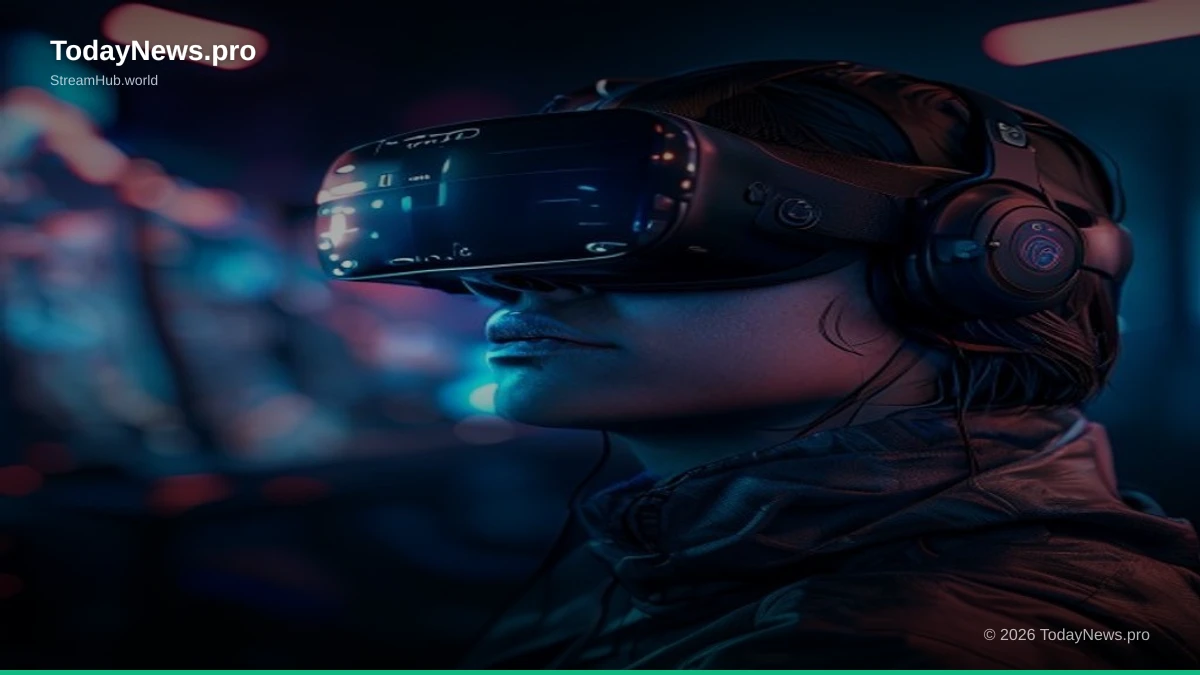
Virtual Reality (VR) has long been hailed as the future of gaming, and that future is finally solidifying. While early iterations of VR were often plagued by technical limitations and accessibility issues, the current generation of headsets offers a level of immersion that was previously unimaginable. We've moved beyond clunky prototypes and into sleek, powerful devices that deliver breathtaking visuals and responsive tracking. The goal is no longer just to see a game, but to *be* in it. The core appeal of VR lies in its ability to create a profound sense of presence. When you don a VR headset, your physical surroundings fade away, replaced by a meticulously crafted digital environment. This sensory displacement allows for a level of immersion that traditional gaming simply cannot replicate. Actions feel more intuitive, environments feel more tangible, and the emotional impact of gameplay is amplified. Whether you're wielding a lightsaber, piloting a spacecraft, or exploring ancient ruins, VR makes you feel like you are truly there.The Evolution of VR Hardware
The hardware powering modern VR is a testament to rapid technological advancement. High-resolution displays, wider fields of view, and inside-out tracking (eliminating the need for external sensors) have become standard. Haptic feedback technology is also becoming increasingly sophisticated, allowing players to feel the impact of their actions, the texture of virtual objects, and even the subtle vibrations of a virtual world. Eye-tracking technology is starting to be integrated, promising foveated rendering (where the display only renders in high detail where the user is looking), which can significantly improve performance and visual fidelity.90 Hz
Common Refresh Rate
110°
Average Field of View
200+
Standalone VR Titles
Software and Content: The Driving Force
Hardware is only half the equation. The success of VR is also intrinsically linked to the quality and variety of its software library. Developers are increasingly investing in VR-native experiences that leverage the unique capabilities of the medium. This includes everything from high-octane action games and intricate puzzle adventures to social VR platforms where users can interact and play together in shared virtual spaces. The rise of VR esports is also a significant development, offering competitive gaming in a truly immersive environment."We're seeing a generation of developers who grew up with VR as a concept, and they're now building experiences that are fundamentally designed for it, not just ported from other platforms. This is crucial for unlocking VR's full potential."
— Dr. Evelyn Reed, Lead XR Researcher, Futura Labs
The Future of VR Interaction
Looking ahead, the focus is on making VR interactions even more natural and intuitive. Full-body tracking, advanced hand and finger tracking, and even brain-computer interfaces (BCIs) are areas of active research and development. The goal is to eliminate the need for traditional controllers altogether, allowing players to interact with virtual worlds using their own bodies and minds. This level of embodiment will further blur the lines between the real and the virtual, creating unparalleled levels of presence and immersion.VR Beyond Gaming: A Glimpse into the Extended Reality
While gaming remains a primary driver for VR adoption, its applications extend far beyond entertainment. Education is being revolutionized by virtual field trips and hands-on simulations. Healthcare professionals are using VR for surgical training and patient therapy. Architects and designers can walk through their creations before they are built. The metaverse, a persistent, interconnected set of virtual spaces, is also heavily reliant on VR technology to provide its immersive environment. This broader ecosystem of VR applications is creating a stronger foundation for its continued growth and innovation.Cloud Gaming: The Streaming Revolution
Cloud gaming, also known as game streaming, represents a significant democratization of high-fidelity gaming. Instead of requiring powerful, expensive hardware, players can access demanding games from the cloud, streamed directly to their devices. This model relies on remote servers to render and process games, with only the video and audio data being transmitted to the player. This has the potential to unlock console-quality experiences on virtually any internet-connected device, from smartphones and tablets to smart TVs and low-spec laptops. The primary advantage of cloud gaming is accessibility. It removes the substantial upfront cost of purchasing gaming consoles or high-end PCs. Players can try out new games without a significant financial commitment, and they can play their favorite titles on any device they own. This significantly broadens the potential audience for gaming, making it more inclusive and convenient than ever before. The convenience factor cannot be overstated; it allows for spontaneous gaming sessions without the need for downloads, installations, or hardware upgrades.The Technology Behind the Stream
The success of cloud gaming hinges on robust internet infrastructure and sophisticated streaming technology. Low latency is paramount; any significant delay between a player's input and the game's response can render the experience unplayable. This requires advanced data compression, efficient server-side rendering, and optimized network protocols. Companies are investing heavily in data centers strategically located to minimize ping times for users. The development of 5G mobile networks is also a crucial enabler, offering the bandwidth and low latency required for a smooth mobile cloud gaming experience.| Provider | Subscription Cost (USD) | Key Features |
|---|---|---|
| Xbox Cloud Gaming (Game Pass Ultimate) | $16.99/month | Access to over 100 games, playable on PC, console, phones, tablets |
| NVIDIA GeForce NOW | $9.99 - $19.99/month | Streams games from your existing PC game libraries (Steam, Epic Games Store) |
| PlayStation Plus Premium | $17.99/month | Includes cloud streaming for select PS3, PS4, and PS5 games |
The Cloud Gaming Ecosystem
Major technology companies have thrown their hats into the ring, recognizing the immense potential of cloud gaming. Microsoft's Xbox Cloud Gaming, NVIDIA's GeForce NOW, and Sony's PlayStation Plus Premium are leading the charge. These services often bundle cloud streaming with larger subscription offerings, providing access to extensive game libraries. The competition is driving innovation, leading to improved streaming quality, more diverse game selections, and more competitive pricing.Challenges and Opportunities
Despite its promise, cloud gaming faces hurdles. Internet connectivity remains a barrier for many, and data caps can limit playtime. The perceived latency, even when minimal, can be a deterrent for competitive gamers. Furthermore, the licensing of games for cloud streaming presents complex legal and business challenges. However, as infrastructure improves and technology advances, these challenges are likely to be overcome, paving the way for cloud gaming to become a dominant force in the industry. The ability to play AAA titles on a Nintendo Switch-like device without requiring a powerful PC is a compelling prospect.The Merging Realities: AR and XR
Beyond the fully immersive world of VR, Augmented Reality (AR) and Extended Reality (XR) are carving out their own significant niches. AR overlays digital information and graphics onto the real world, typically viewed through a smartphone or specialized glasses. This technology enhances our perception of reality rather than replacing it. XR is an umbrella term that encompasses VR, AR, and everything in between, representing a spectrum of realities that blend the physical and digital. AR's potential in gaming lies in its ability to bring digital elements into our everyday environments. Imagine Pokémon GO, but with far more sophisticated interactions and persistent digital worlds overlaid onto our cities. AR allows for location-based games, scavenger hunts, and experiences that integrate seamlessly with our physical surroundings. The novelty of seeing virtual characters interact with your living room or your local park creates a unique and engaging gameplay loop.The Hardware Landscape for AR
While smartphones currently serve as the primary AR gateway for most consumers, the development of dedicated AR glasses is a key focus for the future. Devices like Microsoft HoloLens and Magic Leap offer more advanced AR experiences, but they are currently aimed at enterprise and professional markets due to their cost and form factor. The consumer AR headset market is still nascent, but companies like Apple and Meta are investing heavily, signaling a future where AR glasses become as commonplace as smartphones."AR gaming isn't about escaping reality; it's about enhancing it. We're looking at experiences that encourage players to explore their physical environment, to engage with their surroundings in new and exciting ways. It's a powerful new canvas for game design."
— Kenji Tanaka, Game Designer, Aurora Studios
XR: The Convergence of Realities
XR represents the ultimate convergence of these technologies. It aims to create a fluid experience where users can seamlessly transition between different levels of digital immersion. This could mean starting a game in AR on your phone, then putting on a VR headset to delve deeper into a virtual world, and then perhaps using XR glasses to bring elements of that virtual world back into your physical space. This interconnectedness promises a future of deeply integrated and personalized digital experiences.AR and XR in Non-Gaming Contexts
Similar to VR, AR and XR have vast applications beyond gaming. In retail, AR allows customers to virtually try on clothes or place furniture in their homes. In education, AR can bring textbooks to life with interactive 3D models. Navigation apps can use AR to overlay directions onto street views, and industrial workers can use AR for real-time maintenance guidance. This broad utility ensures continued investment and innovation in the XR space.AI: The Intelligent Game Master
Artificial Intelligence (AI) is no longer just about enemy pathfinding. Modern AI is becoming an integral part of game design, powering more sophisticated non-player characters (NPCs), dynamic narratives, and procedurally generated content. The goal is to create living, breathing game worlds that react intelligently to player actions and evolve over time. AI is moving from a supporting role to a central pillar of next-gen gaming experiences.Dynamic NPCs and Reactive Worlds
Advanced AI algorithms can imbue NPCs with a sense of personality, memory, and learned behavior. They can react to player choices in complex ways, forming relationships, holding grudges, and even pursuing their own agendas within the game world. This creates a more believable and engaging experience, where players feel like they are interacting with sentient beings rather than scripted automatons. Imagine NPCs who remember your past encounters and adjust their dialogue and actions accordingly.100+
Types of AI Behaviors
80%
Increase in NPC Reactivity
70%
Reduction in Repetitive Quests
Procedural Content Generation and Adaptive Difficulty
AI can also be used to generate vast, unique game worlds and challenges on the fly. Procedural content generation (PCG) can create an endless supply of quests, environments, and puzzles, ensuring that no two playthroughs are exactly alike. Furthermore, AI can dynamically adjust game difficulty based on a player's skill level, ensuring that the experience remains challenging but not overwhelming. This adaptive approach caters to a wider range of player abilities and preferences.AI in Game Development and Testing
Beyond in-game applications, AI is also transforming the game development process itself. AI-powered tools can assist with asset creation, level design, and even code generation. AI can also be used to automate playtesting, identifying bugs and balancing issues much faster than human testers alone. This accelerates development cycles and allows developers to focus on more creative aspects of game design.Hardware Innovations: Powering the Future
The ambitious visions for next-gen gaming are underpinned by continuous innovation in hardware. From more powerful GPUs and CPUs that enable photorealistic graphics and complex simulations to specialized chips for AI processing and VR rendering, hardware is the engine driving these advancements. The pursuit of faster, more efficient, and more compact hardware is relentless.The Console Wars: Iteration and Evolution
Current-generation consoles like the PlayStation 5 and Xbox Series X/S represent a significant leap forward in processing power and graphical capabilities. They boast features like ray tracing for more realistic lighting, ultra-fast SSDs for near-instant loading times, and support for higher frame rates and resolutions. While these consoles offer a powerful gaming experience, the industry is already looking towards future iterations that will push these boundaries even further."The bottleneck for truly groundbreaking experiences often comes down to raw processing power. Every generation of hardware unlocks new possibilities for developers, allowing us to create worlds and simulations that were previously impossible. The race for more efficient and powerful silicon is continuous."
— Anya Sharma, Lead Hardware Engineer, Apex Computing
The Rise of Gaming Laptops and Handhelds
Gaming laptops have become increasingly sophisticated, offering desktop-class performance in portable form factors. Simultaneously, dedicated handheld gaming devices, like the Steam Deck, are challenging the dominance of traditional consoles by offering PC gaming experiences on the go. This diversification of gaming hardware caters to different player needs and preferences, promoting accessibility and flexibility.The Role of Connectivity
The underlying infrastructure of connectivity is as crucial as the hardware itself. The rollout of high-speed internet, including fiber optics and 5G mobile networks, is essential for cloud gaming, online multiplayer, and seamless game updates. As games become more complex and data-intensive, robust and reliable internet access will be a non-negotiable requirement for players.The Evolving Business Models
The way we pay for and consume games is also undergoing a transformation. While the traditional model of purchasing games outright still exists, subscription services, free-to-play with in-game purchases, and even play-to-earn models are gaining traction. These evolving business models aim to cater to diverse player preferences and to generate recurring revenue streams for developers.Subscription Services: The Netflix of Gaming
Subscription services like Xbox Game Pass and PlayStation Plus have revolutionized game access. For a monthly fee, players gain access to a vast library of games, including new releases and back catalog titles. This model encourages players to explore a wider range of games and reduces the perceived risk of trying new titles. It's a compelling value proposition that is reshaping player acquisition strategies.Free-to-Play and In-Game Monetization
The free-to-play (F2P) model, where games are free to download but offer optional in-game purchases (cosmetics, boosts, etc.), has become incredibly successful, particularly in the mobile and online multiplayer space. Developers generate revenue through microtransactions, aiming for a model where a small percentage of players spend a significant amount. This model has driven massive player bases and generated substantial revenue for many titles.Play-to-Earn and the Blockchain Revolution
Emerging models like play-to-earn (P2E), often integrated with blockchain technology and non-fungible tokens (NFTs), propose a future where players can earn real-world value for their in-game achievements and assets. While still in its nascent stages and facing significant debate and challenges, this model has the potential to fundamentally alter the relationship between players and game economies, creating true digital ownership.Challenges and Opportunities
The path to the next generation of gaming is not without its obstacles. Technological hurdles, ethical considerations, and market saturation are all factors that developers and players must navigate. However, the opportunities for innovation and for creating truly transformative experiences are immense.Accessibility and Inclusivity
Ensuring that these new technologies are accessible to a diverse range of players is paramount. This includes addressing affordability, usability for individuals with disabilities, and ensuring that games are culturally relevant and inclusive. The goal should be to bring more people into gaming, not to create new barriers.Ethical Considerations and Player Well-being
As games become more immersive and engaging, concerns about addiction, online harassment, and data privacy become more critical. Developers and platforms have a responsibility to implement safeguards and promote healthy gaming habits. The increasing realism of VR and AR also raises questions about the psychological impact of certain content.The Constant Arms Race of Innovation
The rapid pace of technological advancement means that hardware and software will constantly be evolving. Developers must be agile and adaptable, ready to leverage new breakthroughs while also ensuring their games remain relevant and enjoyable on existing platforms. This constant innovation cycle creates both challenges and incredible opportunities for those at the forefront of the industry.Will VR headsets become as common as smartphones?
While it's difficult to predict with certainty, the significant investment from major tech companies, coupled with ongoing improvements in comfort, resolution, and content, suggests that VR and AR devices will become increasingly prevalent in everyday life, potentially reaching a similar level of adoption to smartphones over the next decade or two.
Is cloud gaming truly a replacement for local hardware?
For many gamers, cloud gaming can be a viable alternative or supplement to local hardware, offering unprecedented accessibility. However, for competitive gamers who demand the absolute lowest latency and highest fidelity, or for those with unreliable internet connections, dedicated local hardware will likely remain the preferred option for the foreseeable future.
How will AI change the role of game designers?
AI is unlikely to replace human game designers but rather augment their capabilities. AI can automate repetitive tasks, generate vast amounts of content for designers to curate, and provide sophisticated tools for creating dynamic and reactive game worlds. This allows designers to focus on higher-level creative decisions and player experience design.
What are the biggest challenges facing the metaverse?
Key challenges include interoperability between different virtual platforms, establishing robust and secure digital economies, ensuring user safety and privacy, developing intuitive user interfaces, and achieving widespread hardware adoption.