

 Robert Stark
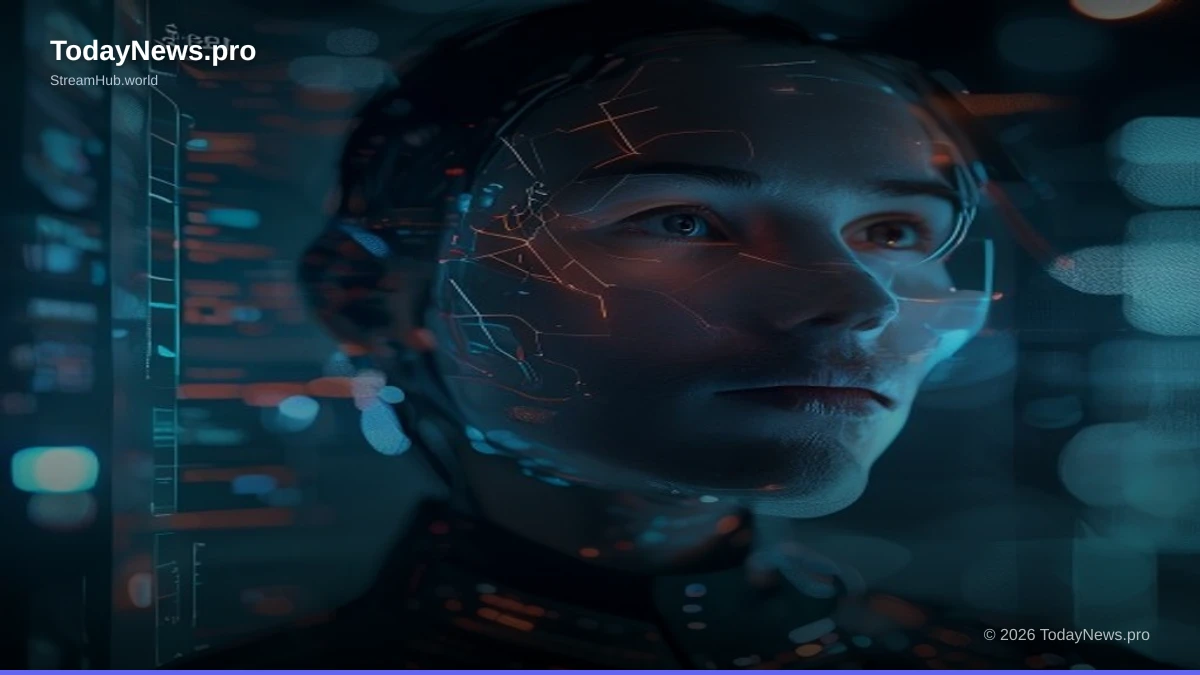
The Dawn of Intuitive Interaction: Moving Beyond Clicks and Swipes
For decades, our engagement with computers has been mediated through screens, keyboards, and mice – interfaces that, while revolutionary in their time, are fundamentally indirect. We translate our intentions into physical actions, which are then interpreted by machines. This paradigm, however, is rapidly evolving. The next generation of human-computer interfaces (HCI) promises to dissolve these barriers, offering more natural, intuitive, and immersive ways to interact with technology. These advancements are not mere upgrades; they represent a fundamental redefinition of the user experience, moving us closer to a future where technology is an extension of ourselves, not a separate entity to be commanded. The limitations of current interfaces are becoming increasingly apparent. Imagine trying to navigate complex 3D designs with a mouse, or experiencing the true gravitas of a digital artwork solely through visual and auditory cues. These experiences, while functional, lack the richness and depth that our own senses provide. The drive for more seamless interaction stems from a desire to reduce cognitive load, enhance efficiency, and unlock entirely new possibilities for creativity, communication, and problem-solving. This quest has led to the exploration of three transformative technologies: Brain-Computer Interfaces (BCI), Augmented Reality (AR), and Haptic Feedback. Each, in its own right, offers a unique path to a more integrated digital existence, and their combined potential is truly staggering.Brain-Computer Interfaces (BCI): Tapping into Thought
Brain-Computer Interfaces (BCI) represent the vanguard of this revolution, aiming to establish a direct communication pathway between the human brain and external devices. By detecting and interpreting brain signals, BCIs bypass traditional motor pathways, allowing individuals to control computers, prosthetics, or even communicate, solely through their thoughts. This technology holds immense promise, particularly for individuals with severe motor disabilities, offering them unprecedented levels of independence and agency.The Mechanics of Mind Reading
At its core, BCI technology relies on electroencephalography (EEG), magnetoencephalography (MEG), or implanted electrodes to capture neural activity. EEG, the most common non-invasive method, measures electrical activity on the scalp, while MEG uses magnetic fields. Invasive approaches, involving surgically implanted electrodes, offer higher signal fidelity but come with significant risks. Sophisticated algorithms then analyze these complex brainwave patterns, translating them into commands for external devices. The accuracy and responsiveness of these systems are continuously improving, pushing the boundaries of what was once considered science fiction.Applications and the Future of BCI
The immediate applications of BCI are deeply rooted in medical rehabilitation. For individuals suffering from paralysis due to stroke, spinal cord injury, or neurodegenerative diseases like ALS, BCIs can restore lost function. This includes controlling prosthetic limbs with greater dexterity, operating wheelchairs, and even typing messages on a screen. Beyond rehabilitation, researchers are exploring BCIs for enhanced gaming experiences, allowing players to interact with virtual worlds using their minds, and for improving focus and cognitive training. The long-term vision includes seamless integration into daily life, where BCIs could offer a silent, intuitive way to manage smart homes, interact with digital assistants, or even enhance learning.Challenges in BCI Development
Despite the rapid advancements, significant hurdles remain. Non-invasive BCIs, while safer, suffer from lower signal-to-noise ratios, making precise control challenging. Invasive BCIs, while more precise, carry inherent surgical risks and long-term biocompatibility issues. Furthermore, the individual variability in brain signals requires personalized calibration and training for each user, a process that can be time-consuming. Ethical concerns surrounding data privacy and the potential for misuse also loom large, necessitating careful consideration and robust regulatory frameworks.Augmented Reality (AR): Blurring the Lines Between Physical and Digital
Augmented Reality (AR) overlays digital information onto the real world, enhancing our perception and interaction with our surroundings. Unlike Virtual Reality (VR), which completely immerses users in a digital environment, AR preserves the user's view of the real world while adding digital elements. This creates a blended reality where physical and digital objects coexist and interact.AR in Everyday Life
AR's potential applications span a vast spectrum. In retail, shoppers can virtually try on clothes or visualize furniture in their homes before purchasing. In education, complex anatomical models can be projected into classrooms, allowing students to interact with them in 3D. For field service technicians, AR can provide real-time diagnostic information and step-by-step repair instructions overlaid onto machinery. The gaming industry has also embraced AR, with titles like Pokémon GO demonstrating its mass-market appeal and potential for location-based entertainment.Hardware and Software Evolution
The evolution of AR hardware is crucial to its widespread adoption. From early smartphone-based AR experiences to sophisticated AR glasses like Microsoft HoloLens and Magic Leap, the form factor and capabilities are continuously improving. These devices are becoming lighter, more powerful, and capable of more sophisticated environmental understanding. Simultaneously, AR development platforms such as ARKit and ARCore are democratizing content creation, allowing developers to build increasingly complex and interactive AR applications.ARs Impact on Industries
The transformative impact of AR is already being felt across numerous industries. In manufacturing and engineering, AR is being used for remote assistance, design reviews, and training. Architects can visualize building designs on-site, allowing for immediate feedback and adjustments. The entertainment sector is exploring new forms of immersive storytelling and live events. As AR technology matures, it promises to revolutionize how we work, learn, and play, making digital information an ever-present and integral part of our physical environment.Haptic Feedback: Feeling the Digital World
Haptic feedback refers to the use of touch and motion to communicate information to the user. It moves beyond simple visual and auditory cues, allowing us to feel textures, pressures, and vibrations from digital interactions. This sense of touch is fundamental to our understanding of the physical world, and its integration into digital interfaces promises a richer, more engaging, and intuitive user experience.From Vibrations to Sophisticated Sensations
The earliest forms of haptic feedback were simple vibrations in mobile phones. Today, the field has advanced significantly, with technologies capable of simulating a wide range of tactile sensations. Advanced haptic actuators can replicate the feeling of different surfaces, the resistance of a virtual button, or the impact of an object in a virtual environment. This can be achieved through ultrasonic waves, electrostatic forces, or microfluidic systems, each offering unique ways to convey tactile information.Applications in Gaming, Training, and Beyond
The gaming industry has been a major early adopter of haptic technology, with controllers like Sony's DualSense offering nuanced feedback that enhances immersion. Beyond gaming, haptic feedback is proving invaluable in training simulations, allowing surgeons to feel the resistance of tissue or pilots to experience the subtle vibrations of an aircraft. In virtual reality, haptics are essential for creating a believable sense of touch, making virtual interactions feel more real. Furthermore, haptics can aid individuals with visual impairments by providing tactile information about their surroundings or digital interfaces.| Haptic Technology | Description | Typical Application |
|---|---|---|
| Vibration Motors | Generate localized vibrations. | Mobile phones, game controllers. |
| Ultrasonic Haptics | Use focused ultrasound waves to create tactile sensations in mid-air. | Gesture recognition, contactless interfaces. |
| Electrostatic Haptics | Manipulate surface friction on touchscreens. | Enhanced touchscreen controls, virtual button feel. |
| Force Feedback | Apply physical resistance to user movements. | Robotic surgery simulators, advanced gaming. |
The Future of Tactile Interaction
The integration of haptic feedback into everyday devices, such as smartwatches and smart clothing, is on the horizon. Imagine feeling the texture of a fabric when browsing online, or receiving subtle tactile cues to navigate through a city. As haptics become more sophisticated and affordable, they will play a pivotal role in making digital interactions more embodied and intuitive, bridging the gap between our physical and digital experiences.Synergy and Convergence: The Interconnected Future
The true power of BCI, AR, and haptics lies not in their individual capabilities, but in their potential for synergistic integration. Imagine an AR system that uses BCI to understand your intent, allowing you to manipulate virtual objects with your mind, and then provides haptic feedback to simulate the feel of those objects. This convergence could lead to entirely new forms of interaction and experience that are currently unimaginable.Unified Interfaces for Enhanced Experiences
Consider a surgeon operating using AR glasses. Their brain signals, interpreted by a BCI, could allow them to select instruments or zoom in on an area of interest with a thought. The AR overlay would then provide critical information, and haptic gloves would simulate the feel of the tissue being worked on, offering a level of precision and control previously unattainable. This unified interface amplifies human capabilities by seamlessly blending cognitive, visual, and tactile input.Cross-Industry Impact
The implications of this convergence extend far beyond medicine. In education, students could interact with historical simulations, feeling the texture of ancient artifacts and mentally manipulating them for a deeper understanding. In design and engineering, professionals could sculpt virtual models with their minds and feel the material properties, accelerating the design process. The entertainment industry could offer hyper-realistic virtual experiences that engage all senses. The combined advancements promise to create a digital environment that is not just seen and heard, but deeply felt and intuitively understood.Ethical Considerations and Societal Impact
As these advanced HCI technologies mature, they bring with them a host of ethical considerations and potential societal impacts that demand careful scrutiny and proactive management. The power to directly interface with the brain, overlay digital information onto reality, and simulate touch raises profound questions about privacy, security, equity, and the very nature of human experience.Privacy and Data Security
BCI technology, in particular, raises significant privacy concerns. Brainwave data is exceptionally sensitive, potentially revealing not only intentions but also emotional states and cognitive processes. Protecting this data from unauthorized access, misuse, or exploitation is paramount. Robust encryption, anonymization techniques, and stringent regulations will be necessary to build trust and prevent the commodification of our thoughts. Similarly, AR systems that collect data about our surroundings and our interactions within them must be secured against breaches that could compromise personal safety and privacy.The Digital Divide and Accessibility
There is a significant risk that these advanced technologies could exacerbate existing societal inequalities, creating a new digital divide. The cost of advanced BCI hardware, AR glasses, and sophisticated haptic devices may be prohibitive for many, limiting access to these potentially life-enhancing tools. Ensuring equitable access and affordability will be crucial for realizing the full potential of these technologies for all of humanity. Furthermore, careful design is needed to ensure that these interfaces are accessible to individuals with diverse abilities and needs, preventing the creation of new barriers.The Blurring of Reality and Identity
AR's ability to overlay digital information onto the real world raises questions about our perception of reality and the potential for manipulation. Sophisticated AR could present altered versions of the world, impacting our decision-making and social interactions. Similarly, the increasing integration of technology with our bodies, particularly through BCIs, could lead to questions about identity and what it means to be human. Establishing clear guidelines for the responsible development and deployment of these technologies is essential to navigate these complex societal shifts.The Road Ahead: Challenges and Opportunities
The journey towards truly intuitive and immersive human-computer interfaces is fraught with both significant challenges and unprecedented opportunities. While the potential benefits are immense, overcoming technical hurdles, ensuring ethical deployment, and fostering widespread adoption will require sustained effort and collaboration.Technical Hurdles and Research Frontiers
Key technical challenges include improving the accuracy, speed, and reliability of BCI signal processing, reducing the invasiveness and cost of neural interfaces, and developing lighter, more powerful, and energy-efficient AR hardware. For haptics, the focus is on creating more nuanced and realistic tactile sensations and integrating them seamlessly into various devices. Continued breakthroughs in artificial intelligence, materials science, and neuroscience will be critical to advancing these fields.The development of robust algorithms capable of real-time interpretation of complex brain signals remains a major area of research for BCIs. For AR, the challenge lies in creating seamless integration with the physical environment, accurate object recognition, and intuitive user interaction without causing cognitive overload. Haptic systems need to move beyond simple vibrations to offer a full spectrum of tactile experiences that are both convincing and unobtrusive.
Market Adoption and Economic Impact
The transition from niche applications to widespread consumer adoption hinges on several factors: cost reduction, user-friendliness, and the development of compelling use cases that demonstrate clear value. As these technologies mature, they are poised to disrupt existing industries and create entirely new markets, driving economic growth and innovation. The economic impact will be felt across sectors, from healthcare and manufacturing to entertainment and education, as companies leverage these interfaces to enhance productivity and create new customer experiences.The economic potential is substantial. Analysts predict that the combined market for BCI, AR, and haptics will not only grow but also fuel innovation in complementary fields. The creation of new jobs in design, development, ethical oversight, and maintenance will be a significant consequence of this technological evolution.
For reliable insights into market trends and technological advancements, consult reputable sources such as Reuters and academic research databases. For a deeper understanding of the foundational principles of human-computer interaction, explore resources like Wikipedia's Human-Computer Interaction page.