

 Robert Stark
⏱ 20 min
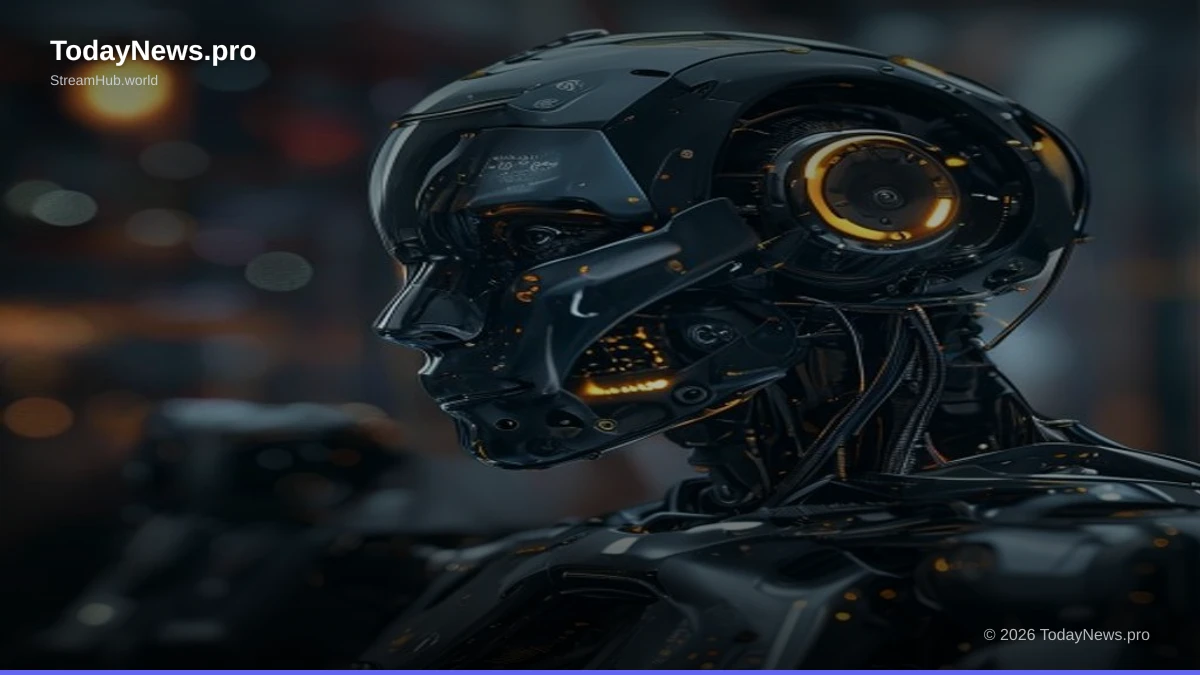
By 2030, it is projected that over 20 million humanoid and companion robots will be actively integrated into households, healthcare facilities, and public spaces globally, signifying a profound shift from mere technological adoption to genuine societal symbiosis.
The Dawn of the Companion Era: Robots Beyond Utility
The narrative surrounding robots has long been dominated by their utilitarian capabilities – the tireless assembly line worker, the precise surgical assistant, the automated delivery drone. However, as we approach the end of this decade, a significant paradigm shift is underway. The focus is rapidly expanding to encompass robots designed not just for tasks, but for interaction, companionship, and emotional support. This evolution is driven by advancements in artificial intelligence, particularly in natural language processing, emotional recognition, and sophisticated locomotion. Humanoid robots, once confined to research labs and science fiction, are becoming increasingly sophisticated, capable of nuanced movements and interactions that mimic human behavior. Simultaneously, a distinct category of companion robots is emerging, prioritizing empathy, conversation, and personalized engagement. These machines are poised to move beyond being mere gadgets to becoming integral members of our social fabric, influencing how we live, work, and care for one another. The societal integration of these robots by 2030 is not a question of "if," but "how" and "to what extent." The driving forces behind this integration are multifaceted. An aging global population, coupled with a declining birth rate in many developed nations, creates a growing demand for elder care and assistance. Companion robots can offer a lifeline to isolated seniors, providing not just physical help but also social interaction and a sense of presence. In households, these robots can assist with domestic chores, manage smart home systems, and even act as educational tools for children. The potential for these machines to alleviate human workloads, enhance quality of life, and address societal challenges is immense, propelling them from niche products to mainstream solutions.The Technological Underpinnings
The rapid progress in artificial intelligence, machine learning, and robotics hardware is the bedrock of this impending integration. Sophisticated neural networks now enable robots to learn from their environment and adapt their behavior. Advances in sensor technology, including lidar, advanced cameras, and tactile sensors, allow them to perceive and interact with the world in ways previously unimaginable. The development of more efficient and powerful actuators and power sources means that humanoid robots can achieve a greater degree of dexterity and mobility, while companion robots can operate for extended periods without constant recharging.Market Projections and Consumer Adoption
The market for service robots, which includes humanoid and companion robots, is experiencing exponential growth. Analysts predict a market value exceeding $100 billion by 2027, with continued acceleration projected into 2030. This growth is fueled by increasing investment from both established tech giants and agile startups, as well as growing consumer interest in the potential benefits these robots offer. Early adoption rates, though still nascent, are showing positive trends, particularly in regions with a strong technological infrastructure and a demonstrated need for assistive technologies.The Evolving Landscape of Humanoid Robots
Humanoid robots are no longer the clunky, imitative machines of early robotics. The latest iterations are characterized by their remarkable agility, sophisticated manipulation capabilities, and increasingly human-like appearances. Companies are investing heavily in developing robots that can navigate complex environments, perform intricate tasks, and interact with humans in a natural and intuitive manner. This pursuit of human-like functionality extends beyond mere physical resemblance; it encompasses the development of sophisticated AI that can understand context, respond to subtle social cues, and even exhibit rudimentary forms of emotional intelligence. The development of dexterous hands with fine motor control is a key area of advancement. This allows humanoid robots to handle delicate objects, perform intricate assembly tasks, and even engage in activities like cooking or gardening. Coupled with advanced mobility systems that enable them to walk, climb stairs, and navigate uneven terrain, these robots are becoming increasingly versatile. The goal is not necessarily to replace humans entirely, but to augment human capabilities, taking on dangerous, repetitive, or physically demanding jobs, thereby freeing up human potential for more creative and strategic endeavors.Applications in Industry and Service
In industrial settings, humanoid robots are being piloted for tasks requiring complex manipulation and adaptability, such as in advanced manufacturing and logistics. They can work alongside human counterparts in collaborative environments, increasing efficiency and safety. In the service sector, humanoid robots are appearing in roles ranging from retail assistants and information kiosks to hospitality staff. Their ability to engage in dialogue and provide personalized service enhances the customer experience.The Quest for Human-Like Dexterity
The human hand is a marvel of engineering, and replicating its complexity has been a significant challenge for roboticists. However, recent breakthroughs in soft robotics, advanced sensor integration, and AI-driven control systems are bringing us closer to achieving human-level dexterity. This will unlock a vast array of applications, from assisting surgeons with precision tasks to enabling robots to perform household chores with the same finesse as a human.Social Robots and Human-Robot Interaction
Beyond their physical capabilities, the design of humanoid robots increasingly emphasizes their social intelligence. This involves developing algorithms that allow them to interpret human emotions, engage in natural conversations, and understand social norms. The goal is to create robots that are not just functional but also approachable and comfortable to interact with, fostering trust and rapport. This is crucial for their widespread adoption in sensitive environments like healthcare and education.Companion Robots: Filling the Empathy Gap
While humanoid robots focus on physical tasks and human-like interaction, companion robots are engineered to provide emotional support, social engagement, and a sense of presence. These robots are designed to be intuitive, friendly, and adaptable to individual needs and preferences. Their primary function is to combat loneliness, provide a listening ear, and offer a consistent source of interaction, particularly for vulnerable populations such as the elderly, individuals with disabilities, and those experiencing social isolation. The development of sophisticated natural language processing (NLP) and sentiment analysis allows companion robots to engage in meaningful conversations, understand emotional nuances, and respond with empathy. They can learn about their user's preferences, memories, and daily routines, personalizing their interactions and offering tailored support. This goes beyond simple programmed responses; it involves creating a sense of genuine connection.Combating Loneliness and Social Isolation
With increasing urbanization and changing family structures, loneliness has become a significant societal concern. Companion robots offer a solution by providing constant companionship and interaction. For seniors who may live alone or have limited mobility, a companion robot can significantly improve their quality of life by offering conversation, playing games, reminding them to take medication, and even alerting emergency services if needed.Therapeutic Applications and Mental Well-being
Beyond general companionship, companion robots are finding roles in therapeutic settings. They are being used to assist individuals with autism spectrum disorder in developing social skills, to provide comfort to patients in hospitals, and to support individuals undergoing cognitive behavioral therapy. Their non-judgmental nature and consistent presence can create a safe space for users to express themselves and work through challenges.Personalized Assistance and Cognitive Support
Companion robots can also serve as sophisticated personal assistants, managing schedules, providing reminders, and offering cognitive support. They can help users stay organized, maintain routines, and engage in mentally stimulating activities. For individuals with early-stage dementia, these robots can help with memory recall and navigation, promoting independence and dignity.| Year | Market Value |
|---|---|
| 2024 | 15.2 |
| 2025 | 22.5 |
| 2026 | 31.8 |
| 2027 | 45.0 |
| 2028 | 63.5 |
| 2029 | 89.0 |
| 2030 | 125.0 |
Societal Impact: Integration Challenges and Opportunities
The widespread integration of humanoid and companion robots will undoubtedly bring about profound societal changes, presenting both significant opportunities and considerable challenges. On the one hand, these robots have the potential to revolutionize caregiving, enhance productivity, and improve overall quality of life. On the other hand, concerns regarding job displacement, privacy, security, and the very nature of human connection will need to be addressed proactively. The most immediate concern for many is the impact on employment. As robots become more capable, certain job roles, particularly those involving repetitive or physically demanding tasks, may be automated. This necessitates a societal focus on reskilling and upskilling the workforce, ensuring that individuals can transition to new roles that complement or work alongside robotic systems. Education systems will need to adapt to prepare future generations for a world where human-robot collaboration is the norm.Employment and the Future of Work
The automation of tasks by robots will lead to a restructuring of the labor market. While some jobs may be lost, new ones will be created in areas such as robot maintenance, programming, AI ethics, and human-robot interaction design. The key challenge lies in managing this transition to ensure economic stability and social equity.Privacy and Data Security
Robots, especially companion robots, will collect vast amounts of personal data about their users. Ensuring the privacy and security of this data is paramount. Robust regulatory frameworks and advanced cybersecurity measures will be essential to prevent data breaches and misuse. The ethical implications of robots collecting intimate details about individuals' lives require careful consideration.The Redefinition of Human Connection
As we increasingly interact with sophisticated AI and robotic systems, questions arise about the nature of human connection itself. Will reliance on companion robots diminish our capacity for genuine human empathy and interaction? Or will they, by fulfilling certain needs, free us up to engage more deeply in human relationships? This is a philosophical and psychological challenge that will unfold over the coming years.75%
Of adults over 65 express interest in robotic assistance for daily tasks.
60%
Of surveyed households believe robots could help manage smart home devices.
40%
Of parents see educational robots as beneficial for child development.
Ethical Considerations and the Road Ahead
The integration of AI-powered robots into society necessitates a robust ethical framework. As these machines become more autonomous and capable of complex decision-making, questions of accountability, bias, and the very definition of consciousness will arise. Establishing clear guidelines and regulations is crucial to ensure that this technological advancement benefits humanity as a whole. One of the most pressing ethical concerns is the potential for bias in AI algorithms. If the data used to train these robots reflects existing societal prejudices, the robots themselves may perpetuate or even amplify those biases. This could lead to discriminatory outcomes in areas such as hiring, loan applications, or even in how they interact with different demographic groups. Ensuring diversity and fairness in AI development is a critical undertaking.Accountability and Liability
When a robot causes harm, who is responsible? Is it the manufacturer, the programmer, the owner, or the robot itself? Establishing clear lines of accountability is essential, particularly as robots become more autonomous. Legal frameworks will need to evolve to address these complex scenarios.The Ethics of Empathy and Deception
Companion robots are designed to simulate empathy and build emotional connections. This raises ethical questions about the potential for deception and whether these simulated relationships can truly substitute for genuine human connection. The impact on human psychology and social development needs careful study.Robot Rights and Sentience
As AI becomes more sophisticated, the question of whether robots could one day achieve sentience or deserve certain rights may move from philosophical debate to practical consideration. While this is a long-term prospect, it highlights the profound ethical and philosophical questions that advanced robotics pose.
"We are entering an era where the lines between tool and companion will blur. Our ethical compass must guide this integration, ensuring that technology serves humanity, not the other way around."
— Dr. Anya Sharma, Lead Ethicist, Future Robotics Institute
Economic Repercussions and New Frontiers
The economic landscape will be significantly reshaped by the widespread adoption of humanoid and companion robots. While concerns about job displacement are valid, this technological revolution also promises to unlock unprecedented economic growth, create new industries, and drive innovation. The key will be in adapting to these changes and harnessing the potential for increased productivity and efficiency. The manufacturing sector will see significant shifts, with robots taking on more complex and adaptable roles. This could lead to a resurgence of localized manufacturing, as automated factories become more cost-effective. The service sector, from healthcare to retail, will also be transformed, with robots augmenting human capabilities and improving service delivery.New Industries and Job Creation
The development, maintenance, and ethical oversight of robots will give rise to entirely new industries and job roles. We can anticipate a surge in demand for AI specialists, robotic engineers, data scientists, cybersecurity experts, and ethicists focused on human-robot interaction.Boosting Productivity and Efficiency
Robots can operate 24/7, perform tasks with exceptional precision, and handle dangerous or repetitive jobs, leading to significant increases in productivity across various sectors. This can translate into lower production costs, more affordable goods and services, and a boost to overall economic output.The Global Economic Divide
There is a risk that the benefits of robotic integration may exacerbate existing economic inequalities. Nations and companies that are at the forefront of AI and robotics development will likely gain a significant competitive advantage, while those that lag behind may face economic challenges. International cooperation and knowledge sharing will be crucial to ensure a more equitable distribution of these benefits. For further insights into economic trends, consult the Reuters business section.The Future is Now: A Glimpse into 2030
By 2030, the presence of humanoid and companion robots will be far more ubiquitous than many currently imagine. They will not be relegated to specialized industries or luxury homes; they will be integrated into the fabric of everyday life. Imagine a scenario where a humanoid robot assists an elderly parent with their morning routine, a companion robot engages a child in an interactive learning game, or a sophisticated service robot manages the operations of a local café. The transition will be gradual, marked by increasing acceptance and refinement of the technology. Regulatory bodies will have established clearer guidelines, and societal norms will have adapted to accommodate the presence of these intelligent machines. The initial skepticism and apprehension will likely give way to a pragmatic understanding of their capabilities and limitations. The long-term vision is one of symbiosis, where humans and robots collaborate to achieve greater outcomes than either could alone. This integration will redefine our understanding of work, care, and companionship, ushering in a new era of human-technology co-existence. The journey to 2030 is not just about technological advancement; it is about shaping a future that is both innovative and humane. Explore the history of robotics on Wikipedia to understand the trajectory of this field.Will robots take all our jobs by 2030?
It is unlikely that robots will take *all* jobs. While automation will displace some roles, new jobs will be created in areas related to robot development, maintenance, AI ethics, and human-robot collaboration. The focus will be on adaptation and reskilling the workforce.
Are companion robots truly capable of empathy?
Companion robots are programmed to simulate empathy and respond in ways that are perceived as empathetic. They can process emotional cues and engage in supportive dialogue. However, they do not possess genuine emotions or consciousness in the way humans do.
What are the biggest ethical challenges with advanced robots?
Key ethical challenges include data privacy and security, potential for bias in AI algorithms, accountability for robot actions, and the impact on human relationships and social skills.
How will elderly care change with robotic integration?
Elderly care will likely see significant improvements with robots assisting with daily tasks, providing companionship, monitoring health, and offering reminders for medication. This can enhance independence and quality of life for seniors.