

 James Holloway
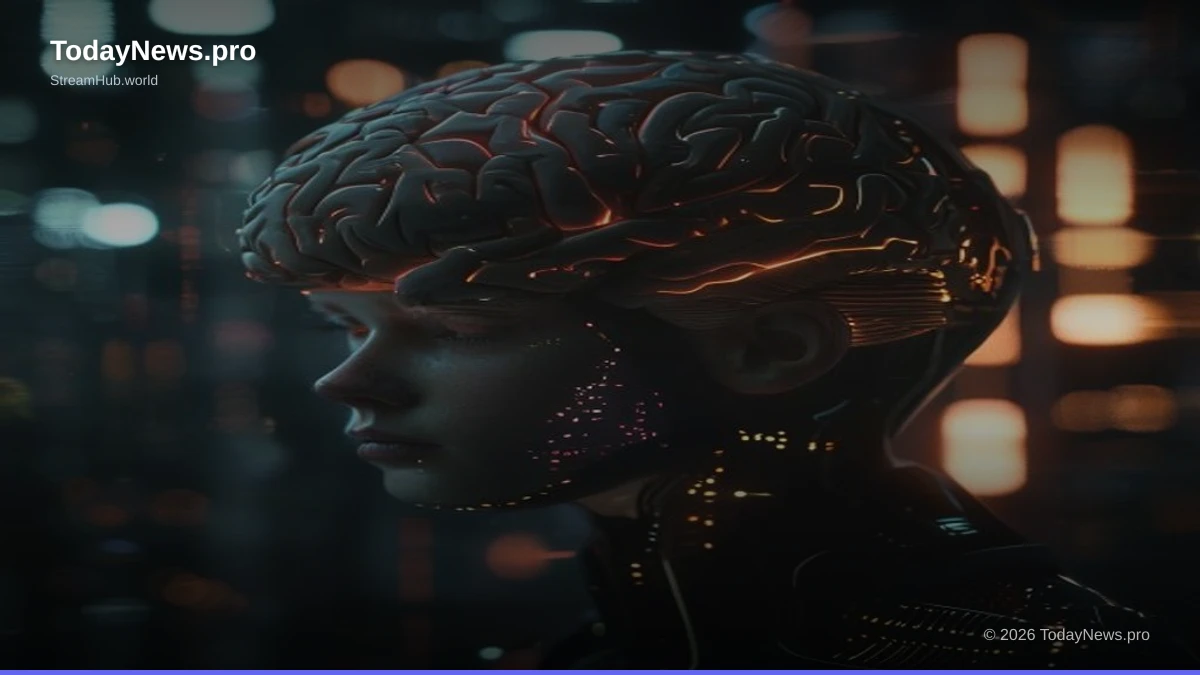
The Silent Revolution: Beyond Science Fiction
For decades, brain-computer interfaces (BCIs) were confined to the realm of science fiction, envisioned as futuristic tools for mind control or instantaneous communication. Today, this once-imaginary technology is rapidly transitioning into tangible reality, poised to redefine human interaction with machines and even with each other. The implications are profound, extending far beyond medical applications to encompass entertainment, productivity, and augmented human capabilities. This silent revolution is not about replacing human intelligence, but about augmenting it, creating a symbiotic relationship between the biological brain and digital systems. The early iterations, while rudimentary, have already demonstrated the potential to unlock new avenues of communication and control for individuals facing severe physical limitations, offering a glimpse into a future where the mind's intent can directly translate into action in the digital and physical worlds.From Niche to Novelty: The Shifting Paradigm
Once primarily the domain of neuroscience research and specialized medical interventions for paralysis or severe neurological disorders, BCIs are now attracting significant investment and attention from mainstream technology companies. This shift is driven by advancements in sensing technology, machine learning algorithms, and a growing understanding of neural signal processing. The focus is broadening from purely restorative applications to encompass enhancement and novel user experiences. Think of controlling smart home devices with a thought, navigating virtual reality environments with unprecedented immersion, or even experiencing a new form of artistic expression. This democratization of BCI technology promises to bring its benefits to a much wider audience, transforming everyday tasks and creating entirely new industries. The transition from specialized medical devices to consumer-grade products marks a critical inflection point in the adoption of this transformative technology.The Promise of Direct Neural Connection
At its core, a BCI acts as a bridge, translating neural activity into commands that external devices can understand and execute. This direct neural connection bypasses traditional input methods like keyboards, mice, or touchscreens, offering a more intuitive and potentially faster way to interact with technology. For individuals with conditions like amyotrophic lateral sclerosis (ALS) or spinal cord injuries, this means regaining a degree of autonomy and communication that was previously impossible. For the general population, it opens up possibilities for seamless integration with the digital world, where intentions can be realized with minimal physical effort. The potential for enhanced cognitive abilities, such as improved focus or memory recall, is also an area of intense research and development, hinting at a future where human potential can be further amplified.Decoding the Brain: A Symphony of Signals
The human brain is an extraordinarily complex organ, generating a constant symphony of electrical and chemical signals. BCIs aim to tap into this symphony, identifying patterns that correspond to specific thoughts, intentions, or commands. This process involves sophisticated signal acquisition, processing, and interpretation techniques. Understanding the nuances of brain activity is crucial for developing effective and reliable BCIs. Researchers are constantly refining their methods to capture these subtle signals with greater accuracy and to distinguish meaningful commands from background neural noise. The ability to accurately decode these signals is the cornerstone upon which all BCI applications are built.Types of Neural Signals
The most commonly targeted neural signals for BCI applications include: * **Electroencephalography (EEG):** This non-invasive method measures electrical activity on the scalp. It's widely used due to its portability and affordability, but it can be susceptible to artifacts and has lower spatial resolution. * **Electrocorticography (ECoG):** A semi-invasive technique that involves placing electrodes directly on the surface of the brain. ECoG offers higher signal quality and spatial resolution than EEG but requires surgery. * **Intracortical Electrode Arrays:** These invasive methods involve implanting microelectrode arrays directly into brain tissue. They provide the highest signal fidelity and spatial resolution, enabling the recording of individual neuron activity, but carry the greatest surgical risks. * **Functional Magnetic Resonance Imaging (fMRI):** While not typically used for real-time control due to its slow response, fMRI measures brain activity by detecting changes in blood flow. It's valuable for research into brain function and BCI design. * **Magnetoencephalography (MEG):** This non-invasive technique measures magnetic fields produced by electrical currents in the brain. It offers excellent temporal resolution but is expensive and requires specialized shielding.Machine Learning: The Brains Translator
Once neural signals are acquired, the challenge shifts to interpreting them. This is where machine learning plays a pivotal role. Sophisticated algorithms are trained to recognize specific patterns associated with particular mental states or desired actions. For example, an algorithm might be trained to distinguish the brain activity associated with imagining moving the left hand from that associated with imagining moving the right hand. Over time, and with enough training data, these algorithms can become remarkably adept at translating raw neural signals into actionable commands. The continuous learning capabilities of these algorithms are essential for adapting to individual users and improving BCI performance over time.| Signal Type | Invasiveness | Temporal Resolution | Spatial Resolution | Typical Applications |
|---|---|---|---|---|
| EEG | Non-invasive | Excellent | Poor | Basic control, diagnosis, neurofeedback |
| ECoG | Semi-invasive | Very Good | Good | Advanced motor control, communication for severe paralysis |
| Intracortical Arrays | Invasive | Excellent | Excellent | Fine motor control, advanced prosthetics, research |
The Technological Landscape: From Wires to Waves
The evolution of BCI hardware has been as crucial as the algorithmic advancements. Early BCIs were often bulky, tethered systems requiring significant setup. The current landscape is characterized by a push towards miniaturization, wireless connectivity, and increased user comfort. This enables a more seamless integration of BCIs into everyday life, moving them out of the laboratory and into homes and workplaces. The aim is to make BCI interaction as natural and unobtrusive as possible, akin to using a smartphone or wearable device.Non-Invasive Innovations
Non-invasive BCIs, primarily EEG-based, are leading the charge in consumer adoption. Advances in dry electrode technology have eliminated the need for conductive gels, making headsets more convenient. Wearable devices, resembling sleek headbands or even hats, are becoming increasingly common. These devices can monitor brain activity discreetly, allowing users to interact with their environment through thought alone. The focus here is on user-friendliness and accessibility, making complex neuroscience accessible to the average person.The Rise of Implantable Solutions
While more invasive, implantable BCIs offer unparalleled performance. Companies are developing sophisticated neural implants that can record and stimulate brain activity with remarkable precision. These technologies are crucial for restoring lost motor function and enabling advanced prosthetics that can be controlled with natural dexterity. The development of biocompatible materials and minimally invasive surgical techniques is continuously improving the safety and efficacy of these implantable solutions, paving the way for more widespread adoption in clinical settings.Applications Now: Empowering Lives and Enhancing Capabilities
The impact of BCIs is already being felt across various sectors, transforming lives and opening up new possibilities. From restoring lost function to enhancing everyday experiences, the current applications of BCIs are a testament to the power of human-machine symbiosis. The progress made in just the last few years is remarkable, offering hope and practical solutions for a growing number of individuals.Restoring Function and Independence
The most profound impact of BCIs is in the medical field. For individuals with paralysis, BCIs are enabling them to control prosthetic limbs, wheelchairs, and communication devices with their thoughts. This has led to a significant improvement in their quality of life, restoring a sense of independence and agency. Companies like Neuralink, founded by Elon Musk, are pushing the boundaries with implantable devices designed to treat neurological conditions and, eventually, to augment human capabilities. While still in early stages, the progress in this area offers immense hope for patients suffering from conditions like stroke, spinal cord injury, and neurodegenerative diseases.Gaming and Entertainment: The Next Frontier
Beyond medical necessity, BCIs are poised to revolutionize the gaming and entertainment industries. Imagine controlling characters in video games with your mind, experiencing virtual reality environments with unprecedented immersion, or even composing music or creating art through thought. This is no longer a distant dream. Early prototypes of BCI-powered gaming controllers are already demonstrating the potential for a more intuitive and engaging player experience. This opens up entirely new avenues for creative expression and entertainment, blurring the lines between imagination and reality. The potential for truly immersive experiences, where the player's mental state directly influences the game world, is immense.Enhancing Productivity and Learning
The application of BCIs extends to enhancing cognitive performance and productivity. Neurofeedback systems, often employing EEG, are already used to help individuals improve focus, manage stress, and enhance learning capabilities. In the workplace, BCIs could potentially streamline task management, improve decision-making processes, and even facilitate new forms of collaboration. The idea is to leverage brain signals to optimize cognitive states for specific tasks, leading to increased efficiency and reduced mental fatigue. This could also extend to educational settings, where BCIs might personalize learning experiences based on a student's cognitive load and engagement levels.Ethical Frontiers and Societal Shifts
As BCIs become more integrated into our lives, they raise complex ethical questions and societal challenges that demand careful consideration. The power to directly interface with the brain brings with it responsibilities regarding privacy, security, and equity. Navigating these uncharted territories requires a proactive and thoughtful approach from researchers, policymakers, and the public alike. Ensuring that this technology benefits all of humanity, rather than exacerbating existing inequalities, is paramount.Privacy and Security of Neural Data
One of the most significant ethical concerns surrounding BCIs is the privacy and security of neural data. This data is incredibly personal and can reveal sensitive information about an individual's thoughts, emotions, and cognitive states. Robust safeguards are essential to prevent unauthorized access, misuse, or manipulation of this data. Questions arise about who owns this data, how it can be used, and what measures are in place to protect it from breaches or exploitation. Establishing clear ethical guidelines and legal frameworks for neural data is a critical step in building public trust.The Equity Divide: Access and Affordability
Ensuring equitable access to BCI technology is another major challenge. As with many emerging technologies, there is a risk that BCIs could create a new digital divide, where only the affluent have access to their benefits. This could lead to further societal stratification, with enhanced individuals gaining an unfair advantage in education, employment, and other areas. Efforts must be made to make BCI technology affordable and accessible to all, regardless of socioeconomic status, to prevent the creation of a two-tiered society.Cognitive Augmentation and Human Identity
The prospect of cognitive augmentation raises profound philosophical questions about human identity and what it means to be human. If we can enhance our cognitive abilities through technology, where does the line between human and machine blur? This could lead to debates about fairness, authenticity, and the very definition of consciousness. As BCIs become more sophisticated, society will need to grapple with these existential questions and establish norms around the use of cognitive enhancement technologies. The impact on our understanding of ourselves and our place in the world is a significant consideration.The Road Ahead: Challenges and Unforeseen Possibilities
Despite the rapid advancements, significant challenges remain in the widespread adoption of BCIs. Overcoming these hurdles will require continued innovation, interdisciplinary collaboration, and a commitment to addressing societal concerns. The future potential, however, is vast and, in many ways, still beyond our current imagination. The journey is far from over, with many exciting discoveries and applications yet to be unveiled.Technical Hurdles and Miniaturization
While progress has been remarkable, challenges in signal fidelity, long-term device stability, and miniaturization persist. For implantable devices, ensuring biocompatibility and preventing immune responses remain critical areas of research. For non-invasive devices, improving signal-to-noise ratio and reducing the impact of external artifacts are ongoing pursuits. The drive for smaller, more efficient, and more robust BCI systems continues to fuel innovation.Regulatory Frameworks and Standardization
The rapid pace of BCI development often outstrips the development of regulatory frameworks. Establishing clear guidelines for safety, efficacy, and ethical use is crucial for fostering responsible innovation and ensuring public trust. Standardization across different BCI platforms and data formats will also be essential for interoperability and widespread adoption. This will require close collaboration between researchers, industry, and regulatory bodies to create a conducive environment for growth.The Unforeseen: New Paradigms of Interaction
The most exciting aspect of BCIs is their potential to unlock entirely unforeseen paradigms of interaction and experience. We are only just beginning to scratch the surface of what is possible. Imagine direct brain-to-brain communication, enhanced collective intelligence, or even entirely new forms of sensory perception. The future applications of BCIs are limited only by our imagination and our willingness to explore the untapped potential of the human brain. The journey promises to be transformative, reshaping our relationship with technology and with ourselves.Expert Perspectives on the BCI Frontier
Industry leaders and researchers offer insights into the future trajectory of Brain-Computer Interfaces. Their perspectives highlight the immense potential and the critical considerations that will shape this evolving field.Dr. Evelyn Reed, a pioneering researcher in neuroprosthetics, emphasizes the importance of user-centric design.
"Our goal is not just to create functional devices, but to develop systems that are intuitive, comfortable, and truly empower individuals. The human factor is paramount."
Mark Chen, CEO of Synapse Innovations, a leading BCI startup, focuses on the rapid acceleration of the technology.
"The confluence of AI, neuroscience, and materials science is creating an unprecedented momentum. We are moving from theoretical possibility to practical implementation at a pace that few anticipated just a decade ago."
For more information on the fundamental principles of neuroscience, consult Wikipedia's Brain-Computer Interface page. For updates on the latest developments in neural technology, stay tuned to Reuters Technology.