

 Sarah O'Connor
⏱ 15 min
The global market for brain-computer interfaces (BCIs) is projected to reach $8.1 billion by 2027, a staggering growth from just $1.6 billion in 2020, underscoring the rapid ascent of technology that bridges the human mind and the digital world.
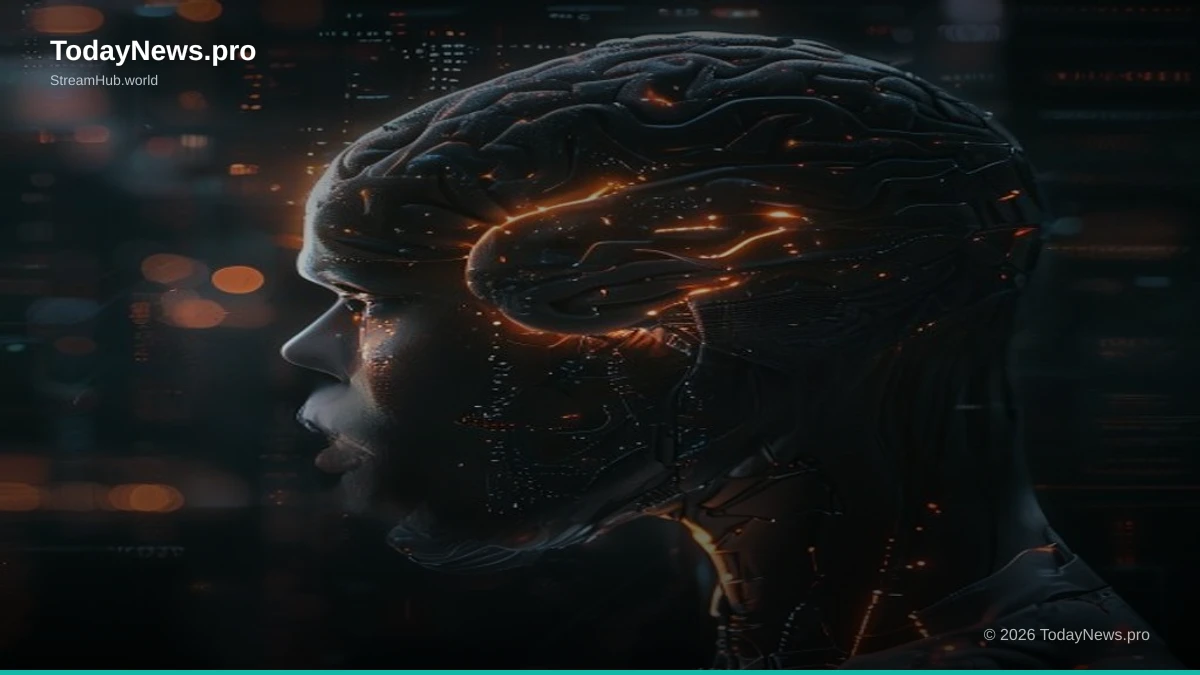
Mind Over Machine: The Dawn of Brain-Computer Interfaces
For centuries, humanity has dreamt of direct communication between thought and action, a realm once confined to science fiction. Today, that dream is rapidly materializing through the groundbreaking field of Brain-Computer Interfaces (BCIs). These sophisticated systems allow individuals to interact with external devices using only their brain activity, bypassing the conventional pathways of muscles and nerves. What began as a niche area of research, primarily focused on restoring lost function for individuals with severe motor impairments, has blossomed into a multifaceted domain promising profound transformations across healthcare, communication, and even human augmentation. The implications are vast, touching upon our very definition of ability and our potential for cognitive expansion. The journey of BCIs is one of relentless innovation, driven by an interdisciplinary synergy of neuroscience, engineering, computer science, and medicine. Early research laid the groundwork, identifying key brain signals and developing methods to detect and interpret them. This foundational work paved the way for increasingly sophisticated algorithms and hardware, moving from bulky laboratory setups to more user-friendly, wearable devices. The ambition is no longer just about bypassing disability; it's about enhancing human capabilities, opening up new avenues for creativity, learning, and interaction with our increasingly digital environment.A Brief History of Thought Control
The conceptual roots of BCIs can be traced back to early experiments in electroencephalography (EEG) in the mid-20th century. Researchers discovered that specific patterns of brainwaves correlated with different mental states and intentions. By the 1970s, initial attempts were made to use these brain signals to control external devices, albeit with rudimentary success. The groundbreaking work of Jacques Vidal in the late 1970s is often cited as a pivotal moment, coining the term "Brain-Computer Interface" and demonstrating the potential for controlling a cursor on a screen using visual evoked potentials. These early explorations, while limited by technological constraints, ignited the imagination and set the stage for decades of dedicated research.The Promise of Direct Neural Connection
The core promise of BCIs lies in their ability to establish a direct communication channel between the brain and external technology. This bypasses the limitations of the physical body, offering a revolutionary solution for individuals who have lost motor control due to conditions like amyotrophic lateral sclerosis (ALS), spinal cord injuries, or stroke. Beyond therapeutic applications, BCIs hold the potential to democratize access to technology, allowing for more intuitive and seamless interactions. Imagine controlling smart home devices with a mere thought, composing music without touching an instrument, or navigating complex software environments with unprecedented speed and efficiency. This direct neural connection signifies a paradigm shift in how we interface with the world around us.Decoding the Neural Symphony: How BCIs Work
At its heart, a BCI system comprises three fundamental components: signal acquisition, signal processing, and output. The brain, a complex organ, generates electrical signals as neurons communicate. BCIs aim to capture these signals, translate them into meaningful commands, and then execute those commands through an external device. The elegance of this process lies in its ability to interpret the subtle nuances of neural activity.Signal Acquisition: Tapping into the Brains Electrical Language
The first step in any BCI is to acquire brain signals. This is achieved through various methods, broadly categorized into invasive and non-invasive techniques. * **Non-Invasive Methods:** These are the most common and accessible. Electroencephalography (EEG) is the workhorse, utilizing electrodes placed on the scalp to detect electrical activity. Other non-invasive techniques include magnetoencephalography (MEG) and functional near-infrared spectroscopy (fNIRS), which measure magnetic fields and blood oxygenation, respectively. While less precise than invasive methods, they offer safety, ease of use, and lower cost. * **Invasive Methods:** These involve surgically implanting electrodes directly onto or into the brain. Electrocorticography (ECoG), where electrodes are placed on the surface of the brain, and intracortical microelectrode arrays, which penetrate brain tissue, offer much higher signal resolution and accuracy. These methods are typically reserved for individuals with severe medical needs where the benefits outweigh the surgical risks.90%
of BCI research uses EEG
1000+
neurons monitored by arrays
Milliseconds
signal latency for invasive
Signal Processing: Translating Thoughts into Actions
Once raw brain signals are acquired, they are far from being a usable command. This is where signal processing and machine learning come into play. Sophisticated algorithms are employed to: * **Filter Noise:** Brain signals are often obscured by artifacts from muscle movements, eye blinks, or environmental electrical interference. Advanced filtering techniques are crucial to isolate the relevant neural activity. * **Feature Extraction:** Identifying specific patterns, frequencies, or amplitudes within the brain signals that correspond to particular intentions. This could be, for instance, the neural signature associated with imagining moving a limb or focusing attention on a specific object. * **Classification:** Using machine learning models, the extracted features are classified into distinct commands. For example, a specific brain pattern might be classified as "move cursor left," while another is classified as "select."Output and Feedback: Closing the Loop
The final stage involves translating the classified command into an action by an external device. This could be a computer cursor, a robotic arm, a wheelchair, or even a communication interface. Crucially, many BCI systems incorporate feedback mechanisms. This feedback, often visual or auditory, allows the user to see or hear the result of their mental command, helping them to learn and refine their control over time. This closed-loop system is essential for improving BCI performance and user experience.| BCI Type | Signal Acquisition Method | Resolution | Invasiveness | Typical Application |
|---|---|---|---|---|
| Motor Imagery BCIs | EEG, ECoG | Moderate to High | Non-invasive to Invasive | Movement control, communication |
| P300 Spellers | EEG | Low to Moderate | Non-invasive | Text communication |
| SSVEP BCIs | EEG | Moderate | Non-invasive | Command selection, environmental control |
| Intracortical BCIs | Microelectrode Arrays | Very High | Highly Invasive | Advanced prosthetics, restoring sensation |
From Restoration to Augmentation: The Evolving Applications of BCIs
The trajectory of BCI development has moved significantly beyond its initial therapeutic goals. While restoring function for those with disabilities remains a paramount objective, the technology is increasingly being explored for augmenting human capabilities and enhancing everyday experiences.Restorative Applications: Reclaiming Independence
For individuals living with paralysis, ALS, stroke, or other neurological conditions that impair motor function, BCIs represent a lifeline. * **Communication:** BCIs enable users to type messages, select words, or even generate speech by controlling a virtual keyboard or text-to-speech synthesizer with their thoughts. This is particularly transformative for those with locked-in syndrome. * **Mobility:** Controlling prosthetic limbs, wheelchairs, or exoskeletons with greater precision and intuitiveness. Advanced systems are even beginning to restore a sense of touch. * **Environmental Control:** Managing smart home devices, adjusting lighting, or operating appliances through thought commands."The goal is not just to replace lost function, but to give individuals back their agency and a sense of control over their lives. BCIs are a powerful tool for empowerment."
— Dr. Anya Sharma, Lead Neuroscientist, Neuromodulation Institute
Augmentative Applications: Enhancing Human Potential
The next frontier for BCIs lies in augmenting the capabilities of healthy individuals, a field often referred to as cognitive enhancement. This involves using BCIs to: * **Improve Focus and Attention:** Devices that monitor brain activity related to attention can provide real-time feedback, helping users to train their focus. * **Accelerate Learning:** Some research explores using BCIs to optimize learning states, potentially making the acquisition of new skills faster and more efficient. * **Enhance Gaming and Entertainment:** Immersive gaming experiences where players can directly influence game environments or characters with their thoughts. * **Streamline Workflow:** For professions requiring intense concentration or complex operations, BCIs could offer a more direct and rapid input method, reducing cognitive load.Therapeutic Interventions: Beyond Movement
BCIs are also being explored for their potential in treating a range of neurological and psychological conditions beyond motor impairments. * **Depression and Anxiety:** Neurofeedback, a type of BCI, is used to train individuals to self-regulate brain activity associated with mood disorders. * **Epilepsy:** Detecting and potentially intervening before a seizure occurs by analyzing aberrant brainwave patterns. * **Pain Management:** Modulating brain activity to reduce the perception of chronic pain.The Cognitive Enhancement Frontier: Beyond Basic Control
The prospect of directly enhancing human cognitive abilities through technology is perhaps the most revolutionary, and controversial, aspect of BCI development. This area pushes the boundaries of what it means to be human, moving from mere control to active augmentation of mental faculties.Boosting Cognitive Functions
Researchers are investigating how BCIs can be used to directly influence and improve various cognitive functions. This includes areas such as: * **Memory Enhancement:** Exploring ways to reinforce or even transfer memory traces through targeted neural stimulation guided by BCI feedback. * **Problem-Solving:** Developing systems that can analyze problem-solving neural patterns and offer subtle prompts or guidance to facilitate more efficient solutions. * **Creativity:** Investigating if BCIs can detect and amplify neural states associated with creative insight, potentially aiding artists, musicians, and innovators.Neurofeedback for Self-Regulation
Neurofeedback is a well-established BCI application that empowers individuals to gain conscious control over their brainwave activity. By receiving real-time feedback (often visual or auditory) on specific brainwave patterns, users can learn to voluntarily shift their brain states. This is proving effective for: * **Attention Deficit Hyperactivity Disorder (ADHD):** Helping individuals to increase focus and reduce impulsivity. * **Stress and Anxiety Reduction:** Training individuals to achieve more relaxed and calm brain states. * **Improving Sleep Quality:** Promoting brainwave patterns conducive to deeper and more restorative sleep.Reported Efficacy of Neurofeedback for Various Conditions
The Brain as Interface Paradigm
The ultimate goal in cognitive enhancement is to move beyond simply controlling devices and to create a more seamless, intuitive integration between human cognition and artificial intelligence. This "brain as interface" paradigm envisions a future where our thoughts can directly access and manipulate complex information systems, or even communicate with other minds without the need for spoken or written language. This is the realm of profound transformation, where the line between human and machine begins to blur in unprecedented ways.Ethical Labyrinths and Societal Shifts
As BCIs move from research labs into the public sphere, they bring with them a host of complex ethical, social, and philosophical questions that demand careful consideration. The power to directly interface with the human mind raises profound concerns about privacy, autonomy, and equity.Privacy and Security of Neural Data
One of the most immediate concerns is the privacy and security of the highly sensitive neural data collected by BCIs. This data offers an intimate glimpse into an individual's thoughts, emotions, and intentions. * **Data Breaches:** The risk of sophisticated hacking attempts to steal or manipulate neural data is a significant threat. Such breaches could lead to identity theft, manipulation, or even the exposure of private thoughts. * **Surveillance:** Concerns exist about potential misuse by corporations or governments for unprecedented levels of surveillance and behavioral profiling. * **Consent and Ownership:** Establishing clear guidelines for consent regarding the collection and use of neural data, and determining who owns this data, are critical.Autonomy and Free Will
The ability of BCIs to influence or even alter brain activity raises questions about individual autonomy and free will. * **Manipulation:** Could BCIs be used to subtly influence decision-making or emotional states without the user's full awareness? * **Coercion:** The potential for individuals to be coerced into using BCIs, especially in professional or legal contexts, needs to be addressed. * **Defining Agency:** As BCIs become more integrated, understanding where human decision-making ends and machine influence begins will become increasingly complex."We are venturing into uncharted territory. The ethical frameworks we develop today will shape the future of human-technology interaction for generations to come. We must proceed with caution and a deep sense of responsibility."
— Professor Jian Li, Ethicist and AI Policy Advisor
Equity and Access: The Digital Divide of the Mind
The development and deployment of advanced BCIs could exacerbate existing societal inequalities if not managed carefully. * **Cost Barriers:** High-end BCI technology, particularly invasive systems, will likely be expensive, creating a divide between those who can afford cognitive enhancement and those who cannot. * **"Cognitive Divide":** This could lead to a future where enhanced individuals have a significant advantage in education, employment, and other areas, creating a new form of social stratification. * **Equitable Development:** Ensuring that the benefits of BCI technology are accessible to all, especially those who stand to gain the most therapeutically, is a moral imperative.The Future is Now: Pioneering Companies and Breakthroughs
The BCI landscape is dynamic and rapidly evolving, with a growing number of companies and research institutions pushing the boundaries of what's possible. These pioneers are not only developing cutting-edge technology but also forging pathways for its real-world application.Key Players in the BCI Arena
Several companies have emerged as leaders in the BCI space, each with a distinct focus and technological approach. * **Neuralink:** Founded by Elon Musk, Neuralink is arguably the most high-profile BCI company, aiming to develop implantable devices for high-bandwidth brain-machine interfaces. Their stated goals range from medical applications to enabling symbiosis with artificial intelligence. * **Synchron:** This company focuses on less invasive BCI technology, developing a stent-based endovascular implant that can be delivered through blood vessels to the brain, avoiding open surgery. Their technology aims to restore communication and mobility for paralyzed individuals. * **Kernel:** Kernel is developing non-invasive EEG-based BCIs aimed at improving understanding of brain function and potentially enhancing cognitive performance. They are exploring applications in both health and performance optimization. * **Neurable:** Neurable is focused on developing accessible, non-invasive BCIs for controlling devices and enhancing user experiences in areas like virtual reality and gaming.Recent Technological Leaps
Recent breakthroughs underscore the accelerating pace of BCI development: * **High-Resolution Decoding:** Researchers are achieving increasingly precise decoding of neural signals, allowing for more nuanced control of external devices and the potential for restoring complex motor functions. * **Bi-directional Interfaces:** Moving beyond just reading brain signals, researchers are developing systems that can both read from and write to the brain, potentially restoring sensory feedback to prosthetic limbs. * **AI-Powered Algorithms:** The integration of advanced artificial intelligence and machine learning is dramatically improving the speed, accuracy, and adaptability of BCI systems. * **Miniaturization and Wearability:** BCI devices are becoming smaller, more comfortable, and more integrated into everyday wear, increasing their practicality for widespread adoption.The Growing Investment Landscape
The significant potential of BCIs is attracting substantial investment, fueling further innovation. Venture capital firms and strategic corporate investors are pouring billions into the sector, recognizing its transformative capabilities across multiple industries. This influx of capital accelerates research, product development, and clinical trials, bringing BCI solutions closer to widespread availability. The market is no longer just a scientific curiosity; it's a burgeoning economic force.Navigating the Unknown: Challenges and the Path Forward
Despite the remarkable progress, the journey of BCIs is far from over. Significant challenges remain, requiring continued innovation, rigorous testing, and thoughtful societal dialogue.Technical Hurdles to Overcome
Several technical obstacles must be addressed for BCIs to reach their full potential. * **Signal Stability and Longevity:** For invasive BCIs, ensuring the long-term stability and biocompatibility of implanted electrodes is crucial to prevent rejection and maintain signal quality over years. * **Bandwidth and Precision:** While improving, the bandwidth of non-invasive BCIs remains limited compared to invasive methods. Achieving higher precision without sacrificing safety and accessibility is a continuous challenge. * **Individual Variability:** Brain activity is highly individual. Developing BCIs that can adapt quickly and effectively to diverse users and their unique neural patterns is paramount. * **Power Consumption and Miniaturization:** For wearable and implantable devices, efficient power management and further miniaturization are essential for user comfort and practical application.Regulatory and Clinical Pathways
Bringing BCI technology to market, especially for medical applications, involves navigating complex regulatory pathways. * **Safety and Efficacy Trials:** Rigorous clinical trials are necessary to demonstrate the safety and efficacy of BCI devices to regulatory bodies like the FDA. * **Standardization:** Establishing industry standards for BCI technology will be important for interoperability, safety, and consumer trust. * **Reimbursement:** Securing reimbursement from healthcare providers and insurance companies for BCI therapies will be critical for broad patient access.The Human-Machine Symbiosis
Ultimately, the future of BCIs lies in achieving a harmonious symbiosis between humans and machines. This requires not only technological advancement but also a profound understanding of human cognition and a commitment to developing these powerful tools responsibly. As we stand on the precipice of a new era, the ability to directly connect mind and machine offers unparalleled opportunities, but it also demands our most thoughtful and ethical consideration. The dialogue must continue, engaging scientists, ethicists, policymakers, and the public to ensure that this revolution benefits all of humanity.What is the difference between invasive and non-invasive BCIs?
Non-invasive BCIs, like EEG, use sensors placed on the scalp to detect brain signals. Invasive BCIs, such as ECoG or microelectrode arrays, require surgery to implant electrodes directly onto or into the brain for higher signal resolution.
Can BCIs read my thoughts?
Current BCIs do not "read thoughts" in the way one might imagine. They detect patterns of brain activity associated with specific intentions or mental states (e.g., imagining movement, focusing attention) and translate these into commands for external devices. Reading complex, abstract thoughts remains firmly in the realm of science fiction.
What are the main ethical concerns surrounding BCIs?
Key ethical concerns include the privacy and security of neural data, the potential for manipulation or coercion, questions of autonomy and free will, and ensuring equitable access to prevent a "cognitive divide" between enhanced and non-enhanced individuals.
Which conditions are BCIs primarily used to treat?
BCIs are most significantly used to restore communication and motor control for individuals with severe motor impairments, such as those caused by ALS, spinal cord injuries, stroke, and neurodegenerative diseases. They are also used in therapeutic interventions for conditions like ADHD and anxiety through neurofeedback.