

 Maria Gonzalez
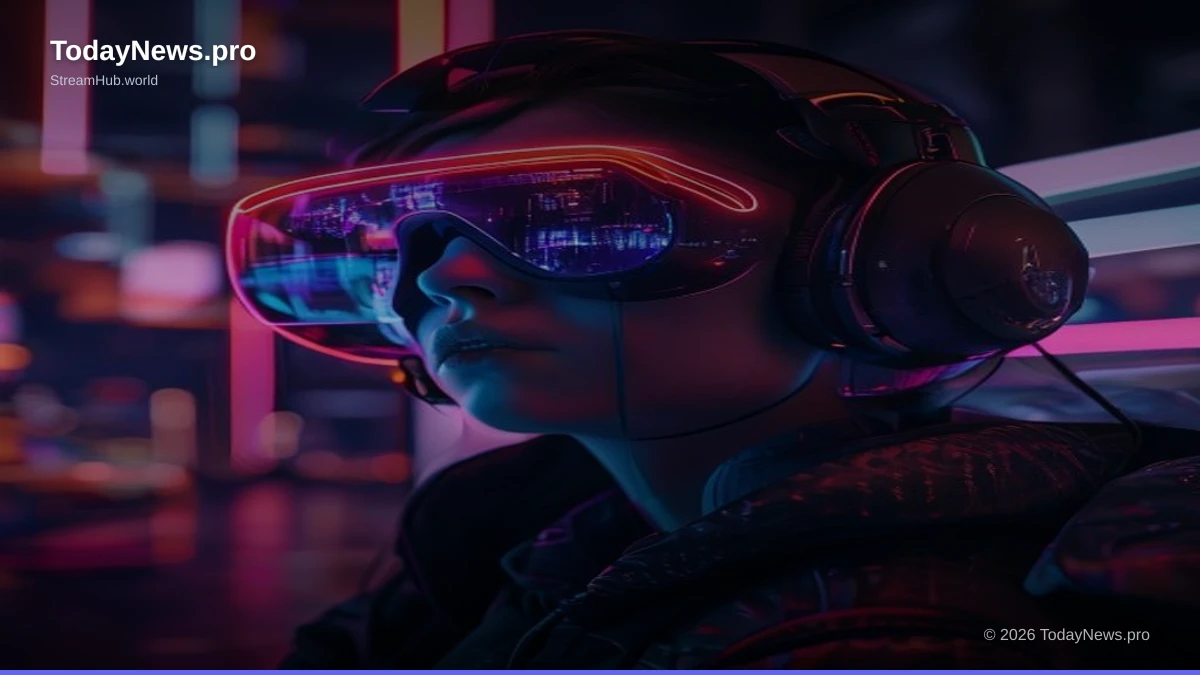
By 2030, the global metaverse market is projected to reach a staggering $1.6 trillion, a significant leap from its nascent stages, signaling a profound shift from niche entertainment to mainstream integration across various sectors.
Beyond the Pixels: The Metaverses Imminent Real-World Impact
The term "metaverse" has, for years, been largely synonymous with virtual reality gaming and speculative digital land purchases. However, the transformative potential of interconnected, persistent, and immersive digital worlds extends far beyond entertainment. As we approach 2030, the metaverse is poised to fundamentally reshape how we work, socialize, and engage in commerce, moving from a conceptual futurism to tangible, everyday reality. This evolution is driven by advancements in computing power, network infrastructure, and intuitive interface technologies, democratizing access and expanding its utility for a global audience.
Early adopters and forward-thinking corporations are already investing heavily in metaverse technologies, recognizing its capacity to unlock new efficiencies, foster deeper connections, and create novel economic opportunities. The lines between our physical and digital lives are blurring, and the metaverse represents the next logical, albeit complex, frontier in this ongoing convergence. It is not merely a collection of virtual spaces but a dynamic ecosystem of interconnected experiences, each offering unique functionalities and possibilities.
Defining the Metaverse in 2030
By 2030, the metaverse will likely not be a single, monolithic entity but rather a network of interoperable virtual worlds and experiences. Think of it less as a singular "place" and more as a new layer of the internet, accessible through various devices, from advanced VR headsets to augmented reality glasses, and even standard screens. The emphasis will be on persistent environments where users, represented by avatars, can interact with each other, digital objects, and AI-driven entities in real-time. Interoperability will be a key theme, allowing users to seamlessly move assets and identities across different metaverse platforms, a concept still in its infancy today.
The core characteristics that will define the metaverse by 2030 include persistence (it never "resets"), synchronicity (live experiences for all users), a functioning economy (digital ownership and value exchange), and vast scalability (supporting a large number of concurrent users). It will serve as a digital twin of aspects of our physical world, but also as a space for entirely new, imaginative experiences unconstrained by physical laws.
The Evolving Workplace: From Virtual Desks to Immersive Collaboration
The traditional office environment, already disrupted by remote work trends, is set for a further revolution with the advent of the metaverse workplace. By 2030, companies will increasingly leverage virtual environments for everything from onboarding and training to team meetings and complex project collaboration. These immersive spaces offer a level of engagement and presence that video conferencing simply cannot replicate, fostering a stronger sense of team cohesion and reducing the isolation often associated with remote work.
Imagine training sessions where new hires can virtually walk through a complex manufacturing plant, practice operating machinery in a risk-free environment, or participate in role-playing scenarios with AI-powered colleagues. Project teams can gather around virtual whiteboards, manipulate 3D models together, and brainstorm in shared digital studios, overcoming the limitations of geographical distance and time zones. This is not just about replicating physical offices in a digital space; it's about creating entirely new modes of working that are more efficient, engaging, and inclusive.
Immersive Collaboration and Productivity
One of the most significant impacts of the metaverse on work will be the enhancement of collaboration. Tools like virtual meeting rooms, shared digital workspaces, and holographic presentations will allow for a much richer and more interactive experience than current digital platforms. Teams can feel more present, making non-verbal cues more apparent and fostering a stronger sense of camaraderie. This can lead to improved decision-making, faster problem-solving, and increased overall productivity.
For instance, architects and engineers can collaborate on building designs in a shared 3D space, walking through virtual structures to identify potential issues before construction begins. Medical professionals could consult on complex surgical procedures by interacting with detailed 3D anatomical models in real-time, regardless of their physical locations. The ability to visualize and manipulate complex data and designs in an intuitive, three-dimensional space will be a game-changer.
Training and Development in Virtual Environments
The metaverse offers unparalleled opportunities for training and skill development. Complex simulations can be created for high-risk professions, such as pilots, surgeons, or emergency responders, allowing them to practice critical procedures in a safe and controlled virtual environment. Onboarding new employees can become a more engaging and effective process, with virtual tours of company facilities, interactive training modules, and opportunities to meet colleagues' avatars.
Companies can also use the metaverse to conduct immersive workshops, leadership training, and diversity and inclusion programs. The experiential nature of these virtual environments can lead to deeper learning and better retention of information. This is particularly beneficial for skills that require hands-on practice or a deep understanding of spatial relationships. The cost-effectiveness of virtual training, compared to physical simulations or travel, will also be a significant driver.
| Industry | Projected Metaverse Adoption for Work by 2030 (%) | Key Applications |
|---|---|---|
| Technology | 85 | Virtual R&D, Remote Collaboration, Employee Onboarding |
| Manufacturing | 70 | Virtual Prototyping, Remote Maintenance, Training |
| Healthcare | 65 | Surgical Training, Remote Consultations, Patient Education |
| Education | 75 | Immersive Learning Experiences, Virtual Labs, Remote Lectures |
| Retail | 55 | Virtual Showrooms, Employee Training, Customer Service |
Social Fabric Reimagined: Connecting Beyond Geographies
Our social lives are intrinsically tied to physical proximity. The metaverse promises to dismantle these geographical barriers, enabling richer and more meaningful connections with friends, family, and communities, regardless of where they are located. By 2030, expect to see a significant shift towards social interactions taking place within persistent virtual worlds, offering a level of presence and shared experience that current social media platforms lack.
Imagine attending a virtual concert with thousands of avatars from around the globe, feeling the energy of the crowd and interacting with fellow fans. Or celebrating a birthday with loved ones scattered across continents, all gathered in a beautifully designed virtual space. Family gatherings, casual hangouts, and even dating experiences will find new expressions in these immersive digital realms. The metaverse offers the potential to foster deeper empathy and understanding by allowing individuals to experience different perspectives and interact in more nuanced ways.
Community Building and Shared Experiences
The metaverse provides fertile ground for building and nurturing communities. Users can find and connect with like-minded individuals based on shared interests, hobbies, or even specific life experiences. These virtual communities can offer support, foster creativity, and provide a sense of belonging that can be difficult to find in the physical world, especially for those with niche interests or who face social isolation.
Shared experiences will be a cornerstone of metaverse social life. From co-creating art in a virtual studio to exploring fantastical digital landscapes together, the opportunities for shared activities are vast. These experiences will be more than just passive consumption; they will be interactive and collaborative, allowing for genuine co-creation and shared memories. Think of attending a virtual art exhibition with friends, where you can discuss each piece and even interact with the digital artwork itself.
Bridging the Digital Divide in Social Interaction
While often discussed in terms of advanced technology, the metaverse also holds the potential to bridge certain social divides. For individuals with mobility issues or those living in remote areas, the metaverse can offer a gateway to social participation and engagement that might otherwise be inaccessible. It can provide a platform for them to interact with others, participate in events, and experience a wider range of activities.
Furthermore, the ability to customize avatars allows users to present themselves in ways that may feel more authentic or comfortable, potentially reducing anxiety associated with physical appearance and social judgment. This can lead to more genuine interactions and the formation of deeper connections based on personality and shared values rather than superficial traits. The metaverse can become a space where individuals can express themselves freely and connect with others on a more profound level.
Commerce in the Metaverse: New Frontiers for Retail and Brands
The economic implications of the metaverse are profound, with new avenues for commerce and brand engagement emerging rapidly. By 2030, brands will not only have a presence in the metaverse but will be actively selling products, offering immersive customer experiences, and building entire virtual storefronts. This shift represents a paradigm change from e-commerce as we know it, moving towards a more experiential and interactive model of retail.
Consumers will be able to "try on" virtual clothing, test-drive digital versions of physical products, and explore brand showrooms in ways that are currently impossible. The concept of digital ownership, fueled by NFTs (Non-Fungible Tokens), will allow for the creation of scarcity and value for digital assets, from unique virtual fashion items to collectibles and in-game items that can be traded and resold. This creates entirely new revenue streams for brands and developers.
Immersive Shopping Experiences and Virtual Showrooms
Forget static product pages. By 2030, consumers will be able to enter meticulously designed virtual stores, browse shelves, pick up items, and interact with them in 3D. Brands will create elaborate virtual showrooms that showcase their entire product lines in innovative and engaging ways. Imagine exploring a virtual automotive showroom, not just seeing pictures, but stepping inside a car, customizing its features in real-time, and even taking it for a virtual test drive.
This level of immersion can lead to higher conversion rates and increased customer loyalty. The metaverse allows for a more personalized and engaging shopping journey, where customers can get a true sense of a product's scale, texture, and functionality before making a purchase. The ability to offer exclusive virtual experiences, such as fashion shows or product launch events, will also become a key marketing strategy for brands.
The Rise of Digital Goods and Virtual Economies
The metaverse will fuel a massive growth in the market for digital goods. This includes everything from avatar skins and virtual accessories to digital art, music, and even virtual real estate. NFTs will play a crucial role in establishing ownership and authenticity for these digital assets, creating a robust economy where users can buy, sell, and trade items. This opens up new opportunities for creators, artists, and entrepreneurs to monetize their work.
For established brands, this means not only selling physical goods that can be used in the metaverse (e.g., a virtual outfit for your avatar that can also be purchased as a physical garment) but also creating entirely new lines of purely digital products. The ability to create scarcity and exclusivity for digital items will be a key driver of value. The concept of "phygital" – the blend of physical and digital – will become increasingly prevalent, with brands offering both physical and virtual versions of their products, often linked through blockchain technology.
| Metaverse Commerce Segment | Projected Market Size (USD Billions) by 2030 | Key Drivers |
|---|---|---|
| Virtual Goods (Avatars, Accessories) | 250 | Personalization, Self-Expression, Social Status |
| Digital Real Estate | 180 | Investment, Community Building, Virtual Events |
| Virtual Experiences & Entertainment | 300 | Concerts, Games, Immersive Storytelling |
| Phygital Products (Physical + Digital) | 200 | Enhanced Product Value, Brand Loyalty, New Revenue Streams |
| Advertising & Sponsorships | 150 | Targeted Reach, Brand Visibility, Experiential Marketing |
The Technological Underpinnings: Building the Metaverse Foundation
The ambitious vision of the metaverse by 2030 is not achievable without robust and continually evolving technological infrastructure. Key advancements in several areas are critical to its realization, from the devices we use to interact with these virtual worlds to the networks that connect them and the underlying software that powers them.
Hardware will become more sophisticated and accessible. Expect lighter, more powerful VR headsets with higher resolutions and wider fields of view, alongside advanced AR glasses that seamlessly blend digital information with the physical world. Haptic feedback suits and gloves will provide a more immersive sensory experience, allowing users to "feel" virtual objects. The development of intuitive interfaces, potentially incorporating AI-driven gesture and voice recognition, will be crucial for widespread adoption, moving beyond the complexity of current VR controllers.
Hardware and Interface Innovations
The evolution of hardware is paramount. VR headsets will become more comfortable, powerful, and affordable, blurring the lines between virtual and reality with photorealistic graphics and wider fields of view. AR glasses, currently still in their nascent stages for mass consumption, will mature into sleek, everyday wearables that overlay digital information and experiences onto our physical surroundings. Imagine walking down the street and seeing navigation directions appear on your glasses, or pointing at a building and instantly accessing its history and reviews.
Beyond visual and auditory input, advancements in haptics will allow users to experience touch and texture in virtual environments. This could range from feeling the weight of a virtual object to experiencing the subtle vibrations of a virtual machine. Brain-computer interfaces (BCIs) might also begin to play a role, offering even more direct and intuitive control over digital avatars and environments, though widespread adoption of BCIs for general metaverse use by 2030 remains speculative.
Networking and Decentralization
The metaverse demands a network capable of handling vast amounts of real-time data with ultra-low latency. Technologies like 5G and the emerging 6G will be crucial for enabling seamless, high-fidelity experiences. Edge computing will also play a vital role, processing data closer to the user to minimize delays and ensure smooth interactions. Without these advancements, the immersive and interactive nature of the metaverse would be severely hampered by lag and stuttering.
Decentralization, often associated with blockchain technology, is also a key component for many metaverse proponents. Decentralized platforms aim to give users more control over their data and digital assets, preventing single entities from dominating the metaverse. This includes concepts like decentralized identity management, allowing users to carry their digital personas across different metaverse experiences without being tied to a specific platform. The development of interoperability standards will be crucial to ensure that these decentralized worlds can communicate with each other.
Challenges and Ethical Considerations: Navigating the Digital Frontier
As the metaverse rapidly expands, it brings with it a complex array of challenges and ethical considerations that must be addressed proactively. The transition to increasingly immersive digital lives raises questions about data privacy, digital identity, accessibility, and the potential for new forms of inequality and harm.
Ensuring that the metaverse is an inclusive and safe space for all users is paramount. This involves addressing issues like harassment, misinformation, and the potential for addiction. Furthermore, the vast amounts of personal data generated within these immersive environments will require robust privacy protections and transparent data governance policies. The economic models underpinning the metaverse also need careful consideration to avoid exacerbating existing social and economic disparities.
Data Privacy and Security
The metaverse will generate unprecedented amounts of personal data, from biometric information captured by VR/AR devices to behavioral patterns within virtual environments. Protecting this sensitive data from breaches and misuse is a critical concern. Robust encryption, transparent data handling policies, and user control over their data will be essential. Regulations will need to evolve to keep pace with the data collection capabilities of these immersive technologies.
The concept of digital identity in the metaverse also raises questions. How will users verify their identity? How will we prevent impersonation and ensure accountability? Decentralized identity solutions may offer a path forward, but the implementation and adoption of such systems will be complex. Security measures must also extend to preventing fraud and theft of digital assets within the metaverse economy.
Inclusivity, Accessibility, and Digital Divide
While the metaverse has the potential to increase accessibility for some, there is a significant risk of exacerbating the digital divide. High-end hardware and reliable internet access can be prohibitively expensive, creating barriers for entry. Ensuring that the metaverse is accessible to people of all abilities, socioeconomic backgrounds, and geographical locations is a crucial ethical imperative.
Designers and developers must prioritize accessibility in their creations, offering alternative input methods and content delivery options. Furthermore, addressing issues of digital literacy and providing education on how to navigate and participate safely in the metaverse will be vital to prevent exploitation and ensure equitable participation. The metaverse should be a space that empowers, not excludes.
Combating Harassment and Misinformation
The immersive nature of the metaverse can amplify the impact of negative online behaviors. Harassment, bullying, and the spread of misinformation can feel far more real and damaging in a virtual environment. Robust moderation tools, clear community guidelines, and effective reporting mechanisms will be essential to maintain safe and respectful spaces. Companies developing metaverse platforms will bear a significant responsibility in curating these digital societies.
The potential for deepfakes and sophisticated propaganda campaigns within the metaverse is also a serious concern. Developing methods for verifying the authenticity of content and identities will be crucial for combating misinformation and maintaining trust within these virtual worlds. This will likely require a combination of technological solutions and community-driven fact-checking initiatives.
The Road to 2030: Milestones and Predictions
The journey to a fully realized metaverse by 2030 is not a straight line, but rather a series of incremental advancements and strategic pivots. While a singular, unified metaverse might still be a distant dream, the building blocks will be firmly in place, and significant integration into our daily lives will be undeniable.
We can anticipate a continued proliferation of specialized metaverse platforms catering to specific industries or interests, gradually increasing their interoperability. The concept of a persistent, interconnected digital reality will become increasingly familiar, moving from a niche concept to a mainstream understanding. The investments being made today by tech giants, startups, and traditional enterprises are laying the groundwork for this transformative future. The key will be how effectively the challenges we've discussed are addressed along the way.
Key Milestones and Adoption Trajectories
By 2025, we will likely see widespread adoption of more advanced AR glasses for professional use and as premium consumer devices, enabling more seamless integration of digital and physical worlds. Enterprise metaverse solutions for training, collaboration, and design will mature significantly, with many businesses establishing dedicated virtual presences. The gaming sector will continue to be a primary driver of innovation, pushing the boundaries of immersion and social interaction.
By 2027, interoperability standards will begin to gain traction, allowing for the smoother transfer of digital assets and identities between platforms. Major brands will have fully embraced the metaverse for marketing and sales, creating immersive brand experiences and selling significant volumes of digital goods. The metaverse will become a recognized career path for many, with demand for metaverse architects, developers, community managers, and digital asset creators surging.
The Metaverse as a Layer of Everyday Life
By 2030, the metaverse will not be a separate destination but an integral layer of our everyday existence. It will be a place where we conduct a significant portion of our work, maintain our social connections, and engage in commerce. While not everyone will be living in full VR, augmented reality will likely be a ubiquitous presence, enhancing our physical world with digital information and experiences. The distinction between "online" and "offline" will become increasingly blurred.
The economic ecosystem of the metaverse will be robust, with digital currencies and NFTs facilitating complex transactions. The legal and regulatory frameworks will have evolved to address the unique challenges of these virtual realms. Ultimately, the metaverse by 2030 will represent a fundamental evolution of the internet, offering a more immersive, interactive, and interconnected digital future. The question is not if it will happen, but how we will shape it.