

 Sophie Turner
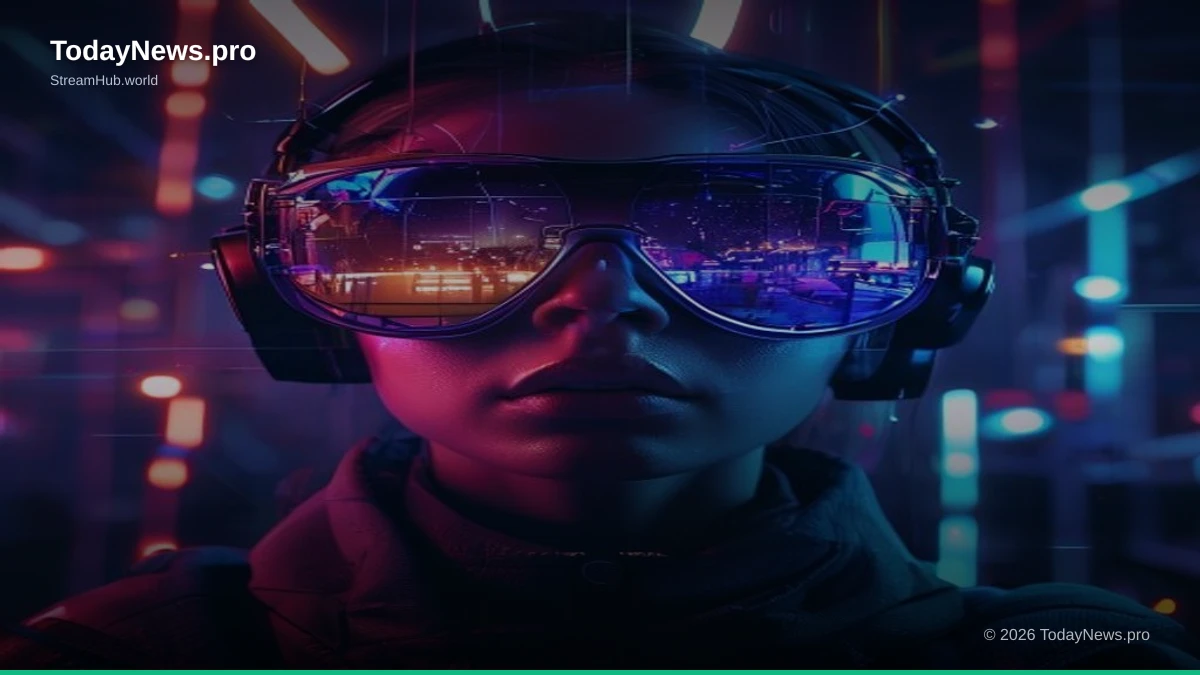
By early 2024, estimates suggest that the metaverse market could reach a staggering $1.6 trillion by 2030, a significant leap driven by advancements in virtual and augmented reality technologies, and a growing appetite for immersive digital experiences beyond traditional gaming.
The Metaverse: More Than Just Pixels and Play
The term "metaverse" has rapidly transcended its origins in science fiction and early video games to become a buzzword signifying a persistent, interconnected set of virtual spaces where users can interact with each other, digital objects, and AI-driven entities. While its most visible manifestations have been in gaming platforms like Fortnite and Roblox, the true potential of the metaverse lies in its capacity to redefine fundamental aspects of human activity, from social connection to professional collaboration and economic engagement.
This digital frontier is not a single monolithic entity but rather a constellation of emerging virtual worlds, each with its own rules, economies, and user bases. The overarching vision is one of seamless transition between these spaces, a digital fabric woven with threads of shared identity and experience. The underlying technologies—including virtual reality (VR), augmented reality (AR), blockchain, and artificial intelligence—are converging to make this vision increasingly tangible.
Understanding the Core Concepts
At its heart, the metaverse proposes an evolution of the internet from a 2D interface to a 3D, immersive experience. Instead of browsing web pages, users will inhabit digital environments, represented by avatars, fostering a sense of presence and agency that is difficult to replicate in current digital interactions. This presence is key to unlocking new forms of social connection and work.
Key characteristics often attributed to the metaverse include:
- Persistence: The virtual world continues to exist and evolve even when individual users are offline.
- Interoperability: Assets and identities can ideally move between different metaverse platforms, though this remains a significant technical and business challenge.
- Synchronicity: Events happen in real-time for all users within a particular virtual space.
- Economy: A fully functioning economy where users can create, own, invest, sell, and be rewarded for their work.
- Social Experience: Users can engage in a wide range of activities with others, from attending concerts to collaborating on projects.
The Technological Pillars
The development of the metaverse is intrinsically linked to advancements in several key technological domains. VR headsets offer deep immersion, placing users directly within virtual environments. AR, conversely, overlays digital information and objects onto the real world, creating blended realities. Blockchain technology provides the backbone for secure digital ownership, transparent transactions, and decentralized governance within metaverse economies, enabling non-fungible tokens (NFTs) for unique digital assets.
Artificial intelligence is crucial for populating these worlds with intelligent non-player characters (NPCs), personalizing user experiences, and managing complex virtual environments. High-speed internet connectivity, particularly 5G and beyond, is essential for delivering the low latency and high bandwidth required for smooth, real-time interactions in these data-rich environments.
Evolving Social Landscapes: Beyond the Screen
The metaverse is poised to fundamentally alter how we connect with each other, moving beyond the often superficial interactions of social media to foster deeper, more meaningful engagement. The sense of physical presence and shared experience in a virtual environment can bridge geographical divides and create new forms of community and belonging.
Imagine attending a virtual concert with friends from different continents, feeling the energy of the crowd and interacting with them as if you were physically together. Or celebrating a birthday party in a personalized virtual space, complete with interactive games and digital gifts. These are not mere futuristic fantasies but emerging realities in various metaverse platforms.
Bridging Distances, Building Presence
For individuals separated by distance, whether due to work, family, or personal circumstances, the metaverse offers a potent solution for combating isolation and fostering genuine connection. The ability to see and interact with avatars that mimic body language, facial expressions (through advanced tracking), and vocal nuances can replicate many of the subtle cues that enrich in-person communication.
This enhanced sense of presence can lead to more authentic and empathetic interactions, moving beyond the text-based or video-call limitations of current digital communication. It allows for spontaneous social encounters and the formation of shared memories within these digital spaces.
New Forms of Community and Identity
The metaverse provides fertile ground for the creation of new communities based on shared interests, hobbies, or even niche subcultures. Users can find like-minded individuals in virtual clubs, participate in shared digital events, and collaborate on creative projects. This is particularly impactful for individuals who may find it challenging to connect with others in the physical world.
Furthermore, the metaverse allows for greater experimentation with identity. Users can craft highly personalized avatars, express themselves through their digital attire and virtual environments, and explore different facets of their personality in ways that might not be feasible or comfortable in their offline lives. This digital self-expression can be liberating and empowering.
The Future of Work: Collaboration in Virtual Spheres
The traditional office environment is undergoing a significant transformation, accelerated by recent global events. The metaverse offers a compelling vision for the future of work, promising enhanced collaboration, improved productivity, and a more engaging employee experience, regardless of physical location.
Forget grainy video calls and static spreadsheets. Imagine walking into a virtual office, seeing your colleagues' avatars, and being able to have an impromptu chat by their virtual desk, or collaborating on a 3D model in real-time, manipulating it with your hands. This immersive approach has the potential to revolutionize teamwork.
Immersive Collaboration and Productivity
Virtual meeting rooms equipped with interactive whiteboards, 3D model viewers, and shared virtual workspaces can transform remote collaboration. Teams can brainstorm ideas more effectively, visualize complex data in three dimensions, and receive immediate feedback, fostering a level of synergy often lost in traditional remote setups. The sense of shared space can also enhance focus and reduce distractions.
For industries like architecture, engineering, and product design, the ability to create and interact with full-scale 3D prototypes in a shared virtual environment is a game-changer. It allows for more intuitive design reviews, faster iteration cycles, and a deeper understanding of spatial relationships.
Training and Onboarding in Virtual Environments
The metaverse offers a safe and cost-effective platform for employee training and onboarding. Complex machinery can be simulated for hands-on practice without risk, hazardous environments can be recreated for safety drills, and customer service scenarios can be role-played with AI-driven characters providing realistic challenges. This experiential learning approach can significantly improve retention and skill development.
Onboarding new employees can also be made more engaging and informative. Instead of sifting through digital documents, new hires can take virtual tours of company facilities, meet team members' avatars, and participate in interactive introductions to company culture and processes. This can lead to faster integration and a stronger sense of belonging.
| Industry | Potential Metaverse Application | Benefits |
|---|---|---|
| Manufacturing | Virtual assembly line training, digital twin simulation for maintenance | Reduced training costs, improved safety, predictive maintenance |
| Healthcare | Surgical simulation, remote patient consultation, therapy environments | Enhanced surgical skills, improved patient access, new therapeutic modalities |
| Education | Immersive historical recreations, virtual labs, interactive lectures | Increased student engagement, deeper understanding, accessible learning |
| Retail | Virtual storefronts, try-on experiences, personalized shopping | Enhanced customer experience, increased sales, reduced returns |
Economic Frontiers: Opportunities in the Metaverse
Beyond social interaction and professional development, the metaverse is rapidly evolving into a vibrant economic ecosystem, creating new avenues for commerce, employment, and wealth generation. The underlying principles of digital ownership and decentralized economies are fostering a landscape where creators and entrepreneurs can thrive.
From selling virtual fashion for avatars to developing and monetizing virtual real estate or providing services within these digital realms, the economic opportunities are diverse and expanding. This new digital economy is not just a replica of the physical one; it has the potential to introduce entirely new business models and value propositions.
Creator Economy and Digital Assets
The metaverse empowers a new generation of creators. Artists can design and sell virtual artwork, musicians can host virtual concerts and sell digital merchandise, and designers can create virtual clothing and accessories for avatars. The advent of NFTs has made it possible to assign verifiable ownership to these digital assets, creating scarcity and value in the virtual realm.
This "creator economy" allows individuals to monetize their skills and creativity directly, bypassing traditional intermediaries. The ability to own, trade, and profit from digital creations is a fundamental shift that democratizes entrepreneurship and opens doors for individuals globally.
Virtual Real Estate and New Business Models
The concept of virtual real estate has gained significant traction, with users purchasing land in popular metaverse platforms to build virtual homes, stores, and entertainment venues. This digital land can be developed, rented out, or sold for profit, mirroring the real estate market but with unique digital dynamics.
New business models are emerging around these virtual spaces. Brands are establishing virtual showrooms, artists are hosting galleries, and event organizers are creating virtual venues for conferences and festivals. The metaverse offers a novel way for businesses to reach and engage with consumers in an immersive and interactive environment.
Challenges and Ethical Considerations
Despite its immense potential, the metaverse is not without its significant challenges and ethical quandaries. As these virtual worlds become more integrated into our lives, careful consideration must be given to issues of privacy, safety, governance, and accessibility.
The rapid development and often nascent regulatory frameworks surrounding the metaverse mean that many of these issues are still being navigated. Proactive dialogue and thoughtful solutions are crucial to ensure that the metaverse evolves in a way that is beneficial and equitable for all.
Privacy, Security, and Data Protection
The sheer volume of personal data that can be collected within immersive metaverse environments—including biometric data, behavioral patterns, and social interactions—raises serious privacy concerns. Robust data protection measures and transparent data usage policies are paramount. Users need to have control over their digital footprint and understand how their data is being used.
Security is another critical area. The interconnected nature of the metaverse makes it a potential target for cyberattacks, identity theft, and fraud. Ensuring the integrity of digital assets, user accounts, and the virtual environments themselves will require sophisticated security protocols and ongoing vigilance.
Governance, Regulation, and Digital Citizenship
Who governs the metaverse? This is a complex question with no easy answers. The decentralized nature of some platforms complicates traditional notions of regulation. Establishing clear rules of conduct, dispute resolution mechanisms, and frameworks for digital citizenship is essential to prevent harassment, abuse, and the proliferation of harmful content.
The potential for addiction and the blurring of lines between virtual and real-world responsibilities also warrant attention. As users spend more time in these immersive environments, societal norms and legal frameworks will need to adapt to address these evolving dynamics. For more on internet governance, see Wikipedia's entry on Internet Governance.
Accessibility and the Digital Divide
A significant concern is the potential for the metaverse to exacerbate existing digital divides. The high cost of VR/AR hardware, the need for robust internet connections, and the technical literacy required to navigate these spaces could exclude large segments of the global population, particularly in developing nations and among lower-income communities.
Ensuring equitable access to the metaverse is not only a matter of fairness but also crucial for its widespread adoption and its ability to fulfill its promise of connecting people. Developers and policymakers must work together to create more affordable hardware options and accessible user interfaces.
The Road Ahead: Interoperability and User Adoption
The long-term success and transformative potential of the metaverse hinge on two critical factors: achieving true interoperability between different virtual worlds and fostering widespread user adoption. Without these, the metaverse risks remaining a collection of isolated digital silos.
The current landscape is characterized by many proprietary platforms, each with its own digital assets, economies, and user bases. The vision of a seamless, interconnected metaverse where users can move freely and bring their digital identities and possessions with them is still largely aspirational.
The Interoperability Imperative
Interoperability refers to the ability for different metaverse platforms to communicate and exchange data, assets, and even user identities. Imagine being able to take a virtual item purchased in one metaverse and use it in another, or having your avatar recognized across multiple virtual spaces. This would unlock a much richer and more cohesive user experience.
Achieving true interoperability is a complex technical and business challenge. It requires industry-wide standards, open protocols, and a willingness from platform providers to collaborate rather than compete in isolation. Organizations like the Metaverse Standards Forum are working towards this goal, but significant hurdles remain. For a broader perspective on digital standards, consult Reuters' coverage of the Metaverse Standards Forum.
Driving User Adoption and Engagement
Beyond the technical challenges, widespread user adoption is crucial. While early adopters and gamers are already engaged, convincing the broader population to embrace the metaverse requires compelling use cases that extend beyond entertainment. The promise of enhanced social connection, more efficient work, and new economic opportunities will be key drivers.
The user experience also needs to be seamless and intuitive. Clunky interfaces, steep learning curves, and expensive hardware will deter mainstream adoption. As VR and AR technology becomes more accessible, affordable, and user-friendly, and as compelling applications emerge across various sectors, we can expect to see a significant increase in metaverse engagement.
Case Studies: Real-World Applications
While the metaverse is still in its nascent stages, numerous organizations and individuals are already experimenting with and deploying its capabilities across a range of industries. These early adopters are providing valuable insights into the practical applications and potential of these virtual worlds.
From educational institutions using virtual reality for immersive learning experiences to companies leveraging metaverse platforms for employee training and customer engagement, the real-world impact is beginning to materialize, demonstrating the tangible benefits beyond theoretical concepts.
Education and Skill Development
Universities like Arizona State University have been pioneers in exploring virtual campuses and immersive learning environments. Students can attend lectures, interact with professors and peers, and even participate in virtual field trips and lab experiments, transcending the limitations of traditional online courses.
In vocational training, companies are using VR simulations to teach complex skills. For instance, medical students can practice intricate surgical procedures in a risk-free virtual environment, honing their skills before operating on actual patients. This not only improves proficiency but also significantly reduces the cost and risk associated with traditional training methods.
Corporate Training and Remote Collaboration
Many large corporations are investing in metaverse solutions for internal operations. Companies like Accenture have established virtual campuses within platforms like Roblox to onboard new employees, conduct training sessions, and foster a sense of community among their global workforce. This allows for a more engaging and consistent onboarding experience for thousands of new hires.
Furthermore, during global events that necessitate remote work, companies are exploring virtual meeting spaces that offer a more interactive and collaborative experience than standard video conferencing. These spaces allow for spontaneous ideation, shared document editing, and a stronger sense of team presence, bridging the gaps of remote work.