

 Robert Stark
⏱ 15 min
By 2028, the global metaverse market is projected to reach an estimated $2.5 trillion, a staggering figure underscoring the rapid evolution of persistent virtual worlds from niche gaming environments to integral components of daily life. This isn't just about escapism; it's about a fundamental shift in how we interact, transact, learn, and work. The metaverse, once a distant sci-fi concept, is rapidly materializing, and by the end of this decade, its impact will be undeniably profound and pervasive.
The Dawn of Persistent Worlds: 2028 Outlook
The term "metaverse" itself, popularized by Neal Stephenson's 1992 novel *Snow Crash*, is now shorthand for a collective, persistent, and interconnected network of 3D virtual worlds. By 2028, these worlds will move beyond isolated experiences. We can expect a significant increase in interoperability, allowing users to carry digital assets, identities, and even social connections across different platforms and experiences. This shift will be driven by a confluence of technological advancements, significant investment from major tech players, and a growing user base eager for more immersive and integrated digital lives. Early iterations of virtual worlds, primarily focused on gaming like *Second Life* and *Roblox*, laid the groundwork. Today, companies like Meta, Microsoft, Epic Games, and a host of ambitious startups are actively building out their visions. By 2028, the landscape will be characterized by a greater degree of decentralization, with blockchain technology playing a crucial role in ownership, identity, and economic transactions. This will foster a more open and user-centric metaverse, reducing reliance on single corporate gatekeepers. ### The Interconnected Fabric The most significant evolution by 2028 will be the move towards a more interconnected metaverse. Imagine seamlessly transitioning from a work meeting in a virtual office to a concert in a digital stadium, all while using the same avatar and digital identity. This interconnectedness will be facilitated by open standards and protocols, similar to how the internet itself functions today. While a single, monolithic metaverse is unlikely, a network of interoperable metaverses will emerge, offering users unprecedented freedom and flexibility. The development of common standards for avatars, digital assets (like NFTs), and communication protocols will be paramount. This will prevent the metaverse from becoming a fragmented collection of walled gardens. Expect to see alliances and consortiums forming to drive these interoperability efforts, echoing the early days of the World Wide Web.Hardware Advancements: Bridging the Physical and Virtual
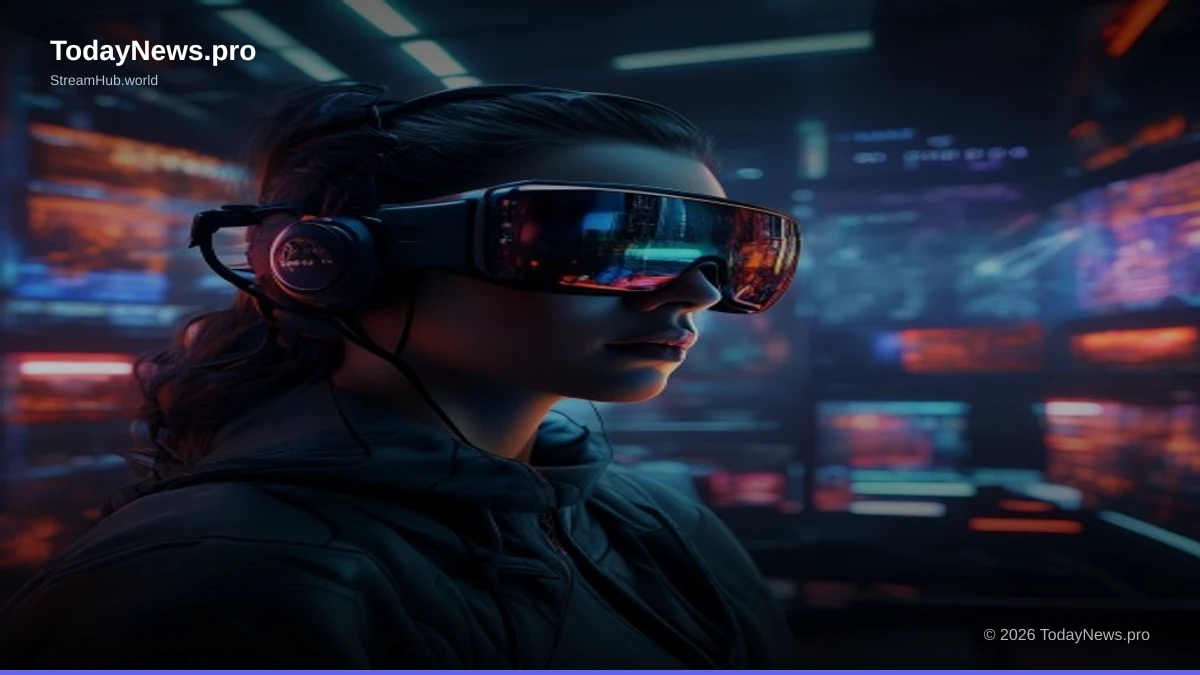
The most visible gateway to the metaverse for many will be through advanced Extended Reality (XR) devices – encompassing Virtual Reality (VR), Augmented Reality (AR), and Mixed Reality (MR). By 2028, these devices will be lighter, more comfortable, more powerful, and significantly more affordable. Current VR headsets, while impressive, can still be bulky and induce motion sickness for some. By 2028, expect headsets that resemble stylish sunglasses, offering higher resolution displays, wider fields of view, and improved eye-tracking for more natural interactions. AR glasses will become increasingly sophisticated, capable of overlaying digital information and interactive elements onto the real world with remarkable fidelity. This will blur the lines between physical and digital environments, enabling applications ranging from interactive navigation to collaborative design and remote assistance. ### The Evolution of Input and Output Beyond visual displays, input methods will become more intuitive. Haptic feedback suits and gloves will provide a sense of touch, allowing users to feel the texture of virtual objects or the impact of digital forces. Advanced motion capture technology will translate nuanced body movements into the virtual world with greater accuracy. Brain-computer interfaces (BCIs), while still in their nascent stages, may begin to see early practical applications in the metaverse by 2028, offering a direct link between thought and action within virtual environments. The accessibility of these devices is a key factor in widespread adoption. As manufacturing scales and competition increases, the price point for high-quality XR hardware will likely decrease, making them accessible to a broader consumer base. This democratization of hardware is critical for the metaverse to move beyond early adopters.1.2 B
Projected XR Devices in Use by 2028
40%
Annual Growth Rate of AR/VR Market
300+
Million VR Users Worldwide by 2028
Software Ecosystems: Interoperability and Creator Economies
The success of the metaverse hinges on robust software platforms and the thriving creator economies they enable. By 2028, we will witness the maturation of sophisticated development tools that empower individuals and businesses to build immersive experiences, digital assets, and entire virtual worlds with greater ease. The concept of "web3" principles, including decentralization, user ownership, and blockchain integration, will be deeply embedded in the metaverse's software architecture. Non-fungible tokens (NFTs) will evolve from speculative assets to integral components of digital ownership, enabling users to truly own their virtual land, avatars, clothing, and other digital goods. Smart contracts will automate transactions and enforce digital rights, creating a more secure and transparent economic system within virtual worlds. ### The Rise of the Creator Economy The metaverse will unlock unprecedented economic opportunities for creators. Artists, designers, developers, and storytellers will be able to monetize their work directly within these virtual spaces. This could range from selling virtual fashion items and digital art to designing and renting out virtual real estate or offering unique experiences and services. The tools for creation will become more accessible, allowing individuals with varying technical skill sets to participate. Low-code/no-code platforms will democratize content creation, enabling a surge in user-generated content and diverse virtual experiences. This decentralized model fosters innovation and competition, leading to a richer and more varied metaverse."The true democratization of the internet began with user-generated content. The metaverse will take this to an entirely new dimension, empowering individuals to not just consume, but to build and own their digital realities. By 2028, the creator economy within virtual worlds will rival established digital industries." — Alex Chen, Lead Metaverse Architect at InnovateXR
Societal Impact: Work, Play, and Identity
The metaverse is poised to profoundly impact how we work, play, and even define ourselves. By 2028, virtual workplaces will become commonplace for certain industries, offering enhanced collaboration, immersive training, and global team integration. Remote work will evolve from video calls to shared virtual offices where colleagues can interact more naturally, brainstorm on virtual whiteboards, and experience a greater sense of presence and camaraderie. This could lead to increased productivity and reduced geographical barriers for talent acquisition. ### Redefining Entertainment and Social Interaction Entertainment will be revolutionized. Concerts, sporting events, and movie premieres will be experienced immersively, allowing attendees to feel like they are truly present, regardless of their physical location. Social interactions will become richer, with avatars capable of conveying a wider range of emotions and gestures. Virtual meetups and communities will flourish, offering new avenues for connection and belonging. The concept of identity in the metaverse is also a critical area of development. Users will have the freedom to express themselves through customizable avatars, potentially exploring aspects of their identity that they may not feel comfortable expressing in the physical world. This can be liberating but also raises complex questions about authenticity and representation.Projected Metaverse Adoption by Sector (2028)
Economic Opportunities: The Multi-Trillion Dollar Potential
The economic implications of the metaverse by 2028 are vast, with projections suggesting it could become one of the largest economic sectors globally. This growth will be fueled by a multitude of revenue streams, from digital asset sales and virtual real estate to advertising, premium experiences, and enterprise solutions. The development of decentralized economies, powered by cryptocurrencies and NFTs, will be a key driver. Users and businesses will be able to create, buy, sell, and trade digital goods and services with unprecedented fluidity. This creates new markets and opportunities for investment and entrepreneurship. ### Virtual Real Estate and Commerce Virtual real estate, once a novelty, will become a significant asset class. Companies and individuals will invest in digital land for building virtual headquarters, retail stores, entertainment venues, and advertising spaces. Brands will leverage the metaverse for immersive marketing campaigns, virtual product launches, and direct-to-avatar sales. The metaverse also presents a new frontier for e-commerce. Consumers will be able to try on virtual clothing, test drive virtual cars, and explore virtual showrooms before making purchases, both physical and digital. This promises to revolutionize the online shopping experience, making it more interactive and engaging.| Industry Segment | Projected Market Size (USD Billions, 2028) | Key Drivers |
|---|---|---|
| Gaming & Entertainment | 850 | Immersive experiences, virtual events, digital collectibles |
| Advertising & Marketing | 400 | New ad formats, brand activations, influencer marketing |
| E-commerce & Retail | 300 | Virtual storefronts, try-on experiences, direct-to-avatar sales |
| Enterprise & Productivity | 250 | Virtual collaboration, training simulations, remote work solutions |
| Virtual Real Estate | 200 | Digital land ownership, development, rental income |
| Social & Communication | 150 | Virtual communities, social events, avatar customization |
Challenges and Ethical Considerations
Despite the immense potential, the realization of the metaverse by 2028 is not without its significant challenges and ethical considerations. Privacy, security, and the potential for digital harm are paramount concerns that need proactive solutions. One of the most pressing issues is data privacy. As users spend more time in virtual environments, vast amounts of personal data will be collected, including biometric information, behavioral patterns, and social interactions. Robust regulations and transparent data handling practices will be crucial to prevent misuse and protect user privacy. ### The Digital Divide and Governance The digital divide could be exacerbated. Ensuring equitable access to the necessary hardware, high-speed internet, and digital literacy will be vital to prevent a metaverse that is only accessible to a privileged few. Furthermore, the governance of these vast virtual spaces raises complex questions. Who sets the rules? How are disputes resolved? Will these platforms be governed by a few corporations or by decentralized autonomous organizations (DAOs)? The potential for addiction, misinformation, harassment, and the erosion of real-world social skills are also serious concerns. Developers and policymakers will need to collaborate to establish ethical guidelines, moderation tools, and mental health support systems within the metaverse. The long-term psychological impact of extensive immersion in virtual worlds is an area that requires ongoing research and careful consideration."The metaverse promises incredible innovation, but we must be vigilant about its societal implications. Issues of data ownership, digital identity, and equitable access are not afterthoughts; they must be foundational to its development. Failure to address these will risk creating a digital dystopia rather than a utopia." — Dr. Anya Sharma, Ethicist and Digital Sociologist
The User Experience: Immersion and Accessibility
By 2028, the user experience in persistent virtual worlds will be defined by a new level of immersion and a critical focus on accessibility. The goal is to create environments that feel intuitive, engaging, and welcoming to a diverse range of users. Immersion will go beyond high-fidelity graphics and surround sound. It will encompass a sense of presence – the feeling of actually *being* in the virtual space. This will be achieved through a combination of advanced XR hardware, realistic haptic feedback, and AI-driven non-player characters (NPCs) that behave in a believable manner. Interactions will feel more natural, leveraging gestures, voice commands, and even subtle physiological cues. ### Breaking Down Barriers Accessibility will be a cornerstone of a truly inclusive metaverse. This means designing for users with varying physical and cognitive abilities. Features like customizable avatar sizes, adjustable movement speeds, alternative input methods, and clear, concise visual and auditory cues will be standard. The goal is to ensure that no one is excluded from participating due to their physical or sensory limitations. The onboarding process for new users will also be streamlined. Instead of complex technical setups, users will be able to jump into virtual worlds with intuitive guides and tutorials. The metaverse should feel less like a complex piece of technology and more like a natural extension of our digital lives.What is the primary difference between VR and AR in the context of the metaverse?
Virtual Reality (VR) completely immerses you in a digital world, replacing your view of the real world. Augmented Reality (AR) overlays digital information and objects onto your view of the real world. Both will be crucial gateways to the metaverse by 2028, offering different, yet complementary, experiences.
Will I need to own cryptocurrency to participate in the metaverse?
While many metaverse economies will leverage cryptocurrencies and NFTs for transactions and ownership, it's unlikely to be a mandatory requirement for all participation. Many platforms will likely offer fiat payment options or alternative digital currencies to ensure broader accessibility.
How will the metaverse impact the job market by 2028?
The metaverse will create new job categories, such as metaverse architects, virtual event planners, digital fashion designers, and virtual world community managers. It will also transform existing roles, with an increased demand for skills in 3D modeling, AI, blockchain development, and XR content creation.
Is the metaverse just for gamers?
No, the metaverse is evolving far beyond gaming. By 2028, expect significant use cases in education, remote work, social networking, e-commerce, healthcare, and entertainment, catering to a wide array of interests and needs.