

 James Holloway
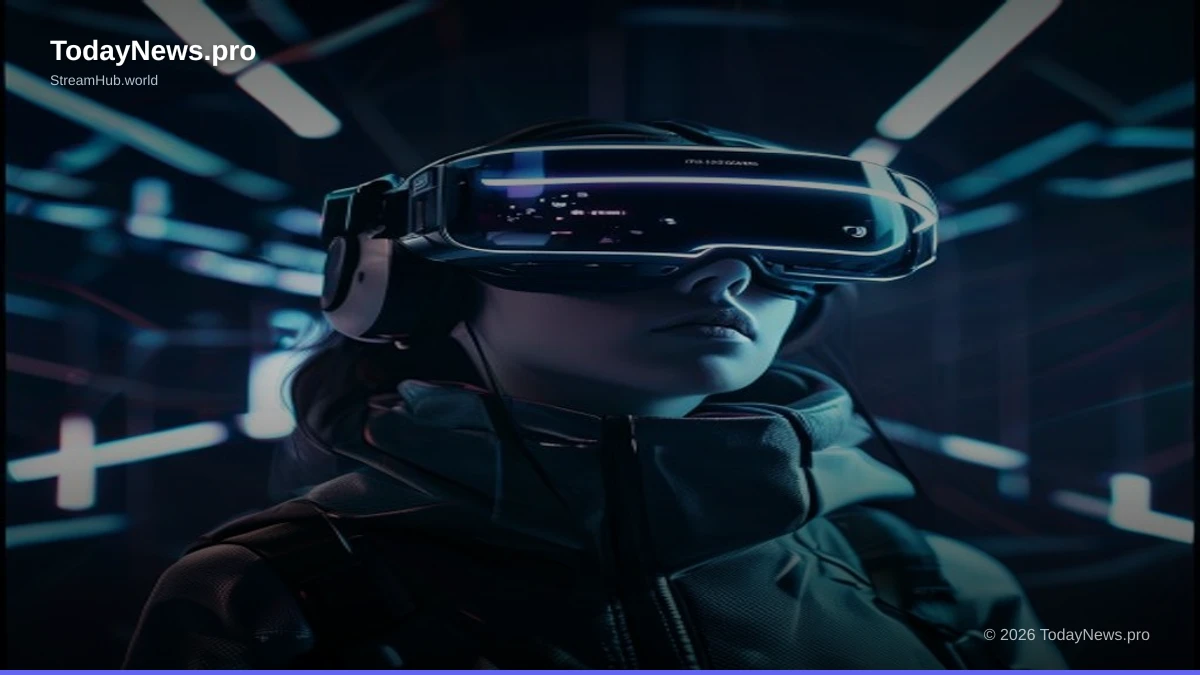
Global spending on metaverse technologies is projected to reach over $2.4 trillion by 2030, a significant leap from its nascent stages, indicating a strong pivot towards tangible, revenue-generating applications.
Beyond the Digital Frontier: The Metaverses Pragmatic Evolution
The initial wave of metaverse hype often conjured images of purely recreational virtual worlds, digital playgrounds for gaming and social interaction. However, a more profound transformation is underway. The metaverse is rapidly shedding its image as a niche digital escape and embracing its potential as a powerful engine for real-world problem-solving and economic growth. This evolution is not about escaping reality, but about augmenting it, enhancing our capabilities, and creating entirely new paradigms for industries across the spectrum. We are witnessing a critical juncture where the speculative excitement is giving way to concrete, value-driven applications that promise to redefine how we work, learn, heal, and even shop.
Early metaverse platforms, while innovative in their conception of virtual spaces, often struggled to demonstrate clear ROI beyond entertainment. The current phase is characterized by a deliberate focus on utility, efficiency, and measurable impact. Businesses are no longer investing in the metaverse for novelty's sake; they are seeking tangible benefits that translate into cost savings, increased productivity, improved customer engagement, and the development of innovative products and services. This pragmatic shift is driven by technological advancements, a growing understanding of immersive technologies' capabilities, and a demand for solutions that address pressing industry challenges.
The concept of "digital twins" – virtual replicas of physical objects, processes, or systems – exemplifies this pragmatic turn. These twins, powered by real-time data, allow for sophisticated simulations, predictive maintenance, and optimized performance monitoring. In essence, they are bringing the metaverse into the heart of industrial operations, blurring the lines between the digital and physical realms in ways that offer immediate and substantial advantages. This is not science fiction; it is the emerging reality of how businesses are leveraging immersive technologies to gain a competitive edge.
The Shifting Narrative: From Play to Purpose
The narrative surrounding the metaverse is undergoing a significant recalibration. While immersive gaming and social experiences will undoubtedly remain a core component, the true growth engine is emerging from sectors that require complex problem-solving and tangible outputs. Industries are now exploring how virtual environments can be used for training, design, simulation, and even remote collaboration on a scale previously unimaginable. This focus on practical applications is attracting substantial investment and fostering innovation that directly addresses real-world needs.
This pragmatic evolution is crucial for the metaverse's long-term sustainability and widespread adoption. By demonstrating its value beyond entertainment, developers and businesses can justify the significant investments required for infrastructure, content creation, and user adoption. The metaverse is transforming from a potential future into a present-day tool, offering solutions that are not just exciting but essential for progress.
Industrial Metamorphosis: The Metaverse in Manufacturing and Engineering
The manufacturing and engineering sectors are at the forefront of adopting the metaverse for practical applications. The creation of digital twins is revolutionizing product design, prototyping, and operational efficiency. Engineers can now iterate on designs in a virtual environment, test them under various simulated conditions, and identify potential flaws long before a physical prototype is ever built. This not only accelerates the development cycle but also significantly reduces costs associated with material wastage and physical testing.
Furthermore, the metaverse offers unparalleled opportunities for remote collaboration and expertise sharing. A complex piece of machinery on a factory floor in Germany can be virtually inspected and troubleshooted by an expert located in Japan, all within a shared immersive space. This capability is invaluable for global operations, reducing the need for expensive and time-consuming travel, and ensuring that specialized knowledge can be deployed wherever it is needed most. The implications for reducing downtime and improving maintenance schedules are profound.
Digital Twins: The Architects of Efficiency
Digital twins are not just static models; they are dynamic, living replicas that are continuously updated with real-time data from their physical counterparts. This allows for predictive maintenance, where potential equipment failures can be identified and addressed before they occur, thereby minimizing costly downtime and ensuring operational continuity. For example, a wind turbine's digital twin can monitor its performance in real-time, predicting when a specific component might need servicing based on its operational stress and environmental conditions.
The applications extend to factory floor layout optimization, supply chain simulation, and quality control. By creating virtual replicas of entire production lines, companies can identify bottlenecks, test new configurations, and train staff in a risk-free environment. This level of simulation and foresight is transforming traditional manufacturing processes into highly optimized and responsive operations.
Immersive Training and Safety Protocols
Safety is paramount in industrial settings. The metaverse provides a safe, controlled environment for training employees on hazardous procedures. Instead of risking injury with real equipment, workers can practice complex assembly tasks, operate heavy machinery, or respond to emergency scenarios in a virtual space. This immersive training ensures that employees are well-prepared and confident when facing real-world situations, leading to a significant reduction in workplace accidents.
Moreover, complex assembly instructions or repair guides can be overlaid directly onto the physical object within an augmented reality (AR) experience, guiding technicians step-by-step. This reduces errors, increases accuracy, and speeds up completion times, especially for intricate tasks that require a high degree of precision.
| Application Area | Projected Efficiency Gain | Cost Reduction Potential | Time Savings |
|---|---|---|---|
| Digital Twins & Simulation | 15-30% | 10-25% | 20-40% |
| Immersive Training & Safety | 20-35% | 15-30% | 10-25% |
| Remote Collaboration & Support | 10-20% | 5-15% | 15-30% |
Healthcares Virtual Renaissance: From Training to Treatment
The healthcare industry is poised to be a major beneficiary of the metaverse's practical applications. Medical professionals can now receive advanced training in virtual operating rooms, practicing complex surgical procedures without any risk to patients. These simulations can replicate a vast array of medical conditions and patient anatomies, allowing for personalized training scenarios that are impossible to replicate in traditional settings. This leads to better-prepared surgeons and improved patient outcomes.
Beyond training, the metaverse is emerging as a powerful tool for patient care and therapy. For individuals suffering from phobias, PTSD, or chronic pain, immersive virtual environments can provide controlled exposure therapy, distraction techniques, and therapeutic interventions. The ability to tailor these experiences to individual needs offers a personalized and effective approach to mental and physical rehabilitation. Furthermore, remote patient monitoring and consultations are being enhanced by immersive technologies, allowing doctors to virtually examine patients and provide guidance from afar.
Surgical Training and Skill Development
Traditional surgical training relies heavily on observation, cadavers, and supervised practice on live patients. The metaverse offers a revolutionary alternative. High-fidelity surgical simulators, powered by realistic haptic feedback and visual rendering, allow aspiring surgeons to hone their skills in a safe, repeatable, and consequence-free environment. They can practice delicate maneuvers, learn new techniques, and even experience rare surgical complications without endangering anyone.
This not only democratizes access to high-quality surgical education but also allows for continuous skill refinement. Experienced surgeons can use these platforms to practice for particularly challenging cases or to maintain proficiency in skills they don't use daily. The integration of AI can provide real-time feedback on technique, precision, and efficiency, fostering a culture of continuous improvement.
Therapeutic Applications and Mental Wellness
The metaverse is opening new avenues for mental health treatment. For example, virtual reality (VR) is being used to treat phobias, such as fear of heights or public speaking, by gradually exposing patients to simulated scenarios. For individuals suffering from PTSD, controlled virtual environments can help them process traumatic memories in a safe and therapeutic setting. The ability to control the intensity and nature of the exposure is a significant advantage over traditional methods.
Chronic pain management is another area where the metaverse is showing promise. Immersive VR experiences can serve as powerful distractions, diverting patients' attention from their pain and promoting relaxation. Studies have shown that VR can effectively reduce the perception of pain in burn victims and individuals undergoing painful medical procedures. The immersive nature of these experiences can create a sense of presence and engagement that aids in the healing process.
Telemedicine and Remote Diagnostics
The metaverse is enhancing the capabilities of telemedicine. Doctors can conduct more in-depth virtual consultations, potentially using AR to overlay patient data or anatomical models onto their view during a call. This allows for a more comprehensive assessment than a standard video call. In remote or underserved areas, this technology can bridge the gap in access to specialized medical expertise, enabling consultations and even remote guidance for local healthcare providers.
Education Reimagined: Immersive Learning for a New Era
The traditional classroom model is being challenged and augmented by the metaverse. Educational institutions are exploring how immersive technologies can create more engaging and effective learning experiences. Imagine biology students exploring a 3D model of the human heart from the inside, or history students walking through ancient Rome. This level of experiential learning fosters deeper understanding and retention than passive textbook reading or 2D visuals.
The metaverse can also democratize access to specialized educational content and facilities. Students in rural areas can virtually attend lectures by world-renowned professors or perform experiments in state-of-the-art virtual laboratories, leveling the playing field for educational opportunities. Furthermore, the metaverse allows for personalized learning paths, adapting to individual student paces and learning styles, and providing immediate feedback to educators.
Experiential Learning and Knowledge Retention
Learning by doing is a powerful pedagogical principle, and the metaverse excels at providing this. Students can conduct physics experiments without the constraints of physical labs, dissect virtual organisms in biology, or explore historical sites as if they were there. This active engagement not only makes learning more enjoyable but also significantly improves knowledge retention. Complex concepts become more intuitive when experienced firsthand in a simulated environment.
For subjects like chemistry, students can safely mix volatile substances in a virtual lab, observe reactions, and learn about chemical properties without any risk. In architecture or engineering, students can build and test structures in a virtual environment, understanding the principles of design and structural integrity through practical application. This hands-on approach to learning prepares students with a more robust and practical understanding of their chosen fields.
Accessible and Inclusive Education
The metaverse has the potential to break down geographical and physical barriers to education. Students from anywhere in the world can access the same high-quality educational resources and participate in virtual classrooms. This is particularly impactful for individuals in remote locations, those with mobility issues, or students seeking specialized programs not available locally. The metaverse can foster a truly global classroom, connecting learners and educators across diverse backgrounds.
Moreover, the metaverse can be designed to be inclusive for students with different learning needs. Features like adjustable font sizes, audio descriptions, and simplified interfaces can cater to students with visual or auditory impairments, while interactive elements can engage those with attention deficits. Personalized learning avatars and customizable learning environments can further enhance the sense of comfort and belonging for all students.
Retail and E-commerce: Crafting the Next-Gen Shopping Experience
The retail sector is embracing the metaverse to create more immersive and interactive shopping experiences that go beyond traditional e-commerce. Imagine walking through a virtual storefront, examining products in 3D, trying on virtual clothing with realistic avatars, and receiving personalized recommendations from AI-powered shopping assistants. This creates a richer, more engaging customer journey that can significantly boost conversion rates and customer loyalty.
Brands are also leveraging the metaverse to build virtual showrooms and flagship stores, offering customers a unique way to interact with their products and brand ethos. This can range from exclusive virtual product launches to personalized shopping appointments with brand representatives. The metaverse allows retailers to transcend physical limitations and offer a truly global, always-on shopping destination. Furthermore, the data insights gleaned from these virtual interactions can inform product development and marketing strategies.
Virtual Showrooms and Product Visualization
For retailers, particularly those selling high-value or customizable items like furniture, cars, or fashion, the metaverse offers a powerful tool for product visualization. Customers can see how a sofa would look in their living room, customize a car's interior and exterior to their exact specifications, or try on a range of outfits on their personalized avatar. This enhanced visualization reduces uncertainty for the consumer and can lead to higher purchase satisfaction.
Brands are creating meticulously designed virtual showrooms that replicate or even enhance their physical store experiences. These spaces can be themed, interactive, and offer exclusive content or early access to new collections. The ability to explore a brand's entire catalog in an immersive, interactive way provides a level of engagement that static websites struggle to achieve.
Immersive Brand Experiences and Community Building
Beyond just selling products, the metaverse allows brands to cultivate deeper connections with their customers. Virtual events, fashion shows, product demonstrations, and even interactive games can be hosted within branded metaverse spaces, fostering a sense of community and belonging. This creates opportunities for customers to interact with the brand and with each other, building loyalty and advocacy.
For example, a fashion brand might host a virtual runway show where attendees can not only watch the show but also purchase outfits directly from the virtual catwalk. A car manufacturer could offer virtual test drives of their latest models in scenic virtual landscapes. These experiences create memorable moments that resonate with consumers and reinforce brand identity.
The Metaverse as a Platform for Collaboration and Productivity
The metaverse is rapidly evolving into a powerful platform for professional collaboration, transcending the limitations of traditional video conferencing and remote work tools. Virtual meeting rooms equipped with interactive whiteboards, 3D model sharing capabilities, and spatial audio allow teams to collaborate as if they were in the same physical space. This fosters a greater sense of presence and engagement, leading to more productive discussions and innovative problem-solving.
Companies are exploring the use of metaverse environments for brainstorming sessions, project reviews, and even virtual office spaces. This can help foster a stronger company culture and improve communication, especially for distributed teams. The ability to visualize complex data, manipulate 3D models, and brainstorm collectively in an immersive environment offers a distinct advantage over current remote collaboration tools.
Virtual Workspaces and Enhanced Teamwork
Imagine a team working on a new product design. Instead of sending flat 2D schematics back and forth, they can gather in a virtual space, each with their own avatar, to interact with a fully explorable 3D model. They can point out features, suggest modifications, and see the impact of changes in real-time. This collaborative approach can accelerate design cycles and reduce misunderstandings.
For project management, virtual environments can provide a dynamic overview of progress, with team members able to update tasks, review milestones, and identify potential roadblocks collaboratively. This immersive visualization of project timelines and dependencies can lead to more effective planning and execution. The metaverse offers a richer, more intuitive way to manage complex projects and foster team cohesion.
Onboarding and Corporate Training
Onboarding new employees into a company can be a complex process, especially for remote workers. The metaverse can offer immersive onboarding experiences, where new hires can virtually tour company facilities, meet colleagues' avatars, and undergo interactive training modules. This can create a more welcoming and effective integration into the company culture, even before they physically step foot in an office.
Beyond onboarding, ongoing corporate training can be revolutionized. Complex software can be learned through hands-on virtual simulations, compliance training can be made more engaging through interactive scenarios, and leadership development programs can incorporate realistic role-playing exercises. The ability to practice in a safe, virtual environment allows employees to develop critical skills without real-world consequences.
Challenges and the Road Ahead: Navigating the Metaverses Practical Landscape
Despite the immense potential, the widespread adoption of the metaverse for practical applications faces several significant hurdles. Interoperability between different metaverse platforms remains a major challenge. Users and businesses often find themselves locked into specific ecosystems, limiting the seamless transfer of assets, identities, and experiences. Standardization efforts are underway, but a unified metaverse is still some way off.
Another critical concern is accessibility and affordability. High-quality VR/AR hardware can be expensive, and robust internet connectivity is essential for a smooth experience. Ensuring that these technologies are accessible to a broad range of users and businesses, regardless of their economic status or geographical location, is crucial for equitable growth. Furthermore, issues of data privacy, security, and digital identity management need robust solutions before widespread adoption can be fully realized.
Interoperability and Standardization
The current metaverse landscape is fragmented, with numerous proprietary platforms. For true utility, these platforms need to be able to communicate and share data seamlessly. Imagine a digital asset purchased in one metaverse being usable in another; this level of interoperability is key to unlocking the full economic and functional potential of the metaverse. Without it, users are confined to siloed experiences, limiting the scope of collaboration and commerce.
Industry-wide standardization bodies are working to establish common protocols and frameworks. However, the pace of innovation often outstrips the development of these standards, creating a constant race to catch up. The success of the metaverse as a practical tool hinges on overcoming these fragmentation issues and building a more interconnected digital realm.
Hardware, Connectivity, and User Adoption
The cost of advanced VR and AR headsets can be a significant barrier to entry for individuals and smaller businesses. While more affordable options are emerging, the most immersive experiences still require substantial investment. Coupled with the need for high-speed, low-latency internet connections, these hardware and infrastructure requirements can limit accessibility, particularly in developing regions.
Beyond the technical aspects, user adoption is driven by the perceived value and ease of use. The metaverse needs to offer compelling experiences that are intuitive and beneficial enough to justify the learning curve and investment in hardware. As the technology matures and becomes more accessible, user adoption is expected to accelerate, but overcoming these initial barriers is paramount.
Privacy, Security, and Ethical Considerations
As more of our lives move into virtual spaces, concerns around data privacy and security become increasingly important. The vast amounts of personal data that can be collected within the metaverse – from biometric information to behavioral patterns – raise questions about how this data will be used, protected, and governed. Robust security measures and clear ethical guidelines are essential to build trust and ensure responsible development.
The concept of digital identity and ownership also presents new challenges. How will intellectual property be protected in the metaverse? How will we prevent harassment and ensure digital safety? Addressing these ethical considerations proactively will be crucial for the long-term health and sustainability of the metaverse as a practical and beneficial extension of our reality.
The metaverse's next act is decidedly pragmatic. As the technology matures and its applications become more tangible, its impact will extend far beyond virtual worlds, reshaping industries and redefining human interaction in profound ways. The journey is complex, but the potential for innovation and positive change is immense.