

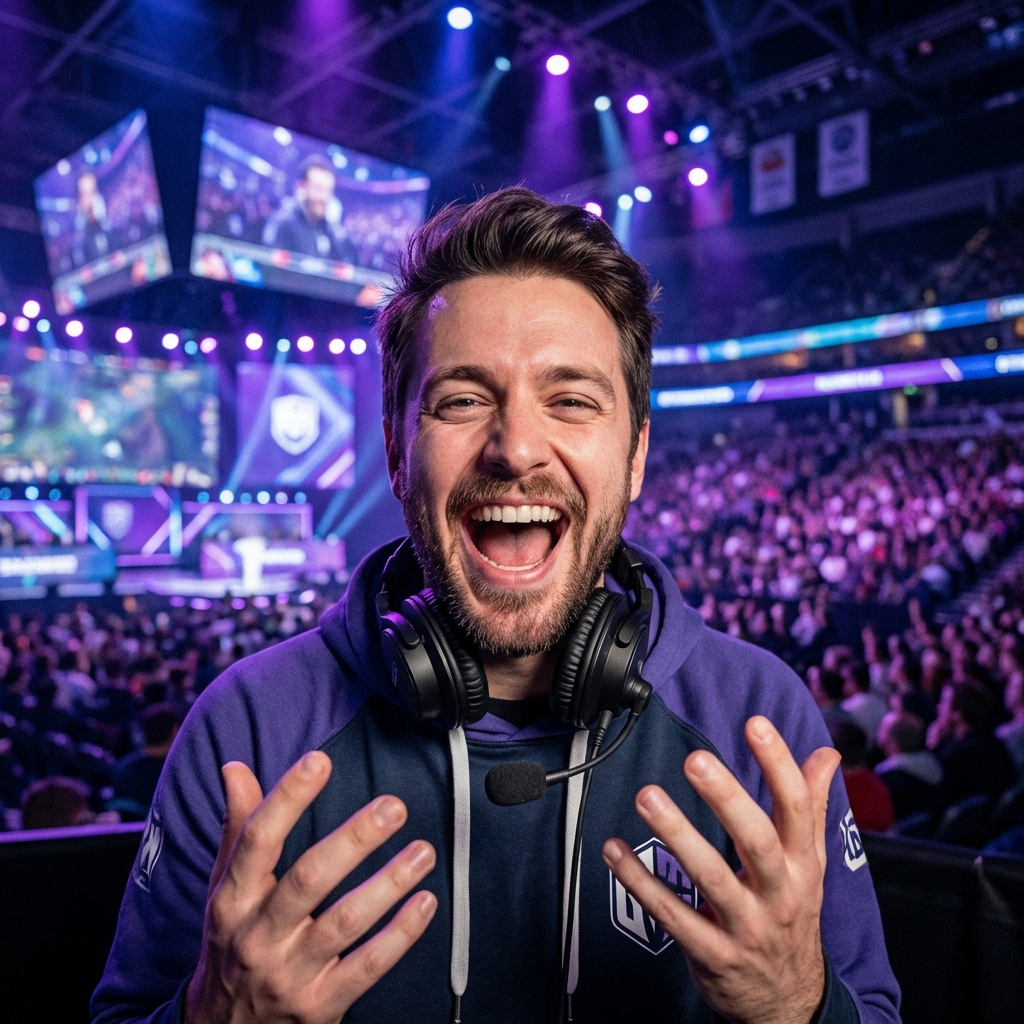
 Tom 'Retro' Baker
⏱ 45 min
The global metaverse market is projected to reach $1.6 trillion by 2030, a significant portion of which is expected to be driven by gaming experiences, according to a report by Accenture. This burgeoning digital frontier is no longer just about immersive environments; it's about the fundamental principles of interoperability and true digital ownership that are poised to redefine how we play, interact, and own within these virtual worlds.
The Metaverse Gaming Landscape: A Shifting Paradigm
The initial wave of metaverse platforms, while ambitious, often operated as siloed ecosystems. Players invested time and resources into virtual worlds that were fundamentally closed. Assets acquired in one game remained confined to that game, and avatars were specific to individual platforms. This fragmentation presented a significant barrier to the vision of a truly interconnected metaverse. Early metaverse gaming experiences, while innovative, often resembled sophisticated online games with a social layer, rather than the boundless digital universe many envisioned. The technology was present, but the underlying economic and structural frameworks for true portability and ownership were largely absent.The Promise of Persistent Worlds
The concept of persistent virtual worlds has always captivated gamers. The idea that actions have lasting consequences, that your digital identity and possessions carry weight across different experiences, is a powerful draw. However, achieving this on a mass scale requires more than just advanced graphics and physics engines. It necessitates a robust infrastructure that can support the transfer and recognition of digital assets and identities across disparate platforms. This is where the concept of "Metaverse Gaming 2.0" truly begins to take shape, moving beyond individual game experiences to a more holistic digital existence.Early Adopters and Their Limitations
Platforms like Roblox and Fortnite have demonstrated the immense potential of user-generated content and massive social engagement within virtual spaces. However, even these giants operate largely within their own walled gardens. While players can express themselves and build communities, their in-game creations and acquired items cannot easily transition to other platforms. This limitation highlights the gap between current offerings and the aspirational vision of a truly interoperable metaverse where digital assets have universal utility. The economic models often prioritize in-platform currency and asset depreciation, rather than fostering long-term value and portability for users.The Interoperability Imperative: Breaking Down Digital Walls
Interoperability is the cornerstone of Metaverse Gaming 2.0. It refers to the ability of different virtual worlds and platforms to communicate and share data, assets, and identities. Imagine being able to take your favorite sword from an epic fantasy MMORPG and use it in a fast-paced sci-fi shooter, or being able to bring your unique avatar across multiple social and gaming metaverse experiences. This level of seamless integration is what will unlock the true potential of the metaverse, transforming it from a collection of isolated islands into a vast, interconnected continent. Without interoperability, the metaverse remains a collection of disconnected experiences, hindering network effects and limiting user freedom.Standardization and Protocols
Achieving interoperability requires the development and adoption of common standards and protocols. This is not a trivial undertaking, as it involves coordinating efforts across numerous developers, platforms, and even competing companies. Organizations like the Metaverse Standards Forum are working towards defining these common languages and frameworks, but the path to universal adoption is complex and fraught with technical and business challenges. The goal is to create an environment where data formats, asset definitions, and identity protocols are universally recognized, allowing for the fluid movement of digital elements.The Role of Decentralized Technologies
Decentralized technologies, particularly blockchain, are playing a crucial role in driving interoperability. By providing a transparent and immutable ledger, blockchain can enable the verification and transfer of digital assets across different platforms without relying on a single central authority. This foundational technology allows for the creation of unique digital identifiers and verifiable ownership, which are essential for seamless asset movement. The inherent trustlessness of blockchain solutions is a key enabler for a decentralized and interoperable metaverse.True Digital Ownership: Beyond Virtual Collectibles
True digital ownership signifies more than just possessing a virtual item within a game. It means having verifiable, immutable proof of ownership that can be traded, sold, or even utilized across different metaverse experiences. This concept is revolutionary for gamers, as it shifts the paradigm from renting digital assets to truly owning them. The implications extend beyond cosmetic items; it includes in-game economies, virtual land, and even unique digital identities. This shift empowers users and creates new economic opportunities within the metaverse.Non-Fungible Tokens (NFTs) as Proof of Ownership
Non-Fungible Tokens (NFTs) have emerged as a primary mechanism for establishing true digital ownership. Each NFT is a unique digital asset stored on a blockchain, representing ownership of a specific item, character, or piece of digital real estate. When you purchase an NFT, you are not just acquiring a digital item; you are acquiring the verifiable right to that item. This ownership is recorded on the blockchain, making it transparent and resistant to alteration. This technology fundamentally alters the relationship between players and the digital assets they acquire.Implications for Gaming Economies
The concept of true digital ownership has profound implications for gaming economies. It opens up possibilities for player-driven markets where assets can be freely traded, creating real-world value for in-game achievements. This can lead to more dynamic and sustainable economies within metaverse games, fostering innovation and engagement. Players are no longer limited by the artificial scarcity or economic models imposed by individual game developers. They have a stake in the virtual worlds they inhabit, which can lead to deeper investment and commitment.| Asset Type | Current Ownership Model | Metaverse 2.0 Ownership Model | Potential Impact |
|---|---|---|---|
| In-game Skins | Platform-locked, license to use | NFT-backed, verifiable ownership | Resale market, cross-game utility |
| Virtual Land | Lease or purchase within a specific world | NFT representing ownership, transferable | DeFi integration, secondary markets |
| Unique Characters/Avatars | Platform-specific, limited customization | NFT representing identity, interoperable | Cross-platform presence, digital identity |
| Game Achievements | Internal game progression | Tokenized, verifiable recognition | Reputation systems, social proof |
Blockchain and NFTs: The Pillars of Metaverse 2.0
Blockchain technology provides the foundational infrastructure for Metaverse Gaming 2.0, offering security, transparency, and immutability. NFTs, built upon blockchain, are the instruments that translate these capabilities into tangible digital ownership and interoperability. The integration of these technologies is not merely an upgrade; it's a fundamental rethinking of how digital assets are created, owned, and exchanged. The decentralized nature of blockchain ensures that no single entity has absolute control, fostering a more equitable and player-centric metaverse.Smart Contracts: Automating Digital Transactions
Smart contracts, self-executing contracts with the terms of the agreement directly written into code, are crucial for automating transactions and enforcing ownership rules within the metaverse. They can automatically handle the transfer of assets upon sale, manage royalties for creators, and facilitate complex in-game mechanics that rely on verifiable conditions. This automation reduces the need for intermediaries and ensures that agreements are executed as intended, fostering trust and efficiency in digital marketplaces.Decentralized Autonomous Organizations (DAOs) in Gaming
DAOs are emerging as a governance model for metaverse projects, allowing communities to collectively make decisions about the development and direction of virtual worlds. This decentralized approach to governance can empower players and stakeholders, giving them a voice in shaping the metaverse they inhabit. By distributing decision-making power, DAOs can foster a more democratic and community-driven metaverse, where the interests of players are prioritized.90%
Of gamers believe digital ownership
75%
Of developers see NFTs as key to
500+
Metaverse projects incorporating
Challenges and Hurdles on the Path to Adoption
Despite the immense promise, the journey to a fully interoperable and ownership-driven metaverse is not without its obstacles. Scalability of blockchain networks, user experience complexities, regulatory uncertainty, and the inherent resistance to change from established industry players all present significant challenges. Educating the broader gaming audience about the benefits and functionalities of these new technologies is also a critical hurdle. The current perception of NFTs, often associated with speculation and environmental concerns, needs to be addressed through responsible development and clear communication.Scalability and Transaction Fees
Many popular blockchain networks still face challenges with scalability, leading to slow transaction times and high fees, particularly during periods of high network activity. This can be a significant deterrent for mass adoption, especially in fast-paced gaming environments where instant transactions are crucial. While solutions like layer-2 scaling and alternative blockchain architectures are being developed, widespread accessibility and affordability remain key concerns. The cost of engaging with on-chain assets needs to be competitive with traditional gaming models.User Experience and Accessibility
For the metaverse to achieve mainstream adoption, the user experience must be as intuitive and accessible as traditional gaming. The current complexities associated with managing digital wallets, understanding blockchain transactions, and interacting with NFTs can be daunting for newcomers. Simplifying these processes and abstracting away the underlying technical complexities is paramount. The onboarding process for new users needs to be as seamless as downloading a new game.Perceived Barriers to Metaverse Adoption (Gamer Survey)
The Future of Metaverse Gaming: A Glimpse into Tomorrow
The evolution of metaverse gaming is accelerating. We are moving towards a future where digital identities are portable, assets are truly owned and transferable, and economies are player-driven. This shift will unlock unprecedented levels of creativity, engagement, and economic opportunity for players and developers alike. The lines between gaming, social interaction, and digital commerce will continue to blur, creating a richer and more integrated virtual existence. The future metaverse gaming experience will be less about playing a single game and more about inhabiting a persistent, interconnected digital reality.Player-Created Universes
As interoperability and ownership mature, we will likely see the rise of player-created universes and experiences that span multiple platforms. Developers may shift from creating monolithic games to providing foundational tools and infrastructure upon which communities can build their own worlds and games, all interconnected and sharing assets. This democratizes game development and fosters an ecosystem of innovation driven by user creativity.The Creator Economy in Full Bloom
With true digital ownership, creators will be empowered to monetize their in-game creations and assets directly, fostering a vibrant creator economy. This could range from artists selling unique digital skins to designers building entire virtual worlds that generate revenue. The ability to earn real-world value from digital creations will incentivize a new generation of metaverse entrepreneurs and artists.
"The metaverse isn't just about playing games; it's about building a digital life. True ownership and interoperability are the keys to unlocking that potential, empowering users and fostering truly decentralized virtual economies."
— Alex Thorne, Lead Architect, NexusVerse Labs
Expert Perspectives on the Interoperable Metaverse
Industry leaders and futurists are actively shaping the discourse around Metaverse Gaming 2.0. Their insights highlight the transformative potential of interoperability and true digital ownership, while also acknowledging the significant challenges ahead. The consensus is that while the path may be complex, the destination – a decentralized, player-owned digital frontier – is an inevitable and exciting evolution. Understanding these expert views is crucial for navigating the future of digital interaction and entertainment.The Importance of Open Standards
Many experts emphasize the critical role of open standards in achieving true interoperability. Adherence to common protocols and data formats will prevent the metaverse from fragmenting into proprietary silos, ensuring that users can move freely between experiences. This requires collaboration and a willingness from all stakeholders to prioritize user freedom over platform lock-in. The success of the open internet serves as a powerful precedent for the potential of open metaverse standards.Navigating the Regulatory Landscape
The rapid development of metaverse technologies has outpaced regulatory frameworks, creating a period of uncertainty. Experts are calling for clear and balanced regulations that protect consumers and foster innovation, rather than stifling it. Addressing issues like digital asset taxation, intellectual property rights, and data privacy will be crucial for long-term stability and trust in the metaverse.
"We're at the cusp of a new era in digital interaction. The focus on interoperability and digital ownership isn't a trend; it's a fundamental shift in how we conceive of value and identity in the digital realm. The metaverse will become an extension of our physical lives, and ownership is paramount to that integration."
— Dr. Anya Sharma, Digital Economist and Futurist
What is Metaverse Gaming 2.0?
Metaverse Gaming 2.0 refers to the next evolution of virtual world gaming, characterized by a strong emphasis on interoperability between different platforms and true digital ownership of in-game assets, often facilitated by blockchain technology.
How does interoperability work in metaverse gaming?
Interoperability allows players to move their digital assets, identities, and progress across different metaverse platforms. This is achieved through common standards, protocols, and technologies that enable seamless data sharing and asset recognition.
What are NFTs and how do they relate to digital ownership?
Non-Fungible Tokens (NFTs) are unique digital assets stored on a blockchain that serve as verifiable proof of ownership for digital items, such as in-game assets, virtual land, or avatars. This allows players to truly own and control their digital possessions.
What are the biggest challenges facing Metaverse Gaming 2.0?
Key challenges include achieving true scalability and reducing transaction fees on blockchain networks, simplifying the user experience to make it accessible to a wider audience, navigating regulatory uncertainties, and overcoming resistance from established industry players.
Will my existing game items be transferable to the metaverse?
Currently, most game items are not transferable between games or platforms. However, as Metaverse Gaming 2.0 develops, the goal is for assets to be tokenized as NFTs, making them potentially transferable and usable across different compatible metaverse experiences. This will depend on the adoption of standards by game developers.