

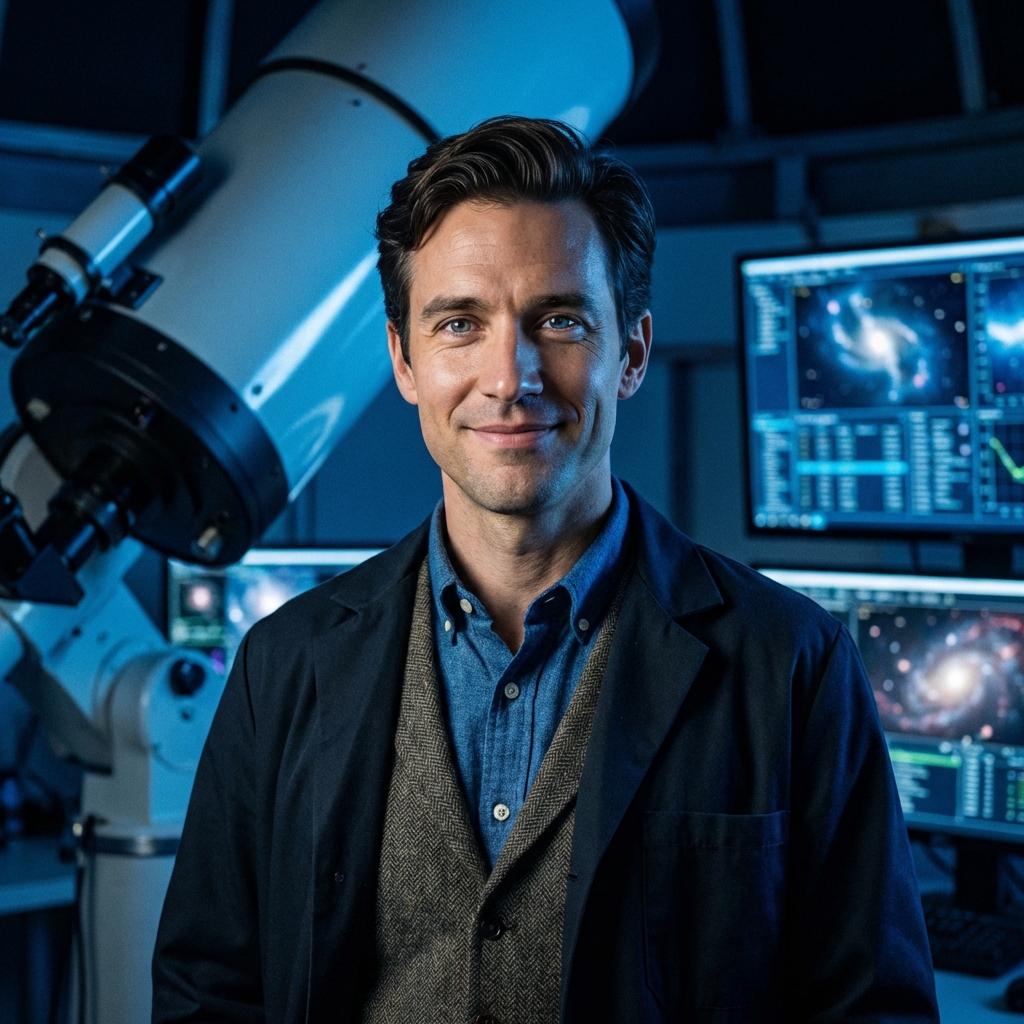
 Dr. Alan Grant

The Dawn of the Longevity Revolution
The concept of radical life extension, once confined to science fiction, is rapidly transitioning into tangible scientific endeavor. This revolution is not about simply adding years to life, but about adding life to years, focusing on extending the period of healthy, active living – often termed "healthspan." The driving force behind this paradigm shift is a deeper understanding of the fundamental biological processes that underpin aging. Scientists are no longer just treating age-related diseases; they are targeting aging itself as a malleable biological process that can be slowed, halted, and potentially reversed. This fundamental shift in perspective is unlocking unprecedented avenues for intervention.Defining Healthspan vs. Lifespan
Historically, medical efforts have primarily focused on increasing lifespan, the total number of years a person lives. While successful, this often leads to a prolonged period of ill-health and dependency in later years. The longevity revolution prioritizes healthspan, the period of life spent in good health, free from chronic diseases and disabilities. The ultimate goal is to achieve a state where individuals remain robust and functional for the vast majority of their extended lives.
This distinction is crucial for understanding the ethical and societal implications of these advancements. A longer life filled with frailty presents a very different future than a longer life characterized by vitality and engagement. The focus on healthspan ensures that increased longevity translates to a higher quality of life, not just an extended duration of existence.
The Hallmarks of Aging: New Targets for Intervention
Decades of research have identified several key biological mechanisms that contribute to the aging process, collectively known as the "Hallmarks of Aging." These include genomic instability, telomere attrition, epigenetic alterations, loss of proteostasis, deregulated nutrient sensing, mitochondrial dysfunction, cellular senescence, stem cell exhaustion, and altered intercellular communication. Targeting these fundamental processes offers a more holistic approach to combating aging than merely treating its downstream consequences.
By understanding these interconnected mechanisms, researchers are developing therapies that can simultaneously address multiple aging pathways. This integrated approach holds the promise of more effective and comprehensive rejuvenation strategies, moving beyond single-target interventions to a systems-level approach to aging biology.
Unlocking Cellular Secrets: Gene Editing and Epigenetic Rejuvenation
At the heart of the longevity revolution lies the manipulation of our genetic and epigenetic machinery. Technologies like CRISPR-Cas9 have revolutionized our ability to edit DNA with unprecedented precision, offering pathways to correct age-related genetic defects and even introduce beneficial genetic modifications. Alongside this, the field of epigenetics is revealing how our environment and lifestyle choices can alter gene expression without changing the underlying DNA sequence. The ability to "reprogram" epigenetic markers is emerging as a powerful tool for reversing cellular aging.CRISPR and Beyond: Precision Gene Therapy
CRISPR-Cas9, often hailed as a "molecular scissor," allows scientists to cut and paste DNA sequences. This technology is being explored for its potential to repair genes associated with age-related diseases such as Alzheimer's and cardiovascular conditions. Furthermore, researchers are investigating its use to enhance cellular resilience and repair mechanisms, effectively turning back the clock on cellular damage.
While still in its early stages for longevity applications, gene editing holds immense promise. Challenges remain in ensuring targeted delivery, minimizing off-target effects, and navigating the ethical considerations of germline editing. However, the rapid pace of development suggests that precision gene therapy will play a significant role in extending healthy lifespans.
Epigenetic Reprogramming: Reversing the Biological Clock
Our epigenome acts like a dimmer switch for our genes, controlling which ones are active and when. Over time, these epigenetic patterns can become disordered, leading to the cellular dysfunction associated with aging. Yamanaka factors, a set of four transcription factors, have been shown to reprogram adult cells back to a pluripotent state, effectively resetting their epigenetic age. This groundbreaking discovery opens the door to rejuvenating aged cells and tissues.
Researchers are developing ways to induce partial epigenetic reprogramming in living organisms, aiming to reverse aging without losing cellular identity or inducing uncontrolled growth (cancer). This approach could lead to therapies that restore youthful function to organs and tissues, significantly improving healthspan.
The Rise of Regenerative Medicine: From Stem Cells to Organoids
Regenerative medicine is at the forefront of restoring function to damaged or aged tissues and organs. Stem cell therapies, which leverage the body's own repair mechanisms, are advancing rapidly. Simultaneously, the development of organoids – miniature, lab-grown organs – is revolutionizing drug testing, disease modeling, and holds the potential for future organ transplantation.Stem Cell Therapies: Repairing and Rebuilding
Stem cells possess the remarkable ability to differentiate into various cell types, making them ideal candidates for repairing damaged tissues. Researchers are exploring mesenchymal stem cells (MSCs), induced pluripotent stem cells (iPSCs), and other types for treating conditions like osteoarthritis, heart disease, and neurodegenerative disorders. Clinical trials are demonstrating promising results in regenerating cartilage, improving cardiac function, and restoring neuronal connectivity.
The key challenges in stem cell therapy include ensuring the safe and effective differentiation of stem cells into desired cell types, preventing immune rejection, and controlling their growth. As these challenges are overcome, stem cell therapies are poised to become a cornerstone of regenerative medicine, offering solutions for organ failure and age-related tissue degradation.
Organoids: Mini-Organs for a New Era of Medicine
Organoids are three-dimensional cell cultures that mimic the architecture and functionality of human organs, albeit at a much smaller scale. They are derived from stem cells and can be grown from various tissues, including the brain, liver, intestines, and lungs. Organoids are invaluable for studying organ development, disease progression, and for testing the efficacy and toxicity of new drugs without the need for extensive animal testing.
The future of organoids extends to generating larger, more complex engineered tissues and potentially whole organs for transplantation. While creating fully functional, transplantable organs remains a significant hurdle, advancements in bio-printing and scaffolding technologies are bringing this vision closer to reality. This could eliminate organ donor waiting lists and provide personalized, rejection-proof organs.
| Therapeutic Area | Current Stage | Projected Impact by 2030 |
|---|---|---|
| Osteoarthritis | Clinical Trials (Phase II/III) | Widespread use of cartilage regeneration |
| Cardiovascular Disease | Pre-clinical/Early Clinical | Regenerative therapies for heart attack recovery |
| Neurodegenerative Diseases | Pre-clinical Research | Early-stage cell replacement therapies |
| Organoid Development | Advanced Research/Drug Screening | Standard for pre-clinical drug testing; initial transplantation models |
AI and Big Data: Accelerating Discovery and Personalizing Interventions
Artificial intelligence (AI) and the analysis of massive biological datasets are acting as potent catalysts for longevity research. AI algorithms can sift through complex biological information at speeds and scales impossible for humans, identifying novel drug targets, predicting disease risks, and optimizing treatment plans. The convergence of big data and AI is ushering in an era of precision longevity.AI in Drug Discovery and Development
The traditional drug discovery process is notoriously slow and expensive. AI is dramatically accelerating this by analyzing vast chemical and biological databases to identify promising drug candidates. Machine learning models can predict how molecules will interact with biological targets, optimize drug design, and even predict potential side effects, significantly reducing the time and cost of bringing new therapies to market.
This AI-driven approach is particularly valuable in the search for senolytics (drugs that clear senescent cells) and other anti-aging compounds. By rapidly screening millions of compounds, AI can pinpoint those with the highest likelihood of success, bringing effective longevity interventions closer to reality.
Personalized Longevity Plans: Data-Driven Health
No two individuals age identically. AI and big data allow for the creation of highly personalized longevity strategies. By analyzing an individual's genetic makeup, microbiome, lifestyle data, wearable device metrics, and medical history, AI can identify specific risk factors and recommend tailored interventions. This could include personalized nutrition plans, exercise regimens, and even bespoke pharmaceutical or supplement recommendations.
This data-driven approach moves beyond generalized health advice to provide actionable insights that optimize an individual's healthspan based on their unique biological profile. Wearable technology will play a crucial role in continuously collecting this data, feeding AI systems for real-time health adjustments and predictive insights.
The application of AI in genomics, proteomics, and metabolomics is crucial for understanding the intricate molecular underpinnings of aging. For example, AI algorithms are being used to identify biomarkers associated with cellular senescence, allowing for earlier detection and intervention. Similarly, predictive models can forecast an individual's risk of developing specific age-related diseases years in advance, enabling proactive preventive measures.
Nanotechnology and Bio-Electronics: The Microscopic Frontier of Health
The convergence of nanotechnology and bio-electronics is opening up entirely new frontiers in health and longevity. Nanobots, microscopic robots, are being developed for targeted drug delivery, cellular repair, and even internal diagnostics. Bio-electronic interfaces promise to restore lost function and monitor health at an unprecedented level of detail.Nanobots for Targeted Therapies and Repair
Imagine microscopic machines navigating your bloodstream, delivering drugs directly to cancerous cells, clearing arterial plaque, or repairing damaged DNA. Nanotechnology is making this a reality. Nanoparticles can be engineered to encapsulate therapeutic agents, releasing them only at specific sites, thereby minimizing side effects and maximizing efficacy. Beyond drug delivery, nanobots are being designed for intricate cellular repairs and to combat pathogens from within.
While still largely in the research and development phase, early prototypes have demonstrated remarkable capabilities. The challenges lie in ensuring biocompatibility, precise control, and preventing unintended accumulation in the body. However, the potential for internal diagnostics and targeted treatments at the cellular level is immense.
Bio-Electronic Interfaces: Restoring Function and Monitoring Health
Bio-electronic devices, such as advanced pacemakers, cochlear implants, and neuroprosthetics, are already a reality. The next generation promises even more sophisticated integration. Flexible, biocompatible sensors can be implanted to continuously monitor vital physiological parameters – from blood glucose levels to neural activity – in real-time. These devices can provide early warnings of health issues and even offer corrective interventions.
Furthermore, brain-computer interfaces (BCIs) are evolving beyond restoring motor function to potentially augmenting cognitive abilities and treating neurological disorders. The ability to directly interact with the nervous system at a fine-grained level opens up possibilities for enhancing memory, learning, and overall cognitive health, contributing to a longer, more capable lifespan.
Lifestyle and Digital Therapeutics: Empowering Individual Longevity
While cutting-edge technologies grab headlines, the role of lifestyle and accessible digital tools in promoting longevity cannot be overstated. Optimized nutrition, exercise, sleep, and stress management remain fundamental pillars of a long and healthy life. Digital therapeutics (DTx) are emerging as powerful, scalable tools to guide and support these healthy habits.The Enduring Power of Lifestyle Interventions
Despite technological advancements, the impact of diet, exercise, and sleep on healthspan remains profound. Research continues to refine our understanding of optimal nutritional strategies, such as intermittent fasting and ketogenic diets, and their effects on cellular aging pathways. Regular physical activity, tailored to individual needs, is proven to combat chronic diseases and improve cognitive function. Quality sleep is essential for cellular repair and hormonal balance.
These lifestyle factors are not merely supplementary; they are foundational. They often work synergistically with emerging technologies, enhancing the effectiveness of interventions like gene therapy and regenerative medicine. A healthy body is more receptive to advanced treatments.
Digital Therapeutics: Scalable Health Management
Digital therapeutics are evidence-based therapeutic interventions delivered via software to prevent, manage, or treat a medical disorder or disease. For longevity, this translates to AI-powered coaching apps for nutrition and fitness, virtual reality programs for stress reduction and cognitive training, and platforms that monitor adherence to treatment plans. These tools offer personalized guidance and support, making healthy choices more accessible and sustainable.
The accessibility and scalability of DTx are key. They can reach a global audience, providing evidence-based health interventions at a fraction of the cost of traditional methods. As AI integration grows, DTx will become even more sophisticated, offering real-time feedback and adaptive guidance, empowering individuals to take active control of their longevity journey.
For instance, apps utilizing AI can analyze an individual's sleep patterns and provide personalized recommendations for improvement, or guide users through mindfulness exercises designed to reduce stress and inflammation. Such interventions, while seemingly simple, have a cumulative and significant impact on long-term health. The AI revolution in healthcare is directly enabling these personalized digital health solutions.
Ethical and Societal Implications: Navigating the New Human Lifespan
The prospect of significantly extended healthy lifespans raises profound ethical, social, and economic questions. Questions of equity, access to therapies, the impact on social structures, retirement, and the very definition of human life will need careful consideration and proactive planning.Equity and Access: A Longevity Divide?
A primary concern is ensuring that the benefits of longevity technologies are accessible to all, not just the wealthy. If these advanced treatments are prohibitively expensive, they could exacerbate existing social inequalities, creating a stark divide between those who can afford to live extended, healthy lives and those who cannot. International cooperation and ethical frameworks will be crucial to prevent a "longevity apartheid."
Policymakers, researchers, and ethicists must work collaboratively to develop strategies that promote equitable access. This could involve government subsidies, tiered pricing models, and investing in public health infrastructure to ensure that longevity advancements benefit humanity as a whole.
Societal Structures and Economic Realities
If people live healthier for much longer, traditional models of retirement, work, and education will need to be re-evaluated. The concept of a single career path followed by retirement may become obsolete, replaced by multiple career transitions and lifelong learning. Pension systems, healthcare infrastructure, and intergenerational relationships will all face significant strain and require adaptation.
Economies may need to shift from a growth-centric model to one focused on sustainability and well-being. The workforce may see older, experienced individuals remaining productive for longer, bringing valuable expertise. However, careful planning is needed to manage the transition and ensure that society benefits from this demographic shift rather than being overwhelmed by it.