

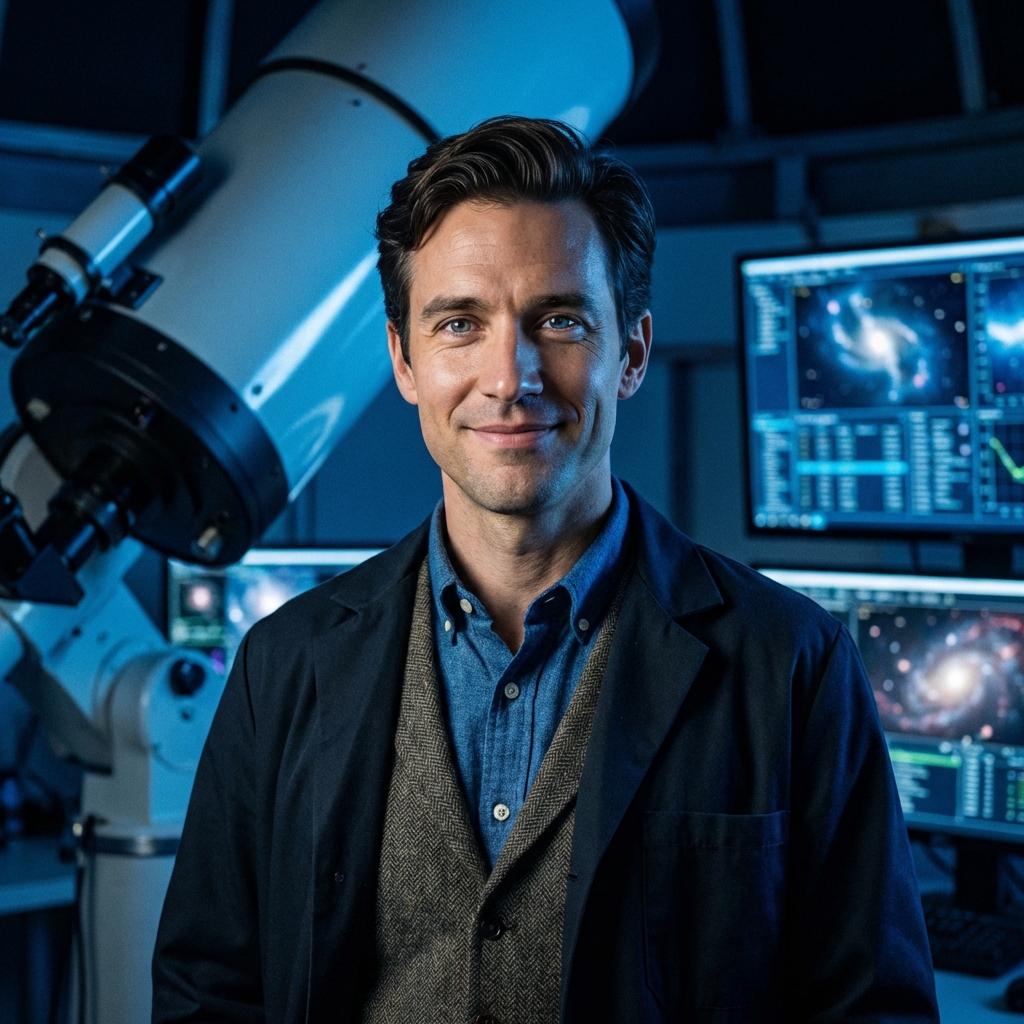
 Dr. Alan Grant

The average global life expectancy has surged by over two decades in the last century, from approximately 52 years in 1950 to 72.8 years in 2019, yet the quest to extend not just years, but *healthy* years, is accelerating at an unprecedented pace, with scientists probing the very mechanisms of aging itself.
The Unyielding Quest: Humanitys Age-Old Dream of Longevity
For millennia, humanity has dreamt of a life unbound by the ravages of time. Ancient myths and legends are replete with tales of elixirs of immortality and fountains of youth. Today, this age-old aspiration has transformed into a vibrant, multi-disciplinary scientific endeavor. Researchers across the globe are no longer content with merely treating age-related diseases; they are aiming to tackle the root causes of aging, seeking to slow down, halt, or even reverse the biological processes that lead to decline and mortality. This is not science fiction; it is the cutting edge of biomedical research, a race fueled by both profound curiosity and the promise of a healthier, more vibrant future for humankind.
The economic and social implications of such a breakthrough are colossal. A population living significantly longer, and more importantly, healthier lives, would redefine healthcare systems, retirement ages, and the very fabric of society. The current trajectory of aging populations already presents challenges, but a successful intervention in the aging process could usher in an era of extended vitality, transforming the concept of later life from one of dependency to one of continued contribution and fulfillment.
Historical Perspectives on Longevity
From the alchemists of old searching for the Philosopher's Stone to the early physicians meticulously documenting the signs of senescence, the desire to understand and influence lifespan has been a constant. Early interventions often focused on lifestyle factors like diet and exercise, while more fantastical pursuits sought mythical cures. The scientific revolution, however, began to shift this focus towards empirical observation and the nascent understanding of biological processes.
Modern longevity research builds upon centuries of observation, but it is underpinned by sophisticated technologies and a deep understanding of molecular biology. We have moved beyond anecdotal evidence to the granular analysis of cellular mechanisms, gene expression, and the complex interplay of biochemical pathways that govern our bodies' aging processes.
Unraveling the Biological Clock: Cellular Hallmarks of Aging
Aging is not a single event but a complex, multi-faceted process involving the gradual accumulation of damage at the cellular and molecular level. Scientists have identified several key "hallmarks of aging" that serve as critical indicators and contributors to the aging phenotype. Understanding these hallmarks is fundamental to developing effective interventions. These are the molecular and cellular changes that drive aging and age-related diseases.
One of the most significant hallmarks is genomic instability. Over time, our DNA accumulates damage from environmental factors, metabolic byproducts, and errors during replication. If left unrepaired, this damage can lead to mutations, cellular dysfunction, and ultimately, increased susceptibility to diseases like cancer. The body's repair mechanisms, while robust, become less efficient with age.
Another critical hallmark is telomere attrition. Telomeres are protective caps at the ends of our chromosomes, often likened to the plastic tips on shoelaces. Each time a cell divides, these telomeres shorten. Once they become too short, the cell can no longer divide and enters a state of senescence – a kind of permanent cell cycle arrest. While senescence can prevent uncontrolled cell division (cancer), senescent cells can also accumulate and secrete inflammatory factors that damage surrounding tissues, contributing to aging and disease.
The accumulation of cellular senescence itself is considered a hallmark. These "zombie cells" are not dead but are metabolically active and release pro-inflammatory molecules, contributing to chronic inflammation, tissue degeneration, and the development of numerous age-related conditions, from arthritis to cardiovascular disease. Efforts to clear these senescent cells are a major focus of current research.
Mitochondrial dysfunction is another key player. Mitochondria, the powerhouses of our cells, become less efficient with age, producing fewer energy molecules and more harmful reactive oxygen species (ROS). This decline in energy production and increase in oxidative stress can damage cellular components and impair overall function. This is a cascading effect, where the reduced energy output of mitochondria leads to further cellular damage and dysfunction.
Dysregulation of nutrient sensing pathways, such as the insulin/IGF-1 and mTOR pathways, also plays a crucial role. These pathways are involved in regulating growth, metabolism, and stress response. While important for development and growth, their overactivation in later life can accelerate aging processes. Conversely, mild restriction of these pathways, through caloric restriction or specific drugs, has been shown to extend lifespan in various model organisms.
Hallmarks of Aging: A Closer Look
Beyond the major hallmarks, other contributors include stem cell exhaustion, altered intercellular communication, loss of proteostasis (the ability of cells to maintain protein health and function), and deregulated cellular energetics. Each of these interconnected processes contributes to the overall decline associated with aging, creating a complex web that researchers are meticulously working to untangle.
The intricate relationship between these hallmarks means that interventions targeting one area can have ripple effects across others. For instance, reducing oxidative stress from mitochondrial dysfunction might also lessen genomic instability. This interconnectedness is both a challenge and an opportunity for researchers seeking comprehensive solutions.
| Hallmark of Aging | Description | Implications |
|---|---|---|
| Genomic Instability | Accumulation of DNA damage and mutations. | Increased cancer risk, cellular dysfunction. |
| Telomere Attrition | Shortening of protective chromosome caps with cell division. | Cellular senescence, limited regenerative capacity. |
| Epigenetic Alterations | Changes in gene expression without altering DNA sequence. | Loss of cell identity, increased disease susceptibility. |
| Loss of Proteostasis | Impaired ability to maintain protein structure and function. | Protein aggregation (e.g., Alzheimer's), cellular stress. |
| Deregulated Nutrient Sensing | Dysregulation of pathways like mTOR and IGF-1. | Accelerated aging, metabolic diseases. |
| Mitochondrial Dysfunction | Reduced energy production, increased oxidative stress. | Cellular energy deficit, tissue damage. |
| Cellular Senescence | Accumulation of non-dividing, inflammatory cells. | Chronic inflammation, tissue degeneration. |
| Stem Cell Exhaustion | Loss of regenerative potential due to depleted stem cell populations. | Impaired tissue repair and regeneration. |
| Altered Intercellular Communication | Changes in signaling between cells, often inflammatory. | Chronic inflammation, immune system dysregulation. |
The Pillars of Intervention: Key Scientific Avenues
With a solid understanding of the hallmarks of aging, scientists are exploring several promising avenues to intervene. These strategies range from targeting specific molecular pathways to promoting cellular repair and rejuvenation. The ultimate goal is to develop therapies that can safely and effectively extend healthspan – the period of life spent in good health.
One of the most exciting areas is senolytics – drugs designed to selectively clear senescent cells. By identifying and eliminating these aging cells, researchers hope to reduce the chronic inflammation and tissue damage they cause, potentially ameliorating a wide range of age-related diseases. Early studies in animal models have shown remarkable results, with senolytics improving various age-related phenotypes.
Another major focus is on enhancing cellular repair mechanisms. This includes boosting the body's natural ability to repair DNA damage, improve protein folding, and clear cellular debris. Technologies like gene therapy and CRISPR-based gene editing are being explored to correct genetic defects that contribute to premature aging or to introduce genes that promote cellular resilience.
The concept of cellular reprogramming, inspired by the Nobel Prize-winning work on induced pluripotent stem cells (iPSCs), is also gaining traction. The idea is to "turn back the clock" on aged cells, restoring their youthful characteristics without losing their specialized function. This could potentially rejuvenate tissues and organs, reversing age-related decline.
The research into Yamanaka factors, proteins that can reprogram adult cells into a pluripotent state, has opened doors to partially reprogramming cells. This approach aims to reverse cellular aging markers without fully dedifferentiating the cells, thus preserving their identity and function. While still in its early stages, partial reprogramming holds immense promise for regenerative medicine and longevity.
Repurposing Existing Drugs
Beyond novel drug development, researchers are also investigating existing drugs that might have beneficial effects on aging. Metformin, a common diabetes medication, has shown some promise in preclinical studies for its potential anti-aging properties, possibly by influencing nutrient-sensing pathways and reducing inflammation. Rapamycin, an immunosuppressant, also targets the mTOR pathway and has demonstrated lifespan-extending effects in various organisms. These drugs are attractive because their safety profiles are already well-established, potentially accelerating their path to human use for longevity.
The field of regenerative medicine, using stem cells to repair or replace damaged tissues, is intrinsically linked to longevity research. While not directly stopping the aging process, it offers a way to combat its consequences, restoring function and improving quality of life in older individuals. Advances in bioengineering and tissue scaffolding are further enhancing these possibilities.
Dietary Wisdom and Pharmacological Frontiers
The link between diet and longevity has long been observed. Caloric restriction (CR), the practice of reducing calorie intake without malnutrition, has consistently been shown to extend lifespan and healthspan in a wide range of organisms, from yeast to primates. While strict CR is difficult for many to adhere to, intermittent fasting (IF) and time-restricted eating (TRE) offer more manageable approaches that mimic some of the benefits of CR, such as improved insulin sensitivity and cellular repair. These dietary strategies appear to modulate nutrient-sensing pathways, a key hallmark of aging.
Beyond caloric intake, the quality of the diet is paramount. Diets rich in antioxidants, fiber, and healthy fats, such as the Mediterranean diet, are associated with reduced risk of age-related diseases and increased longevity. Conversely, diets high in processed foods, sugar, and unhealthy fats can accelerate aging processes and increase disease risk.
On the pharmacological front, the development of drugs targeting aging pathways is accelerating. Besides senolytics and mTOR inhibitors like rapamycin, other promising drug classes are emerging. For example, NAD+ precursors (like NMN and NR) are being investigated for their potential to boost cellular energy metabolism and repair, as NAD+ levels decline with age. Drugs that enhance autophagy, the cell's self-cleaning process, are also a significant area of research, as impaired autophagy contributes to the accumulation of cellular damage.
The pharmaceutical industry is investing heavily in this space, with numerous clinical trials underway. Companies are exploring not only novel compounds but also repurposing existing drugs for longevity. The challenge lies in demonstrating not just extended lifespan but also significant improvements in healthspan, ensuring that longer lives are also healthier and more functional lives.
The Role of Genetics and Epigenetics
Our genes provide the blueprint for our bodies, and our genetic makeup undoubtedly influences our predisposition to aging and age-related diseases. While we cannot change our DNA sequence, understanding our genetic predispositions can inform lifestyle choices and preventative healthcare. Certain gene variants are associated with exceptional longevity, such as those found in centenarians. Identifying these genes offers clues into the biological pathways that promote healthy aging.
However, the story doesn't end with our DNA sequence. Epigenetics, the study of heritable changes in gene expression that do not involve alterations to the DNA sequence itself, plays a crucial role in aging. These epigenetic modifications, such as DNA methylation and histone modification, act like switches that can turn genes on or off. Over time, these epigenetic marks can change, leading to altered gene expression patterns that contribute to the aging process and the development of diseases.
Remarkably, epigenetic patterns appear to be somewhat reversible. This opens up exciting possibilities for interventions aimed at resetting or optimizing the epigenome to a more youthful state. Technologies like partial cellular reprogramming, which utilizes Yamanaka factors, directly target and modify epigenetic marks to rejuvenate cells. This is a dynamic field, where scientists are developing "epigenetic clocks" that can estimate biological age based on DNA methylation patterns, offering a quantifiable measure of aging and the potential to track the efficacy of longevity interventions.
Genetic Insights from Centenarians
Studies of centenarians, individuals who live to 100 years or more, have provided invaluable insights into the genetic factors that contribute to extreme longevity. These individuals often possess genetic variations that confer resistance to common age-related diseases and promote robust cellular maintenance and repair. For instance, some centenarians have protective variants in genes related to DNA repair, inflammation, and lipid metabolism. Understanding these protective mechanisms can guide the development of interventions for the broader population.
The interplay between genetics and environment is also critical. While genetics might provide a predisposition, lifestyle factors like diet, exercise, and stress management can significantly influence how those genes are expressed. This gene-environment interaction highlights the personalized nature of aging and the potential for tailored longevity strategies.
For further reading on the influence of genetics, consider:
Genetics of longevity - WikipediaEthical Labyrinths and Societal Shifts
As the science of longevity advances, it inevitably raises profound ethical and societal questions. The prospect of significantly extending human lifespan is not without its challenges. One of the foremost concerns is equity and access. Will these life-extending therapies be available to everyone, or will they exacerbate existing socioeconomic disparities, creating a divide between the long-lived affluent and the rest of society? Ensuring equitable access to future longevity treatments is a critical ethical imperative.
Another major consideration is the impact on social structures. If people live for centuries, how will this affect retirement, employment, family structures, and intergenerational relationships? The concept of a "career" might need to be redefined, and lifelong learning and adaptability will become even more crucial. The psychological impact of extreme longevity also warrants consideration; how will individuals cope with potentially outliving multiple generations of loved ones or experiencing prolonged periods of life?
The definition of "death" and the process of dying may also be re-examined. If aging can be slowed or reversed, what does it mean to be truly "old" or "terminal"? These philosophical and ethical debates are crucial as we navigate the potential future of human lifespan. Regulatory frameworks will also need to adapt to oversee the development and deployment of these novel therapies, ensuring safety and efficacy.
Furthermore, the potential for a vastly extended lifespan raises questions about resource allocation. How will a larger, older population impact the planet's resources, from food and water to housing and healthcare? Proactive planning and innovative solutions will be essential to manage these potential challenges sustainably.
The development of longevity interventions will require robust public discourse and careful consideration of unintended consequences. Collaboration between scientists, ethicists, policymakers, and the public will be vital to navigate this complex landscape responsibly.
Beyond the Numbers: Defining Healthy Longevity
The ultimate goal of longevity research is not simply to increase the number of years a person lives, but to increase the number of *healthy* years. This concept is often referred to as "healthspan." A long life filled with chronic illness, disability, and dependency is not the aspiration. Instead, the focus is on maintaining physical, cognitive, and emotional vitality well into advanced age.
This means developing interventions that not only prevent or delay diseases like Alzheimer's, cardiovascular disease, cancer, and diabetes but also enhance overall bodily function, resilience, and well-being. It’s about ensuring that the extra years of life are lived with independence, purpose, and a high quality of life. The research is increasingly shifting from a disease-centric model to a health-centric one, viewing aging itself as a modifiable biological process.
Measuring the success of longevity interventions will therefore go beyond mortality rates to include metrics of functional capacity, cognitive sharpness, disease-free survival, and self-reported quality of life. This holistic approach ensures that the pursuit of longevity benefits the individual and society as a whole, fostering a future where aging is not synonymous with decline but with continued growth and engagement.
The scientific community is actively working to define robust biomarkers of aging that can accurately assess biological age and track the effectiveness of interventions. These biomarkers aim to provide a more precise understanding of an individual's aging trajectory than chronological age alone.
For more on the societal impact and scientific pursuit:
Reuters: Longevity research explained