

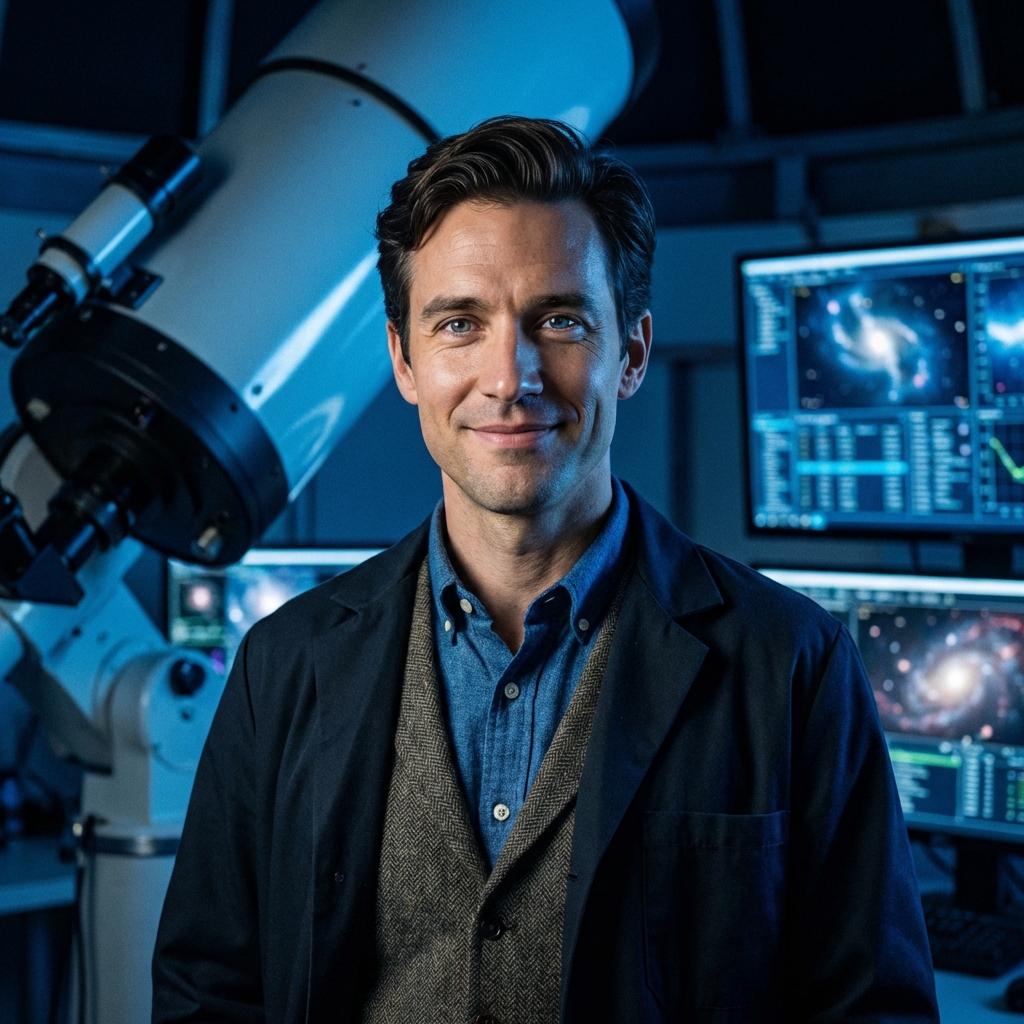
 Dr. Alan Grant

⏱ 45 min
In 2023, the global anti-aging market was valued at an estimated $35.1 billion, a figure projected to skyrocket to $64.4 billion by 2031, underscoring a profound societal shift towards understanding and actively manipulating the aging process.
The Dawning Age of Longevity Science
We stand at an unprecedented precipice in human history, where the once-unfathomable dream of extending lifespan, and more importantly, healthspan, is rapidly transitioning from science fiction to demonstrable scientific pursuit. Longevity science, once a niche academic discipline, has exploded into a dynamic, multi-billion dollar industry attracting investment from tech moguls, venture capitalists, and even governments. This surge is fueled by a deeper understanding of the fundamental biological processes that underpin aging and a growing arsenal of biotechnological tools capable of intervening in these processes. The goal is no longer merely to add years to life, but to add life to years, ensuring that extended existence is characterized by vitality, cognitive function, and a high quality of life. This paradigm shift represents a fundamental redefinition of what it means to age, moving from an inevitable decline to a malleable biological state that can be influenced and potentially optimized. The implications are vast, touching upon personal health, economic structures, and the very fabric of human society. ### The Economic Engine of Extended Life The economic implications of a population that lives significantly longer and healthier lives are staggering. Industries focused on preventative healthcare, regenerative medicine, and age-related disease treatment are experiencing exponential growth. Pharmaceutical companies are reorienting research and development towards therapies that target aging itself, rather than just its symptoms. This includes everything from senolytic drugs, which clear out senescent (aging) cells, to gene therapies designed to repair cellular damage. ### Shifting Perceptions of Aging Culturally, the perception of aging is also undergoing a transformation. The traditional view of old age as a period of inevitable decline is being challenged by the emergence of active, healthy centenarians and a growing interest in maintaining peak physical and mental performance well into what was once considered advanced age. This shift is not just about living longer, but about living *better* for longer, which has profound implications for retirement, career longevity, and intergenerational relationships.Unraveling the Biology of Aging
At the heart of longevity science lies a profound effort to understand the intricate biological mechanisms that drive aging. For decades, aging was viewed as a passive, inevitable process. However, modern research has identified several key hallmarks of aging, a complex interplay of cellular and molecular changes that accumulate over time, leading to functional decline and increased susceptibility to disease. These hallmarks provide critical targets for therapeutic intervention. ### The Hallmarks of Aging: A Scientific Framework The scientific community has coalesced around a set of core biological processes that define aging. These include: * **Genomic Instability:** Accumulation of DNA damage over time. * **Telomere Attrition:** Shortening of protective caps on chromosomes. * **Epigenetic Alterations:** Changes in gene expression without altering the DNA sequence. * **Loss of Proteostasis:** Impaired ability to maintain protein homeostasis. * **Deregulated Nutrient Sensing:** Dysregulation of metabolic pathways. * **Mitochondrial Dysfunction:** Decline in the energy-producing organelles of cells. * **Cellular Senescence:** Accumulation of "zombie" cells that secrete inflammatory factors. * **Stem Cell Exhaustion:** Depletion of regenerative cell populations. * **Altered Intercellular Communication:** Increased inflammation and impaired signaling. Understanding these interconnected pathways is crucial for developing effective strategies to slow, halt, or even reverse aspects of the aging process. Researchers are actively developing assays and biomarkers to measure the biological age of an individual, offering a more nuanced perspective than chronological age.9
Hallmarks of Aging
100+
Years of Research
$35.1B
2023 Market Value (USD)
"We are moving from treating individual diseases of aging to treating aging itself. This is a fundamental shift in medicine, aiming to build resilience against a spectrum of age-related pathologies."
— Dr. Anya Sharma, Lead Researcher, Institute for Cellular Regeneration
Pioneering Interventions: From Cells to Systems
The scientific pursuit of longevity has spawned a diverse array of interventions, ranging from molecular therapies targeting specific cellular pathways to broader lifestyle modifications aimed at optimizing overall health. These interventions can be broadly categorized into pharmacological, genetic, and lifestyle-based approaches. ### Pharmacological Approaches: Targeting Aging Pathways Pharmacological interventions are at the forefront of longevity research. Several classes of drugs are being investigated for their potential to slow or reverse aging processes. * **Senolytics:** As mentioned, these drugs target and eliminate senescent cells. Examples include dasatinib and quercetin, which have shown promise in animal models for improving age-related conditions. * **Rapamycin and mTOR Inhibitors:** Rapamycin, an immunosuppressant, has been shown to extend lifespan in various organisms by inhibiting the mTOR pathway, which plays a critical role in nutrient sensing and cellular growth. Research is ongoing to develop more targeted and safer mTOR inhibitors. * **Metformin:** A common drug for type 2 diabetes, metformin is being studied for its broader anti-aging effects, including potential benefits for cardiovascular health and cancer prevention. * **NAD+ Boosters:** Nicotinamide adenine dinucleotide (NAD+) is a coenzyme crucial for cellular energy production and DNA repair. NAD+ levels decline with age, and supplements designed to boost NAD+ are popular, though their long-term efficacy in humans is still under investigation. ### Genetic Therapies: Rewriting the Code of Life Gene therapy and gene editing technologies, such as CRISPR-Cas9, offer revolutionary possibilities for longevity. These technologies can potentially correct genetic defects associated with aging, enhance cellular repair mechanisms, or even introduce genes that promote longevity. #### Gene Therapy for Age-Related Diseases The application of gene therapy to treat specific age-related diseases, such as Alzheimer's or osteoporosis, is progressing. The ultimate goal for some researchers is to modify the human genome in ways that fundamentally alter the aging trajectory, though this remains a distant and ethically complex prospect. #### Epigenetic Reprogramming Recent breakthroughs in epigenetic reprogramming, where cellular identity can be partially reversed, have generated significant excitement. By temporarily activating specific genes (Yamanaka factors), scientists have been able to rejuvenate aged cells and even tissues in laboratory settings. The challenge is to control this process safely and effectively in living organisms without inducing uncontrolled cell growth (cancer).| Intervention Type | Mechanism of Action | Current Status | Potential Benefits | Challenges |
|---|---|---|---|---|
| Senolytics | Eliminates senescent cells | Preclinical studies, early human trials | Improved tissue function, reduced inflammation | Off-target effects, identifying optimal drug combinations |
| Rapamycin & mTOR Inhibitors | Inhibits mTOR pathway | Animal studies, human trials for specific diseases | Increased lifespan in animals, potential for metabolic health | Immunosuppression, metabolic side effects |
| NAD+ Boosters | Increases NAD+ levels | Dietary supplements, ongoing research | Improved energy metabolism, DNA repair | Limited human data on efficacy and safety |
| Gene Therapy | Modifies gene expression/sequence | Experimental, some approved for rare diseases | Correcting genetic defects, enhancing repair mechanisms | Delivery challenges, immune response, ethical concerns |
Bio-Optimized Living: The Human Element
While cutting-edge biotechnologies capture headlines, the fundamental pillars of health and longevity remain deeply rooted in lifestyle choices. Bio-optimized living emphasizes a holistic approach, integrating scientific understanding with practical, everyday habits to enhance well-being and potentially extend lifespan. This is not just about surviving longer, but about thriving. ### The Power of Lifestyle Interventions The impact of lifestyle on health and aging is undeniable. Decades of research have consistently pointed to a few key areas: * **Nutrition:** A balanced diet rich in whole foods, antioxidants, and healthy fats, while limiting processed foods, sugar, and excessive red meat, is crucial. Intermittent fasting and caloric restriction are also subjects of intense research for their potential longevity benefits. * **Exercise:** Regular physical activity, encompassing both aerobic and strength training, improves cardiovascular health, maintains muscle mass, enhances cognitive function, and reduces inflammation. * **Sleep:** Adequate, quality sleep is essential for cellular repair, hormonal balance, and cognitive restoration. Chronic sleep deprivation is linked to numerous age-related diseases. * **Stress Management:** Chronic stress elevates cortisol levels, which can accelerate aging and impair immune function. Practices like mindfulness, meditation, and yoga are vital for mitigating these effects. * **Social Connection:** Strong social bonds and a sense of community are increasingly recognized as significant determinants of longevity and well-being. ### The Rise of Biohacking and Personalization Biohacking, the practice of using science and self-experimentation to optimize one's biology, is a growing movement within bio-optimized living. This often involves leveraging wearable technology to track metrics like heart rate variability, sleep patterns, and glucose levels, and then making data-driven adjustments to diet, exercise, and other lifestyle factors. Personalized medicine, which tailors treatments and interventions to an individual's unique genetic makeup and biological profile, is a more formal manifestation of this trend.7-8 hrs
Recommended Daily Sleep
150+ min
Weekly Moderate Exercise
30%
Reduction in Chronic Disease Risk (with healthy lifestyle)
Ethical Frontiers and Societal Impact
The pursuit of radical life extension and immortality raises profound ethical, social, and economic questions that society must grapple with. As the science advances, so too must our collective dialogue about its implications. ### Equity and Access: A Longevity Divide? A major concern is the potential for longevity interventions to exacerbate existing inequalities. If cutting-edge therapies are prohibitively expensive, they could create a stark divide between those who can afford extended lifespans and those who cannot. This raises questions about distributive justice and the very definition of a good society. Will immortality become a privilege of the wealthy, creating an unprecedented chasm in human experience? ### The Meaning of Life and Death If death becomes a more distant prospect, how will it alter our perception of life's value and meaning? Would a prolonged existence lead to existential ennui or a deeper appreciation for existence? The human drive for procreation, achievement, and legacy might be reshaped in ways we cannot yet fully comprehend. The concept of mortality has historically shaped our philosophies, religions, and personal aspirations. Diminishing its inevitability could fundamentally alter these aspects of the human condition."The greatest challenge of longevity science is not just extending life, but ensuring that extended life is meaningful, equitable, and sustainable for all of humanity. We must proactively address the ethical and societal implications, not as an afterthought, but as an integral part of the research process."
### Overpopulation and Resource Management
A significant increase in average lifespan could place immense pressure on global resources, including food, water, and energy. Societies would need to adapt their economic models, infrastructure, and environmental policies to accommodate a larger, older population. This necessitates careful long-term planning and innovation in sustainable resource management.
### Generational Dynamics and Societal Structures
The traditional life course – education, career, retirement, old age – would be fundamentally altered. We might see individuals pursuing multiple careers, engaging in lifelong learning, and experiencing longer periods of post-reproductive life. This could redefine family structures, intergenerational relationships, and the concept of legacy.
Reuters: The Future of Aging Could Be Changed by New Research
Wikipedia: Longevity
— Dr. Evelyn Reed, Bioethicist, Global Futures Institute
The Future of Immortality: Hype or Hope?
The term "immortality" itself can evoke both excitement and skepticism. While true biological immortality, the cessation of aging and invulnerability to death, remains firmly in the realm of speculation, the realistic goal of significantly extending healthy human lifespan – perhaps to 120, 150, or even more years – is increasingly becoming a plausible scientific objective. ### Defining "Immortality" in a Scientific Context In the context of longevity science, "immortality" is often used metaphorically to describe a state of radical life extension where aging is effectively halted or reversed, and death from age-related causes is eliminated. This is distinct from invulnerability to accidents or infectious diseases. The focus is on preventing the biological breakdown that inevitably leads to death. ### Realistic Projections vs. Science Fiction While some futurists envision a future where humans achieve digital immortality or complete biological immortality within decades, the scientific consensus suggests a more gradual progression. Significant increases in healthspan and lifespan are more likely outcomes in the near to medium term, achieved through a combination of lifestyle changes and emerging biotechnologies. The path to truly escaping aging is likely to be long and complex.100+
Years of Potential Healthy Lifespan
50+
Active Longevity Research Centers
10-20
Years for Major Therapies to Reach Market
Navigating the Longevity Landscape
For individuals interested in the pursuit of longevity, the landscape can be both exciting and overwhelming. A critical and informed approach is essential. ### Empowering Yourself Through Knowledge Staying informed about the latest scientific developments is key. This involves following reputable scientific journals, engaging with established longevity researchers, and being discerning about sensationalized claims. Understanding the difference between well-substantiated research and speculative theories is paramount. ### Proactive Health Management The most impactful interventions available today are rooted in lifestyle. Prioritizing a healthy diet, regular exercise, quality sleep, and stress management forms the foundation of a long and healthy life. These are not merely recommendations but scientifically validated strategies for enhancing well-being and resilience. ### The Future is Now While the prospect of radical life extension may seem futuristic, many of the principles of bio-optimized living are actionable today. By embracing a proactive, science-informed approach to health and well-being, individuals can not only enhance their current quality of life but also position themselves to benefit from the accelerating advancements in longevity science. The journey towards hacking immortality has already begun, and it starts with understanding our own biology and making conscious choices for a healthier future.What is the difference between lifespan and healthspan?
Lifespan refers to the total duration of a person's life, while healthspan refers to the period of life spent in good health, free from chronic diseases and disabilities. Longevity science aims to extend both, but with a strong emphasis on increasing healthspan so that people live longer, healthier lives.
Are there any approved drugs for slowing down aging?
Currently, there are no FDA-approved drugs specifically marketed to slow down the aging process itself. However, drugs like metformin and rapamycin are being investigated for their potential anti-aging effects, and some senolytics are in early-stage human trials.
How can I personally benefit from longevity science today?
You can benefit by adopting evidence-based lifestyle practices: maintaining a balanced diet, engaging in regular exercise, prioritizing sufficient sleep, managing stress effectively, and fostering strong social connections. These habits are proven to enhance healthspan and potentially increase lifespan.
Is gene editing safe for anti-aging purposes?
Gene editing technologies like CRISPR are still in their early stages for anti-aging applications. While promising, significant research is needed to ensure safety, efficacy, and to avoid unintended consequences such as off-target mutations or the induction of cancer. Ethical considerations are also paramount.