

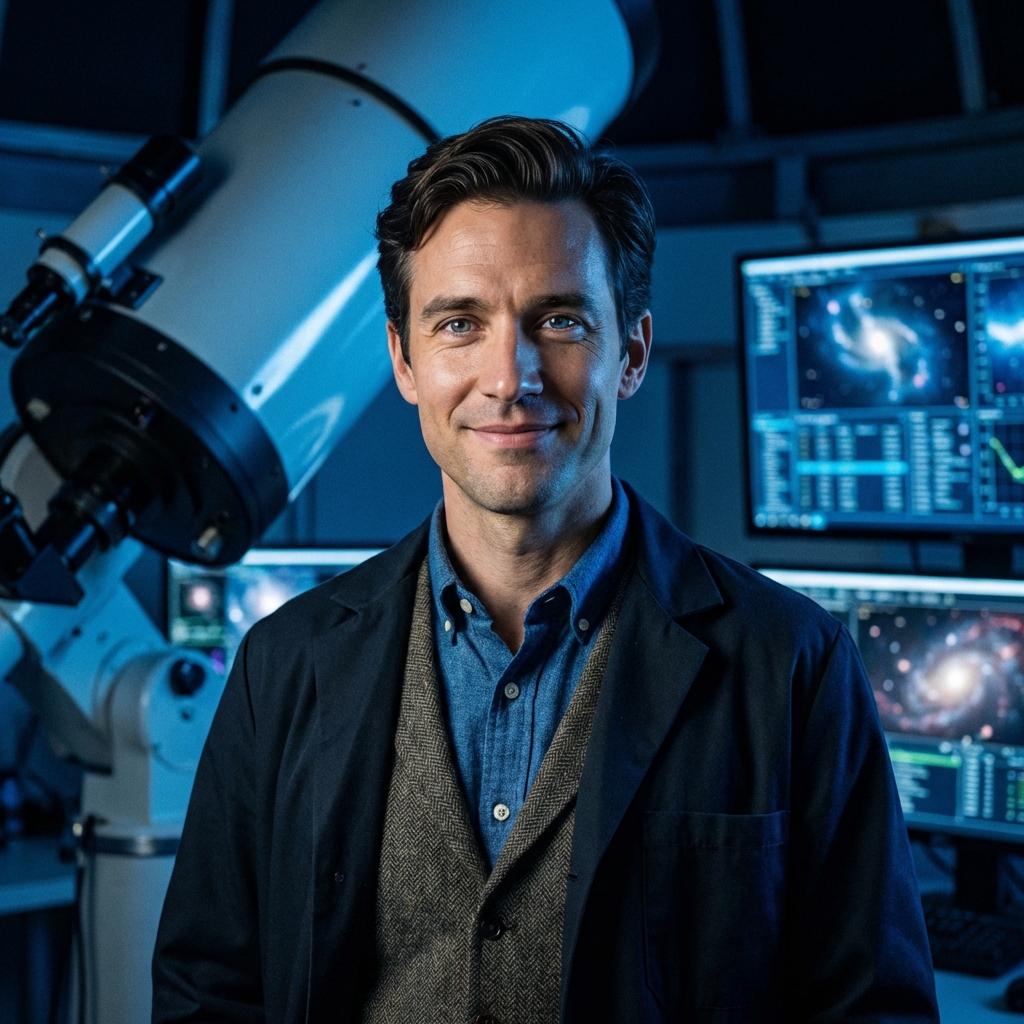
 Dr. Alan Grant

By 2030, the global longevity economy is projected to reach an unprecedented $27 trillion, driven by a fundamental shift in how humanity perceives aging. For the first time in history, the scientific community is no longer viewing aging as an inevitable biological decay, but as a treatable medical condition. This paradigm shift is being catalyzed by a convergence of artificial intelligence, high-resolution diagnostics, and precision bio-hacking protocols that aim to push the "human ceiling" far beyond the current average life expectancy of 73 years.
The Paradigm Shift: From Healthcare to Lifespan Extension
The traditional medical model is reactive. It waits for a system failure—a tumor, a heart attack, a stroke—before intervening. However, the emerging "Longevity Blueprint" is proactive. It utilizes predictive analytics to identify cellular markers of disease decades before clinical symptoms appear. This transition from "sick-care" to "well-care" is the cornerstone of the modern longevity movement.
Researchers are now focusing on the "Hallmarks of Aging," a set of biological processes such as genomic instability, telomere attrition, and epigenetic alterations. By targeting these root causes rather than individual diseases, scientists believe we can extend "healthspan"—the period of life spent in good health—alongside lifespan. The goal is no longer just to live longer, but to remain biologically young for a greater percentage of our lives.
AI Diagnostics: The Early Warning System for Mortality
Artificial Intelligence is the "engine room" of the longevity revolution. The sheer volume of data generated by the human genome, proteome, and metabolome is too vast for human clinicians to process. AI algorithms can now analyze thousands of blood biomarkers, MRI scans, and genetic sequences to create a "biological age" profile that is far more accurate than chronological age.
Deep Learning in Early Oncology
One of the most significant breakthroughs is the development of "Liquid Biopsies." Using AI to detect circulating tumor DNA (ctDNA) in a single vial of blood, companies can now identify over 50 types of cancer before they are visible on a traditional scan. This early detection increases survival rates by up to 500% for certain aggressive cancers.
| Technology | Function | Impact on Lifespan |
|---|---|---|
| Whole Genome Sequencing | Mapping 3 billion base pairs to identify risks | High: Identifies preventable genetic predispositions |
| AI-Powered MRI | Detecting micro-tumors and vascular plaque | Critical: Prevents sudden cardiac events and late-stage cancer |
| Biological Clocks (Horvath) | Measuring DNA methylation levels | Moderate: Tracks the effectiveness of longevity interventions |
| Proteomic Profiling | Analyzing 7,000+ proteins in the blood | High: Early warning for neurodegenerative diseases |
The Molecular Blueprint: Bio-Hacking the Aging Process
Bio-hacking, once a fringe movement for Silicon Valley elites, has entered the mainstream as a rigorous, data-driven discipline. It involves the use of "senolytics"—compounds that clear out "zombie cells"—and NAD+ precursors to optimize cellular energy production. The objective is to keep the mitochondria, the powerhouses of our cells, functioning at youthful levels.
The most famous example is the "Blueprint" protocol, where individuals use a combination of over 100 daily supplements, strict caloric restriction, and high-intensity interval training (HIIT). While extreme, these protocols are providing valuable data on how lifestyle interventions can reverse epigenetic age. For more information on the science of aging, visit the Wikipedia page on Senescence.
Regenerative Horizons: Stem Cells and Organ Bio-Printing
If bio-hacking is about maintenance, regenerative medicine is about replacement. The field of 3D bio-printing is moving toward the creation of personalized organs using a patient's own stem cells. This would eliminate the need for organ donor lists and the risk of transplant rejection. Currently, researchers have successfully printed "mini-organs" or organoids to test drug toxicity.
The Power of Exosomes
Beyond whole-cell therapy, the use of exosomes—tiny vesicles that carry signaling molecules between cells—is showing promise in repairing damaged tissue in the heart and brain. These "biological messengers" can be harvested and concentrated to trigger a healing response that the body could not achieve on its own. According to Reuters Health News, investments in regenerative startups have tripled in the last 24 months.
The Longevity Economy: Financial and Social Disruption
The implications of a significantly extended lifespan are profound for the global economy. Traditional pension systems are built on the assumption that individuals will work for 40 years and live for 15-20 years in retirement. If humans begin living to 120 or 150, the "three-stage life" (education, work, retirement) will collapse. It will be replaced by a multi-stage life where individuals pivot careers every 20-30 years.
Insurance companies are already beginning to integrate longevity data into their underwriting. Some providers offer lower premiums to customers who share their wearable data and maintain specific "longevity scores." This creates a financial incentive for health, but it also raises significant privacy concerns. For a deep dive into the business of aging, see Nature's research on Ageing.
Ethical Frontiers: The Democratization of Immortality
As longevity technologies emerge, a critical question arises: will these advancements be available to all, or will they create a biological divide between the "enhanced" wealthy and the "natural" poor? The cost of a full longevity diagnostic workup—including whole-genome sequencing, full-body MRI, and proteomic testing—can currently exceed $20,000.
Furthermore, the use of CRISPR-Cas9 for germline editing presents an ethical minefield. While it could eliminate hereditary diseases like Huntington's or cystic fibrosis, it also opens the door to "designer babies" with enhanced cognitive or physical traits. The global community must establish a framework to ensure that the quest for longevity does not result in a new form of genetic inequality.
Practical Implementation: Building Your Personal Protocol
While the most advanced therapies are still in clinical trials, the "Longevity Blueprint" offers actionable steps for the average person today. The foundation of any longevity protocol is "The Big Four": sleep, nutrition, exercise, and stress management. However, the addition of AI-driven tracking makes these efforts far more effective.
- Continuous Glucose Monitoring (CGM): Tracking how your body responds to specific foods in real-time to minimize insulin spikes.
- Zone 2 Training: Maintaining a heart rate that optimizes mitochondrial function and fat oxidation.
- Personalized Supplementation: Moving away from multivitamins toward targeted nutrients based on blood deficiencies.
- Digital Detox and Circadian Alignment: Using technology to block blue light and ensure deep, restorative REM sleep.
| Intervention | Cost Level | Scientific Evidence |
|---|---|---|
| Intermittent Fasting | Free | Strong (Autophagy induction) |
| Cold Plunge / Sauna | Low-Medium | Moderate (Hormetic stress) |
| NAD+ IV Therapy | High | Emerging (Cellular repair) |
| Gene Therapy | Ultra-High | Experimental (Direct DNA edit) |
The era of passive aging is over. We are entering an age where the duration and quality of our lives are increasingly under our own control. By combining the analytical power of AI with the biological interventions of bio-hacking, humanity is writing a new script for the future—one where the century-long life is not an anomaly, but the standard.