

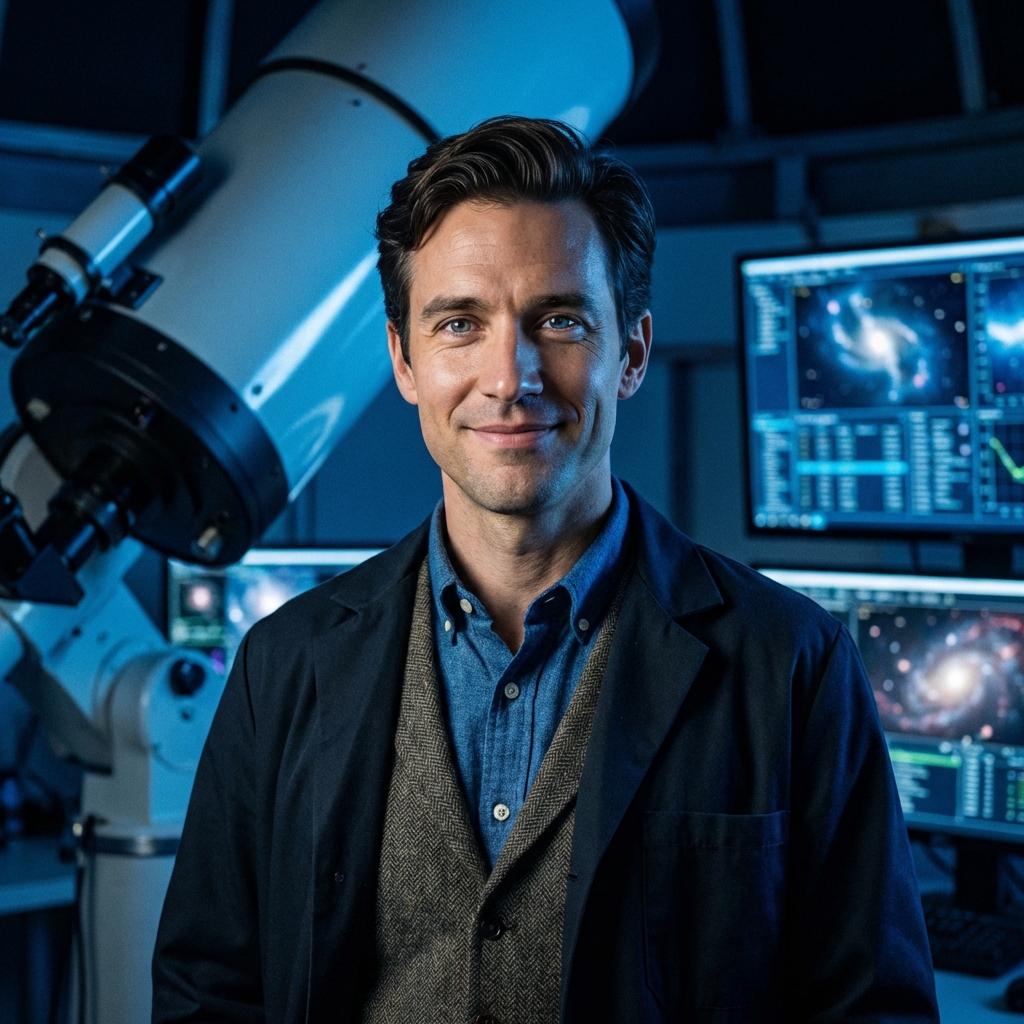
 Dr. Alan Grant

⏱ 45 min
The global average life expectancy has climbed from 31 years in 1800 to over 73 years today, a testament to advancements in public health, medicine, and sanitation. Yet, a burgeoning movement known as biohacking is pushing the boundaries far beyond mere survival, aiming to not just extend lifespan, but to enhance healthspan and potentially achieve radical life extension. This pursuit of a dramatically longer, healthier existence sits at the ethical frontier of human endeavor, forcing us to confront profound questions about what it means to be human, the equitable distribution of such technologies, and the very fabric of our societies.
The Unfolding Longevity Revolution: Beyond Natural Limits
For millennia, humanity has accepted aging as an inevitable and largely unalterable biological process. Diseases of aging, from cardiovascular conditions to neurodegenerative disorders, have been viewed as the grim, predictable consequence of time. However, the last few decades have witnessed a paradigm shift, fueled by breakthroughs in molecular biology, genetics, and data science. Biohacking, in its broadest sense, encompasses a wide array of practices, from simple lifestyle adjustments like intermittent fasting and optimized sleep hygiene to highly sophisticated interventions involving genetic editing, stem cell therapies, and the use of experimental drugs. The core principle driving this revolution is the understanding that aging is not a monolithic process but rather a complex cascade of cellular and molecular damage. Scientists are increasingly identifying the "hallmarks of aging," a set of interconnected biological mechanisms that contribute to age-related decline. By targeting these hallmarks, biohackers and researchers believe it's possible to slow, halt, or even reverse aspects of the aging process, leading to a state of prolonged youthfulness and vitality. This ambitious goal moves beyond merely treating age-related diseases to fundamentally altering the aging trajectory itself. The early pioneers of biohacking often operated outside traditional medical institutions, driven by personal curiosity and a desire to optimize their own bodies. These individuals, often with backgrounds in science or technology, experimented with various diets, supplements, and diagnostic tools, meticulously tracking their physiological responses. While some of these early efforts were anecdotal, they paved the way for more rigorous scientific investigation and the development of a burgeoning industry dedicated to longevity. The mainstreaming of biohacking is evident in the growing investment in longevity research and the emergence of specialized clinics and companies. The market for anti-aging products and services, once dominated by cosmetics, is now increasingly focused on scientifically validated interventions. This shift signals a broader societal acceptance of the idea that aging can be influenced and that a longer, healthier life is an achievable aspiration, albeit one that comes with its own set of complex challenges.The Biohacking Landscape: Tools, Techniques, and Trends
The spectrum of biohacking techniques is vast and continuously expanding, reflecting the interdisciplinary nature of longevity research. At the more accessible end are lifestyle modifications that are gaining widespread recognition for their impact on healthspan. These include: * **Nutritional Interventions:** This ranges from calorie restriction and intermittent fasting (e.g., 16:8, 5:2 diets) to ketogenic diets and personalized nutrition based on genetic predispositions and microbiome analysis. The aim is to optimize metabolic health, reduce inflammation, and trigger cellular repair mechanisms like autophagy. * **Exercise and Sleep Optimization:** Tailored exercise regimens, including high-intensity interval training (HIIT) and resistance training, are crucial for maintaining muscle mass, bone density, and cardiovascular health. Similarly, meticulous attention to sleep quality and duration is recognized as fundamental for cellular repair, hormone regulation, and cognitive function. * **Supplementation:** While often controversial, many biohackers meticulously research and utilize supplements believed to support cellular health, reduce oxidative stress, and enhance mitochondrial function. These can include antioxidants, Nootropics, NAD+ precursors, and various vitamins and minerals. Moving into more advanced territory, biohacking ventures into technological and medical interventions: * **Biomarker Tracking:** Wearable devices and sophisticated diagnostic tests allow individuals to continuously monitor a wide array of physiological markers, including heart rate variability, blood glucose levels, sleep stages, and even epigenetic age. This data is then used to fine-tune interventions. * **Hormone Optimization:** Under the guidance of specialists, some individuals pursue hormone replacement therapy (HRT) or targeted hormone modulation to counteract age-related hormonal decline. This is a highly debated area, requiring careful medical supervision. * **Stem Cell Therapies:** Though still largely experimental and regulated, some clinics offer stem cell treatments aimed at regenerating damaged tissues, improving immune function, and combating age-related degeneration. * **Genetic Interventions:** While still in its nascent stages for direct human longevity applications, research into gene editing technologies like CRISPR is exploring ways to correct genetic predispositions to age-related diseases and potentially influence aging pathways. * **Senolytic Drugs:** These are a class of drugs designed to selectively clear senescent cells – aged cells that accumulate in tissues and contribute to inflammation and dysfunction. Clinical trials are underway, showing promising results in animal models. The trend is towards personalization and data-driven decision-making. Biohackers are no longer relying on general advice but are seeking interventions tailored to their unique biology and goals.| Intervention Type | Primary Focus | Examples | Potential Benefits |
|---|---|---|---|
| Dietary | Metabolic Health, Cellular Repair | Intermittent Fasting, Ketogenic Diet, Caloric Restriction | Improved insulin sensitivity, Autophagy induction, Reduced inflammation |
| Exercise | Muscle/Bone Health, Cardiovascular Function | HIIT, Strength Training, Zone 2 Cardio | Increased muscle mass, Improved VO2 max, Enhanced mitochondrial function |
| Supplementation | Cellular Protection, Energy Production | NAD+ Precursors (NR, NMN), Antioxidants, Omega-3s | Mitochondrial support, Reduced oxidative stress, Anti-inflammatory effects |
| Technological | Performance Monitoring, Data-Driven Optimization | Wearables (Garmin, Oura), Continuous Glucose Monitors (CGMs) | Personalized insights, Real-time feedback, Trend analysis |
| Advanced Therapies | Tissue Regeneration, Disease Prevention | Stem Cell Therapy, Senolytics (experimental) | Tissue repair, Clearance of senescent cells, Potential reversal of aging markers |
Scientific Underpinnings: From Genetics to Cellular Repair
The scientific foundation for biohacking and longevity research is rapidly solidifying, moving beyond anecdotal evidence to robust biological mechanisms. Researchers have identified several key "hallmarks of aging" that represent the fundamental drivers of age-related decline: * **Genomic Instability:** Over time, DNA accumulates damage from internal and external sources. This can lead to mutations, chromosomal abnormalities, and impaired cellular function. * **Telomere Attrition:** Telomeres are protective caps at the ends of chromosomes that shorten with each cell division. When they become too short, cells can no longer divide, entering a state of senescence. * **Epigenetic Alterations:** These are changes in gene expression that do not involve alterations in the DNA sequence itself. Over time, these modifications can lead to the inappropriate activation or silencing of genes, contributing to aging. * **Loss of Proteostasis:** Proteins are the workhorses of the cell. As we age, the mechanisms that ensure proper protein folding, function, and degradation become less efficient, leading to the accumulation of misfolded or damaged proteins. * **Deregulated Nutrient Sensing:** Cellular pathways that sense and respond to nutrient availability, such as the insulin/IGF-1 and mTOR pathways, become dysregulated with age, impacting metabolism and cellular maintenance. * **Mitochondrial Dysfunction:** Mitochondria are the powerhouses of the cell, responsible for energy production. Age-related decline in mitochondrial function leads to reduced energy output and increased production of harmful reactive oxygen species. * **Cellular Senescence:** Senescent cells are damaged cells that stop dividing but remain metabolically active, secreting inflammatory molecules that damage surrounding tissues and contribute to aging phenotypes. * **Stem Cell Exhaustion:** The ability of stem cells to regenerate tissues and repair damage diminishes with age, leading to a decline in regenerative capacity. * **Altered Intercellular Communication:** Age-related changes in signaling pathways between cells can lead to chronic inflammation ("inflammaging") and impaired tissue function. The scientific community is actively exploring interventions to target these hallmarks. For instance, research into caloric restriction and intermittent fasting suggests they can activate pathways that promote autophagy (cellular self-cleaning) and improve mitochondrial function. Senolytic drugs are a direct approach to targeting cellular senescence, aiming to clear these detrimental cells and restore tissue health.Estimated Global Investment in Longevity Research (USD Billions)
"We are moving from a paradigm of treating diseases of aging one by one to a more fundamental approach of targeting the aging process itself. The science is no longer theoretical; it's rapidly translating into tangible interventions."
— Dr. Anya Sharma, Lead Researcher, Institute for Aging Biology
The Promise of Epigenetic Rejuvenation
One of the most exciting frontiers is epigenetic rejuvenation. Researchers are exploring Yamanaka factors and partial reprogramming techniques, which aim to "reset" the epigenetic clock of cells. While still in early stages, studies have shown potential to reverse age-related functional decline in tissues. The challenge lies in controlling this reprogramming to avoid unintended consequences like cancer.Mitochondrial Health as a Longevity Pillar
Mitochondria, the cell's energy producers, are central to aging. As they become less efficient, they generate more damaging free radicals. Biohacking strategies focus on supporting mitochondrial biogenesis (creating new mitochondria) and improving their function. This involves targeted nutrition, specific exercise protocols, and supplements that provide building blocks for mitochondrial repair.The Role of Gut Microbiome in Aging
Emerging research highlights the profound impact of the gut microbiome on aging. A diverse and balanced microbiome is associated with better immune function and reduced inflammation. Biohacking interventions often include prebiotics, probiotics, and dietary adjustments to cultivate a healthy gut ecosystem, recognizing its intricate connection to overall health and longevity.The Ethical Minefield: Access, Equity, and the Definition of Life
As biohacking ventures closer to radical life extension, it opens a Pandora's Box of ethical dilemmas that society is ill-prepared to address. The most immediate concern is the issue of access and equity. If longevity treatments are prohibitively expensive, they risk creating a stark divide between the "ageless elite" and the rest of the population, exacerbating existing social and economic inequalities.70%
Likely to be inaccessible to lower-income populations initially
15-20
Years added to lifespan by some current cutting-edge treatments
$100,000+
Potential annual cost of advanced longevity therapies
Ethical Frameworks
Currently lagging behind technological advancements
"The greatest challenge we face with longevity technology is not scientific, but ethical and societal. If we cannot ensure equitable access and thoughtfully consider the implications for our planet and our social structures, we risk creating a dystopia, not a utopia."
The regulatory landscape for many advanced longevity interventions is still nascent. While traditional medical treatments are heavily regulated, the burgeoning field of biohacking and self-experimentation often operates in a grey area. This raises concerns about patient safety, the efficacy of unproven treatments, and the potential for exploitation.
— Professor Evelyn Reed, Bioethicist, Global Futures Institute
The Specter of Overpopulation and Resource Depletion
One of the most significant societal concerns is the potential impact of radical life extension on global population. If people live for centuries, the strain on Earth's resources—food, water, energy, housing—could become unsustainable. This necessitates a reevaluation of our consumption patterns and a proactive approach to population management, a topic fraught with its own ethical complexities.Redefining Life Stages and Social Contracts
An extended lifespan would fundamentally alter our understanding of life stages—childhood, adulthood, old age. What does it mean to be "retired" for 100 years? How would careers, education, and family structures need to adapt? This could necessitate a complete overhaul of social security systems, pension plans, and even our concepts of partnership and procreation.The Right to Die in an Age of Immortality
If life can be significantly extended, the concept of a natural death becomes even more pronounced. This raises profound questions about the "right to die," the ethical implications of assisted suicide for those who no longer wish to live indefinitely, and the societal pressure to continue living even when one's quality of life has diminished.The Societal Shift: Preparing for an Extended Human Lifespan
The prospect of significantly extended human lifespans is not merely a scientific or ethical discussion; it is a call to fundamentally re-imagine our societies. If individuals routinely live to 120, 150, or even longer, the existing structures and norms built around a 70-80 year lifespan will crumble. Education systems will need to adapt. The idea of a single career path followed by retirement will become obsolete. Lifelong learning, reskilling, and career transitions will be the norm, requiring flexible and accessible educational models. Imagine individuals pursuing multiple doctorates or entirely new professions over the course of a 150-year life. The economic implications are staggering. Pension systems and social security frameworks, designed for shorter lifespans, will require a complete overhaul. The concept of retirement itself may need to be redefined, perhaps shifting towards phases of reduced work or lifelong engagement in meaningful activities. Labor markets will face unprecedented challenges, with potential for both extended productivity and increased competition for jobs. Family structures could also transform. Intergenerational relationships would span many more years, potentially leading to more complex family dynamics and new forms of kinship. The decision to have children might be delayed or spaced out over longer periods.How will retirement be affected by increased lifespans?
Retirement as we know it may cease to exist. Instead, we might see phased retirements, periods of sabbaticals for lifelong learning or personal pursuits, and a greater emphasis on flexible work arrangements that allow individuals to remain engaged and productive throughout their extended lives.
What are the potential economic consequences of longer lifespans?
Economies could face significant strain on social security and pension systems. However, they could also benefit from a larger, more experienced, and potentially healthier workforce. Innovation in new industries catering to the needs of an aging population will likely surge.
How might healthcare systems adapt?
Healthcare would shift from treating acute diseases to managing chronic conditions and optimizing healthspan. Preventative medicine, personalized diagnostics, and regenerative therapies will become paramount, requiring substantial investment and a focus on holistic well-being.
The Future of Work: Lifelong Learning and Evolving Careers
The traditional model of education followed by a single career is becoming increasingly anachronistic. For individuals living potentially 150 years, continuous learning, reskilling, and adaptation will be essential. Universities might offer modular courses for lifelong learners, and employers will need to foster environments that support career transitions. The definition of "productivity" will also expand beyond traditional employment.Intergenerational Dynamics and Social Cohesion
The presence of multiple generations living concurrently for extended periods will reshape family dynamics and societal cohesion. We may see more complex multi-generational households, shifting power dynamics between younger and older generations, and the emergence of new social norms for intergenerational interaction. Preserving social harmony and ensuring that all age groups feel valued and included will be a critical challenge.The Psychological Impact of Extended Life
Living for centuries could have profound psychological effects. While the prospect of more time for personal growth, creativity, and experiences is appealing, there are also concerns about existential ennui, the potential for increased isolation, and the psychological burden of outliving loved ones multiple times. Mental health support systems will need to evolve to address these unique challenges.The Future of Aging: Promises and Perils of Radical Life Extension
The trajectory of biohacking and longevity research points towards a future where aging is no longer an inevitable decline but a condition that can be managed, slowed, and potentially reversed. The promises are immense: eradicating age-related diseases, maintaining vitality and cognitive function well into advanced years, and offering individuals more time to pursue their passions and contribute to society. However, the perils are equally significant. Without careful consideration and robust ethical frameworks, the pursuit of radical life extension could lead to unprecedented societal inequality, exacerbate environmental pressures, and fundamentally alter our understanding of what it means to be human. The decisions made today regarding research, regulation, and access will shape the future of humanity for centuries to come. The key lies in a balanced approach. Harnessing the scientific advancements for the betterment of all, ensuring that the benefits of longevity are shared equitably, and engaging in open, honest societal dialogue about the implications of extending human life. It is a journey into uncharted territory, one that demands both scientific ingenuity and profound wisdom. The development of AI-driven diagnostics and personalized treatment plans will be central to making longevity interventions more accessible and effective. As algorithms become more sophisticated in analyzing individual biological data, they can guide users towards the most beneficial lifestyle choices and therapies, potentially democratizing access to some of the more advanced techniques. Ultimately, the ethical frontier of longevity is not just about extending our years, but about enriching them. It's about ensuring that as we gain more time, we also gain more wisdom, compassion, and a deeper understanding of our place in the universe. The biohacking revolution is a powerful force, and its impact will be determined by how we choose to wield it.
"The ultimate goal isn't just living longer, but living better, healthier, and more fulfilling lives. The scientific pursuit of longevity must be guided by a deep sense of responsibility and a commitment to human flourishing for all."
— Dr. Kenji Tanaka, Director, Global Longevity Initiative
For further reading on the scientific aspects of aging, consult Wikipedia's Aging page or explore the latest research from reputable sources like Reuters Science.