

 Diana Prince
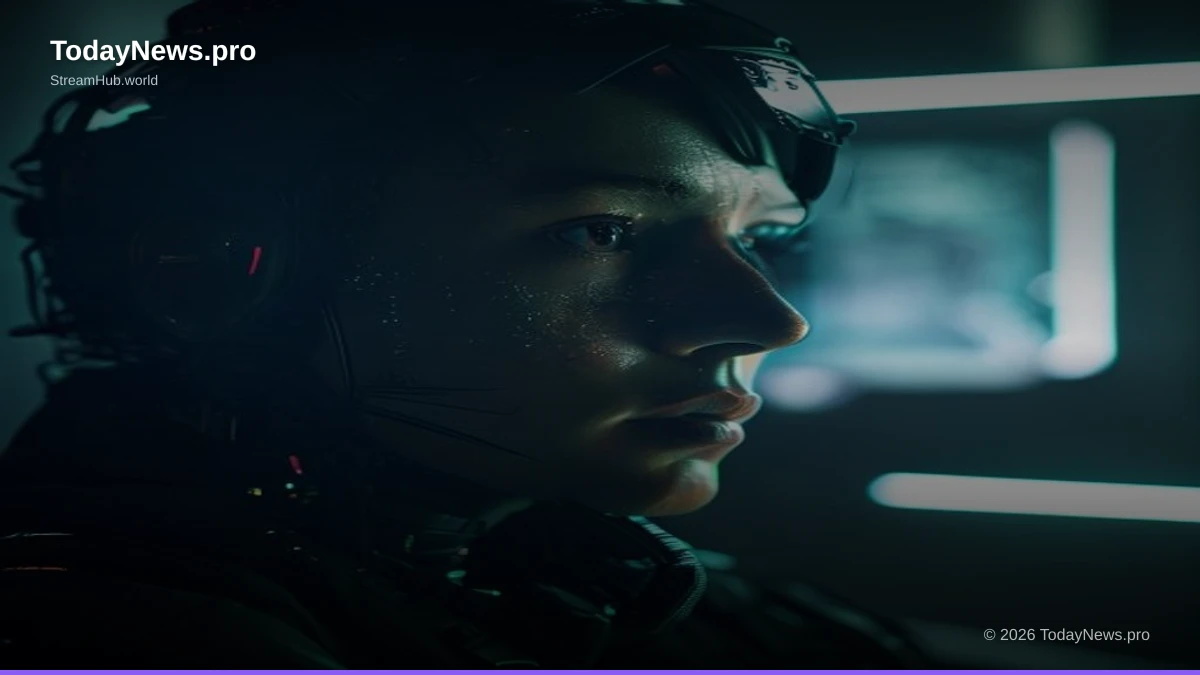
In 2023, the global box office revenue stood at an estimated $26 billion, a significant rebound from pandemic lows, yet a mere fraction of the potential economic and cultural impact of experiences that fully engage our senses and imaginations. The traditional passive consumption of film is on the cusp of a profound metamorphosis, ushering in a decade where storytelling transcends the flat screen and becomes an active, deeply personal journey.
The Shifting Sands of Spectacle: A Generational Leap
For over a century, cinema has been a window, a framed view into other worlds. From the silent era's evocative gestures to the high-definition spectacle of modern blockbusters, audiences have largely remained observers. However, the seeds of change have been sown by technological advancements and a growing desire for more profound engagement. The next ten years promise to redefine what it means to "watch" a story, moving from passive reception to active participation.
This evolution is not a sudden jolt but a continuous, accelerating trend. Early forays into 3D, motion capture, and advanced visual effects were precursors, hinting at the possibilities of deeper immersion. Now, technologies like virtual reality (VR), augmented reality (AR), and mixed reality (MR) are maturing, offering pathways to experiences that blur the lines between the fictional and the real. This is driven by a younger generation of consumers who have grown up with interactive digital environments and expect more from their entertainment.
The Evolution of Immersion: From 3D to Full Sensory Engagement
The initial wave of immersive technologies focused heavily on visual and auditory enhancements. While 3D cinema offered a sense of depth, and surround sound created auditory envelopment, these were still largely confined to the traditional viewing space. The next phase involves integrating haptic feedback, olfactory stimulation, and even gustatory elements, creating experiences that engage multiple senses simultaneously.
Imagine not just seeing a dragon breathe fire, but feeling the warmth, smelling the sulfur, and perhaps even tasting a hint of smoke. This level of multisensory storytelling is no longer the realm of science fiction. Researchers and developers are actively working on advanced haptic suits that can simulate touch, texture, and impact, while sophisticated scent generators are capable of replicating a vast array of aromas, from the scent of a pine forest to the metallic tang of a spaceship's interior.
The psychological impact of such full sensory immersion is profound. By engaging more of our natural sensory apparatus, these experiences can elicit stronger emotional responses, enhance memory recall, and create a more visceral connection to the narrative and its characters. This moves entertainment from mere distraction to a deeply resonant form of experience.
The Data Behind Engagement: Metrics Beyond the Box Office
Traditional metrics like box office gross and viewership numbers are becoming insufficient to measure the success of immersive content. New metrics are emerging, focusing on user engagement duration, emotional response tracking, and the depth of interaction within a narrative. Companies are investing in analytics that can quantify the "wow" factor and the lingering impact of an experience.
| Technology | Projected Market Growth (CAGR 2024-2030) | Key Application in Storytelling |
|---|---|---|
| Virtual Reality (VR) | 28.9% | Fully immersive narrative worlds, interactive dramas |
| Augmented Reality (AR) | 35.1% | Overlaying digital narratives onto the real world, interactive location-based stories |
| Mixed Reality (MR) | 32.5% | Blending virtual and physical environments for interactive storytelling |
| Haptic Technology | 25.2% | Simulating touch and physical sensations within narratives |
Beyond the Passive Gaze: The Rise of Interactivity
The most significant shift in immersive storytelling will be the move from passive viewing to active participation. Audiences will no longer be content to simply witness a story unfold; they will want to influence its direction, make choices that matter, and experience the consequences of their actions. This is where the true power of interactive narrative lies.
This isn't about simple "choose your own adventure" mechanics, though those will evolve. We are talking about sophisticated branching narratives where player agency has a genuine, often unpredictable, impact on the plot, character development, and even the ending. This requires a fundamental rethinking of narrative structure, moving away from linear progression towards a more fluid, dynamic, and player-centric model.
Branching Narratives: The Butterfly Effect on Steroids
The advent of powerful AI and sophisticated game design engines allows for the creation of complex narrative webs. In the next decade, expect to see films and series where your decisions as a viewer directly alter the storyline. This could range from subtle changes in a character's dialogue to entirely new plotlines and character arcs emerging based on your choices.
For example, a detective thriller might offer multiple suspects, and your investigation choices could lead you to accuse the wrong person, resulting in a tragic consequence for a beloved character. Alternatively, a romantic drama could present you with opportunities to deepen or sever relationships based on your interactions, leading to vastly different romantic outcomes. This level of personalized storytelling creates a unique experience for every individual.
The challenge lies in maintaining narrative coherence and emotional impact across these divergent paths. Developers will need to ensure that even with player-driven changes, the story remains compelling, thematically consistent, and emotionally satisfying. This requires a deep understanding of narrative architecture and character psychology, amplified by computational power.
Gamified Storytelling: Blurring the Lines Between Film and Play
The lines between gaming and traditional film are already blurring, and this trend will accelerate. Expect to see more cinematic experiences that incorporate game mechanics, rewards, and challenges. This could manifest as interactive films where players solve puzzles to advance the plot, or narrative experiences that reward exploration and discovery within a virtual world.
This gamification can increase engagement by providing a sense of accomplishment and progression, transforming the viewing experience into an active pursuit. Viewers might earn points for uncovering hidden clues, unlock bonus content by achieving specific narrative milestones, or even compete with friends on leaderboards for completing story arcs in novel ways.
The economic implications are also significant. This hybrid model opens up new revenue streams beyond ticket sales or subscription fees, including in-game purchases, premium content unlockables, and tiered access to different narrative branches. This creates a more robust and diverse business model for creators.
The Sensory Symphony: Augmenting Reality and Perception
Beyond interactivity, the next decade will see a significant leap in how immersive technologies engage our senses. While VR currently offers the most comprehensive sensory immersion, AR and MR are poised to integrate these experiences seamlessly into our daily lives, enhancing existing realities rather than replacing them.
The goal is not just to simulate other worlds but to enrich the one we inhabit. This means layering digital narratives, characters, and interactive elements onto our physical surroundings, creating a dynamic and responsive environment. Think of a historical documentary that, when viewed in a specific location, overlays holographic reenactments of past events, allowing you to walk alongside historical figures.
Haptic Feedback: Feeling the Narrative
Haptic technology, the science of simulating touch and physical sensation, is a crucial, yet often overlooked, component of true immersion. Beyond simple vibrations, advanced haptics can convey texture, pressure, temperature, and even the subtle resistance of an object. In storytelling, this translates to feeling the rumble of an approaching train, the rough texture of a character's garment, or the impact of a blow.
This sensory input bypasses higher cognitive functions and taps directly into our primal responses, making the narrative experience far more impactful and memorable. Imagine a horror film where you can feel the chilling breath of a ghost on your neck, or a drama where you can feel the warmth of a hand clasped in comfort. This deepens empathy and emotional connection to the story.
Olfactory and Gustatory Stimulation: The Forgotten Senses
While visual and auditory stimuli have dominated entertainment, the senses of smell and taste offer immense untapped potential. Imagine a culinary drama where you can actually smell the complex spices of a dish, or a fantasy epic where the scent of an enchanted forest envelops you. Advances in scent synthesis and delivery systems are making this a reality.
The link between smell and memory is exceptionally strong, meaning olfactory cues can powerfully evoke emotions and associations, making stories more deeply ingrained and personally resonant. While gustatory (taste) stimulation is more complex and less likely to be widely adopted in the short term, research into controlled taste delivery mechanisms is ongoing, hinting at even more profound future possibilities.
The Future of Presence: Bridging Physical and Digital Spaces
The concept of "presence" – the feeling of truly being in a virtual or augmented environment – is the holy grail of immersive storytelling. As hardware becomes more sophisticated and software more adept at simulating realism, the distinction between digital and physical worlds will continue to blur. This opens up new avenues for location-based entertainment, where stories unfold in real-world spaces augmented by digital layers.
Consider historical sites brought to life with interactive narratives, or theme park attractions where augmented reality characters interact with visitors in real-time. This hybrid approach offers the grounding of physical reality with the boundless creative potential of digital worlds, creating experiences that are both tangible and fantastical.
AI as the Ultimate Co-Author: Crafting Unforeseen Narratives
Artificial intelligence is poised to become not just a tool for creating immersive experiences, but a genuine co-author in the storytelling process. AI's ability to analyze vast datasets, understand complex patterns, and generate novel content will revolutionize how stories are conceived, developed, and experienced.
This isn't about AI replacing human creativity but augmenting it. AI can assist writers by generating plot ideas, developing character backstories, and even crafting dialogue based on specific emotional cues or narrative parameters. It can also personalize stories in real-time, adapting to individual viewer preferences and choices in ways previously unimaginable.
Generative AI for Narrative Creation and Personalization
Generative AI models, like those that create text and images, are rapidly advancing. These can be trained on vast libraries of existing stories, character archetypes, and narrative structures to generate entirely new plotlines, dialogue, and even visual elements. This allows for the creation of hyper-personalized stories where every viewer’s experience is unique.
For instance, an AI could dynamically rewrite scenes based on a viewer's inferred emotional state, making a tense moment even more terrifying for someone seeking a thrill, or offering a comforting alternative for someone feeling anxious. This level of dynamic adaptation ensures maximum engagement and emotional resonance for each individual.
The implications for content creation are staggering. Imagine an AI capable of generating an entire season of a personalized series based on a user's preferences, including bespoke characters, plot twists, and visual styles. This could democratize content creation and lead to an explosion of diverse and niche narratives.
AI-Driven Character Development and Interaction
AI can imbue virtual characters with unprecedented levels of realism and responsiveness. Beyond pre-scripted dialogue trees, AI-powered characters can engage in natural language conversations, remember past interactions, and evolve their personalities based on their experiences within the narrative. This makes virtual companions and antagonists far more believable and engaging.
In an interactive film, an AI character might remember a choice you made hours ago and bring it up in a new conversation, altering your relationship with them. They could exhibit subtle emotional shifts, display genuine curiosity, or even express frustration, making them feel less like programmed entities and more like living beings within the story world. This depth of character interaction is key to creating truly immersive and compelling experiences.
This also has profound implications for the future of gaming and virtual worlds. Non-player characters (NPCs) in games could become indistinguishable from human players in their conversational abilities and emotional depth, leading to richer and more dynamic virtual environments. The potential for AI-driven storytelling to foster genuine emotional connections with fictional characters is immense.
The Specter of Algorithmic Bias in Storytelling
However, the integration of AI into storytelling is not without its challenges. Algorithmic bias, stemming from the data used to train AI models, can inadvertently perpetuate stereotypes and prejudices within narratives. Ensuring fairness and inclusivity in AI-generated stories is paramount.
This requires careful curation of training data, ongoing monitoring for biased outputs, and the development of ethical AI frameworks specifically for creative applications. The goal is to harness AI's power for enriching storytelling without sacrificing representation and fairness.
The Ethical Labyrinth: Navigating New Frontiers Responsibly
As storytelling becomes more immersive and interactive, the ethical considerations multiply. The power to deeply engage audiences, manipulate emotions, and influence perception comes with significant responsibilities. Navigating this new landscape requires careful consideration of privacy, agency, and the potential for psychological impact.
The very technologies that enable profound immersion can also be used to exploit vulnerabilities. The ability to personalize narratives based on intimate user data, for example, raises concerns about targeted manipulation and the creation of echo chambers that reinforce existing biases. Transparency and user control will be paramount.
Privacy and Data Security in Immersive Worlds
Immersive experiences, especially those involving VR and AR, often collect vast amounts of personal data, including biometric information, movement patterns, and even emotional responses. Ensuring the secure storage and ethical use of this data is critical. Users must have clear visibility and control over what data is collected and how it is used.
The development of robust data protection regulations and industry-wide best practices will be essential. Companies that prioritize user privacy and transparency will build trust, which is vital for the long-term adoption of immersive storytelling platforms. The potential for misuse of such intimate data is significant, ranging from targeted advertising to more insidious forms of psychological profiling.
The debate around digital ownership and intellectual property in persistent virtual worlds will also intensify. As users contribute to and shape these narratives, questions about who owns the resulting content and experiences will become increasingly complex, requiring new legal and ethical frameworks.
The Specter of Addiction and Psychological Impact
The highly engaging and personalized nature of future immersive stories could also present challenges related to addiction and psychological well-being. The ability to create experiences that perfectly cater to an individual's desires and escapist fantasies could lead to users withdrawing from reality.
Creators and platform providers will need to implement safeguards, such as time limits, reality checks, and access to mental health resources, to mitigate these risks. Furthermore, research into the long-term psychological effects of prolonged immersion is crucial to inform responsible development and deployment. The line between compelling entertainment and potentially harmful escapism needs careful management.
Navigating the Metaverse: Ownership, Identity, and Narrative Control
The concept of the metaverse, a persistent, interconnected set of virtual spaces, presents a complex ecosystem for immersive storytelling. Within these evolving digital realms, questions of identity, ownership, and narrative control will be central. Who defines the stories that are told, and who benefits from them?
The decentralized nature of some metaverse platforms offers the potential for greater user agency and co-creation. However, it also raises concerns about the moderation of content, the prevention of harmful narratives, and the equitable distribution of creative and economic power. Developing ethical guidelines and governance structures for these emergent digital worlds is a pressing challenge.
The future of storytelling in the metaverse will likely be a collaborative effort, with creators, users, and AI working in concert. The challenge lies in ensuring this collaboration is equitable, transparent, and ultimately beneficial for all participants. The potential for new forms of social interaction and community building through shared narrative experiences is immense, but it must be built on a foundation of trust and ethical consideration.
Economic Currents and Audience Acceptance
The transition to a new era of immersive storytelling is not solely a technological or artistic endeavor; it is also profoundly economic. The investment required for developing these cutting-edge experiences is substantial, and their successful adoption hinges on audience willingness to embrace new formats and business models.
Current trends suggest a growing appetite for more engaging content. While the initial costs of VR headsets and advanced haptic peripherals may be a barrier for some, the decreasing price points and increasing accessibility of these technologies, coupled with the rise of AR integration into smartphones, indicate a broad potential market.
The Shifting Landscape of Content Monetization
Traditional revenue models, such as theatrical releases and linear streaming subscriptions, will likely need to evolve. Immersive storytelling opens doors to a multitude of monetization strategies, including:
- Premium VR/AR experiences: One-off purchases or subscriptions for exclusive, high-fidelity immersive narratives.
- In-content purchases: Microtransactions for cosmetic items, narrative enhancements, or access to new story branches within interactive experiences.
- Location-based entertainment: Immersive installations and experiences in physical venues, akin to theme park attractions but more narratively driven.
- Brand integrations: Seamlessly woven product placements and interactive brand experiences within narrative worlds, offering a more organic form of advertising.
- Creator economies: Platforms that empower users to create and monetize their own immersive content, fostering a vibrant ecosystem of user-generated stories.
The success of these models will depend on striking a balance between generating revenue and providing genuine value to the audience, avoiding exploitative practices that detract from the narrative experience. Transparency in pricing and the value proposition of premium content will be key to fostering trust.
Overcoming Barriers to Entry: Accessibility and Affordability
For immersive storytelling to truly reach its potential, it must become accessible to a broad audience. High-end VR headsets remain a significant investment for many consumers. The next decade will likely see a continued push towards more affordable and user-friendly hardware, including lighter AR glasses and standalone VR systems.
Furthermore, the development of intuitive interfaces and easy-to-understand narrative mechanics will be crucial. Content creators must design experiences that don't require a steep learning curve, allowing new users to quickly engage with the story and its interactive elements. The goal is to make immersion feel natural and effortless, not a technical hurdle.
The success of mobile AR applications, which leverage existing smartphone technology, demonstrates a path towards widespread adoption. As AR capabilities become more integrated into everyday devices, the barriers to accessing narrative-enhancing digital overlays will significantly diminish.
The economic feasibility of producing high-quality immersive content is also a significant consideration. While the potential for return on investment is high, the upfront costs can be prohibitive for smaller studios. This may lead to increased collaboration between tech companies, traditional studios, and independent creators, fostering a more diverse and innovative content landscape.
The Metaverse and the Multiverse of Storytelling
The burgeoning concept of the metaverse represents the ultimate frontier for immersive storytelling. More than just a collection of virtual worlds, the metaverse envisions a persistent, interconnected digital universe where users can seamlessly move between experiences, carrying their identities and digital assets with them.
Within this sprawling digital landscape, storytelling will evolve from discrete, singular experiences into dynamic, interconnected narratives. The boundaries between different forms of media will dissolve, allowing for a fluid and ever-expanding tapestry of stories that users can explore, influence, and even co-create.
Interconnected Narratives and Persistent Worlds
Imagine a narrative universe where events in one virtual world have repercussions in another, or where characters from different stories can interact. This interconnectedness creates a sense of a living, breathing digital reality. Users could participate in an epic fantasy quest that bleeds into a cyberpunk detective story, all within the same overarching metaverse.
The concept of persistent worlds, where changes made by users endure over time, is fundamental to this vision. This allows for emergent narratives driven by player actions and interactions, creating unique and evolving stories for every individual. The metaverse becomes a stage for countless unfolding dramas, comedies, and adventures.
This shift requires a new paradigm in narrative design, moving away from self-contained films or games towards expansive, lore-rich universes with deep interconnectedness. Creators will need to think in terms of world-building and the creation of consistent, evolving narrative frameworks that can accommodate a multitude of player-driven experiences. The potential for user-generated content to contribute to these grand narratives is also immense, fostering vibrant communities of storytellers and explorers.
The development of robust digital identity systems and the ability to transfer digital assets across different metaverse platforms will be crucial for enabling truly seamless and personalized narrative journeys. Users will want to bring their avatars, digital possessions, and even their narrative progress with them as they explore the multiverse of stories.
The metaverse represents not just the next decade of immersive storytelling, but potentially the next evolution of human narrative engagement. It is a future where stories are not just consumed, but lived, shaped, and shared in ways we are only beginning to comprehend. The journey beyond the screen has begun, and its destination is as boundless as our imagination.