

 Amanda Pope
⏱ 15 min
The global virtual reality market is projected to reach $101.21 billion by 2027, indicating a seismic shift in how we consume media and engage with narratives. This rapid expansion signals the undeniable rise of immersive storytelling, a transformative force poised to redefine cinema, interactive entertainment, and the very essence of personalized narrative experiences in the burgeoning AR/VR era.
The Dawn of Immersive Cinema: Beyond the Screen
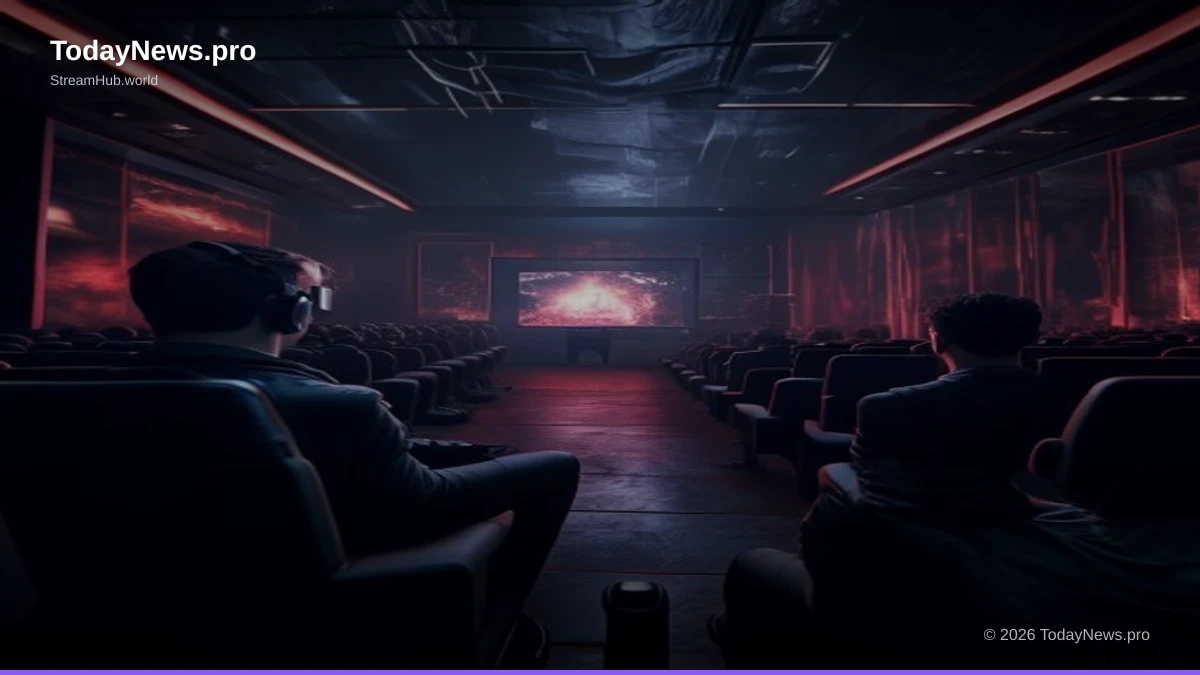
For over a century, cinema has been a predominantly passive experience. Audiences have gathered in darkened rooms, gazing at a flat screen, absorbing stories projected before them. While this traditional format has gifted us countless masterpieces and cultural touchstones, a new paradigm is emerging, one that invites viewers not just to watch, but to *be* within the narrative. Immersive cinema, powered by advancements in augmented reality (AR) and virtual reality (VR), is breaking down the fourth wall, dissolving the boundaries between the observer and the observed, and offering an unprecedented level of engagement. Imagine stepping into a historical drama, not just witnessing the battle, but feeling the ground tremble and hearing the cacophony of war from within the ranks. Or consider a psychological thriller where the unsettling atmosphere permeates your personal space, with every creak of a floorboard and whispered dialogue delivered directly to your ears. This is the promise of immersive cinema: to transcend the limitations of conventional filmmaking and transport audiences directly into the heart of a story.The Evolution of Cinematic Immersion
The journey towards immersive storytelling has been a gradual one. Early attempts at "3D movies" in the mid-20th century offered a rudimentary sense of depth but relied on simplistic visual tricks. The IMAX format, with its larger screens and enhanced audio, provided a more encompassing visual experience, but still kept the viewer firmly outside the frame. The advent of digital technology and, crucially, the development of accessible AR and VR headsets, have finally unlocked the true potential for deep immersion. These technologies allow for 360-degree visuals, spatial audio, and even haptic feedback, creating a multisensory experience that engages viewers on a profound level.90%
of VR users report a heightened sense of presence in immersive environments.
75%
of AR users find it more engaging than traditional media consumption.
8 hours
average weekly time spent in VR for dedicated users.
Sensory Engagement: The Key to Believability
The effectiveness of immersive storytelling hinges on its ability to stimulate multiple senses. Visual fidelity is paramount, with high-resolution displays and realistic rendering creating believable worlds. However, it's the integration of spatial audio – sound that originates from specific directions and distances – that truly anchors the viewer in the virtual environment. Haptic feedback, through specialized gloves or suits, can simulate touch, adding another layer of realism, whether it's the gentle brush of a character's hand or the impact of an explosion. This holistic sensory engagement is what differentiates immersive experiences from passive viewing.AR and VR: The Technological Pillars of Immersion
At the core of immersive storytelling lie two revolutionary technologies: Augmented Reality (AR) and Virtual Reality (VR). While often discussed in tandem, they offer distinct pathways to altering our perception of reality and engaging with narratives."AR overlays the digital onto the real, blurring the lines of what is tangible. VR, conversely, creates entirely new realities, offering escape and profound presence. Both are essential tools for the future of storytelling."
— Dr. Anya Sharma, Lead Researcher, Immersive Technologies Lab
Virtual Reality (VR): The Gateway to Other Worlds
Virtual Reality immerses users in a completely fabricated digital environment, typically experienced through a VR headset that blocks out the physical world. This isolation allows for a total departure from reality, enabling narratives to unfold in any conceivable setting. From the depths of the ocean to the surface of Mars, VR can transport audiences anywhere. The sense of "presence" – the subjective feeling of being in a location other than one's physical surroundings – is a hallmark of VR and a critical component of its storytelling power. The hardware for VR is becoming increasingly sophisticated and accessible. Headsets like the Meta Quest line, PlayStation VR, and high-end PC VR systems offer varying degrees of fidelity and immersion. Beyond the headset, controllers with positional tracking and haptic feedback allow for natural interaction with virtual objects and environments, further deepening the sense of embodiment within the narrative.Augmented Reality (AR): Enhancing Our Existing Reality
Augmented Reality, on the other hand, overlays digital information and imagery onto the real world, typically viewed through smartphones, tablets, or AR glasses. This means a narrative can unfold within your living room, a historical reenactment can appear on your street, or virtual characters can interact with your physical environment. AR's strength lies in its ability to integrate seamlessly with our everyday lives, making storytelling more contextual and often more personal. The Pokémon GO phenomenon demonstrated the mass appeal of AR, showing how digital characters and narratives could be woven into the fabric of our daily routines. As AR glasses become more refined and widespread, the potential for sophisticated AR storytelling – from interactive museum exhibits to location-based narrative games – will only grow.The Convergence of AR and VR
While distinct, AR and VR are increasingly converging. Technologies like mixed reality (MR) aim to blend the physical and digital worlds more fluidly, allowing virtual objects to interact with and be influenced by real-world elements. This convergence promises even more sophisticated storytelling possibilities, where the user can seamlessly transition between fully immersive VR experiences and reality-enhanced AR scenarios within a single narrative arc.Interactive Narratives: Shifting from Spectator to Participant
The most significant departure from traditional cinema that immersive technologies facilitate is the transition from passive viewership to active participation. Interactive storytelling empowers audiences to influence the narrative's direction, character development, and ultimate outcome, transforming them from mere observers into co-creators of the story.Branching Narratives and Player Agency
In interactive narratives, the viewer's choices matter. Unlike a linear film, where the plot unfolds in a predetermined sequence, interactive stories present multiple paths and outcomes. This is often achieved through branching narratives, where specific decisions lead to different scenes, dialogues, or plot developments. The level of agency can vary, from simple dialogue choices to complex environmental interactions that alter the course of events. This approach borrows heavily from the world of video games but is being adapted for more cinematic and narrative-focused experiences. Games like "Detroit: Become Human" or "Until Dawn" have already showcased sophisticated branching narrative structures, allowing players to shape the fates of characters and experience vastly different story arcs based on their decisions. The challenge for immersive storytelling is to maintain narrative coherence and emotional resonance while offering meaningful player choice.Embodied Interaction and Environmental Storytelling
Beyond explicit choices, interaction in immersive environments can be more subtle and embodied. In VR, a character might react to the user's gaze, a specific gesture, or even their proximity. The environment itself can become a narrative tool, with objects, clues, and ambient details revealing backstory and character motivations without explicit exposition. This form of environmental storytelling encourages exploration and deduction, fostering a deeper connection with the narrative world. Consider a detective story in VR where finding a hidden diary or observing the wear and tear on a piece of furniture provides crucial narrative insight. This type of subtle, emergent storytelling requires a different kind of design and authoring process, one that anticipates player actions and crafts responsive environments.Audience Preference for Narrative Engagement Styles
The Blurring Lines Between Film and Games
The rise of interactive storytelling in AR/VR is fundamentally blurring the lines between traditional cinema and interactive gaming. Filmmakers are increasingly incorporating game design principles, while game developers are prioritizing cinematic narrative and emotional depth. This convergence opens up new creative avenues, allowing for experiences that offer the emotional impact and artistic vision of film with the agency and replayability of games.Personalized Storytelling: Tailoring Experiences to the Individual
One of the most exciting frontiers of immersive storytelling is its capacity for personalization. In an era where audiences are accustomed to tailored recommendations and customized content, immersive experiences can go a step further, adapting narratives in real-time to suit individual preferences, emotional states, and even physiological responses.Dynamic Narrative Adaptation
Imagine a story that subtly alters its tone, pacing, or even plot points based on your reactions. Through biometric sensors or analysis of user behavior within the immersive environment, narratives can become dynamic. If a viewer appears bored, the story might introduce a new element or accelerate the plot. If they seem distressed, it might offer a moment of respite or a more comforting narrative branch. This level of personalization requires sophisticated AI and algorithmic storytelling engines. These systems can analyze vast amounts of data about the user's engagement and preferences to dynamically craft a story that is uniquely suited to them. This moves beyond simple branching narratives to a truly bespoke storytelling experience.Customizable Characters and Worlds
Personalization can also extend to the characters and worlds within an immersive narrative. Users might be able to customize their avatar, influencing how characters perceive and interact with them. They might also be able to select preferred genres, themes, or even the emotional palette of the story they wish to experience. For example, a historical VR experience could allow users to choose their role within the narrative – a soldier, a civilian, or even a historical figure – and the story would adapt accordingly. Similarly, a fantasy adventure could allow users to define their character's skills and motivations, shaping their journey and the challenges they face."The future of storytelling isn't just about immersion, it's about resonance. When a story truly understands and responds to the individual, it creates an unforgettable connection."
— Mark Chen, Creative Director, Lumina Studios
Data-Driven Storytelling and Ethical Considerations
The ability to personalize narratives relies heavily on user data. While this offers immense creative potential, it also raises significant ethical questions. Transparency regarding data collection and usage is paramount. Users must have control over their data and understand how it influences their experience. The potential for manipulation or the creation of echo chambers within personalized narratives also needs careful consideration and proactive mitigation strategies.Challenges and Opportunities in the Immersive Landscape
Despite its immense promise, the widespread adoption of immersive storytelling faces several hurdles, but each challenge also presents a significant opportunity for innovation and growth.Hardware Accessibility and Cost
High-quality VR and AR hardware can still be prohibitively expensive for many consumers. While prices are decreasing, making immersive technology as accessible as smartphones or gaming consoles remains a key objective. This presents an opportunity for manufacturers to develop more affordable, user-friendly devices and for content creators to design experiences that can scale across a range of hardware capabilities.Content Creation and Authoring Tools
Creating compelling immersive content is a complex and resource-intensive process. Specialized skills in 3D modeling, animation, programming, and spatial audio design are required. The development of intuitive and powerful authoring tools that democratize content creation is crucial for the ecosystem to flourish. Companies that can provide accessible platforms for creators will find significant market opportunities.User Comfort and Motion Sickness
Motion sickness remains a significant barrier for some users, particularly in VR. Developers are continually working on techniques to mitigate this, such as optimizing frame rates, providing stable reference points, and offering comfortable locomotion options. Continued research into human-computer interaction and perceptual psychology will be vital in overcoming these limitations and expanding the audience for immersive experiences.Monetization Models
Establishing sustainable monetization models for immersive content is an ongoing challenge. While traditional models like ticket sales or subscriptions can be adapted, new approaches such as in-experience purchases, interactive advertising, and personalized content tiers are being explored. The success of these models will depend on delivering genuine value and respecting the user experience.| Year | AR Content | VR Content | Total Immersive Content |
|---|---|---|---|
| 2023 | 15.5 | 20.1 | 35.6 |
| 2025 | 35.2 | 45.8 | 81.0 |
| 2027 | 70.1 | 90.5 | 160.6 |
The Rise of the Immersive Storyteller
The demand for skilled immersive storytellers is rapidly increasing. This creates opportunities for artists, designers, writers, and technologists to forge new career paths. Educational institutions and online platforms are beginning to offer training in these specialized fields, nurturing the next generation of immersive content creators.The Future of Filmmaking and Entertainment Industries
The impact of immersive storytelling on the broader entertainment industries will be profound and multifaceted. It's not simply an evolution of existing formats; it's a fundamental reimagining of how stories are conceived, produced, and consumed.A New Era of Production Techniques
Filmmakers are beginning to explore new production methodologies tailored for immersive platforms. This includes utilizing volumetric capture, 360-degree cameras, and real-time rendering engines. The traditional linear scriptwriting process is being augmented with interactive design principles, requiring collaboration between directors, writers, game designers, and UX specialists. The role of the director is evolving to become more of an experience architect, guiding not just visual composition but also the user's journey and agency within the narrative. The post-production process is also being transformed, with greater emphasis on spatial audio mixing and interactive element integration.Cross-Platform Experiences and Transmedia Storytelling
The most successful immersive narratives will likely exist across multiple platforms, creating a cohesive transmedia experience. A VR film might be complemented by an AR mobile app that offers supplementary lore, or an interactive game that allows users to explore the story's universe further. This interconnectedness fosters deeper engagement and builds a more robust narrative ecosystem. Companies that can successfully manage and integrate content across these diverse platforms will gain a significant competitive advantage. The challenge lies in ensuring consistency in tone, character, and narrative while leveraging the unique strengths of each medium.The Democratization of Storytelling
As authoring tools become more accessible, immersive storytelling has the potential to be democratized. Independent creators and small studios can now produce experiences that were once only feasible for large production houses. This will lead to a wider diversity of voices and perspectives entering the immersive landscape, enriching the storytelling ecosystem with unique and innovative content. This shift echoes the early days of independent filmmaking and could foster a vibrant new wave of creative expression.Disruption of Traditional Distribution Models
Immersive content will necessitate new distribution channels. While VR arcades and dedicated VR platforms are emerging, the long-term goal is seamless integration into mainstream entertainment consumption. This might involve dedicated sections within existing streaming services, new app stores, or even integrated experiences within smart home devices and future AR wearables. The traditional cinema model as we know it may undergo a significant transformation.Ethical Considerations and Societal Impact
As immersive storytelling becomes more sophisticated and pervasive, it brings with it a host of ethical considerations and potential societal impacts that demand careful examination and proactive management.The Nature of Reality and Perception
With highly realistic VR and AR, the line between the digital and the real can become blurred. This raises questions about how prolonged immersion might affect our perception of reality, our social interactions, and our cognitive processes. It's crucial for creators and researchers to understand these potential impacts and to develop guidelines for responsible use.Privacy and Data Security
As mentioned earlier, personalized immersive experiences rely heavily on data. The collection, storage, and use of personal data within these highly intimate environments raise significant privacy concerns. Robust data protection measures, transparent consent mechanisms, and strict regulations will be essential to build trust and ensure user safety.2030
estimated year for mainstream AR adoption in daily life.
50+
major film studios investing in VR/AR content development.
70%
increase in user engagement for brands using AR marketing.
Digital Addiction and Escapism
The allure of immersive worlds could exacerbate issues of digital addiction and unhealthy escapism. While these technologies can offer therapeutic benefits and provide valuable experiences, it's important to ensure they complement, rather than replace, real-world engagement and social connections. Promoting healthy usage patterns and providing support for those struggling with addiction will be vital.Representation and Inclusivity
Immersive storytelling offers a powerful opportunity to foster empathy and understanding through diverse representation. However, it also carries the risk of perpetuating existing biases or creating new ones if not handled with care. Ensuring inclusivity in character design, narrative themes, and the development teams themselves is paramount to creating a truly equitable and representative immersive future. The ability to step into another's shoes, literally, can be a powerful tool for social good if wielded responsibly.The Role of Regulation and Ethical Frameworks
As this technology matures, there will be an increasing need for ethical frameworks and potentially regulatory guidelines. This could involve standards for user safety, data privacy, content moderation, and ethical AI development within immersive environments. Collaboration between industry stakeholders, policymakers, and ethicists will be crucial in shaping a responsible and beneficial future for immersive storytelling.What is immersive storytelling?
Immersive storytelling refers to narrative experiences that place the audience within the story's world, leveraging technologies like Virtual Reality (VR) and Augmented Reality (AR) to create a sense of presence and active engagement, moving beyond passive observation.
How does AR differ from VR in storytelling?
AR overlays digital elements onto the real world, enhancing our existing reality, while VR completely replaces the user's physical environment with a digital one, offering a full immersion into a new world.
What are the main challenges for immersive storytelling adoption?
Key challenges include the cost and accessibility of hardware, the complexity of content creation, issues of user comfort (like motion sickness), and the development of effective monetization models.
Can immersive stories be personalized?
Yes, immersive stories can be highly personalized. They can adapt in real-time based on user behavior, preferences, and even biometric data, offering dynamic narratives and customizable elements.
What is the future outlook for immersive entertainment?
The future outlook is very strong, with projections indicating significant market growth. Immersive storytelling is expected to redefine cinema, gaming, and various forms of interactive entertainment, leading to new production techniques and distribution models.