

 Robert Stark
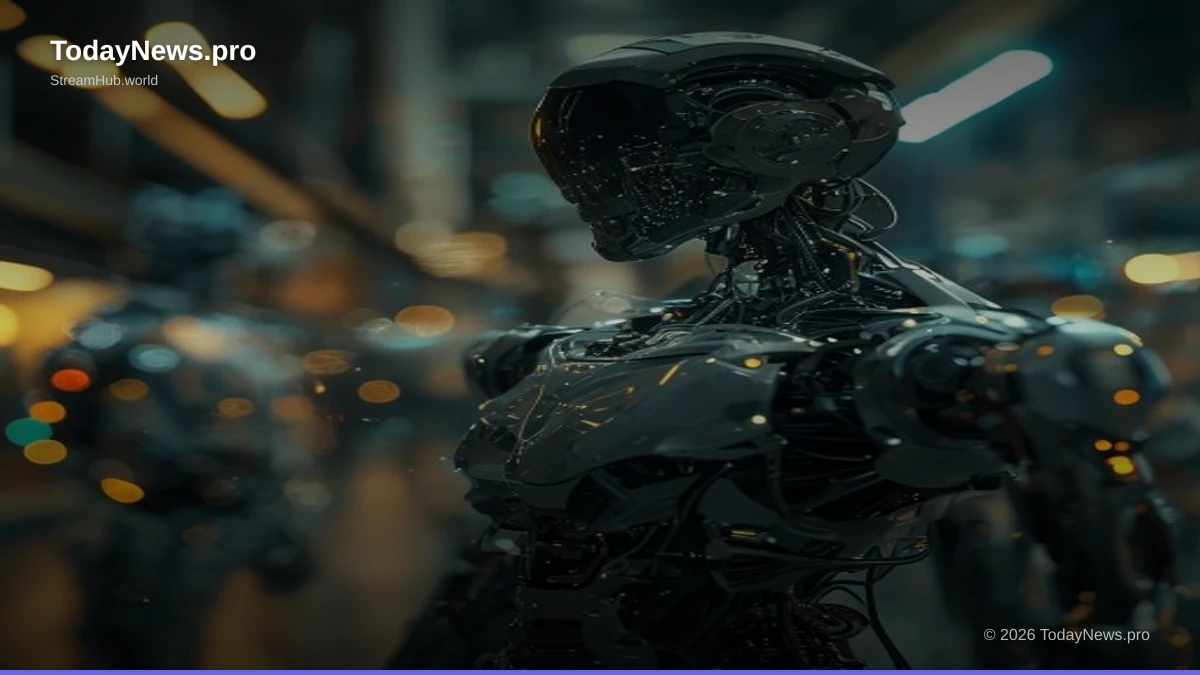
By 2030, the global market for robotics and artificial intelligence is projected to reach a staggering $500 billion, signaling a profound integration of advanced automation into the fabric of our daily lives.
The Dawn of Ubiquitous Automation
The narrative of intelligent machines assisting humanity has long been a staple of science fiction. However, what was once confined to speculative novels and cinematic visions is rapidly crystallizing into tangible reality. The coming decade, particularly the period leading up to 2030, will witness an unprecedented surge in the deployment of humanoid robots and sophisticated autonomous systems. This isn't merely an incremental technological advancement; it represents a fundamental paradigm shift in how we work, live, and interact with our environment. From domestic chores to complex industrial processes, the 'Rise of the Machines 2.0' is upon us, promising both immense opportunities and significant challenges.
This evolution is driven by a confluence of factors: exponential growth in computing power, breakthroughs in artificial intelligence and machine learning, advancements in sensor technology, and a relentless push for efficiency and innovation across industries. The groundwork laid over the past few decades has created an ecosystem ripe for widespread adoption. Companies are no longer just experimenting with these technologies; they are investing heavily in their development and deployment, recognizing their potential to redefine productivity, enhance safety, and create entirely new service sectors.
The implications extend far beyond mere convenience. The integration of these advanced systems is poised to reshape labor markets, redefine personal autonomy, and challenge our very understanding of human-machine collaboration. As we stand on the precipice of this automated future, a comprehensive understanding of the trends, capabilities, and societal impacts is paramount.
Humanoid Robots: From Sci-Fi to Service
Humanoid robots, characterized by their human-like form and the potential for versatile interaction, are transitioning from the factory floor to more public-facing and domestic roles. Early iterations focused on industrial tasks, but advancements in dexterity, mobility, and natural language processing are enabling them to perform a much wider array of functions.
The development of sophisticated actuators, advanced materials, and intuitive control systems has allowed humanoid robots to achieve a level of dexterity previously unimaginable. They can now perform delicate tasks, navigate complex environments, and even exhibit rudimentary forms of social interaction. This progress is largely fueled by breakthroughs in AI, enabling them to learn, adapt, and respond to their surroundings in real-time.
By 2030, we can expect to see humanoid robots serving as companions for the elderly, assistants in retail environments, and even providing specialized care in healthcare settings. Their ability to understand and respond to verbal commands, combined with their physical capabilities, makes them ideal candidates for roles requiring human-like interaction and manipulation.
The Evolution of Dexterity and Mobility
The uncanny valley is shrinking. Today's advanced humanoid robots boast articulated limbs capable of fine motor skills, essential for tasks ranging from picking up delicate objects to performing intricate assembly work. Their balance and locomotion have improved dramatically, allowing them to navigate uneven terrain and stairs with increasing confidence. This enhanced physical capability is crucial for their deployment in environments not specifically designed for robots.
Consider the implications for elderly care. A humanoid robot could assist with daily tasks like fetching medication, preparing simple meals, or even providing physical support during transfers, thereby enhancing the independence and quality of life for seniors. Similarly, in retail, they could guide customers, restock shelves, or process transactions, freeing up human staff for more complex customer service interactions.
Learning and Interaction: The AI Backbone
The true power of humanoid robots lies in their artificial intelligence. Machine learning algorithms are enabling them to learn from experience, adapt their behavior, and improve their performance over time. Natural Language Processing (NLP) allows for more intuitive communication, moving beyond simple command-response to more nuanced dialogue. This means robots will not only understand what we say but also the context and intent behind our words.
The ability to engage in natural conversation is key to their integration into social settings. Imagine a robot tutor that can explain complex subjects in a way that resonates with a student, or a robot therapist providing preliminary support and listening, escalating to human professionals when necessary. This enhanced interaction capability is what differentiates 'Rise of the Machines 2.0' from the more utilitarian robots of the past.
Autonomous Systems: Navigating Our Cities and Homes
Beyond the humanoid form, a diverse array of autonomous systems will permeate our lives. These include self-driving vehicles, delivery drones, sophisticated cleaning robots, and intelligent home assistants that orchestrate our living spaces.
Autonomous vehicles (AVs) are arguably the most visible manifestation of this trend. While full Level 5 autonomy (complete automation in all conditions) may still be some years away for widespread personal ownership, significant advancements in Level 4 autonomy (automation within defined operational domains) will see AVs become common in ride-sharing fleets, logistics, and public transportation by 2030. This promises to revolutionize urban mobility, reduce traffic congestion, and enhance road safety.
Delivery drones and robots are already making inroads, and by 2030, they will be a ubiquitous sight, delivering everything from groceries and packages to medical supplies. In our homes, smart assistants will evolve beyond simple voice commands to proactively manage our schedules, optimize energy consumption, and even monitor our health, creating truly intelligent living environments.
The Autonomous Mobility Revolution
The impact of autonomous vehicles on transportation infrastructure and daily commutes will be profound. Companies are heavily investing in developing and testing AV technology, with pilot programs already underway in numerous cities worldwide. By 2030, expect to see autonomous taxis and delivery vans operating on designated routes, significantly altering the logistics landscape and offering new mobility solutions for urban dwellers.
Beyond personal vehicles, autonomous systems will transform public transport. Self-driving buses and shuttles could provide efficient, on-demand services, connecting communities and reducing reliance on traditional, less flexible public transit models. The data generated by these vehicles will also be invaluable for urban planning and traffic management.
For more information on the development of autonomous vehicles, see Wikipedia's entry on autonomous cars.
Smart Homes and Intelligent Environments
Our homes are becoming increasingly intelligent, and by 2030, the integration of autonomous systems will be seamless. Smart assistants will move beyond playing music or setting timers to actively managing household functions. They will learn our preferences, anticipate our needs, and optimize energy usage. Imagine a home that adjusts its temperature based on your arrival time, orders groceries when supplies run low, or even alerts you to potential maintenance issues before they become serious.
This interconnectedness extends to security and health monitoring. Autonomous systems can provide continuous surveillance, detect anomalies, and even offer basic health checks, providing peace of mind and a potential lifeline in emergencies. The concept of a "smart home" will evolve into an "intelligent living environment," designed for comfort, efficiency, and well-being.
The Economic and Employment Landscape Shift
The widespread adoption of humanoid robots and autonomous systems will inevitably lead to significant shifts in the global economy and labor market. While fears of mass unemployment are common, a more nuanced perspective suggests a transformation of work rather than its eradication.
Automation is poised to displace jobs in sectors involving repetitive, manual, or predictable tasks. This includes manufacturing, transportation, customer service, and data entry. However, it will also create new jobs in areas such as robot maintenance, AI development and oversight, data analysis, and the design of human-robot interaction systems. The challenge lies in managing this transition and ensuring that the workforce is equipped with the skills needed for the jobs of the future.
The economic benefits could be substantial, with increased productivity, reduced operational costs, and the creation of entirely new industries. However, the distribution of these benefits and the potential for increased economic inequality are critical considerations that policymakers must address.
Job Displacement and Creation
The impact on employment is a complex and hotly debated topic. While some roles will undoubtedly become obsolete, new ones will emerge. The key will be adaptability and reskilling. For instance, a truck driver might transition into managing a fleet of autonomous vehicles, or a factory worker could become a robot technician. The demand for creativity, critical thinking, and emotional intelligence—skills that are currently difficult to automate—is likely to increase.
The World Economic Forum's "Future of Jobs Report" consistently highlights the accelerating pace of automation and the need for continuous learning. By 2030, the skills landscape will look considerably different, with a premium placed on digital literacy, problem-solving, and collaborative abilities.
For more insights, consult the Reuters coverage on automation and the future of jobs.
Productivity Gains and Economic Growth
The potential for enhanced productivity is immense. Autonomous systems can operate 24/7 without fatigue, perform tasks with greater precision, and reduce errors. This can lead to significant cost savings for businesses and an overall increase in economic output. Imagine a logistics network operating at peak efficiency, or a manufacturing plant running with minimal downtime.
Furthermore, the development and deployment of these advanced technologies will spur innovation and create new markets. The demand for AI specialists, robotics engineers, and cybersecurity experts will continue to grow, fueling economic expansion in these high-growth sectors. The challenge will be to ensure that these gains are shared broadly and do not exacerbate existing inequalities.
| Sector | Jobs Potentially Displaced | Jobs Potentially Created | Net Impact (Approx.) |
|---|---|---|---|
| Manufacturing | 15-20% | 5-10% | Negative |
| Transportation & Logistics | 20-25% | 8-12% | Negative |
| Retail & Customer Service | 10-15% | 7-11% | Mixed |
| Healthcare & Social Work | 5-8% | 10-15% | Positive |
| Technology & Engineering | 2-5% | 20-30% | Strongly Positive |
Ethical Considerations and Societal Integration
As robots and autonomous systems become more integrated into our lives, a host of ethical questions arise. These range from issues of privacy and data security to algorithmic bias, accountability, and the very definition of consciousness and rights.
The pervasive nature of smart devices and AI assistants raises significant privacy concerns. The vast amounts of data collected about our habits, preferences, and even our health must be protected. Robust regulations and ethical frameworks are needed to prevent misuse and ensure data security. Furthermore, algorithmic bias, where AI systems inadvertently perpetuate existing societal prejudices, must be actively identified and mitigated.
Accountability in the event of an accident or error involving an autonomous system is another critical area. Who is liable: the owner, the manufacturer, the programmer? Clear legal and ethical guidelines are essential to address these complex scenarios. The societal integration of these technologies also requires careful consideration of their impact on human relationships and social structures.
Privacy, Security, and Algorithmic Bias
The interconnectedness of autonomous systems creates a vast network of potential vulnerabilities. Hackers could exploit these systems for malicious purposes, from disrupting critical infrastructure to accessing sensitive personal information. Ensuring robust cybersecurity measures is paramount. Simultaneously, the ethical implications of data collection and usage must be addressed. Transparency about what data is collected, how it's used, and who has access to it is crucial for building public trust.
Algorithmic bias is a subtle yet pervasive issue. If the data used to train AI systems reflects historical inequalities, the AI will likely perpetuate those inequalities. This can lead to discriminatory outcomes in areas like hiring, loan applications, and even criminal justice. Developing fair and unbiased AI requires diverse datasets and rigorous testing.
Accountability and Human-Machine Interaction
The question of accountability becomes particularly complex when autonomous systems make decisions that have consequences. For instance, if a self-driving car is involved in an accident, determining fault—whether it lies with the software, the hardware, the owner, or even the regulatory framework—is a significant legal and ethical challenge. Establishing clear lines of responsibility is vital for public acceptance and trust.
Moreover, the long-term impact on human interaction and social connection needs careful consideration. While robots can offer assistance and companionship, it's important to ensure they augment, rather than replace, genuine human relationships. The societal integration must foster a balance between technological advancement and human well-being.
The Future is Now: Real-World Implementations by 2030
The transition from laboratory prototypes to widespread deployment is accelerating. By 2030, the presence of advanced robots and autonomous systems will be far more noticeable and integrated into the daily routines of many.
In logistics and warehousing, fully automated facilities will be commonplace, with robots handling sorting, packing, and retrieval. In healthcare, robotic surgery will become more sophisticated and accessible, while humanoid robots will assist with patient care and administrative tasks. Retail will see a blend of autonomous checkout systems, robotic inventory management, and AI-powered customer service bots.
Even in our homes, the shift will be palpable. Beyond smart speakers, we'll see more advanced domestic robots capable of cleaning, cooking, and providing assistance to the elderly and disabled. The "smart home" will evolve into a truly "intelligent environment," orchestrated by AI and responsive to its occupants' needs.
Healthcare: Enhanced Care and Efficiency
The healthcare sector is poised for a significant transformation. Robotic surgery systems are already enabling minimally invasive procedures with greater precision. By 2030, these systems will be more advanced, potentially allowing for remote surgeries and improved patient outcomes. Humanoid robots are also being developed to assist nurses with tasks like taking vital signs, delivering medications, and providing companionship to patients, thereby alleviating the strain on healthcare professionals.
Furthermore, AI-powered diagnostics and personalized treatment plans will become more prevalent, improving the accuracy and efficiency of medical interventions. The integration of these technologies promises to make healthcare more accessible, affordable, and effective.
Retail and Hospitality: Streamlined Operations and Customer Experience
The retail landscape will be reshaped by autonomous systems. Self-checkout kiosks will become standard, and in some instances, entirely cashier-less stores will emerge, relying on AI and sensors to track purchases. Robotic systems will manage inventory, restock shelves, and even handle deliveries. For customers, this could mean faster service and more personalized recommendations driven by AI.
In the hospitality sector, robots are already being used for tasks like room service delivery and cleaning. By 2030, we can expect to see more sophisticated robotic concierges and service staff, enhancing efficiency and potentially offering a novel customer experience. AI-powered chatbots will handle customer inquiries and bookings, freeing up human staff for more complex interactions.
Domestic Life: Assistance and Convenience
The home will become a hub of autonomous activity. Robotic vacuum cleaners will be complemented by more advanced domestic robots capable of a wider range of chores. Imagine a robot that can fold laundry, prepare simple meals, or even assist with gardening. Smart home systems will become more proactive, learning your routines and anticipating your needs, from managing energy consumption to ensuring the security of your property.
For aging populations, these technologies offer a pathway to greater independence and safety. Robotic assistants can help with mobility, medication reminders, and social interaction, improving quality of life for seniors and their families. The integration of these systems into domestic life will redefine convenience and personal well-being.
Challenges and the Path Forward
Despite the immense potential, the widespread adoption of advanced robots and autonomous systems faces several hurdles. These include high development and implementation costs, the need for robust regulatory frameworks, public acceptance, and the ongoing challenge of ensuring equitable distribution of benefits.
The initial investment in acquiring and integrating these technologies can be substantial, posing a barrier for smaller businesses and individuals. Furthermore, the rapid pace of technological change outstrips the development of regulatory frameworks, leading to uncertainty and potential safety risks. Public perception and trust are also crucial; overcoming any lingering fears or skepticism about AI and robotics will be vital for successful integration.
Addressing these challenges requires a concerted effort from governments, industry, researchers, and the public. Collaborative approaches to regulation, investment in education and retraining programs, and open dialogue about the ethical implications are essential for navigating this transformative era successfully and ensuring that the 'Rise of the Machines 2.0' leads to a future that benefits all.