

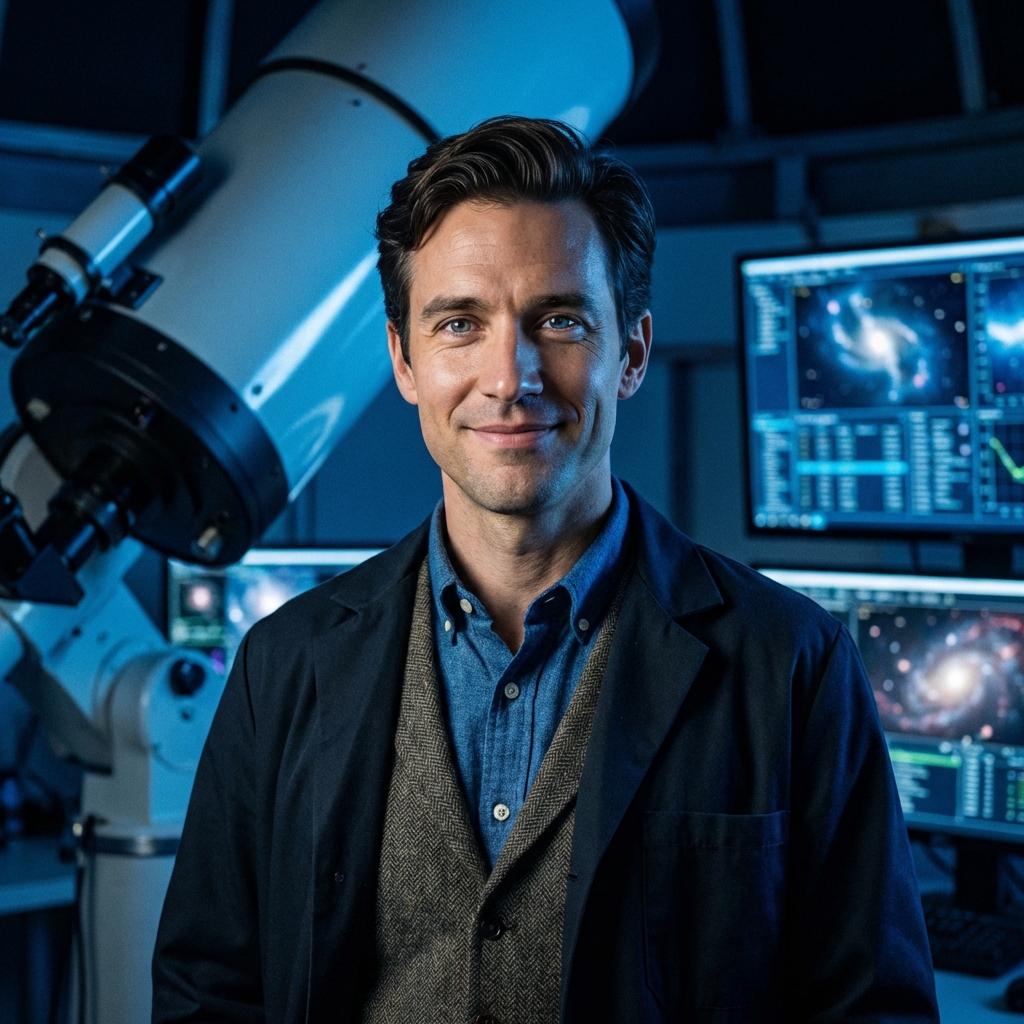
 Dr. Alan Grant

⏱ 25 min
The average human lifespan has more than doubled in the last century, a testament to advancements in medicine and public health. Yet, for many, this is just the beginning of an even grander quest: the deliberate extension of human life, perhaps indefinitely. This pursuit, once confined to myth and science fiction, is rapidly becoming a tangible area of scientific inquiry and technological development, raising profound questions about what it means to be human and the future of our species.
The Grand Dream: Pursuing Immortality
Humanity has long been captivated by the idea of living forever. Ancient myths are replete with tales of gods and heroes achieving immortality, from the Tree of Life in Mesopotamian lore to the elixirs of life sought by alchemists throughout history. This deep-seated desire stems from an innate aversion to death and a yearning to experience more of life’s wonders, to contribute more to society, and to overcome the limitations imposed by our finite existence. In the 21st century, this age-old dream is being approached not with magic potions, but with cutting-edge science. Researchers are no longer just treating age-related diseases; they are investigating the fundamental biological processes of aging itself, aiming to slow, halt, or even reverse them. This paradigm shift marks a departure from simply extending healthspan to actively pursuing lifespan extension.From Longevity to Immortality
The distinction between merely living longer and achieving true "immortality" is crucial. Longevity research primarily focuses on extending the period of healthy life, ensuring that as people age, they remain vigorous and free from chronic diseases. This is a widely accepted and pursued goal. Immortality, on the other hand, implies an indefinite lifespan, free from the biological inevitability of death. While the immediate focus remains on adding healthy years, the ultimate aspiration for some in the field is to break the biological ceiling entirely. This ambition drives the exploration of radical interventions that go beyond conventional medicine.The Economic and Personal Motivations
The motivations behind the pursuit of extended lifespans are multifaceted. Economically, individuals who remain productive and healthy for longer periods could contribute significantly to society and the economy. Personally, the desire to spend more time with loved ones, to witness future advancements, and to complete lifelong projects fuels this ambition. The potential for cumulative knowledge and experience, if preserved across centuries, could unlock unprecedented societal progress.Unraveling the Biology of Aging
Aging is not a single process but a complex tapestry of interconnected biological changes that accumulate over time, leading to increased vulnerability to disease and death. For decades, aging was considered an inevitable, passive decline. However, scientific research has revealed that aging is an active, regulated process, and understanding its molecular and cellular underpinnings is the key to intervention.The Hallmarks of Aging
Scientists have identified several key biological mechanisms, or "hallmarks," that drive the aging process. These include:- Genomic instability: Damage to DNA accumulates over time.
- Telomere attrition: Protective caps on chromosomes shorten with each cell division.
- Epigenetic alterations: Changes in gene expression patterns without altering the DNA sequence.
- Loss of proteostasis: The inability of cells to maintain protein balance.
- Deregulated nutrient sensing: Pathways that regulate metabolism become dysregulated.
- Mitochondrial dysfunction: The powerhouses of cells become less efficient.
- Cellular senescence: Cells stop dividing and enter a dormant state, releasing inflammatory signals.
- Stem cell exhaustion: The ability of stem cells to regenerate tissues declines.
- Altered intercellular communication: Cells communicate less effectively, leading to inflammation and tissue dysfunction.
Genetics and Longevity
The role of genetics in lifespan is undeniable. Studies of centenarians have revealed genetic predispositions that contribute to exceptional longevity. While our genes are not our destiny, understanding these genetic factors can provide clues about pathways that promote resilience against aging. Furthermore, research into the genes of long-lived species, such as certain whales and naked mole rats, offers valuable insights into biological mechanisms that confer extended lifespans.Cellular Senescence and Rejuvenation
Cellular senescence, a state where cells stop dividing, is a critical factor in aging. While it plays a protective role against cancer in younger individuals, senescent cells accumulate with age and contribute to chronic inflammation and tissue damage, a phenomenon known as "inflammaging." Strategies to clear these senescent cells, known as senolytics, are showing promising results in animal models, reducing age-related pathologies and improving healthspan. Rejuvenation therapies aim to reverse some of the cellular and molecular changes associated with aging, essentially turning back the biological clock.Current Frontiers in Life Extension
The scientific pursuit of extending human lifespan has moved from theoretical discussions to active research and early-stage interventions. Numerous approaches are being explored, ranging from pharmacological interventions and genetic therapies to advanced regenerative medicine and even artificial intelligence-driven drug discovery.Pharmacological Interventions
Several drugs are currently being investigated for their potential to extend lifespan. Metformin, a widely prescribed diabetes medication, has shown promise in animal studies by mimicking some effects of calorie restriction, a known longevity-promoting intervention. Rapamycin, an immunosuppressant, has also demonstrated lifespan-extending properties in various organisms by inhibiting a key cellular pathway involved in growth and metabolism. Resveratrol, a compound found in red wine, and NAD+ precursors, which boost cellular energy production, are also subjects of intense research.Gene Therapy and Epigenetic Reprogramming
Gene therapy holds immense potential for treating age-related diseases and potentially slowing aging. By correcting faulty genes or introducing beneficial ones, scientists aim to restore cellular function and resilience. Epigenetic reprogramming, inspired by the work of Shinya Yamanaka who discovered how to turn adult cells back into stem cells, is another exciting frontier. The idea is to reset the epigenetic clock within cells, reversing some age-related molecular damage and restoring youthful function without losing cell identity. Early research in this area is showing remarkable results in animal models.Regenerative Medicine and Stem Cells
Regenerative medicine focuses on repairing or replacing damaged tissues and organs. Stem cell therapies, which utilize the body's own regenerative capabilities, are a cornerstone of this field. By harvesting and transplanting stem cells, or by stimulating the body's existing stem cell populations, researchers aim to regenerate organs, repair injuries, and combat degenerative diseases. Advances in tissue engineering and 3D bioprinting also hold promise for creating functional organs that can be transplanted, overcoming the limitations of donor scarcity.Lifestyle Interventions and Personalized Medicine
While advanced technologies grab headlines, fundamental lifestyle interventions remain incredibly powerful. Calorie restriction, intermittent fasting, regular exercise, and a balanced diet are proven to impact healthspan and potentially lifespan. The future of life extension will likely involve a highly personalized approach, leveraging genetic information, microbiome analysis, and real-time health monitoring to tailor interventions to individual needs and biological profiles. Artificial intelligence is playing an increasingly vital role in analyzing vast datasets to identify optimal personalized strategies.The Ethical Minefield
The prospect of significantly extending human lifespan, let alone achieving biological immortality, raises a labyrinth of ethical, social, and philosophical questions that humanity must grapple with. The potential benefits are immense, but the risks and challenges are equally profound.Equity and Access
One of the most pressing ethical concerns is the potential for life-extension technologies to exacerbate existing social and economic inequalities. If these treatments are prohibitively expensive, they could become accessible only to the wealthy, creating a bifurcated society where the rich live for centuries while the poor continue to face natural lifespans. This raises fundamental questions about justice, fairness, and the very definition of human rights.70%
Of individuals surveyed believe life extension tech should be accessible to all.
45%
Fear life extension would widen the gap between rich and poor.
80%
Support government funding for longevity research.
The Definition of Life and Death
Extended lifespans challenge our traditional understanding of life stages and the natural cycle of birth, life, and death. What does it mean to grow old if aging can be reversed? How will societies cope with individuals who have lived for centuries, accumulating vast experience and potentially becoming resistant to change? The concept of a "natural death" might become obsolete, raising questions about the right to die and the potential for prolonging suffering.Religious and Philosophical Objections
Many religious and philosophical traditions view death as a natural and necessary part of the human experience, often with implications for the afterlife or spiritual evolution. The pursuit of radical life extension can be seen as an attempt to defy natural or divine order, leading to significant ethical debates within these frameworks. Philosophers will also debate the inherent value of a finite life versus an unending one, and whether the struggles and limitations of mortality are essential to the human condition and the appreciation of life.Resource Allocation and Sustainability
If a significant portion of the population lives for centuries, the strain on global resources – food, water, energy, housing – would be astronomical. Questions of sustainability become paramount. How will we feed and house billions of people who do not die? This necessitates a radical reimagining of our economic systems, consumption patterns, and environmental policies."We are not just talking about living longer; we are talking about fundamentally altering the human condition. The ethical frameworks we have developed over millennia were designed for a world of finite lifespans. We need to urgently develop new ones." — Dr. Anya Sharma, Bioethicist, Global Ethics Institute
Societal Repercussions
The societal implications of widespread lifespan extension are vast and complex, touching upon every facet of human civilization, from economics and politics to culture and personal relationships.Economic Restructuring
The economic landscape would undergo a radical transformation. Retirement ages would likely need to be extended or abolished, as individuals remain economically active for much longer periods. This could lead to increased competition for jobs, but also to a massive accumulation of experience and expertise within the workforce. Pension systems and social security frameworks would require complete overhauls. The concept of wealth and inheritance might also change, with individuals accumulating wealth over centuries, potentially leading to unprecedented concentrations of power and capital.The Future of Work and Education
With lifespans stretching across multiple centuries, the traditional model of education – a period of learning followed by a lifetime of work – would become obsolete. Lifelong learning would become a necessity, with individuals needing to retrain and adapt to new careers and technologies multiple times throughout their extended lives. The value of experience would increase exponentially, but the challenge would be to ensure that older generations remain open to new ideas and innovations.Family Structures and Interpersonal Relationships
The nature of family and relationships would be profoundly affected. Imagine families with multiple living generations, each spanning centuries. This could lead to complex familial dynamics, shifts in caregiving responsibilities, and new forms of social connection. The experience of love, loss, and commitment would be tested as individuals potentially outlive multiple partners and generations of descendants. The concept of legacy and passing on values might also evolve.Projected Impact of Increased Lifespan on Workforce
Political and Governance Challenges
Governments would face unprecedented challenges in managing societies with vastly extended lifespans. Political systems might become entrenched, with older generations holding power for extended periods, potentially stifling innovation and progress. The concept of citizenship and voting rights might need to be re-evaluated. International relations could also be strained by the unequal distribution of lifespan-extending technologies and the potential for vast demographic imbalances.The Future is Now (or Soon)
The scientific race to extend human lifespan is accelerating, with breakthroughs occurring at an unprecedented pace. While biological immortality remains a distant, perhaps even unattainable, goal, significant extensions of healthy human life are becoming increasingly plausible.Key Players and Investment
The field of longevity research is attracting significant investment from venture capitalists, tech billionaires, and pharmaceutical companies. Organizations like the Methuselah Foundation, and companies like Altos Labs, backed by prominent figures, are pouring billions into research aimed at understanding and reversing aging. This influx of capital is fueling rapid progress in areas like cellular reprogramming and genetic therapies.| Research Area | Estimated Global Investment (2023-2028) | Key Focus |
|---|---|---|
| Cellular Rejuvenation | $15 Billion | Epigenetic reprogramming, senolytics |
| Genetic Therapies | $12 Billion | CRISPR-based interventions, gene editing |
| Metabolic Interventions | $10 Billion | NAD+ precursors, mTOR inhibitors |
| AI in Drug Discovery | $8 Billion | Accelerating identification of longevity compounds |
The Timeline: Realistic Expectations
While definitive predictions are difficult, many researchers believe that within the next few decades, we could see interventions that add 10-20 healthy years to the average human lifespan. The prospect of significantly exceeding 120 years, let alone achieving indefinite life, is still speculative. However, the ongoing progress suggests that the quest for extended life is no longer a theoretical exercise but a tangible scientific endeavor with potentially transformative outcomes within our lifetimes.The Human Element: Beyond Biology
Ultimately, the pursuit of extended lifespans is as much about philosophy and ethics as it is about biology and technology. It forces us to confront our deepest fears and desires, our place in the universe, and the meaning of a life well-lived. As we push the boundaries of what is biologically possible, we must also ensure that we are asking the right questions and building a future that is equitable, sustainable, and truly enhances the human experience for all."The science is moving at an astonishing speed. What was science fiction a decade ago is now in pre-clinical trials. The key challenge will not be technological, but societal and ethical: how do we integrate these advancements responsibly?" — Dr. Jian Li, Chief Scientist, Institute for Aging Research
Further Reading
- Reuters: Aging research accelerates, potential lifespan boost gains momentum
- Wikipedia: Longevity
- Nature: The science of aging is moving fast – what’s next?
What are the most promising current research areas for extending human lifespan?
The most promising areas include cellular rejuvenation (clearing senescent cells, epigenetic reprogramming), gene therapy, metabolic interventions (like NAD+ precursors), and AI-driven drug discovery. These approaches target the fundamental biological processes of aging.
Is immortality a realistic goal, or is it still science fiction?
While biological immortality (living indefinitely) is highly speculative and likely very far off, significantly extending healthy human lifespan (e.g., adding decades) is becoming increasingly plausible. Current research aims to slow or reverse aging processes, leading to longer healthspans and potentially lifespans well beyond current averages.
What are the main ethical concerns regarding life extension technologies?
Key ethical concerns include equitable access (preventing a divide between rich and poor), the definition of life and death, potential religious and philosophical objections, and the strain on global resources. There are also concerns about societal stagnation if older generations hold power for too long.
How might extended lifespans affect society and the economy?
Extended lifespans could lead to radical economic restructuring (abolishing traditional retirement, changing inheritance), a complete overhaul of education systems (lifelong learning), altered family structures, and significant political and governance challenges. Competition for resources and jobs could increase, while accumulated experience could also be a major asset.