

 Max Speed
The global esports market is projected to reach over $1.5 billion in revenue by 2023, a testament to the seismic shift transforming gaming from a niche pastime into a dominant cultural and economic force.
Gaming as a Lifestyle: The Unfolding Revolution
For decades, video games were largely confined to arcades, living rooms, and dedicated enthusiasts. The narrative often painted gamers as solitary figures, detached from mainstream society. However, a profound metamorphosis has occurred. Gaming has evolved into a legitimate lifestyle choice for millions worldwide, permeating social interactions, career aspirations, and even identity formation. This isn't just about playing games; it's about living them, breathing them, and building entire worlds and communities around them.
The ubiquity of high-speed internet, powerful mobile devices, and accessible gaming platforms has democratized access. What was once a luxury or a specialized hobby is now an integrated part of daily life for a diverse demographic, transcending age, gender, and socioeconomic boundaries. This broad appeal has fueled a demand for experiences that extend beyond the single-player campaign or casual multiplayer match, paving the way for professional play and vibrant digital communities.
This transformation is not merely about increased playtime; it signifies a fundamental redefinition of leisure, competition, and social connection. As the lines blur between casual players and dedicated fans, and between hobbyists and aspiring professionals, the concept of gaming as a lifestyle has solidified its place in the modern cultural lexicon.
The Ascent of Professional Play: From Hobby to High Stakes
The most visible manifestation of gaming's lifestyle elevation is the rise of professional esports. What began as informal tournaments in dimly lit arcades has exploded into a global phenomenon, complete with multimillion-dollar prize pools, stadium-filling events, and dedicated professional athletes. Games like League of Legends, Dota 2, Counter-Strike: Global Offensive, and Valorant have become the battlegrounds for fiercely competitive circuits, drawing millions of viewers online and in person.
Professional esports players, often referred to as esports athletes, dedicate countless hours to honing their skills, strategizing, and maintaining peak physical and mental condition. Their careers are not dissimilar to those of traditional athletes, involving rigorous training regimens, team dynamics, performance analysis, and intense pressure to perform on demand. The stakes are incredibly high, with top players earning substantial salaries, lucrative sponsorship deals, and prize money that can rival those in established sports.
The Evolution of Esports Tournaments
Early esports tournaments were often grassroots events, organized by enthusiasts with modest prize pools. The evolution has been staggering. Today, major tournaments are broadcast globally, attracting massive audiences through platforms like Twitch and YouTube. These events are meticulously produced, featuring professional commentators, analysts, and elaborate stage productions. The infrastructure surrounding esports, from team organizations and coaching staff to sports psychologists and legal advisors, mirrors that of traditional professional sports leagues.
The financial investment in esports has also surged. Venture capital firms, major corporations, and even traditional sports franchises have poured billions into acquiring teams, sponsoring events, and developing gaming infrastructure. This influx of capital has legitimized esports as a viable and profitable industry, further accelerating its growth and professionalization.
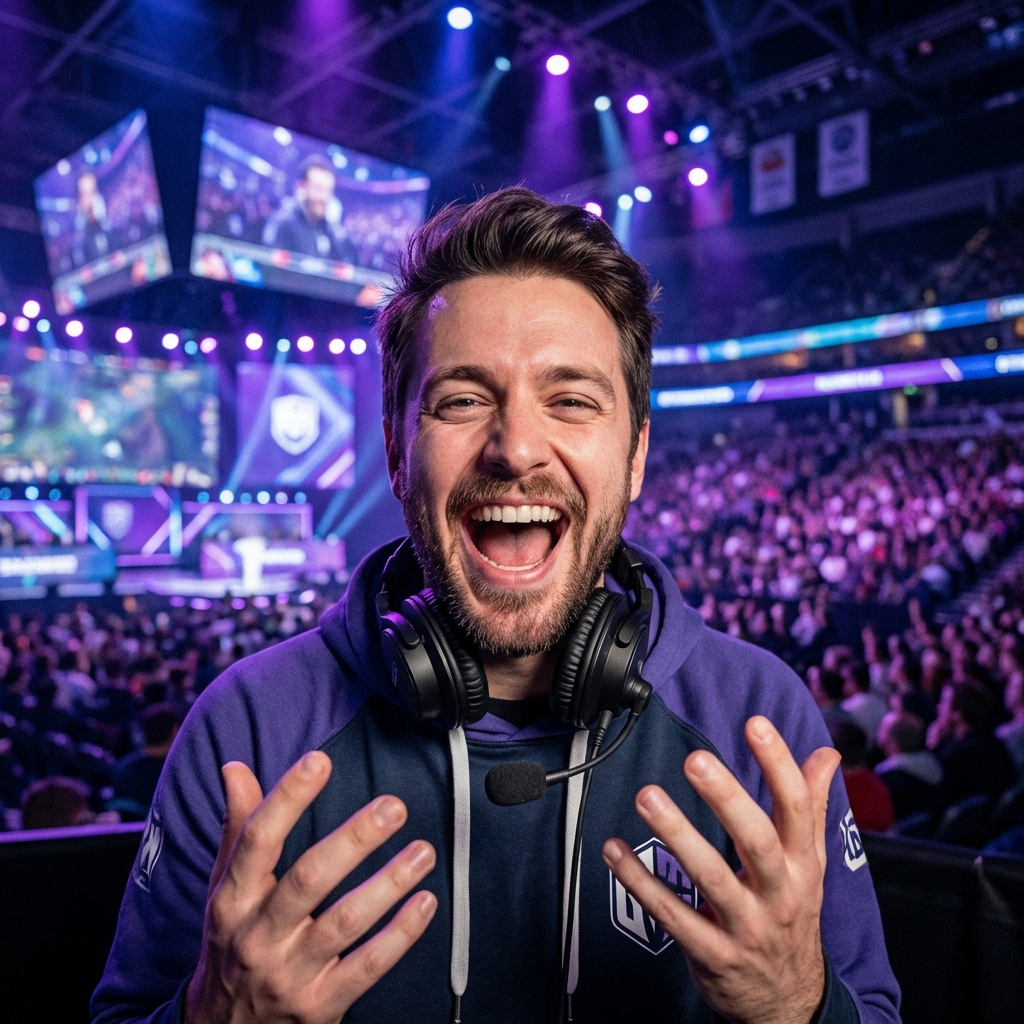
The spectator experience has also been revolutionized. Live esports events are now major spectacles, with fans gathering in arenas to cheer for their favorite teams and players. The energy and passion displayed by esports crowds are comparable to any major sporting event, underscoring the deep connection fans feel with the games and their professional exponents.
The Anatomy of an Esports Athlete: Dedication and Discipline
Becoming a professional esports player is far from a casual endeavor. It demands an extraordinary level of dedication, discipline, and strategic thinking. The stereotype of a gamer glued to a screen with poor habits is rapidly becoming an anachronism. Modern esports athletes are highly trained individuals who understand the multifaceted demands of their profession.
A typical professional esports player's day often begins with physical exercise to maintain stamina and focus. This is followed by extensive in-game practice, often in team scrimmages or solo queue to refine individual mechanics. Strategy sessions with coaches and analysts are crucial, dissecting opponent playstyles, refining team compositions, and developing new tactical approaches. Mental fortitude is paramount, as players must learn to cope with pressure, defeat, and the inherent volatility of competitive play.
Training Regimens and Skill Development
The training regimes vary significantly depending on the game genre. For tactical shooters like CS:GO, precision aiming, map knowledge, and team coordination are key. In MOBAs such as League of Legends or Dota 2, players must master complex hero abilities, intricate item builds, and macro-level strategic decisions. Real-time strategy games require intense multitasking and rapid decision-making.
Beyond in-game practice, many professional players also engage in off-game activities. This can include watching VODs (Video on Demand) of their own and their opponents' matches to identify weaknesses and strengths, studying game theory, and even practicing reaction times and hand-eye coordination through specialized software. The commitment to continuous improvement is a non-negotiable aspect of their careers.
The mental aspect of esports is often underestimated. Players must develop resilience to handle losses, manage performance anxiety, and maintain focus during long tournament days. Sports psychologists are increasingly becoming integral members of esports organizations, helping players develop coping mechanisms and optimize their mental performance. This holistic approach to training underscores the professionalization of esports athletes.
Digital Sanctuaries: The Power of Online Gaming Communities
Beyond the elite stratum of professional play, gaming's lifestyle impact is perhaps most deeply felt in the vibrant and diverse online communities that have sprung up around virtually every game. These digital spaces serve as hubs for social interaction, friendship, collaboration, and shared passion. For many, these communities are as crucial to their well-being as any offline social circle.
From the sprawling forums of Reddit dedicated to specific games, to the real-time voice chats in Discord servers, and the collaborative efforts in massively multiplayer online role-playing games (MMORPGs), players find connection, belonging, and a sense of shared identity. These communities offer a refuge, a place where individuals with common interests can converge, forge bonds, and experience a sense of camaraderie often amplified by the collaborative nature of many games.
Building Bonds Through Shared Experiences
The mechanics of many modern games are inherently social. Cooperative gameplay, competitive team-based modes, and persistent online worlds necessitate interaction. Players form guilds, alliances, and raiding parties, working together towards common goals. These shared objectives foster teamwork, communication, and mutual reliance, leading to strong and lasting friendships. The anonymity that can sometimes characterize online interactions is often mitigated by the deep engagement required to succeed within these game worlds.
The sense of belonging is particularly important for individuals who may struggle to find their niche in the offline world. Gaming communities can offer a welcoming environment where individuals are judged by their skills, contributions, and personality rather than superficial factors. This inclusivity has made gaming a vital social outlet for many, fostering a sense of acceptance and community that is deeply valued.
| Platform | Primary Function | Community Size (Millions) |
|---|---|---|
| Discord | Voice & Text Chat, Community Hubs | 150+ |
| Reddit (r/gaming and game-specific subreddits) | Discussion Forums, News, Memes | 50+ (across relevant subreddits) |
| Twitch | Live Streaming, Viewer Interaction | 140+ |
| MMORPG Guilds/Clans | In-Game Social Structures, Raiding, Events | Varies by game, often millions per popular title |
The influence of these communities extends beyond the game itself. Players organize real-world meetups, collaborate on fan projects, and even engage in charitable endeavors inspired by their shared passion. The digital connections forged within gaming often translate into meaningful real-world relationships, demonstrating the profound social impact of these online spaces.
Economic Currents: Monetization and the Gaming Economy
The burgeoning gaming lifestyle is inextricably linked to a powerful and evolving economic ecosystem. The ways in which games are developed, distributed, and monetized have profoundly shaped the industry and its cultural impact. This economic engine not only sustains the creation of new gaming experiences but also fuels the professional aspirations of players and the growth of related industries.
From the traditional purchase of physical game copies to the rise of free-to-play models, digital storefronts, in-game purchases, and subscription services, the revenue streams within gaming are diverse and dynamic. This economic landscape has allowed for greater accessibility while simultaneously creating new avenues for engagement and revenue generation, making gaming a significant sector of the global economy.
The Free-to-Play Revolution and In-Game Economies
The free-to-play (F2P) model has been a game-changer, dramatically lowering the barrier to entry for millions of players. Games like Fortnite, League of Legends, and Genshin Impact offer their core gameplay experience for free, generating revenue through optional in-game purchases such as cosmetic items, character skins, and battle passes. This model has democratized access to high-quality gaming experiences, allowing a much broader audience to participate.
These F2P models often foster complex in-game economies. Players can earn virtual currency through gameplay, which can then be used to purchase in-game items. Some games even feature player-driven marketplaces where virtual goods can be traded, sometimes for real-world money. This creates a fascinating dynamic where virtual assets can hold tangible economic value, blurring the lines between digital play and real-world commerce.
| Revenue Segment | 2022 Revenue (USD Billion) | Projected 2027 Revenue (USD Billion) |
|---|---|---|
| Mobile Gaming | 92.7 | 137.3 |
| Console Gaming | 53.6 | 68.5 |
| PC Gaming | 37.5 | 48.9 |
| Esports | 1.3 | 2.8 |
| Total Global Gaming Market | 184.1 | 256.8 |
The rise of microtransactions has, however, been a subject of considerable debate. Critics argue that some F2P games employ "pay-to-win" mechanics or predatory monetization strategies that exploit players. Ethical considerations and regulatory scrutiny are increasingly becoming part of the conversation surrounding gaming's economic models.
Beyond direct game sales and in-game purchases, the gaming economy encompasses a vast array of related industries: hardware manufacturing (consoles, PCs, peripherals), esports broadcasting and media, merchandise, streaming platforms, and even game development outsourcing. This interconnectedness creates a robust economic ecosystem that continues to grow and diversify.
The Evolving Landscape: Challenges and Future Frontiers
As gaming solidifies its position as a mainstream lifestyle, it faces a spectrum of evolving challenges and exciting future frontiers. The rapid pace of technological advancement, shifting player expectations, and increasing societal integration present both opportunities and hurdles that will shape the future of this dynamic industry.
One of the most significant challenges is ensuring accessibility and inclusivity. While gaming has become more diverse, there are still barriers to entry, including the cost of hardware, internet access, and representation within game development and esports. Addressing these issues is crucial for gaming to truly reflect the global population it serves.
Technological Advancements and Immersive Experiences
The relentless march of technology promises even more immersive and engaging gaming experiences. Virtual reality (VR) and augmented reality (AR) technologies are poised to redefine how we interact with digital worlds. VR headsets are becoming more affordable and sophisticated, offering unprecedented levels of immersion. AR, on the other hand, overlays digital elements onto the real world, creating unique gameplay possibilities.
Cloud gaming services are also expanding, allowing players to stream high-end games on less powerful devices, further democratizing access to demanding titles. The development of artificial intelligence (AI) is also set to play a significant role, leading to more sophisticated game mechanics, dynamic storytelling, and more responsive non-player characters (NPCs).
The integration of blockchain technology and NFTs (Non-Fungible Tokens) in gaming is another area of significant exploration, promising new models for ownership of in-game assets and player-driven economies. While still nascent and controversial, these technologies could fundamentally alter the relationship between players and digital content.
Addressing Toxicity and Promoting Well-being
Despite its many positive aspects, the gaming world is not without its darker sides. Toxicity, online harassment, and the potential for addiction remain significant concerns. The anonymity afforded by online platforms can sometimes embolden negative behavior, leading to hostile environments for many players. Developers and platform providers are increasingly investing in moderation tools and community management strategies to combat this issue.
Furthermore, the concept of "gaming addiction" or problematic gaming is a growing area of concern for mental health professionals. While for most, gaming is a healthy recreational activity, a subset of players can develop compulsive behaviors that negatively impact their lives. Promoting responsible gaming practices, providing resources for those struggling, and fostering a balanced approach to gaming are critical for the long-term health of the community.
The industry is also grappling with issues of diversity and inclusion. While progress has been made, a lack of representation for various gender identities, ethnicities, and abilities in both games and esports remains a challenge. Efforts to promote diverse voices in game development and create more inclusive gaming environments are ongoing and essential for the sustained growth and positive evolution of gaming as a lifestyle.
Beyond the Screen: The Broader Impact of Gaming Culture
The influence of gaming as a lifestyle extends far beyond the digital realm, shaping broader cultural trends, inspiring artistic endeavors, and even fostering educational opportunities. What was once a niche subculture has permeated mainstream consciousness, influencing fashion, music, film, and even how we learn and interact.
The aesthetics and narratives of video games are increasingly appearing in popular media. Game soundtracks are topping charts, game-inspired movies and TV shows are drawing massive audiences, and the visual language of gaming is influencing design across various industries. This cultural cross-pollination highlights the pervasive and influential nature of gaming.
Gaming as a Tool for Education and Skill Development
The educational potential of gaming is a rapidly expanding field. "Serious games" are designed specifically for learning, utilizing engaging gameplay mechanics to teach subjects ranging from history and science to complex professional skills. Games can foster critical thinking, problem-solving, strategic planning, and collaborative abilities in ways that traditional educational methods may not always achieve.
Even mainstream games can offer valuable learning experiences. MMORPGs, for instance, require players to manage resources, negotiate with others, and develop complex strategies. Puzzle games can enhance logical reasoning, and simulation games can provide insights into complex systems. The interactive nature of gaming makes it a powerful tool for engagement and knowledge retention.
Furthermore, the skills developed through competitive gaming, such as quick decision-making, teamwork, communication under pressure, and adaptability, are increasingly recognized as transferable to various professional fields. This recognition is helping to dismantle traditional stigmas associated with gaming, portraying it as a source of valuable life skills.
The Future of Play: A Permanent Lifestyle Integration
The trajectory of gaming clearly indicates its permanent integration into the fabric of modern life. As technology continues to advance and as more people embrace gaming as a primary form of entertainment and social interaction, its cultural and economic significance will only continue to grow. The definition of "lifestyle" has broadened to encompass digital engagement, and gaming is at the forefront of this evolution.
From the dedicated esports professional to the casual mobile gamer, and the dedicated community member, gaming offers diverse avenues for engagement and fulfillment. The challenges of toxicity and addiction are being actively addressed, and the potential for positive impact, including education and social connection, is immense. The future of gaming is not just about playing games; it's about how we live, connect, and grow in an increasingly digital world.