

 Dr. Alan Grant
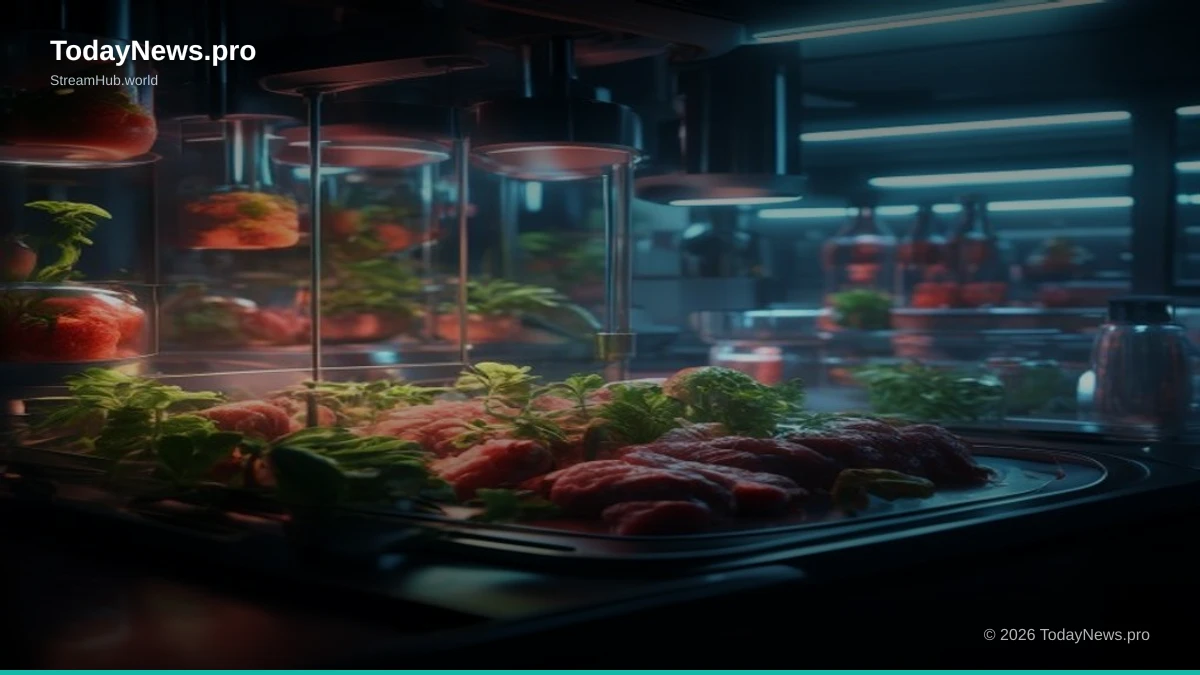
⏱ 20 min
The global population is projected to reach 9.7 billion by 2050, a staggering increase that will demand a 50-70% rise in food production. This stark statistic underscores the urgent need for transformative solutions in how we grow, process, and consume our food, pushing the boundaries of innovation in agriculture and food science.
The Looming Food Crisis and the Dawn of a New Era
Humanity stands at a critical juncture. Traditional agricultural methods, while foundational to civilization, are increasingly strained by a confluence of factors: a burgeoning global population, the escalating impacts of climate change, dwindling arable land and water resources, and the inherent environmental footprint of conventional livestock farming. The Intergovernmental Panel on Climate Change (IPCC) has repeatedly highlighted agriculture's significant contribution to greenhouse gas emissions, deforestation, and biodiversity loss. Furthermore, the ethical considerations surrounding animal welfare in industrial farming are gaining prominence, prompting a deeper societal introspection about our relationship with food. This complex landscape has catalyzed a surge of scientific endeavor aimed at redefining our food systems. Two of the most promising frontiers are the development of lab-grown (or cultured) meat and the widespread adoption of vertical farming. These innovations, rooted in advanced biotechnology and controlled-environment agriculture, represent a paradigm shift, moving food production from sprawling fields and feedlots into sophisticated laboratories and urban skyscrapers. They offer a tantalizing glimpse into a future where food security is enhanced, environmental impact is minimized, and nutritional quality is optimized. The promise extends beyond mere sustenance. These technologies have the potential to democratize access to nutritious food, reduce food miles and associated carbon emissions, and create new economic opportunities. However, the transition is not without its hurdles. Significant investment, regulatory frameworks, consumer education, and overcoming deeply ingrained cultural preferences will be crucial in determining the success and scalability of these revolutionary approaches to feeding the planet.The Environmental Imperative
The environmental toll of conventional food production is undeniable. Animal agriculture alone is responsible for a substantial portion of global greenhouse gas emissions, comparable to the entire transportation sector. Vast tracts of land are cleared for grazing and feed production, leading to deforestation and habitat destruction. Water consumption for livestock and irrigation is immense, placing significant strain on freshwater resources. The runoff from farms, laden with fertilizers and animal waste, contributes to water pollution and the proliferation of dead zones in aquatic ecosystems.The Economic and Social Dimensions
Beyond the environmental crisis, economic and social factors also necessitate a reimagining of food systems. Volatile food prices, supply chain disruptions exacerbated by global events, and the concentration of agricultural power in the hands of a few large corporations raise concerns about food accessibility and equity. For many communities, traditional farming remains a vital livelihood, and any transition must consider the socioeconomic implications for these populations, ensuring a just and inclusive evolution of the food sector.Cultured Meat: From Petri Dish to Plate
The concept of growing meat from animal cells outside of an animal might sound like science fiction, but it is rapidly becoming a tangible reality. Cultured meat, also known as cell-based meat or cultivated meat, involves taking a small sample of cells from a living animal – typically through a painless biopsy – and nurturing them in a nutrient-rich environment within bioreactors. These cells then multiply and differentiate into muscle and fat tissues, eventually forming edible meat without the need to raise and slaughter an entire animal. The process begins with obtaining starter cells, which are often stem cells that have the ability to transform into various cell types. These cells are then placed in a culture medium, a carefully balanced liquid containing sugars, amino acids, vitamins, and minerals, essential for cell growth and proliferation. Crucially, this medium also contains growth factors that stimulate the cells to divide and mature into muscle and fat. For the cells to develop into the structured tissues we recognize as meat, they are often seeded onto edible scaffolding, which guides their growth into the desired shape and texture. The implications of cultured meat are profound. Proponents argue it offers a drastically reduced environmental footprint compared to traditional livestock. Estimates suggest that cultured meat production could require up to 99% less land, 96% less water, and emit up to 96% fewer greenhouse gases. This is largely due to the elimination of land needed for grazing and feed crops, as well as the inefficiencies inherent in raising live animals for meat.The Production Process
The journey from cell to steak involves several key stages. First, cell banks are established, ensuring a consistent supply of starter cells. These cells are then cultured in sterile environments, typically in large stainless-steel bioreactors. The nutrient medium is continuously supplied and replenished, mimicking the conditions within a living organism. As the cells multiply, they are encouraged to differentiate into muscle fibers and fat cells, forming the characteristic texture and flavor of meat. Once sufficient biomass has been produced, it is harvested and can be further processed into various cuts or incorporated into other food products.Nutritional and Safety Considerations
A significant advantage of cultured meat is the potential for precise control over its nutritional profile. Scientists can tailor the fat content, protein levels, and even the types of fatty acids present, potentially creating healthier meat options with reduced saturated fat or increased omega-3 fatty acids. Rigorous safety protocols are being developed to ensure the cultured meat is free from pathogens and contaminants. The sterile laboratory environment inherently reduces the risk of many foodborne illnesses associated with traditional slaughterhouses. Regulatory bodies worldwide are actively working to establish clear guidelines and approval processes for these novel food products.The Path to Scalability and Affordability
One of the primary challenges facing cultured meat is achieving economies of scale to make it competitive with conventional meat prices. The initial costs of bioreactors, growth media, and sophisticated processing equipment are substantial. However, as the technology matures and production volumes increase, experts anticipate a significant drop in costs. Several companies are already investing heavily in scaling up production facilities, aiming to bring cultured meat to market at price points that are accessible to a broader consumer base within the next decade.Vertical Farming: Cultivating the Future Indoors
As urban populations expand and arable land becomes increasingly scarce, vertical farming offers a compelling solution for localized, sustainable food production. This innovative approach involves growing crops in vertically stacked layers, often within controlled environments such as warehouses, shipping containers, or purpose-built towers. By maximizing space and minimizing resource inputs, vertical farms can revolutionize how we access fresh produce, particularly in densely populated urban centers. The core principle of vertical farming is the optimization of growing conditions. Crops are typically grown hydroponically (in water-based nutrient solutions), aeroponically (using mist), or aquaponically (integrating fish farming). This eliminates the need for soil, reducing water usage by up to 95% compared to traditional agriculture. Furthermore, by controlling factors such as light spectrum and intensity (using LED lights), temperature, humidity, and CO2 levels, vertical farms can achieve significantly higher yields and faster growth cycles than conventional methods. One of the most significant advantages of vertical farms is their ability to operate year-round, regardless of external weather conditions. This means consistent access to fresh produce, free from the seasonality that plagues traditional farming. Moreover, by locating farms within or near urban centers, the concept of "food miles" is drastically reduced. This not only cuts down on transportation emissions and costs but also ensures that produce reaches consumers at peak freshness and nutritional value, minimizing spoilage and waste.Hydroponics, Aeroponics, and Aquaponics
These three soilless growing techniques are the backbone of most vertical farms. Hydroponics involves growing plants with their roots submerged in a nutrient-rich water solution. Aeroponics mists the plant roots with nutrient-rich water, providing excellent oxygenation. Aquaponics combines aquaculture (raising aquatic animals like fish) with hydroponics; the waste produced by the fish fertilizes the plants, and the plants, in turn, filter the water for the fish. Each method offers unique benefits in terms of water efficiency and nutrient delivery.| Farming Method | Water Usage (per kg of produce) | Land Usage (per kg of produce) | Yield (kg per sqm per year) |
|---|---|---|---|
| Traditional Agriculture | Approx. 250 liters (variable) | Approx. 1 sqm | 3-10 |
| Vertical Farming (Hydroponic/Aeroponic) | Approx. 1-5 liters | Significantly less due to verticality (optimised) | 50-100+ |
Environmental Benefits and Resource Efficiency
The resource efficiency of vertical farming is a major draw. Reduced water consumption is critical in water-scarce regions. The elimination of pesticides and herbicides is also a significant environmental and health benefit, as it prevents chemical runoff into ecosystems and ensures cleaner produce. By growing crops in controlled environments, vertical farms can also be more resilient to the impacts of climate change, such as extreme weather events, droughts, and floods, which increasingly threaten conventional agriculture.Greenhouse Gas Emissions: Comparison (estimated per kg of lettuce)
Urban Integration and Food Security
The potential for urban integration is perhaps the most transformative aspect of vertical farming. These facilities can be established in underutilized urban spaces, breathing new life into old buildings and creating jobs within cities. This localized production model enhances food security by reducing reliance on long, complex supply chains that are vulnerable to disruption. It also allows for greater transparency and traceability of food, giving consumers more confidence in what they are eating.The Science of Sustainable Nutrition: Beyond Traditional Agriculture
The innovations in cultured meat and vertical farming are part of a broader scientific movement focused on creating a more sustainable and nutritious food future. This encompasses advancements in plant breeding, precision agriculture, alternative protein sources, and the optimization of nutrient delivery throughout the food chain. The goal is not only to produce more food but to produce it more efficiently, with a lower environmental impact, and with enhanced nutritional value for human health. Plant science is at the forefront of this revolution. Traditional breeding techniques have been augmented by modern genetic tools, allowing scientists to develop crop varieties that are more resistant to pests and diseases, require less water and fertilizer, and are more tolerant to adverse environmental conditions. This not only increases yields but also reduces the need for harmful chemical inputs. For example, drought-resistant staple crops are being developed to withstand water scarcity, while nutrient-dense varieties are being engineered to combat micronutrient deficiencies in vulnerable populations.The Role of Data and Technology
Precision agriculture leverages data analytics, artificial intelligence (AI), and sensor technology to optimize every aspect of crop and livestock management. Drones equipped with multispectral cameras can monitor crop health, identify areas needing specific nutrients or water, and detect early signs of disease. AI-powered algorithms can analyze vast datasets to predict yields, optimize irrigation schedules, and recommend the most effective pest control strategies, minimizing waste and maximizing efficiency. This data-driven approach allows farmers to make informed decisions, leading to more sustainable and profitable operations.95%
Reduction in water usage in vertical farms
70%
Reduction in greenhouse gas emissions from cultured meat (estimated)
50x
Potential increase in crop yield per acre with vertical farming
10+
Years for cultured meat to reach price parity (projected)
Alternative Protein Sources
Beyond cultured meat, a diverse array of alternative protein sources is emerging. Insect farming, long a staple in many cultures, is gaining traction in Western markets as a highly sustainable and nutritious protein. Plant-based proteins, derived from peas, soy, and other legumes, are becoming increasingly sophisticated and palatable, offering viable meat alternatives. Fermentation technology, utilizing microorganisms to produce proteins and other food ingredients, is also showing immense promise. These diverse sources not only reduce reliance on conventional animal agriculture but also offer unique nutritional benefits.Nutrient Optimization and Biofortification
Ensuring that the food we consume is nutritionally complete is paramount. Biofortification, the process of increasing the density of vitamins and minerals in crops through conventional breeding or genetic engineering, is a crucial strategy for combating malnutrition. For instance, Golden Rice, engineered to produce beta-carotene (a precursor to Vitamin A), aims to address Vitamin A deficiency, a leading cause of blindness in children. Furthermore, understanding the complex interplay of nutrients and gut microbiome health is leading to the development of 'functional foods' designed to promote overall well-being.Challenges and Opportunities: Navigating the Path Forward
The transition to a more sustainable food system is an ambitious undertaking, fraught with challenges but also brimming with opportunities. The technological advancements in cultured meat and vertical farming are impressive, but their widespread adoption hinges on overcoming several critical barriers. One of the most significant hurdles for cultured meat is the cost of production. While prices are falling, the initial investment in specialized equipment and the ongoing costs of nutrient media remain high. Achieving price parity with conventional meat is essential for mass market appeal. Regulatory approval processes for novel foods are also complex and vary significantly by region, creating uncertainty for companies looking to scale up. Public perception and acceptance also play a vital role; overcoming the "ick factor" associated with lab-grown food requires education and transparency."The challenges of scaling cultured meat are significant, but the potential rewards – a drastically reduced environmental footprint and improved animal welfare – make it a pursuit of immense importance. Innovation in bioreactor design and cost-effective nutrient sourcing will be key."
For vertical farming, the primary challenges lie in energy consumption and initial capital investment. While water and land use are highly efficient, the reliance on artificial lighting can lead to substantial electricity bills, which can impact profitability and the overall carbon footprint if renewable energy sources are not prioritized. The high upfront cost of constructing or retrofitting facilities can also be a barrier for smaller enterprises. However, the opportunity lies in its ability to bring fresh, nutritious food to urban deserts, reduce food waste, and create resilient local food systems.
— Dr. Anya Sharma, Lead Food Scientist, AgriTech Innovations
The Investment Landscape
The recognition of the immense potential of these technologies has spurred significant investment. Venture capital firms, governments, and established food corporations are pouring billions of dollars into research and development, startups, and the scaling of production facilities. This influx of capital is accelerating innovation and driving down costs. However, ensuring that this investment leads to equitable access and benefits for all, not just affluent markets, will be a crucial consideration.The Need for Policy and Regulation
Supportive government policies and clear regulatory frameworks are indispensable for the successful integration of these new food technologies. This includes establishing clear labeling standards for cultured meat, providing incentives for the adoption of vertical farming technologies, and investing in research infrastructure. International cooperation will also be vital to harmonize regulations and facilitate global trade in these innovative food products. Policies that support a transition for traditional farmers, ensuring they are not left behind, are also critical for a just food system transformation.Research and Development Frontiers
The scientific journey is far from over. Ongoing research is focused on further optimizing cell culture techniques for cultured meat, developing more energy-efficient lighting systems for vertical farms, and exploring novel alternative protein sources. The integration of AI and big data is expected to play an increasingly significant role in enhancing efficiency and predictability across the entire food value chain. The quest for truly sustainable and nutritious food is a continuous process of scientific discovery and technological refinement.The Consumers Role and Societal Acceptance
Ultimately, the success of these food innovations will be determined by consumer acceptance. While the scientific and economic arguments are compelling, deeply ingrained cultural norms, personal preferences, and trust in new technologies will shape the market. Educating consumers about the benefits of cultured meat and vertical farming, addressing their concerns, and fostering transparency are paramount. For cultured meat, overcoming the psychological barrier of consuming food "grown in a lab" is a key challenge. Clear communication about the safety, ethical sourcing of starter cells, and the nutritional value of the product will be essential. Highlighting the absence of antibiotics and the reduced risk of zoonotic diseases compared to conventional meat can also be powerful messaging. Consumer trials and taste tests are crucial for demonstrating that cultured meat can be as delicious and versatile as traditional options."Consumer trust is built on transparency and education. We need to clearly articulate the 'why' behind these innovations – the environmental imperative, the ethical considerations, and the potential for healthier, more secure food systems. Open dialogue and engagement are key."
Vertical farming, particularly for leafy greens and herbs, has seen a more rapid trajectory towards consumer acceptance, especially in urban areas where the benefits of freshness and local sourcing are highly valued. However, expanding this to other crop types and ensuring affordability for a wider demographic will be important. The visual appeal of fresh, locally grown produce can be a strong marketing asset.
— Maria Sanchez, Food Policy Advocate, Sustainable Futures Alliance
Bridging the Knowledge Gap
Public awareness campaigns, partnerships with chefs and food influencers, and clear, accessible labeling are crucial for bridging the knowledge gap. Universities and research institutions play a vital role in disseminating scientific information and fostering informed public discourse. As more companies bring these products to market, increased visibility and availability will naturally lead to greater familiarity and acceptance. The journey of processed foods, from novelty to staple, offers a historical parallel for understanding how new food technologies can become mainstream.Ethical and Cultural Considerations
Beyond taste and price, ethical considerations will continue to influence consumer choices. The reduced reliance on animal slaughter for cultured meat aligns with growing ethical concerns about animal welfare. Similarly, the environmental benefits of vertical farming appeal to consumers increasingly conscious of their ecological footprint. Navigating diverse cultural perspectives on food and consumption will require sensitivity and adaptability from the industry.The Future of Food Choices
The future of food is likely to be a mosaic of traditional and innovative approaches. Consumers will have a wider array of choices, from sustainably sourced conventional produce and ethically raised meats to plant-based alternatives, cultured meats, and hyper-locally grown vegetables from vertical farms. This diversity offers the potential for a more resilient, equitable, and environmentally sound global food system. The power of consumer demand, driven by awareness and evolving values, will be a significant catalyst for change.Expert Perspectives on the Food Revolution
The transformative potential of lab-grown meat and vertical farming is widely recognized by leading experts in food science, agriculture, and sustainability. Their insights highlight the urgency and the multi-faceted nature of this ongoing revolution. Dr. Evelyn Reed, a renowned food futurist, emphasizes the necessity of these innovations. "The planet simply cannot sustain the current trajectory of food production to meet the demands of a growing population while mitigating climate change. Cultured meat and vertical farming are not just 'nice to have' technologies; they are essential components of a viable future food system." She points to the inherent inefficiencies of industrial animal agriculture as a primary driver for seeking alternatives. Dr. Kenji Tanaka, a leading researcher in controlled-environment agriculture, speaks to the promise of urban farming. "Vertical farms offer an unprecedented ability to bring food production directly into our cities, drastically reducing transportation costs and emissions, and enhancing food security. The ongoing development of energy-efficient lighting and automation is rapidly making these systems more economically viable and environmentally friendly." The challenges, while considerable, are seen as solvable through continued innovation and strategic policy. The key lies in a collaborative approach involving scientists, entrepreneurs, policymakers, and the public. The transition is not about replacing all traditional agriculture but about diversifying our food sources and building a more resilient, sustainable, and ethical food future for generations to come.Is lab-grown meat safe to eat?
Yes, lab-grown (cultured) meat is produced in sterile laboratory environments under strict safety protocols. The production process aims to eliminate the risk of pathogens commonly associated with traditional meat processing. Regulatory bodies worldwide are establishing rigorous approval processes to ensure safety before it reaches consumers.
Does vertical farming use a lot of electricity?
Vertical farming relies on artificial lighting, which can be energy-intensive. However, advancements in LED technology are significantly reducing energy consumption. Furthermore, many vertical farms are increasingly powered by renewable energy sources, such as solar or wind, to minimize their carbon footprint and operational costs.
Will lab-grown meat taste the same as traditional meat?
The goal of cultured meat production is to replicate the taste, texture, and nutritional profile of conventional meat. As the technology matures and production scales up, companies are focusing on optimizing the cell growth and differentiation processes to achieve authentic meat characteristics. Early consumer trials suggest it is increasingly indistinguishable.
Are vertical farms expensive to set up?
The initial capital investment for setting up a vertical farm can be substantial, involving specialized equipment, climate control systems, and lighting. However, the long-term benefits include higher yields, reduced water and land usage, and consistent production, which can offset these initial costs over time. As the technology becomes more widespread, economies of scale are expected to reduce setup costs.
What are the main environmental benefits of these new food technologies?
Both lab-grown meat and vertical farming offer significant environmental advantages. Lab-grown meat can drastically reduce land and water usage, greenhouse gas emissions, and the need for antibiotics compared to traditional livestock farming. Vertical farming minimizes water consumption, eliminates the need for pesticides, reduces food miles, and can utilize underused urban spaces, thus preserving natural habitats.