

 Elena Kogan
⏱ 20 min
The global population is projected to reach 10 billion by 2050, a staggering figure that presents an unprecedented challenge to our existing food systems. Feeding this expanding humanity will require a paradigm shift, moving beyond traditional agriculture to embrace innovation, efficiency, and a deeper understanding of our nutritional needs. The future of food hinges on the convergence of cutting-edge biotechnology, the vertical expansion of urban agriculture, and the hyper-personalization of our diets, promising a more resilient, sustainable, and healthier planet.
The Looming Specter of Global Food Security
By 2050, the world will need to produce approximately 70% more food than it does today to feed an estimated 9.7 billion people. This demand surge is compounded by the escalating impacts of climate change – unpredictable weather patterns, increased frequency of extreme events, and dwindling arable land and freshwater resources. Traditional agricultural methods, while foundational, are increasingly strained. Monoculture farming, reliance on vast water reserves, and long supply chains are proving vulnerable to these global pressures, creating a pressing need for radical transformation. The specter of food insecurity, already a reality for millions, looms larger, demanding proactive and innovative solutions that can ensure sustenance for generations to come.The Agricultural Tightrope Walk
Current agricultural practices face a delicate balancing act. While production has increased significantly over the past century, the environmental cost has been substantial. Soil degradation, biodiversity loss, greenhouse gas emissions from livestock and fertilizer use, and extensive water consumption are all symptoms of a system under immense pressure. The geographic distribution of food production is also a critical factor; while some regions excel in certain crops, others face significant deficits, leading to complex and often carbon-intensive global supply chains. This imbalance exacerbates vulnerabilities, making food access a geopolitical and economic issue as much as an agricultural one.Climate Change: The Unseen Harvest Disruptor
The fingerprints of climate change are already evident in our fields. Rising global temperatures affect crop yields, alter pest and disease patterns, and strain water resources. For instance, studies have shown a direct correlation between warmer temperatures and reduced wheat and maize yields in many regions. Increased instances of droughts, floods, and heatwaves can decimate harvests, leading to price volatility and food shortages. Adapting to these changes necessitates not only more resilient crops but also entirely new approaches to food production that can thrive in a less predictable environment.Biotechnology: Rewriting the Food Code
Biotechnology offers a powerful toolkit to address many of the limitations of conventional agriculture. From genetically modified organisms (GMOs) designed for enhanced yield and resilience to gene editing techniques like CRISPR-Cas9 that allow for precise genetic modifications, science is enabling us to cultivate food more intelligently. These advancements extend beyond plant breeding. Cellular agriculture, the production of animal products like meat and dairy from cell cultures, and precision fermentation are emerging as revolutionary alternatives that can significantly reduce the environmental footprint of food production.Genetically Enhanced Crops: Resilience and Nutrition
The development of genetically modified (GM) crops has been a cornerstone of agricultural biotechnology for decades. These crops are engineered to possess desirable traits such as drought resistance, pest tolerance, and improved nutritional content. For example, Golden Rice, engineered to produce beta-carotene (a precursor to Vitamin A), aims to combat Vitamin A deficiency, a major cause of blindness and mortality in developing countries. While public perception of GMOs remains a complex issue, ongoing research and regulatory oversight continue to refine these technologies, offering pathways to more robust and nutritious food sources.CRISPR and Gene Editing: Precision Agriculture
CRISPR-Cas9 technology represents a leap forward in genetic modification. Unlike traditional GMOs, CRISPR allows for highly precise edits to an organism's DNA, akin to a biological word processor. This precision enables scientists to develop crops with specific traits more rapidly and efficiently. For instance, researchers are using CRISPR to create wheat varieties that are resistant to fungal diseases, reducing the need for chemical fungicides. The technology also holds promise for developing crops that require less water or can thrive in saline soils, opening up new possibilities for food production in challenging environments.Global Adoption of GM Crops (Approximate Hectares)
Cellular Agriculture: Meat Without the Moo
The concept of cellular agriculture is transforming the protein landscape. Instead of raising and slaughtering animals, it involves cultivating meat directly from animal cells in a lab. This process requires significantly less land, water, and produces fewer greenhouse gas emissions compared to traditional livestock farming. Similarly, precision fermentation uses microorganisms like yeast or bacteria to produce specific proteins, such as those found in dairy, without the need for animals. Companies are already bringing these products to market, offering consumers more sustainable protein options."Cellular agriculture isn't just a technological marvel; it's a moral imperative. We can provide high-quality protein to a growing planet while drastically reducing our environmental impact and the ethical concerns associated with industrial animal farming."
— Dr. Anya Sharma, Lead Scientist, Future Foods Institute
Vertical Farming: Cultivating Cities, Harvesting the Future
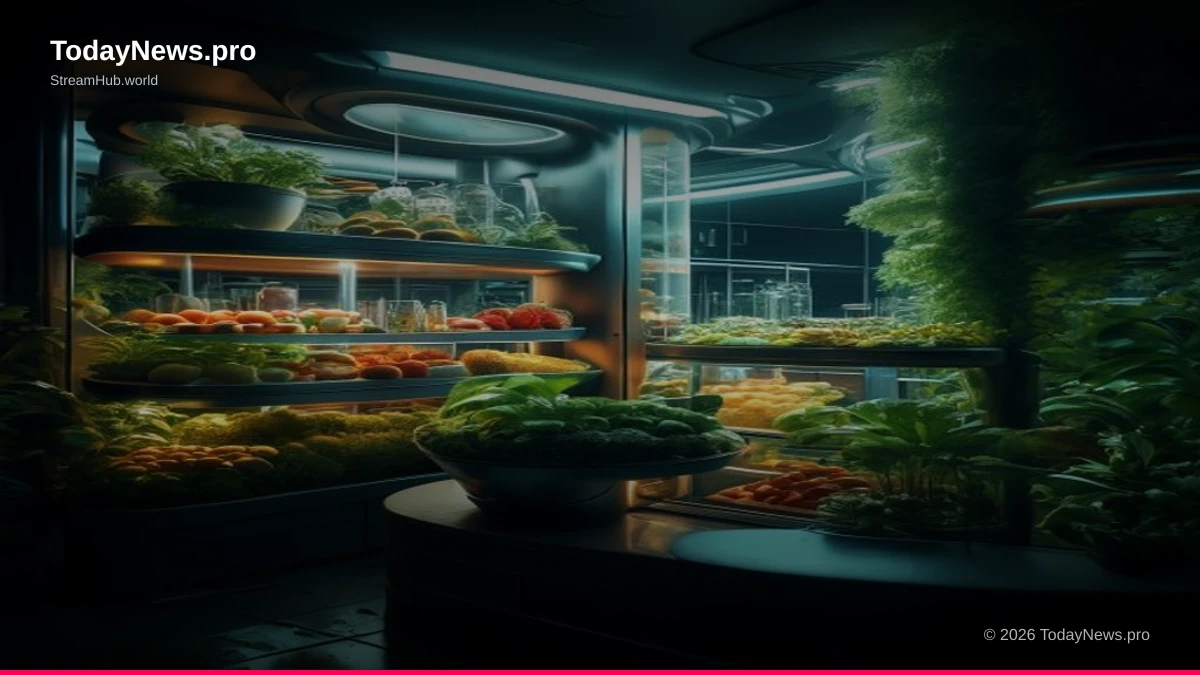
As urbanization accelerates, the concept of bringing food production closer to consumers is gaining traction. Vertical farming, the practice of growing crops in vertically stacked layers, often in controlled indoor environments, offers a compelling solution. These farms utilize hydroponic or aeroponic systems, significantly reducing water usage and eliminating the need for pesticides. By locating farms within or near urban centers, vertical farming minimizes transportation distances, reduces spoilage, and provides access to fresh produce year-round, regardless of external weather conditions.The Anatomy of a Vertical Farm
Vertical farms are sophisticated ecosystems. They meticulously control variables such as light spectrum (using LED lighting tailored for plant growth), temperature, humidity, and nutrient delivery. Hydroponics involves growing plants in nutrient-rich water solutions, while aeroponics mists plant roots with nutrient-laden water. These methods can use up to 95% less water than traditional agriculture. Furthermore, the enclosed nature of vertical farms means they are free from soil-borne diseases and pests, eliminating the need for harmful pesticides and herbicides.Urban Integration and Supply Chain Resilience
The strategic placement of vertical farms within cities offers profound advantages. It drastically shortens the "food miles" from farm to fork, leading to fresher produce and reduced transportation emissions. This localized production also enhances supply chain resilience, making urban areas less vulnerable to disruptions caused by natural disasters, geopolitical events, or global pandemics. Imagine hyper-local food hubs providing fresh greens and herbs directly to communities, accessible and available on demand.| Metric | Traditional Farming (per kg of lettuce) | Vertical Farming (per kg of lettuce) |
|---|---|---|
| Water Usage | 250 liters | 2-5 liters |
| Land Usage | High (acreage) | Low (vertical space) |
| Pesticide Use | Often High | Minimal to None |
| Transportation Emissions | Significant | Minimal |
Challenges in Scaling Up
Despite their promise, vertical farms face hurdles to widespread adoption. The initial capital investment for setting up these high-tech facilities is substantial, encompassing specialized lighting, climate control systems, and automation. Energy consumption, particularly for lighting and climate management, can also be a significant operational cost. While advancements in LED technology and renewable energy integration are mitigating these issues, making vertical farming economically competitive with traditional agriculture remains an ongoing challenge, especially for staple crops.Personalized Nutrition: The Dawn of Bespoke Diets
Beyond cultivating food more sustainably, the future of food also lies in understanding and catering to individual human needs. Personalized nutrition leverages advancements in genomics, microbiome research, and wearable technology to create dietary recommendations tailored to an individual's unique genetic makeup, lifestyle, and health goals. This approach moves away from one-size-fits-all dietary advice towards highly precise and effective strategies for optimizing health and preventing chronic diseases.The Genetic Blueprint of Diet
Our genes play a significant role in how we metabolize nutrients. Genetic testing can reveal predispositions to certain conditions, such as lactose intolerance or a heightened risk of cardiovascular disease influenced by dietary fat intake. Personalized nutrition uses this genetic information to suggest dietary adjustments that can mitigate these risks or enhance nutrient absorption. For example, individuals with specific gene variants might benefit from higher or lower intakes of certain vitamins or macronutrients.The Microbiome: Our Inner Ecosystem
The trillions of microorganisms living in our gut, collectively known as the microbiome, profoundly influence our digestion, immunity, and even mood. Emerging research highlights how different gut bacteria can impact nutrient absorption, the production of vitamins, and our response to specific foods. Personalized nutrition seeks to analyze an individual's microbiome composition and provide tailored dietary advice – perhaps recommending specific prebiotics or probiotics – to foster a healthier gut environment and improve overall well-being.70%
Increase in food production needed by 2050
95%
Less water used in vertical farming (vs. traditional)
100+
Million people at risk of food insecurity globally
Wearables and Continuous Monitoring
Wearable devices and other health-monitoring technologies provide a continuous stream of data about an individual's activity levels, sleep patterns, and even metabolic markers. When combined with dietary logs, this data allows for dynamic and responsive personalized nutrition plans. A person's dietary recommendations can be adjusted in real-time based on their energy expenditure, recovery needs, or physiological responses to certain foods, creating a truly dynamic and adaptive approach to health."We are moving beyond generic dietary guidelines. The era of personalized nutrition promises to unlock individual potential for health and longevity by aligning our diets with our unique biological realities. This is not just about weight loss; it's about holistic well-being."
— Dr. Kenji Tanaka, Director, Center for Nutritional Genomics
The Intersection: Synergy for a Sustainable Plate
The true power of these innovations lies not in their isolated application but in their synergistic integration. Imagine a future where biotechnology provides us with ultra-resilient, nutrient-dense crops, which are then grown in hyper-efficient vertical farms located in urban centers. This produce, cultivated with minimal environmental impact, is then recommended to consumers through personalized nutrition platforms based on their unique genetic and microbiome profiles. This integrated approach creates a virtuous cycle of sustainability, health, and resilience.Smart Farms, Smart Diets
The data generated from personalized nutrition can inform agricultural practices. For instance, if a significant portion of a population benefits from a particular nutrient profile, agricultural research and development can focus on enhancing those specific compounds in crops, whether through traditional breeding, genetic modification, or cellular agriculture. Similarly, insights from vertical farming about the optimal conditions for nutrient absorption can inform personalized dietary plans.Reducing Food Waste and Enhancing Access
By optimizing crop yields, reducing spoilage through localized production (vertical farming), and ensuring that people consume what their bodies truly need (personalized nutrition), these advancements collectively contribute to a significant reduction in food waste. Furthermore, by decentralizing food production and making it more efficient, the cost and accessibility of nutritious food can be improved, addressing issues of food deserts and ensuring equitable access to healthy options for all.Challenges and Ethical Considerations
While the future of food painted by biotechnology, vertical farming, and personalized nutrition is bright, it is not without its challenges and ethical considerations. Public perception, regulatory frameworks, accessibility, and the potential for widening existing societal divides are all critical factors that need careful navigation.Public Acceptance and Trust
Technologies like GMOs and cellular agriculture often face public skepticism, driven by concerns about safety, environmental impact, and the perceived "unnaturalness" of the processes. Building trust requires transparent communication, robust scientific validation, and clear regulatory oversight. Educating the public about the benefits and safety measures associated with these innovations will be crucial for their widespread adoption. For more on GMOs, see Wikipedia.Regulatory Hurdles and Accessibility
Establishing clear, science-based regulatory pathways for novel food technologies is essential. This includes defining safety standards for genetically edited crops, cellular agriculture products, and the algorithms used in personalized nutrition. Moreover, ensuring that these innovations are accessible to all, not just the affluent, is paramount. The cost of advanced technologies and personalized services could exacerbate existing health and nutritional disparities if not addressed proactively through policy and equitable distribution models. Read about global food security challenges on Reuters.Data Privacy and Security
Personalized nutrition relies heavily on sensitive personal data, including genetic information and health records. Protecting this data from breaches and ensuring its ethical use is a significant concern. Robust data privacy laws and secure data management practices are non-negotiable to maintain individual trust and prevent misuse. The potential for discrimination based on genetic predispositions also requires careful consideration and strong ethical guidelines.Looking Ahead: A Nourished Tomorrow
The convergence of biotechnology, vertical farming, and personalized nutrition represents not just a technological evolution but a fundamental reimagining of how we produce, distribute, and consume food. These innovations offer a tangible pathway towards ensuring global food security, enhancing human health, and fostering environmental sustainability. While challenges remain, the momentum towards a more intelligent, resilient, and personalized food future is undeniable.The Global Food System of 2050
By mid-century, our plates may look very different. We could see staple crops fortified with essential vitamins through genetic engineering, grown locally in urban vertical farms powered by renewable energy. Our diets will likely be guided by AI-driven insights from our personal biology, recommending food choices that optimize health and prevent disease. Protein sources might include a diverse range of plant-based alternatives, cultured meats, and insect-based ingredients, all produced with significantly lower environmental impact.A Call to Action for Stakeholders
Realizing this future requires concerted effort from policymakers, researchers, industry leaders, and consumers. Governments must foster innovation through supportive regulations and investments in research and development. The private sector needs to prioritize sustainable practices and equitable access. Consumers, in turn, play a vital role by embracing new technologies, demanding transparency, and making informed choices that support a healthier planet and healthier lives. The journey ahead is complex, but the promise of a nourished and sustainable tomorrow is a powerful motivator.What is the primary goal of biotechnology in food production?
The primary goal is to enhance food security and sustainability by developing crops with improved yields, resilience to environmental stressors (like drought and pests), enhanced nutritional value, and reduced reliance on chemical inputs. It also includes developing alternative protein sources like cellular agriculture.
How does vertical farming address food security?
Vertical farming addresses food security by enabling year-round food production in controlled environments, independent of climate and season. Its ability to be located in urban centers reduces transportation costs and spoilage, enhances supply chain resilience, and provides access to fresh produce in areas previously underserved.
What are the benefits of personalized nutrition?
Personalized nutrition aims to optimize individual health and prevent chronic diseases by tailoring dietary recommendations based on a person's unique genetic makeup, microbiome, lifestyle, and health goals. This leads to more effective and precise dietary interventions than generic advice.
Are GMO foods safe to eat?
Decades of research and consumption have shown that genetically modified (GM) foods currently available on the market are safe to eat. Major scientific organizations worldwide, including the World Health Organization and the U.S. National Academies of Sciences, Engineering, and Medicine, have concluded that GM foods are as safe as their conventionally bred counterparts.
What is the biggest challenge for vertical farming?
The biggest challenges for vertical farming are the high initial capital investment required for setup and the significant energy consumption, particularly for lighting and climate control. Making vertical farming economically competitive with traditional agriculture, especially for staple crops, remains an ongoing hurdle.