

 Alexander Veller
⏱ 18 min
The global population is projected to reach nearly 10 billion people by 2050, a stark reality demanding a radical reimagining of our food systems. Traditional agriculture faces mounting pressures from climate change, water scarcity, and land degradation, making the prospect of feeding everyone a monumental, potentially insurmountable, task. This critical juncture has spurred the development of groundbreaking technologies that promise to reshape what we eat and how we produce it, ushering in an era of "Farming the Future" through innovations like vertical gardens and cultivated meat.
The Looming Challenge: Feeding a Growing Planet
The current model of food production is demonstrably unsustainable. A significant portion of the world's arable land is already dedicated to agriculture, yet yields are often inconsistent and vulnerable to environmental shocks. Furthermore, conventional farming contributes substantially to greenhouse gas emissions, deforestation, and water pollution. As urban populations swell, the distance food must travel from farm to fork increases, exacerbating the carbon footprint and leading to greater food waste. This complex web of challenges necessitates a paradigm shift, moving away from extensive, resource-intensive practices towards more localized, efficient, and environmentally conscious methods. The urgency cannot be overstated; failure to adapt means risking widespread food insecurity and environmental collapse.The Environmental Toll of Traditional Farming
Traditional agriculture is a leading driver of environmental degradation. Vast tracts of land are cleared for monoculture farming, leading to habitat loss and biodiversity decline. The extensive use of synthetic fertilizers and pesticides pollutes soil and waterways, impacting aquatic ecosystems and human health. Water consumption in agriculture is immense, often depleting finite freshwater resources, especially in arid and semi-arid regions. The carbon emissions from livestock, particularly methane from cattle, are a major contributor to climate change.10%
Global greenhouse gas emissions from agriculture.
70%
of global freshwater withdrawals used for agriculture.
33%
of the world's land is used for crop and livestock production.
Vertical Farming: Greening the Concrete Jungle
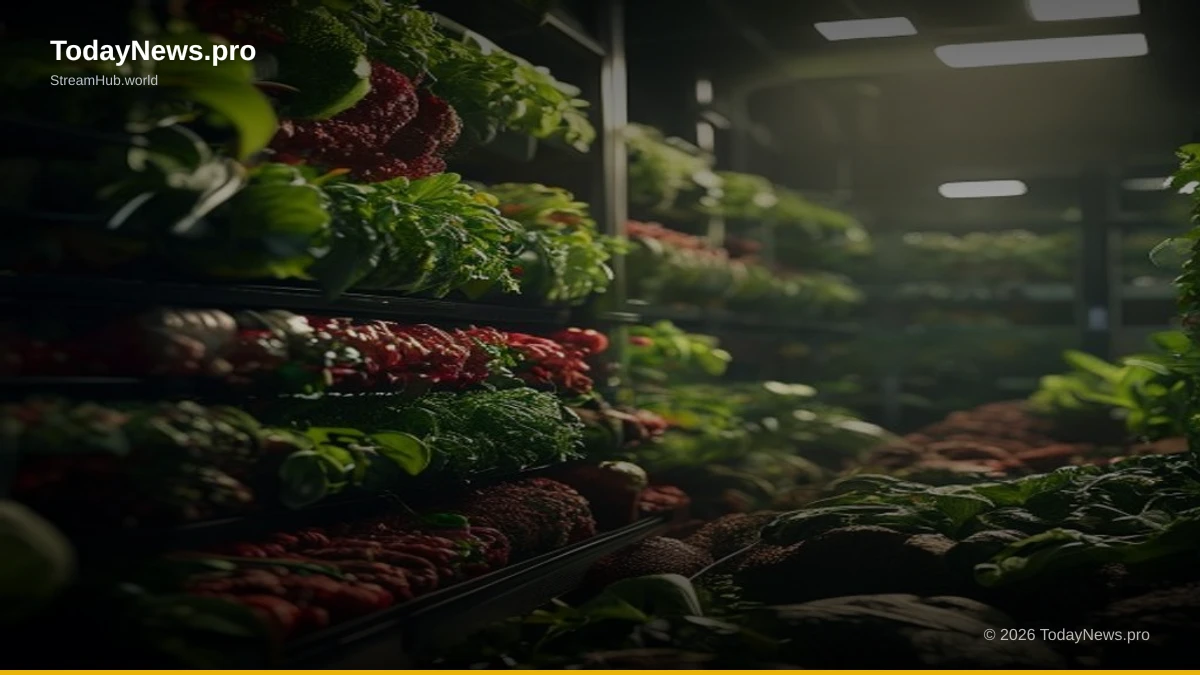
Vertical farming represents a revolutionary approach to crop cultivation, bringing agriculture into urban centers and even indoors. Instead of sprawling fields, crops are grown in vertically stacked layers, often within controlled environments such as repurposed warehouses or purpose-built facilities. This method allows for year-round production, independent of weather patterns, and significantly reduces the need for arable land. By locating farms closer to consumers, vertical farming drastically cuts down transportation costs and associated emissions, contributing to fresher produce and less waste.The Mechanics of Stacked Cultivation
At its core, vertical farming utilizes controlled environment agriculture (CEA) techniques. This involves precise management of light, temperature, humidity, and nutrient delivery. Instead of sunlight, crops are illuminated by energy-efficient LED lights, tuned to specific wavelengths that optimize plant growth. Hydroponic, aeroponic, or aquaponic systems replace soil, delivering water and nutrients directly to the plant roots. Hydroponics uses nutrient-rich water solutions, aeroponics mists the roots with water and nutrients, and aquaponics integrates fish farming, with fish waste providing nutrients for the plants.Land Use Comparison: Vertical Farm vs. Traditional Field (per kg of produce)
Benefits Beyond Space Saving
The advantages of vertical farming extend far beyond its space-efficient design. The controlled environment minimizes the need for pesticides and herbicides, as pests and diseases are easier to manage. Water usage is significantly reduced, with some systems recycling up to 95% of water. This localized production model strengthens food security, making communities less reliant on distant supply chains susceptible to disruption. Moreover, it can revitalize urban areas by transforming underutilized industrial spaces into productive agricultural hubs."Vertical farming is not just about growing food in cities; it's about reclaiming urban spaces for food production, creating resilient local food systems, and significantly reducing the environmental impact of agriculture. It's a vital piece of the puzzle for a sustainable future."
— Dr. Anya Sharma, Professor of Urban Agriculture
The Science Behind Vertical Agriculture
The scientific underpinnings of vertical farming are crucial to its success. Precision agriculture techniques are employed to optimize every aspect of the growing process. Sensors continuously monitor environmental conditions, feeding data into sophisticated algorithms that adjust lighting, nutrient levels, and atmospheric composition. This data-driven approach allows for maximizing yield while minimizing resource input.Optimizing Light and Nutrients
The choice of lighting is paramount. LED technology has advanced to a point where specific wavelengths can be emitted to stimulate different stages of plant growth, from germination to flowering. This targeted approach is far more energy-efficient than broad-spectrum lighting. Nutrient delivery systems, such as recirculating hydroponic or aeroponic setups, ensure that plants receive the exact mix of minerals they need, preventing deficiencies or excesses. This precise nutrient management also leads to less nutrient runoff compared to traditional farming.| Resource | Vertical Farming | Traditional Farming |
|---|---|---|
| Water | 2 liters | 250 liters |
| Land | 0.01 m² | 1 m² |
| Pesticides | Negligible | Significant use |
| Transportation Emissions | Very low (local) | High (long distances) |
Automation and AI in Cultivation
Automation plays a significant role in the efficiency of vertical farms. Robotic systems can handle tasks such as seeding, transplanting, harvesting, and packaging, reducing labor costs and increasing consistency. Artificial intelligence (AI) is increasingly being integrated to analyze vast amounts of data generated by the farm's sensors. AI can predict optimal harvest times, identify early signs of plant stress or disease, and fine-tune environmental controls for maximum output and minimal waste. This integration of technology is key to scaling vertical farming operations.Cultivated Meat: The Lab-Grown Revolution
Beyond plant-based agriculture, another monumental shift is occurring in the protein sector: cultivated meat. Also known as lab-grown meat, cultured meat, or cell-based meat, this technology involves growing real animal meat directly from cells, bypassing the need to raise and slaughter animals. This process begins with obtaining a small sample of cells from an animal. These cells are then placed in a nutrient-rich growth medium within a bioreactor, where they multiply and differentiate into muscle tissue, fat, and connective tissue – the components of meat.The Cellular Genesis of Meat
The process of creating cultivated meat is a marvel of bioengineering. Stem cells, or myosatellite cells (muscle stem cells), are extracted from a living animal, typically through a biopsy, without causing significant harm. These cells are then cultured in a sterile environment. The growth medium provides essential nutrients, growth factors, and hormones that encourage the cells to proliferate and mature into the specific tissues that make up meat. This controlled environment allows for the creation of meat with precise nutritional profiles and textures.10-14 days
Average time to produce a batch of cultivated chicken cells.
50-100x
Fewer cells needed to produce the same amount of meat compared to traditional farming.
10,000+
Companies globally exploring cellular agriculture.
Environmental and Ethical Imperatives
The environmental and ethical implications of cultivated meat are profound. Traditional animal agriculture is a major source of greenhouse gas emissions, land use, and water consumption. Cultivated meat has the potential to dramatically reduce these impacts. Studies suggest that producing cultivated meat could require significantly less land and water, and generate fewer greenhouse gases compared to conventional beef or poultry production. Furthermore, it addresses ethical concerns by eliminating the need for animal slaughter and the welfare issues associated with intensive farming practices."Cultivated meat offers a compelling solution to the sustainability crisis in protein production. It allows us to enjoy the taste and texture of real meat without the immense environmental and ethical costs associated with conventional livestock farming. This is a game-changer for our planet and our conscience."
— Dr. Jian Li, Lead Scientist, Cellular Agriculture Institute
Challenges and Opportunities in Cellular Agriculture
Despite its immense promise, the cultivated meat industry faces several hurdles before it can achieve widespread adoption. The primary challenge is scalability and cost. Currently, the production of cultivated meat is significantly more expensive than conventional meat, largely due to the cost of growth media and the complexities of large-scale bioreactor manufacturing. Achieving price parity is crucial for market penetration.From Lab to Supermarket: The Path Forward
Regulatory approval is another significant challenge. Governments worldwide are developing frameworks to assess the safety and labeling of cultivated meat products. Ensuring consumer acceptance is also vital. Overcoming potential consumer skepticism regarding the "naturalness" of lab-grown food and educating the public about its benefits are key to market success. Companies are investing heavily in research and development to optimize production processes, reduce costs, and improve the taste and texture of their products to mirror conventional meat as closely as possible.Projected Cost Reduction for Cultivated Meat
The Ecosystem of Innovation
The cultivated meat sector is fostering a vibrant ecosystem of startups, research institutions, and investors. Collaboration is key, with companies often partnering with universities to advance cell biology and bioprocessing techniques. The development of novel, more affordable growth media is a major focus, as is the design of efficient and scalable bioreactors. The potential for innovation is vast, from creating entirely new food products to developing highly customized nutritional profiles for specific consumer needs.Sustainability Metrics: A Deeper Dive
Assessing the true sustainability of these novel food technologies requires rigorous analysis of their environmental footprints. While the potential benefits are significant, it's crucial to conduct comprehensive life cycle assessments (LCAs) that consider all stages of production, from energy inputs and resource consumption to waste generation and emissions.Energy Consumption and Carbon Footprints
A key consideration for both vertical farming and cultivated meat is energy consumption. Vertical farms rely heavily on electricity for lighting and climate control. The source of this electricity is critical; if it comes from renewable sources, the carbon footprint can be significantly reduced. Similarly, the energy required for bioreactors in cultivated meat production needs to be meticulously managed. While studies suggest overall reductions in greenhouse gas emissions compared to conventional methods, optimising energy efficiency remains a paramount objective for both industries.Water and Land Use Efficiency
As highlighted earlier, both vertical farming and cultivated meat demonstrate remarkable improvements in water and land use efficiency. Vertical farms can use up to 95% less water than traditional agriculture and require a fraction of the land. Cultivated meat also promises substantial reductions in land and water requirements. These efficiencies are vital in a world facing increasing water scarcity and limited arable land. Read more on sustainability in food and agriculture from Reuters.The Future of Food: Integration and Innovation
The future of food is unlikely to be a binary choice between traditional methods and these emerging technologies. Instead, it will likely involve a sophisticated integration of diverse approaches, each playing a role in creating a more resilient, sustainable, and equitable food system. Vertical farms can supplement local produce, especially in urban areas, while cultivated meat can offer a more sustainable protein source.Synergy and Coexistence
Imagine a future where urban centers are dotted with vertical farms supplying fresh greens and herbs year-round, while consumers have access to a variety of cultivated meats, reducing the pressure on traditional livestock farming. This integration can lead to diversified food sources, less reliance on long and fragile supply chains, and a significant reduction in the environmental impact of food production. Traditional agriculture will still have a vital role, especially for crops and livestock that are best suited to open-field cultivation, but it will need to adopt more sustainable practices.Consumer Choice and Adaptation
The success of these innovations hinges on consumer acceptance and adaptation. As these products become more affordable, accessible, and familiar, consumer choices will naturally shift. Education, transparency, and clear labeling will be crucial in building trust and encouraging adoption. The "revolution on our plates" is not just about technological advancement; it's also about evolving our relationship with food, understanding its origins, and making choices that benefit both our health and the health of the planet. The ongoing advancements in these fields promise a future where nutritious, sustainable, and ethically produced food is accessible to all.What is the primary benefit of vertical farming?
The primary benefit of vertical farming is its ability to grow crops year-round in controlled environments, independent of weather, using significantly less land and water, and often closer to consumers, reducing transportation emissions.
How is cultivated meat different from plant-based meat substitutes?
Cultivated meat is real animal meat grown directly from animal cells, whereas plant-based meat substitutes are made from plant proteins and ingredients designed to mimic the taste and texture of meat.
Are vertical farms and cultivated meat currently affordable for everyone?
Currently, both vertical farming and cultivated meat production are often more expensive than traditional methods. However, ongoing research, technological advancements, and scaling up of operations are expected to drive down costs significantly over time.
What are the main environmental advantages of these new food technologies?
The main environmental advantages include drastically reduced land and water usage, lower greenhouse gas emissions, and reduced reliance on pesticides and herbicides compared to conventional agriculture and livestock farming.