

 Peter Warren
The global esports market is projected to generate over $2.4 billion in revenue by 2024, a staggering figure that underscores the seismic shift occurring in the entertainment and sports industries, far surpassing the combined revenues of traditional sports media rights in many regions.
The Uncharted Territory: Esports Overtakes Traditional Sports
Once relegated to dimly lit basements and niche online communities, competitive video gaming, or esports, has exploded into a global spectacle. This burgeoning industry, characterized by professional players, lucrative prize pools, and massive viewership, is rapidly redefining what it means to be a "professional athlete" in the 21st century. Unlike traditional sports that have centuries of history and established infrastructure, esports is a digital-native phenomenon, born from the internet and evolving at a pace that often leaves legacy institutions scrambling to catch up. Its rapid ascent is not merely a trend; it represents a fundamental evolution in entertainment consumption and career pathways.
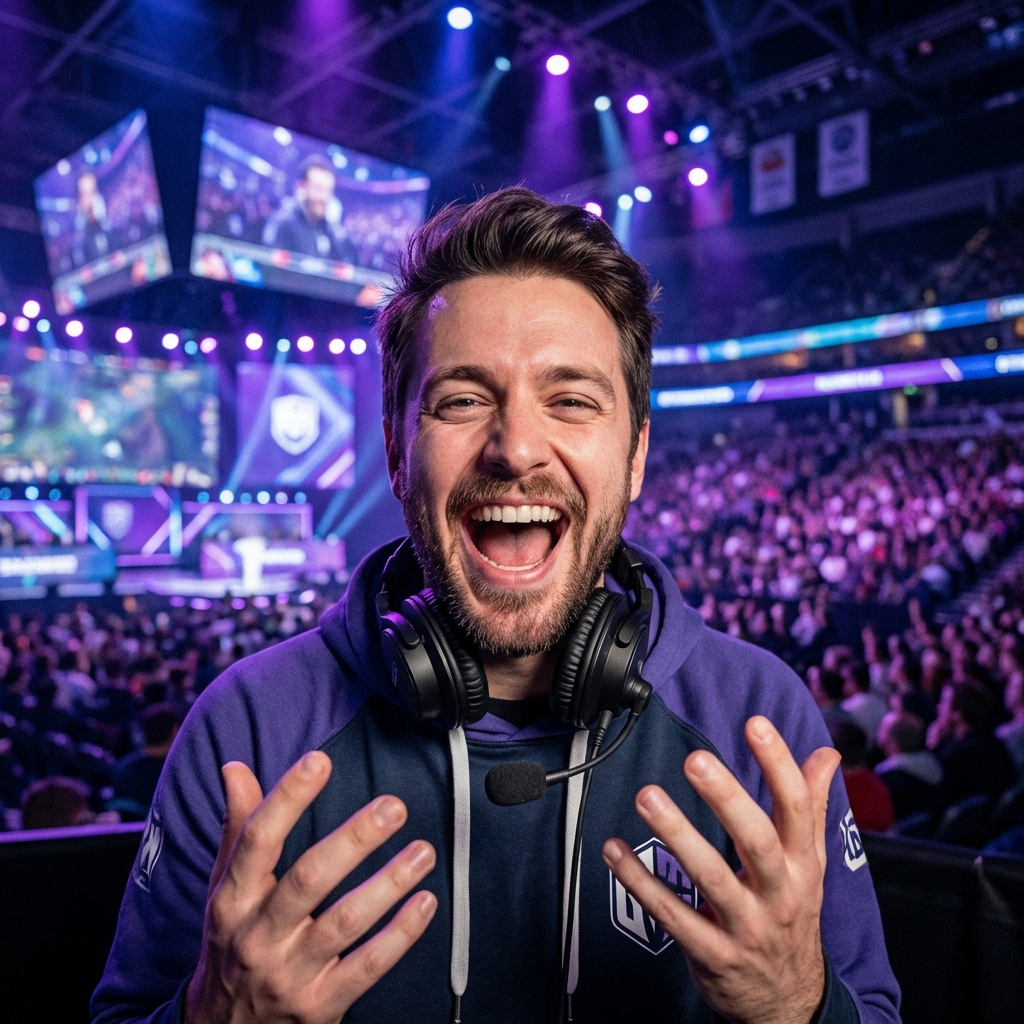
The speed at which esports has captured global attention is remarkable. Stadiums that once hosted rock concerts now reverberate with the cheers of tens of thousands of fans watching teams battle it out in virtual arenas. Online, millions more tune in through streaming platforms, creating engagement figures that rival, and in some cases exceed, those of major sporting events. This digital-first approach has fostered a unique culture and a set of career opportunities that were unimaginable just a decade ago.
From Basement Hobby to Global Phenomenon: The Evolution of Gaming Careers
The journey of gaming from a solitary pastime to a globally recognized competitive discipline is a story of technological advancement and cultural adoption. Early video games were simple, single-player experiences. The advent of multiplayer capabilities and the internet, however, laid the groundwork for competitive play. Games like StarCraft in South Korea and Quake in the West were among the first to foster dedicated communities and nascent professional scenes.
The early 2000s saw the rise of LAN (Local Area Network) tournaments, bringing players together in physical spaces to compete. These events, though smaller in scale, were crucial in establishing competitive formats and building fan bases. The subsequent proliferation of broadband internet and streaming platforms like Twitch and YouTube Gaming in the late 2000s and early 2010s acted as catalysts, democratizing access and viewership. This era marked the true birth of the professional esports player, with dedicated teams forming, sponsorships appearing, and the first significant prize money being awarded.
The professionalization of esports has been rapid. What began with small, independent tournaments has evolved into a sophisticated ecosystem featuring franchised leagues, dedicated training facilities, and multi-million dollar prize pools. This transformation has not only legitimized gaming as a career choice but has also opened up a vast array of ancillary roles.
The Players Arena: Professional Esports Athletes and Their Demands
The life of a professional esports athlete is far from the stereotype of passive, sedentary leisure. It demands an extraordinary level of skill, dedication, and physical and mental conditioning, mirroring the rigor of traditional sports. These athletes spend countless hours honing their reflexes, strategizing, and mastering intricate game mechanics. The pressure to perform at the highest level in fast-paced, high-stakes environments is immense, requiring not only exceptional talent but also robust mental resilience.
Training Regimens and Mental Fortitude
Professional esports players often adhere to structured training schedules that can rival those of Olympic athletes. This typically includes several hours of dedicated practice, scrimmages (practice matches against other professional teams), VOD (Video on Demand) review, and strategy sessions. Beyond in-game mechanics, modern esports organizations invest in physical fitness, nutrition, and even sleep hygiene to optimize player performance and prevent burnout. Mental conditioning is also paramount, with sports psychologists often working with teams to develop coping mechanisms for stress, performance anxiety, and the inherent pressures of competitive gaming.
The physical demands, while different from traditional sports, are significant. Players require exceptional fine motor skills, hand-eye coordination, and the ability to maintain focus for extended periods. Repetitive strain injuries are a common concern, necessitating ergonomic setups and preventative exercises. The mental toll is equally substantial, with players facing constant scrutiny from fans and organizations, the pressure to maintain peak performance, and the often-short career spans dictated by rapid game meta shifts and the emergence of younger talent.
The High Stakes of Competition
The stakes in professional esports are incredibly high. Major tournaments boast prize pools in the millions of dollars, with top teams and players earning substantial sums. For example, the 2021 The International for Dota 2 awarded a staggering $40 million USD prize pool. Beyond prize money, professional players also earn salaries from their organizations, often supplemented by lucrative sponsorship deals. This financial incentive, coupled with the passion for their craft, drives players to push their limits.
| Esports Title | Largest Prize Pool (USD) | Year |
|---|---|---|
| Dota 2 (The International) | $40,018,195 | 2021 |
| Fortnite (World Cup) | $3,000,000 | 2019 |
| League of Legends (Worlds) | $2,250,000 | 2022 |
| CS:GO (PGL Stockholm Major) | $2,000,000 | 2021 |
The pressure to perform at these events is immense. A single mistake can cost a team a crucial match or even an entire tournament. This constant pressure, combined with the transient nature of success in esports, makes it a mentally taxing career. Many players retire in their mid-to-late twenties due to declining reflexes or the desire for a more stable career, necessitating careful financial planning and career transition strategies.
Beyond the Pro Player: A Thriving Ecosystem of Gaming Professionals
The allure of a career in esports extends far beyond the professional player. A vast and intricate ecosystem of support roles has emerged, offering diverse and rewarding career paths for individuals with a wide range of skills and passions. This burgeoning industry requires specialists in coaching, analytics, content creation, marketing, event management, and much more, creating opportunities for a new generation of professionals.
Coaches, Analysts, and Support Staff
Esports organizations are increasingly investing in dedicated coaching and analytical staff. Coaches are responsible for developing team strategies, managing player performance, and fostering team cohesion. They often have a deep understanding of the game's meta, player psychology, and team dynamics. Analysts work alongside coaches, dissecting opponent strategies, identifying trends, and providing data-driven insights to improve team performance. Other crucial support roles include team managers, who handle logistics and player well-being, and performance coaches, who focus on physical and mental conditioning.
Content Creators and Streamers: The New Influencers
The rise of streaming platforms has created a new breed of celebrity: the content creator and streamer. These individuals build large audiences by broadcasting their gameplay, offering commentary, and interacting with their viewers. Many professional players also engage in streaming, generating additional income and building personal brands. Beyond individual streamers, content creation encompasses a wide array of roles, including video editors, graphic designers, social media managers, and community managers, all essential for building and maintaining an online presence.
These content creators are not just entertainers; they are powerful influencers who shape trends, drive game popularity, and act as valuable marketing channels for brands. Their ability to connect authentically with their audience makes them highly sought after for sponsorships and collaborations. The revenue streams for successful streamers can be substantial, derived from subscriptions, donations, advertising, and brand partnerships.
Event Organizers and Production Teams
The spectacular live events that characterize esports do not materialize out of thin air. They are the product of complex logistical and technical undertakings. Event organizers are responsible for everything from venue selection and ticketing to player logistics and on-site operations. Production teams are essential for bringing the on-screen experience to life, managing broadcast infrastructure, camera work, graphics, and commentary. This includes roles like broadcast engineers, technical directors, stage managers, and visual effects artists, all working in tandem to deliver a seamless and engaging viewing experience.
The sheer scale of esports events, with thousands of fans in attendance and millions more watching online, requires sophisticated production values. This has created a demand for skilled professionals capable of handling live broadcasting, high-definition video, and complex audio mixing, often in dynamic and challenging environments.
The Business of Esports: Revenue Streams and Investment
The financial landscape of esports is rapidly maturing, driven by a diverse range of revenue streams and significant investment from both within and outside the traditional sports and entertainment sectors. This commercialization has been critical in establishing the legitimacy and sustainability of the industry, transforming it from a passion project into a robust economic force.
Sponsorships and Advertising
Sponsorships are a cornerstone of esports revenue. Brands across various sectors, from tech and automotive to fast food and fashion, are recognizing the highly engaged and often younger demographic that esports attracts. These partnerships range from team sponsorships and player endorsements to tournament title sponsorships and in-game advertising. The ability to reach a global, digitally native audience makes esports a compelling proposition for advertisers seeking to build brand awareness and drive consumer engagement. This has led to some of the most lucrative deals in the industry, with major brands investing heavily.
Media Rights and Broadcasting Deals
As viewership numbers continue to surge, media rights have become a significant revenue driver. Esports organizations and game publishers are increasingly negotiating lucrative broadcasting deals with streaming platforms and, in some cases, traditional media outlets. These deals provide a stable income stream and contribute to the professionalization of the industry, allowing for greater investment in infrastructure, player salaries, and content production. The exclusivity of certain leagues and tournaments further enhances their media value.
The growth of dedicated esports channels and the integration of esports content into mainstream sports broadcasting signal a shift in how sports are consumed. This trend is expected to continue as more media companies recognize the immense potential of this rapidly expanding market.
Merchandise and In-Game Purchases
Beyond sponsorships and media rights, fan engagement translates directly into revenue through merchandise sales and in-game purchases. Esports teams and leagues generate income from selling branded apparel, accessories, and collectibles. Similarly, in-game cosmetic items, character skins, and other virtual goods represent a significant revenue stream for game publishers, a portion of which can be attributed to the ecosystem surrounding competitive play. These elements foster a deeper connection between fans and their favorite teams and games, creating a symbiotic relationship that fuels both engagement and commercial success.
Challenges and Controversies in the Esports Landscape
Despite its meteoric rise, the esports industry is not without its challenges and controversies. Navigating these complexities is crucial for its long-term health and sustainability. Issues ranging from player welfare to competitive integrity demand careful attention and proactive solutions from organizers, publishers, and stakeholders.
Player Welfare and Burnout
The intense training schedules and high-pressure environment of professional esports can lead to significant physical and mental health issues, including burnout, repetitive strain injuries, and mental health struggles. Unlike traditional sports with established player unions and welfare programs, the esports landscape is still developing these structures. Addressing player burnout requires a concerted effort from teams and leagues to implement better work-life balance, provide comprehensive health support, and establish clearer career transition paths for retiring athletes.
Integrity and Cheating Concerns
Maintaining competitive integrity is paramount for any sport. In esports, concerns about cheating, match-fixing, and the use of unauthorized third-party software are persistent. While game developers and tournament organizers implement anti-cheat measures, the constant evolution of technology means that these threats are ever-present. Robust anti-doping policies, stringent background checks for players, and transparent investigation processes are essential to uphold the fairness and credibility of competitive gaming.
The detection and prevention of cheating are ongoing battles. Sophisticated anti-cheat software, server-side monitoring, and even AI-driven anomaly detection are employed. However, the decentralized nature of online play and the rapid pace of game updates present unique challenges. Ensuring a level playing field is not just about fairness; it is about preserving the trust of fans and sponsors.
The Road Ahead: Sustainability and Growth
The rapid growth of esports has outpaced the development of regulatory frameworks and standardized practices. Issues such as player contracts, intellectual property rights, and dispute resolution mechanisms are still being defined. Ensuring long-term sustainability requires continued investment in infrastructure, the development of robust governance structures, and a commitment to fostering a healthy and inclusive environment for all participants. The industry must also grapple with the cyclical nature of game popularity and the need to constantly adapt to emerging titles and technologies.
The global nature of esports presents unique jurisdictional challenges. Establishing consistent standards for player contracts, prize money distribution, and dispute resolution across different countries requires international cooperation and the development of industry-wide best practices. Collaboration between game publishers, tournament organizers, and player associations will be key to building a stable and equitable future for esports.
Investing in the Future: Skills and Education for Esports Careers
The burgeoning esports industry presents a wealth of opportunities for individuals with diverse skill sets. While exceptional gaming talent can lead to a professional player career, a much wider array of roles exists for those with technical, creative, and business acumen. Educational institutions and vocational programs are beginning to recognize this, offering specialized courses and degrees designed to equip students for success in the esports world. These programs cover areas such as esports management, game design, broadcast production, marketing, and even sports psychology tailored for competitive gaming.
Beyond formal education, a proactive approach to skill development is crucial. Individuals interested in esports careers should focus on building a strong portfolio of work, gaining practical experience through internships or volunteer roles, and networking within the industry. Proficiency in relevant software, understanding of digital marketing, and strong communication skills are highly valued across many esports positions. For aspiring professionals, understanding the underlying technologies, the business models, and the cultural nuances of the gaming world is as important as mastering a particular game.
The transferable skills gained from a background in gaming or esports are also highly valuable in other industries. Problem-solving, strategic thinking, teamwork, adaptability, and digital literacy are all competencies that are in high demand across the modern workforce. As the esports industry continues to mature, the pathways to successful and fulfilling careers within it will only become more diverse and accessible.
The future of professional athletics is undoubtedly being reshaped by the digital revolution. Esports and gaming careers are no longer niche curiosities but legitimate and burgeoning professional pathways, offering exciting prospects for a new generation of talent. The industry's continued growth and evolution promise to further blur the lines between digital entertainment and traditional sport, creating an ever-expanding landscape of opportunity.