

 Max Speed
The Genesis of Competitive Gaming
The roots of esports can be traced back to the nascent days of video gaming itself. Early arcade games, with their high-score tables, fostered a primitive form of competition. Players would strive to achieve the ultimate score, often congregating in arcades to witness and cheer for those attempting to set new benchmarks. This communal aspect, the shared thrill of watching skilled individuals push the boundaries of digital challenges, laid the foundational stones for what would become a global phenomenon.
These early competitions were largely informal, driven by passion and bragging rights rather than substantial monetary reward. The advent of home consoles and personal computers in the late 20th century democratized access to gaming, simultaneously expanding the potential player base and the scope for competition. Games like Space Invaders, Pac-Man, and later Tetris, became canvases for aspiring digital athletes.
Early Arcade Competitions
Arcades were the first true battlegrounds. High-score challenges were common, but organized tournaments, though rare, did emerge. Companies like Atari and Nintendo, recognizing the appeal of competitive play, sometimes sponsored events. These were often localized, drawing crowds of enthusiastic players and spectators who marveled at the dexterity and strategic prowess displayed on pixelated screens. The social dynamic of these arcades, where skill was celebrated and rivalries formed, was crucial to nurturing the early esports spirit.
The Home Console Era
The introduction of home gaming consoles like the Atari 2600 and later the Nintendo Entertainment System (NES) shifted the competitive landscape. While organized tournaments were still in their infancy, the seeds of competitive play were sown in living rooms worldwide. Games like Super Mario Bros. and The Legend of Zelda, while primarily single-player experiences, inspired a generation to master their mechanics and challenge friends to beat their times or scores. This decentralized form of competition, though less visible, was vital for skill development and fostering a competitive mindset.
The Dawn of Digital Arenas
The 1990s marked a significant turning point with the rise of PC gaming and the internet. The introduction of multiplayer functionality, initially through LAN (Local Area Network) parties, allowed players to compete directly against each other in real-time. This was a paradigm shift, moving beyond the asynchronous competition of high scores to direct, head-to-head matchups. Games like Doom and Quake became synonymous with these early LAN events, drawing enthusiasts eager to test their reflexes and strategic thinking against human opponents.
The internet, in its early commercial stages, slowly began to enable online multiplayer gaming. While often plagued by high latency and limited accessibility, it offered a glimpse into a future where geographical barriers would cease to hinder competition. This era saw the emergence of dedicated gaming communities and forums where players discussed strategies, organized matches, and celebrated their victories.
LAN Parties and the Birth of Online Play
LAN parties were the pulsating heart of early competitive PC gaming. Enthusiasts would gather, often for entire weekends, with their computers linked together. The adrenaline-fueled atmosphere, the camaraderie, and the intense competition created an unforgettable experience. Games like Doom, Quake, and later StarCraft, became staples of these events, fostering legendary rivalries and solidifying the concept of a dedicated esports player. These gatherings, while local, were crucial in building a culture around competitive gaming.
The burgeoning internet, even with its limitations, began to connect players beyond physical proximity. Early online matchmaking services and dedicated game servers allowed for more fluid and accessible competitive play. This was the genesis of online multiplayer as we know it, paving the way for the global connectivity that defines modern esports.
Pioneering Titles and Genres
Several game titles were instrumental in shaping the early esports landscape. Blizzard Entertainment's StarCraft: Brood War, released in 1998, became a cultural phenomenon, particularly in South Korea. Its complex strategic depth and balanced gameplay made it an ideal spectator sport, with professional leagues and dedicated broadcast channels emerging. Similarly, id Software's Quake series, with its fast-paced, skill-based arena combat, was a cornerstone of early esports tournaments, showcasing precise aiming and movement mechanics.
The Real-Time Strategy (RTS) and First-Person Shooter (FPS) genres proved to be early favorites for competitive play due to their emphasis on individual skill, strategic decision-making, and real-time reaction. These genres demanded a high level of practice and dedication, attracting players who thrived under pressure and sought to outmaneuver their opponents.
The Professionalization Push
As competitive gaming gained traction, the desire for more structured and lucrative opportunities grew. The late 1990s and early 2000s saw the emergence of organized leagues and tournaments with significant prize pools. The Cyberathlete Professional League (CPL) and the World Cyber Games (WCG) were prominent organizations that brought together top players from around the globe, offering substantial cash prizes and international recognition. These events were crucial in legitimizing esports as a potential career path.
This period also witnessed the establishment of professional esports teams. Players began to band together, train rigorously, and seek sponsorship from gaming hardware manufacturers and peripheral companies. The concept of an esports athlete, dedicated to honing their skills and representing a team, started to take shape. This transition from amateur enthusiasts to paid professionals was a significant leap in the evolution of the industry.
The Rise of Professional Teams and Players
The formation of dedicated esports organizations marked a crucial step towards professionalization. Teams like Natus Vincere (Na'Vi), Evil Geniuses, and Fnatic, which are still prominent today, began to recruit talented players, provide them with training facilities, and manage their careers. This structure mirrored traditional sports, with players earning salaries, receiving coaching, and competing under a team banner. The focus shifted from individual glory to team synergy and strategic coordination.
Players like Jang Jae-ho (Moon) in StarCraft and Fatal1ty (Johnathan Wendel) in Quake became the first true esports superstars. Their skillful gameplay, charismatic personalities, and consistent victories garnered them widespread recognition and a dedicated fanbase. They demonstrated that a career in competitive gaming was not only possible but could also be incredibly rewarding, inspiring countless others to pursue the same dream.
Sponsorships and Prize Pools
The increasing visibility of esports attracted the attention of commercial sponsors. Companies that manufactured gaming hardware, energy drinks, and even general consumer brands began to invest in teams and tournaments. These sponsorships provided much-needed financial support, allowing for larger prize pools and more frequent events. The CPL, for instance, often featured prize pools in the tens or even hundreds of thousands of dollars, a significant sum for the time.
The growth of prize pools was a direct indicator of the industry's increasing commercial viability. What started as modest sums for local tournaments gradually escalated, making esports a financially attractive venture for top-tier talent. This financial injection was critical in professionalizing the infrastructure around esports, from event organization to player welfare.
| Year | Major Tournament | Prize Pool (Approx.) |
|---|---|---|
| 1997 | Red Annihilation (Quake) | $20,000 |
| 2000 | Cyberathlete Professional League (CPL) World Tour | $100,000 |
| 2006 | World Cyber Games (WCG) | $500,000 |
| 2011 | Dota 2 (The International) | $1,600,000 |
The Rise of the Spectator Sport
Perhaps the most profound evolution of esports has been its transformation into a spectator sport, rivaling traditional forms of entertainment. Live streaming platforms like Twitch and YouTube Gaming have been instrumental in this transition, allowing millions of viewers worldwide to watch their favorite players and teams compete in real-time. The accessibility of these platforms has democratized viewership, making esports events as easy to tune into as a football game or a concert.
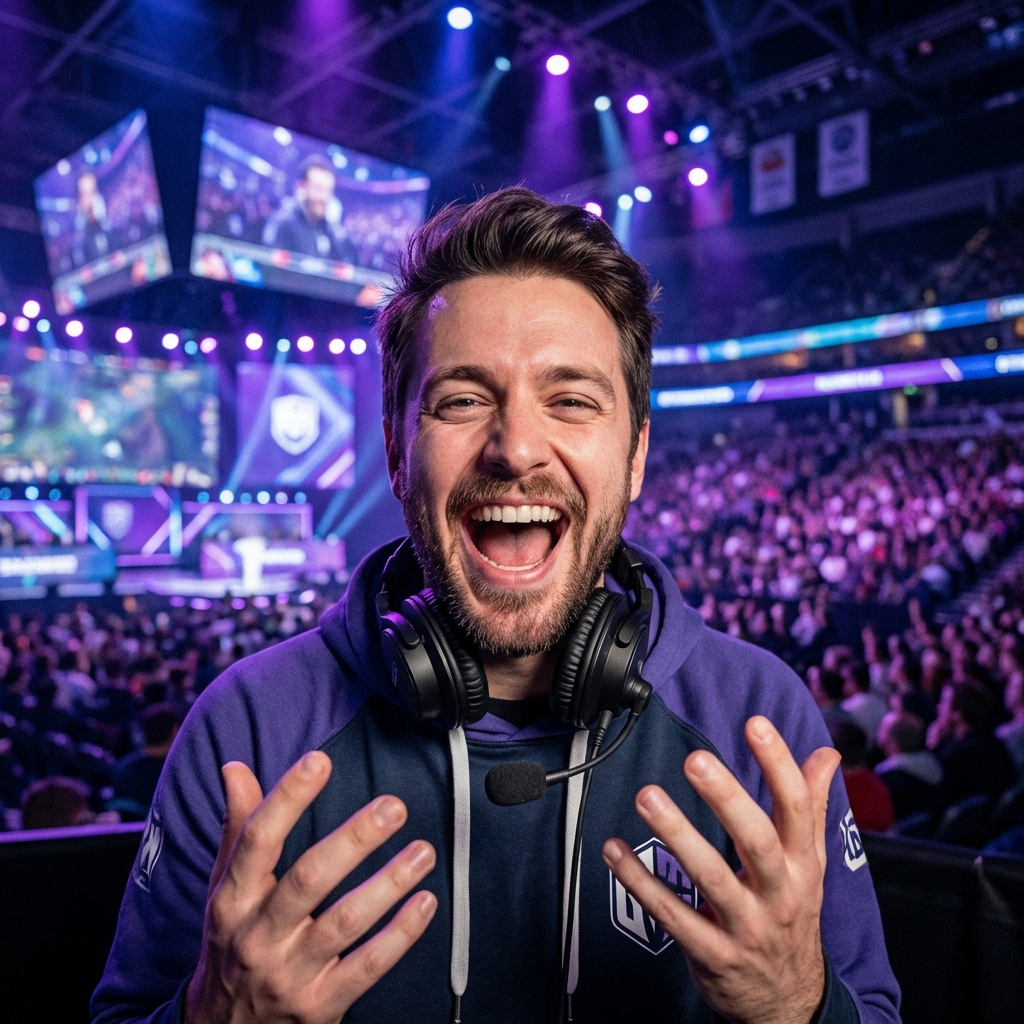
The production value of esports broadcasts has also dramatically improved. Professional commentators, analysts, replays, and engaging on-screen graphics create an immersive viewing experience. Large-scale live events, held in sold-out arenas, further cement esports' status as a major entertainment spectacle, complete with dazzling light shows, energetic crowds, and the palpable excitement of live competition.
Live Streaming and Online Viewership
The advent of platforms like Justin.tv, which later evolved into Twitch, revolutionized how esports was consumed. Viewers could tune into streams of professional matches, player practice sessions, and even casual gameplay, all for free. Twitch, in particular, became the de facto home of esports streaming, fostering a vibrant community where viewers could interact with streamers and fellow fans through chat. YouTube Gaming has since emerged as a significant competitor, offering its own robust live-streaming infrastructure and a vast existing user base.
This shift to online streaming meant that esports was no longer confined to a niche audience. A teenager in Brazil could watch a League of Legends match featuring European teams, and a fan in Japan could follow the Counter-Strike: Global Offensive scene in North America. This global reach has been a primary driver of esports' exponential growth.
Major Live Events and Arena Spectacles
The transition from online streaming to massive live events in traditional sports arenas has been a defining characteristic of modern esports. Events like the League of Legends World Championship, The International for Dota 2, and major CS:GO Majors regularly fill arenas with tens of thousands of roaring fans. These events are more than just competitions; they are cultural gatherings, offering immersive experiences with elaborate stage productions, fan zones, and opportunities for attendees to connect with the esports community.
These arena events generate immense hype and provide a tangible demonstration of esports' mainstream appeal. The sheer energy of a live esports crowd, united in their passion for the game and their support for their favorite teams, is a powerful spectacle that draws in both seasoned fans and curious newcomers alike. The economic impact of these events, from ticket sales to merchandise and hospitality, is also becoming increasingly significant.
The Role of Game Developers
Game developers play a pivotal role in shaping the esports ecosystem. Companies like Riot Games (League of Legends) and Valve (Dota 2, Counter-Strike: Global Offensive) actively support and invest in their respective esports titles. They develop dedicated esports features within their games, implement robust anti-cheat systems, and often fund leagues and tournaments. This direct involvement ensures that the games remain balanced, engaging, and sustainable for competitive play.
The partnership between developers and the esports community is symbiotic. Developers create the platforms for competition, and the community, through professional players and spectators, generates revenue and buzz that further fuels the game's popularity. This close relationship is a hallmark of modern esports, differentiating it from traditional sports where governing bodies operate independently of game creators.
Technological Tides and Global Reach
Technological advancements have been the bedrock upon which esports has built its global empire. The proliferation of high-speed internet, powerful graphics processing units (GPUs), and sophisticated game engines has enabled the creation of visually stunning and complex games that are both engaging to play and compelling to watch. The development of dedicated esports titles, designed with competitive balance and spectator engagement in mind, has also been crucial.
Furthermore, the widespread adoption of smartphones has opened up a massive new frontier for mobile esports. Games like PUBG Mobile, Mobile Legends: Bang Bang, and Garena Free Fire have achieved astronomical player numbers, particularly in emerging markets. These mobile titles offer accessible entry points into the competitive gaming world, further broadening esports' global footprint.
Mobile Esports: The Next Frontier
The rise of mobile gaming has democratized esports on an unprecedented scale. With smartphones becoming ubiquitous, millions can now participate in competitive gaming without requiring expensive PCs or consoles. This has led to the explosive growth of mobile esports titles, especially in regions with high smartphone penetration and lower PC adoption rates, such as Southeast Asia and Latin America.
Games like Mobile Legends: Bang Bang and Garena Free Fire have garnered massive player bases and host professional leagues with substantial prize pools. The accessibility and convenience of mobile esports have made it a dominant force, attracting a new generation of players and fans who may not have been exposed to traditional PC or console esports. This expansion into the mobile space has significantly diversified the esports audience.
Emerging Markets and Global Expansion
Esports is no longer a phenomenon confined to North America and Europe. Its reach has expanded dramatically into Asia, Latin America, and even parts of Africa. South Korea has long been a powerhouse in esports, particularly for titles like StarCraft and League of Legends. China boasts one of the largest esports markets globally, with massive viewership and significant investment.
The growth in emerging markets is driven by a confluence of factors: increasing internet penetration, a young and tech-savvy population, and a burgeoning esports infrastructure. These regions are not just consumers of esports but are increasingly becoming producers of talent and innovative esports content. The global nature of esports fosters a sense of interconnectedness, breaking down cultural barriers through shared passion for competitive gaming.
Challenges and the Future Frontier
Despite its remarkable growth, esports faces ongoing challenges. Issues such as player burnout, ensuring fair competition through robust anti-doping and anti-cheating measures, and fostering a healthier work-life balance for professional players are critical areas of focus. The industry is still maturing, and establishing comprehensive regulatory frameworks and player protections is an ongoing process.
Looking ahead, the future of esports is incredibly bright. Innovations in virtual reality (VR) and augmented reality (AR) could usher in new forms of competitive gaming. The integration of esports into mainstream educational institutions, with collegiate leagues and scholarships, signifies its growing acceptance. As the industry continues to professionalize and mature, its potential for innovation and mainstream appeal appears limitless.
Player Welfare and Industry Sustainability
The demanding nature of professional esports, with its intense training schedules and high-pressure environments, can lead to player burnout and mental health issues. Ensuring the long-term well-being of players is paramount for the sustainability of the industry. This includes providing access to mental health resources, promoting healthy training practices, and establishing fair contract terms.
Furthermore, the integrity of competitive play is crucial. Combating match-fixing and doping scandals requires constant vigilance and robust verification systems. As esports grows, so does the temptation for illicit activities, making proactive measures and clear ethical guidelines essential for maintaining trust and credibility within the community.
The Evolving Landscape of Games and Technology
The esports landscape is in constant flux, driven by the evolution of game titles and emerging technologies. New games with competitive potential are released regularly, and established titles are continuously updated, requiring players and teams to adapt. The integration of virtual reality (VR) and augmented reality (AR) technologies holds the promise of entirely new competitive experiences, though widespread adoption and development challenges remain.
Blockchain technology and NFTs (Non-Fungible Tokens) are also beginning to explore avenues within esports, potentially offering new ways for fans to engage with teams and players, and for digital assets to be traded. While the long-term impact of these technologies is still being determined, they represent potential shifts in how esports is consumed and monetized.
The journey of esports from a niche spectacle to an interactive global phenomenon is a testament to the power of digital innovation, community building, and the universal human drive for competition. As technology advances and new markets emerge, the evolution of esports is far from over; it is a continuously unfolding story of passion, skill, and global connection.