

 Tom 'Retro' Baker
⏱ 35 min
In 2023, the global esports market was valued at an estimated USD 1.49 billion, a figure projected to grow significantly in the coming years, underscoring its monumental shift from a niche hobby to a global entertainment and career phenomenon. The Dawn of Digital Competition: Early Esports Roots
The concept of competitive video gaming, the bedrock of modern esports, didn't emerge overnight. Its origins can be traced back to the very early days of arcade and home console gaming. While not formally organized as the industry we know today, the innate human drive to compete and excel was evident even then. Early pioneers found ways to measure their skills, often through informal score-chasing and local bragging rights. These nascent competitions laid the groundwork for what would eventually evolve into a sophisticated global industry.The Genesis of Organized Play
The seeds of organized esports were sown in the late 1970s and early 1980s. Universities began hosting rudimentary gaming tournaments, often for titles like "Space Invaders." The excitement and bragging rights associated with topping leaderboards were a powerful motivator. These early events, though small in scale, demonstrated the potential for organized competition around video games.Early Record-Breaking Feats
As gaming technology advanced, so did the ambition of players. The pursuit of high scores became an obsession for many. Arcade games like "Pac-Man" and "Donkey Kong" saw players dedicate countless hours to mastering every pixel and pattern, aiming to achieve legendary scores that would be etched into the annals of gaming history. These feats were often documented in magazines and shared amongst a dedicated community.The Arcade Era and the Rise of Competitive Spirit
The 1980s arcade boom was a pivotal moment for competitive gaming. Arcades were not just places to play games; they were social hubs where players could directly challenge each other, observe skilled players, and engage in friendly rivalries. This era fostered a culture of skill, strategy, and showmanship that is still recognizable in esports today. The sheer volume of players flocking to arcades created a fertile ground for the emergence of more formal competitive structures.The Golden Age of Arcades
With iconic titles like "Galaga," "Street Fighter," and "Mortal Kombat," arcades became temples of digital skill. Players would gather, coins in hand, to test their mettle against friends and strangers alike. The visual spectacle and the immediate feedback loop of competitive play were highly engaging. Local arcade owners often organized informal tournaments, creating mini-leagues and championships that fostered a sense of community and healthy competition.Early Tournament Formats
The Intergalactic Spacewar Olympics in 1972 is often cited as one of the earliest esports tournaments, with Stanford University students competing for a year's subscription to Rolling Stone magazine. While this was a very early example, it highlighted the potential for structured competition. Later, dedicated arcade tournaments began to emerge, often focusing on fighting games where head-to-head combat naturally lent itself to spectator appeal. These events, though local, were crucial in demonstrating the viability of esports as a spectator sport.The Internet Revolution: Connecting the Global Arena
The advent of the internet and faster broadband connections in the late 1990s and early 2000s was a true game-changer for esports. It transcended geographical limitations, allowing players to compete against each other from anywhere in the world. Online multiplayer gaming became commonplace, and with it, the infrastructure for large-scale, global tournaments began to take shape. This era saw the birth of many esports titles that remain popular today and laid the foundation for the professional leagues and broadcast ecosystems we see now.The Rise of Online Multiplayer
Games like "Doom," "Quake," and "StarCraft" were instrumental in popularizing online multiplayer. Players could connect via dial-up or early broadband, forming teams and engaging in tactical battles. The ability to play against a diverse pool of opponents and hone strategies in a persistent online environment accelerated the development of competitive play. This period saw the emergence of online leagues and ladders, where players could track their rankings and progress.The Birth of Major Esports Titles
The early 2000s witnessed the release of games that would become cornerstones of esports. Blizzard Entertainment's "StarCraft: Brood War" garnered massive popularity in South Korea, becoming a cultural phenomenon. Games like "Counter-Strike" and "Warcraft III" also gained significant traction, fostering dedicated communities and laying the groundwork for professional play. These titles offered deep strategic gameplay and allowed for sophisticated team-based coordination.1997
Red Annihilation Quake Tournament
2000
Cyberathlete Professional League (CPL) founded
2002
World Cyber Games (WCG) gains prominence
2009
Riot Games releases League of Legends
The South Korean Esports Phenomenon
South Korea stands as a pioneer in formalizing esports. The establishment of dedicated cable television channels broadcasting StarCraft matches, professional gaming houses, and lucrative sponsorship deals created a blueprint for other nations to follow. This period solidified the idea of esports players as professional athletes with dedicated training regimes and substantial fan bases. The government's recognition and support of esports further propelled its growth in the region.Esports Today: A Multi-Billion Dollar Industry
The landscape of esports has transformed dramatically over the past two decades. What was once a fringe activity is now a mainstream entertainment industry rivaling traditional sports in viewership and revenue. Major publishers have invested heavily in their competitive titles, creating robust ecosystems of professional leagues, tournaments, and collegiate programs. The financial scale of esports is staggering, attracting significant investment from venture capital firms, traditional sports organizations, and major brands.Market Size and Revenue Streams
The global esports market generates billions of dollars annually through various streams, including media rights, sponsorships, advertising, ticket sales, and merchandise. Major tournaments can attract prize pools in the millions, with top players earning substantial salaries and endorsement deals. The consistent growth indicates a sustained interest from both players and viewers.| Year | Global Esports Market Revenue (USD Billion) |
|---|---|
| 2017 | 0.69 |
| 2019 | 1.1 |
| 2021 | 1.38 |
| 2023 | 1.49 |
| 2025 (Projected) | 1.8 |
The Dominance of MOBA and FPS Titles
Multiplayer Online Battle Arenas (MOBAs) like "League of Legends" and "Dota 2," and First-Person Shooters (FPS) such as "Counter-Strike: Global Offensive" (now "Counter-Strike 2") and "Valorant," are the current titans of the esports world. These genres offer deep strategic complexity, require exceptional reflexes and teamwork, and are highly engaging for spectators. Their consistent popularity drives significant viewership and commercial interest.Esports Game Genre Revenue Share (Estimated 2023)
The Professionalization of Esports: Careers and Infrastructure
Esports has moved beyond passionate amateurs to establish a legitimate professional career path. This evolution has led to the development of sophisticated infrastructure, including dedicated training facilities, professional coaching staff, sports psychologists, and robust player welfare programs. The aspiring esports athlete now faces a path that mirrors traditional sports in many respects, demanding dedication, discipline, and strategic planning.Player Salaries and Sponsorships
Top esports professionals can command salaries comparable to mid-tier athletes in traditional sports, supplemented by lucrative sponsorship deals with endemic and non-endemic brands. These sponsorships are a significant revenue stream, often involving apparel, energy drinks, hardware, and even automotive brands. The visibility and reach of esports have made it an attractive platform for marketing.$1M+
Average Annual Earnings (Top Tier Pros)
Hundreds
Professional Esports Organizations Globally
Thousands
Full-time Esports Jobs Created
The Role of Coaches and Support Staff
Just like in traditional sports, the success of an esports team hinges on more than just raw talent. Coaches are crucial for developing strategies, analyzing opponents, and refining player mechanics. Sports psychologists help players manage pressure and maintain peak mental performance. Analysts provide in-depth game data and insights. This professional support network is a hallmark of modern esports."The strategic depth and the need for split-second decision-making in titles like League of Legends or Dota 2 are incredibly demanding. It's not just about reflexes; it's about understanding complex game states and outthinking your opponent on multiple levels." — Dr. Evelyn Reed, Sports Psychologist specializing in Esports.
Collegiate Esports Programs
A growing number of universities worldwide are establishing collegiate esports programs, offering scholarships and academic pathways for aspiring players. This development legitimizes esports as a viable career and provides a structured environment for talent development, mirroring the recruitment and development pipelines seen in traditional collegiate athletics. Universities recognize the potential for student engagement and the transferable skills learned through competitive gaming.For more on the academic side of esports, see Wikipedia's entry on Esports in Colleges and Universities.
Challenges and Controversies Shaping the Future
Despite its meteoric rise, esports is not without its challenges. Issues such as player burnout, doping, match-fixing, and the long-term health implications of prolonged gaming sessions are areas that the industry is actively working to address. Ensuring fair play, promoting player well-being, and maintaining the integrity of competitions are paramount for sustained growth and credibility.Player Health and Well-being
The demanding schedule of professional esports players, coupled with the physical and mental strain of long gaming hours, raises concerns about burnout and mental health. The industry is increasingly recognizing the importance of providing mental health support, establishing clear rest periods, and promoting healthy lifestyle choices among its athletes. This proactive approach is vital for the longevity of players' careers.Integrity and Anti-Doping Measures
Maintaining competitive integrity is crucial. The threat of match-fixing and the potential for performance-enhancing drugs (PEDs) are serious concerns. Esports organizations and governing bodies are implementing stricter regulations, anti-doping protocols, and monitoring systems to safeguard the fairness of competitions. Educational programs are also being developed to inform players about the risks and consequences."The narrative around esports needs to shift from 'just playing games' to recognizing the immense dedication and high-stakes competition involved. We are building a professional ecosystem, and that requires robust safeguards to ensure fair play and athlete welfare." — Alex Chen, CEO of an esports organization.
The Debate on Regulation and Governance
The rapid growth of esports has outpaced the development of universal regulatory frameworks. Debates continue regarding the best models for governance, player unions, and dispute resolution. Establishing clear guidelines and standards across different games and regions is a complex but necessary step for the industry's maturity. International bodies are working to create a more cohesive structure.Explore the broader impact of gaming with Reuters Technology: Gaming.
The Spectacle of Esports: Audiences and Engagement
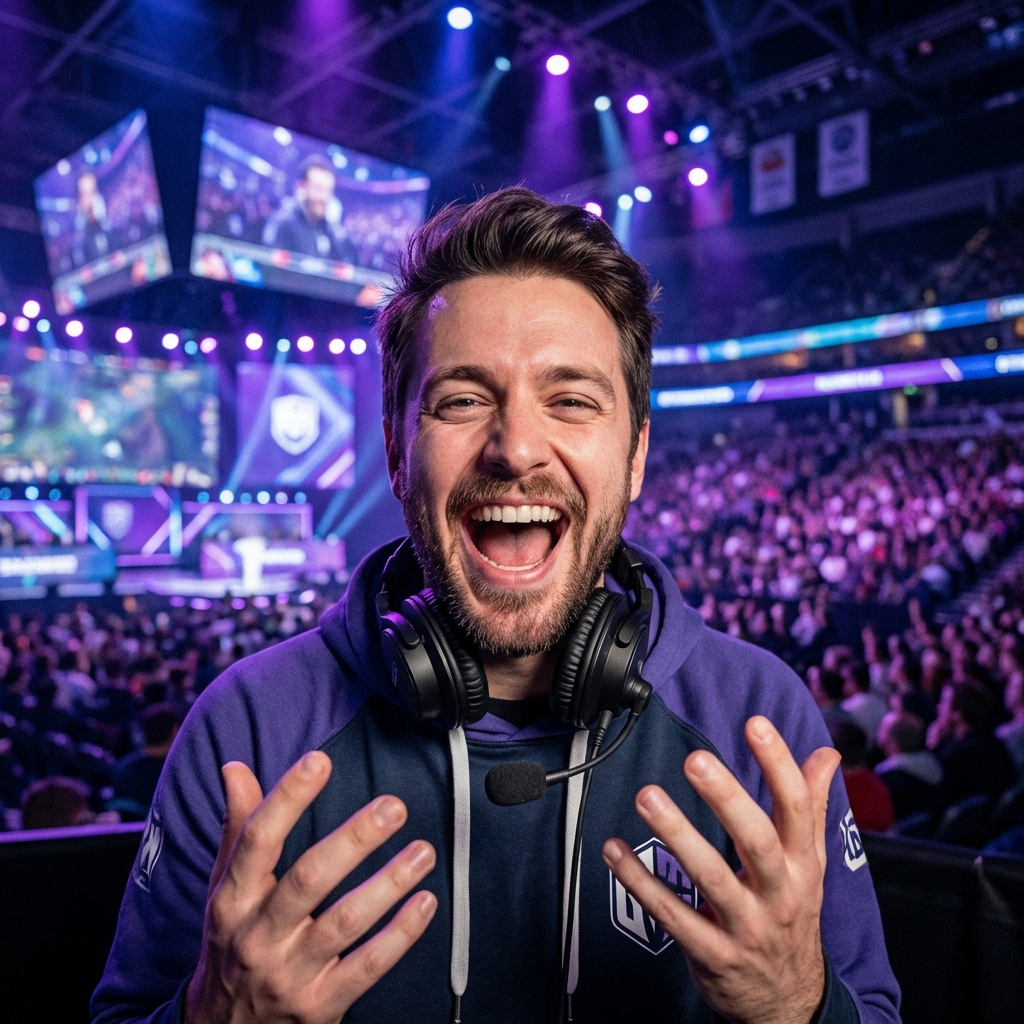
Esports has transcended the realm of dedicated gamers to capture the attention of a massive global audience. Live events draw tens of thousands of spectators to arenas, while online streams attract millions of concurrent viewers. The production quality of esports broadcasts often rivals that of major sporting events, featuring professional commentary, high-definition graphics, and engaging on-screen analysis. This spectacle is key to its mainstream appeal.Massive Online Viewership
Platforms like Twitch, YouTube Gaming, and dedicated esports streaming services have become central to the esports experience. Major tournaments can achieve viewership numbers in the hundreds of millions of hours watched annually. This broad reach makes esports a highly attractive proposition for advertisers and sponsors looking to connect with a young, engaged demographic.Over 500 million
Estimated Esports Viewers Worldwide
Millions
Concurrent Viewers for Major Finals
Tens of thousands
Live Event Attendance
The Evolution of Esports Broadcasts
Esports broadcasts have evolved from simple gameplay streams to sophisticated productions. Professional casters and analysts provide expert commentary, bringing depth and excitement to the matches. On-screen graphics display crucial game statistics, player performance metrics, and strategic insights, making the games accessible and engaging for both seasoned fans and newcomers. The integration of social media further enhances viewer interaction.Fan Engagement and Community Building
The passion of esports fans is a driving force behind its success. Online communities, forums, and social media platforms are vibrant hubs where fans discuss games, players, and teams. Live events foster a sense of shared experience and collective excitement, akin to traditional sporting events. This strong community bond ensures sustained interest and loyalty.Looking Ahead: The Future Trajectory of Competitive Gaming
The future of esports appears exceptionally bright, with continued growth projected across all metrics. Emerging technologies, new game genres, and increasing mainstream acceptance are poised to shape its evolution. The integration of esports into broader entertainment and educational spheres suggests a future where competitive gaming is as commonplace as traditional sports.Technological Advancements
The development of virtual reality (VR) and augmented reality (AR) could introduce entirely new dimensions to esports, offering more immersive experiences for both players and viewers. Advancements in artificial intelligence (AI) may also play a role in game design, training tools, and even opponent simulation. Cloud gaming platforms could also democratize access to high-end esports titles.New Game Genres and Platforms
While MOBAs and FPS games currently dominate, the landscape is always evolving. New game genres and innovative gameplay mechanics will undoubtedly emerge, creating new competitive ecosystems. The expansion of esports onto mobile platforms has already seen significant success, indicating a broader accessibility and potential for growth.Esports in Education and Mainstream Culture
The increasing recognition of esports' educational benefits, such as problem-solving, teamwork, and strategic thinking, will likely lead to further integration into academic curricula. As esports continues to gain mainstream cultural acceptance, its influence will permeate beyond dedicated gaming communities, becoming a more integral part of global entertainment. The potential for cross-overs with other media industries is vast.What are the most popular esports games currently?
The most popular esports games include "League of Legends," "Dota 2," "Counter-Strike 2," "Valorant," "Apex Legends," "Fortnite," and "PUBG Mobile," among others. The popularity can vary by region and genre.
Can I make a living as an esports professional?
Yes, it is possible to make a living as an esports professional, but it is highly competitive. Top players can earn significant salaries and prize money, along with endorsements. However, it requires immense dedication, skill, and often years of practice. Many other roles in the esports industry also offer viable career paths, such as coaching, casting, marketing, and event management.
How much prize money is typically offered in major esports tournaments?
Prize pools for major esports tournaments can range from hundreds of thousands to tens of millions of dollars. For example, "The International" for Dota 2 has historically offered prize pools exceeding $40 million USD. Other major events for games like League of Legends and Counter-Strike also feature multi-million dollar prize pools.
What are the biggest challenges facing the esports industry today?
Key challenges include ensuring player health and well-being (preventing burnout, mental health issues), maintaining competitive integrity (combating match-fixing and doping), developing standardized governance and regulations, and addressing toxicity within online communities.