

 Max Speed

⏱ 15 min
Esports 3.0: The Cultural and Economic Evolution of Professional Gaming
The global esports market size was valued at USD 1.38 billion in 2022 and is projected to reach USD 2.80 billion by 2028, growing at a CAGR of 12.09% during the forecast period.The Dawn of Esports: From LAN Parties to Global Spectacle
The roots of competitive gaming, or esports, can be traced back to the early days of video game arcades and the advent of home consoles. What began as informal gatherings of friends, often referred to as LAN parties, where players would connect their computers to compete in local networks, has undergone a seismic transformation. Early pioneers like "Spacewar!" in the late 1970s and the emergence of organized tournaments for games like "Donkey Kong" laid the groundwork for a nascent competitive scene. However, it was the rise of PC gaming and the internet that truly ignited the flame. Games like "Doom" and "Quake" fostered communities centered around multiplayer matches, and the first significant professional tournaments, such as the Nintendo World Championships in 1990, showcased the potential for organized competition.Early Milestones and Defining Titles
The late 1990s and early 2000s saw the emergence of titles that would become synonymous with the early esports era. "StarCraft: Brood War" in South Korea, in particular, became a cultural phenomenon, with professional leagues and televised matches drawing massive audiences. This period also saw the rise of "Counter-Strike," a mod for "Half-Life," which rapidly evolved into one of the most enduring competitive first-person shooter titles. These games, with their high skill ceilings and strategic depth, attracted dedicated player bases and laid the foundation for structured leagues and tournaments.Esports 2.0: The Rise of Professionalism and Infrastructure
As the internet became more accessible and bandwidth increased, esports began to shed its underground image and embrace a more professional structure. The mid-to-late 2000s marked the transition into what can be termed "Esports 2.0." This era was characterized by the establishment of dedicated esports organizations, the professionalization of player contracts, and the significant growth of online streaming platforms like Twitch, which allowed for widespread accessibility to live competitions. Major tournaments began to emerge with substantial prize pools, attracting talent from across the globe and fostering a sense of legitimacy for competitive gaming.The Streaming Revolution
The advent of live streaming platforms was a pivotal moment. Twitch, launched in 2011, provided a centralized hub for esports content, allowing fans to watch their favorite players and teams compete in real-time. This democratized viewership, moving beyond traditional television broadcasts and enabling a more interactive and engaging experience through chat functionalities. The accessibility and community-building aspects of streaming were instrumental in rapidly expanding the esports audience and fostering fan loyalty.The Birth of Major Franchises and Leagues
Esports 2.0 witnessed the formalization of leagues and the creation of professional team franchises. Riot Games' "League of Legends" Championship Series (LCS) and Activision Blizzard's "Overwatch" League (OWL) were early examples of franchised models, where teams paid significant buy-in fees for a stake in the league. This approach mirrored traditional sports leagues, offering stability, long-term investment opportunities, and a more predictable structure for teams and players alike. This period also saw the consolidation of prize pools, with events like The International for "Dota 2" breaking records and drawing significant media attention.| Year | Major Tournament Prize Pool (USD) | Corresponding Game |
|---|---|---|
| 2011 | $1,600,000 | Dota 2 (The International) |
| 2013 | $2,050,000 | Dota 2 (The International) |
| 2015 | $18,429,613 | Dota 2 (The International) |
| 2019 | $34,330,069 | Dota 2 (The International) |
Esports 3.0: The Era of Cultural Integration and Mainstream Acceptance
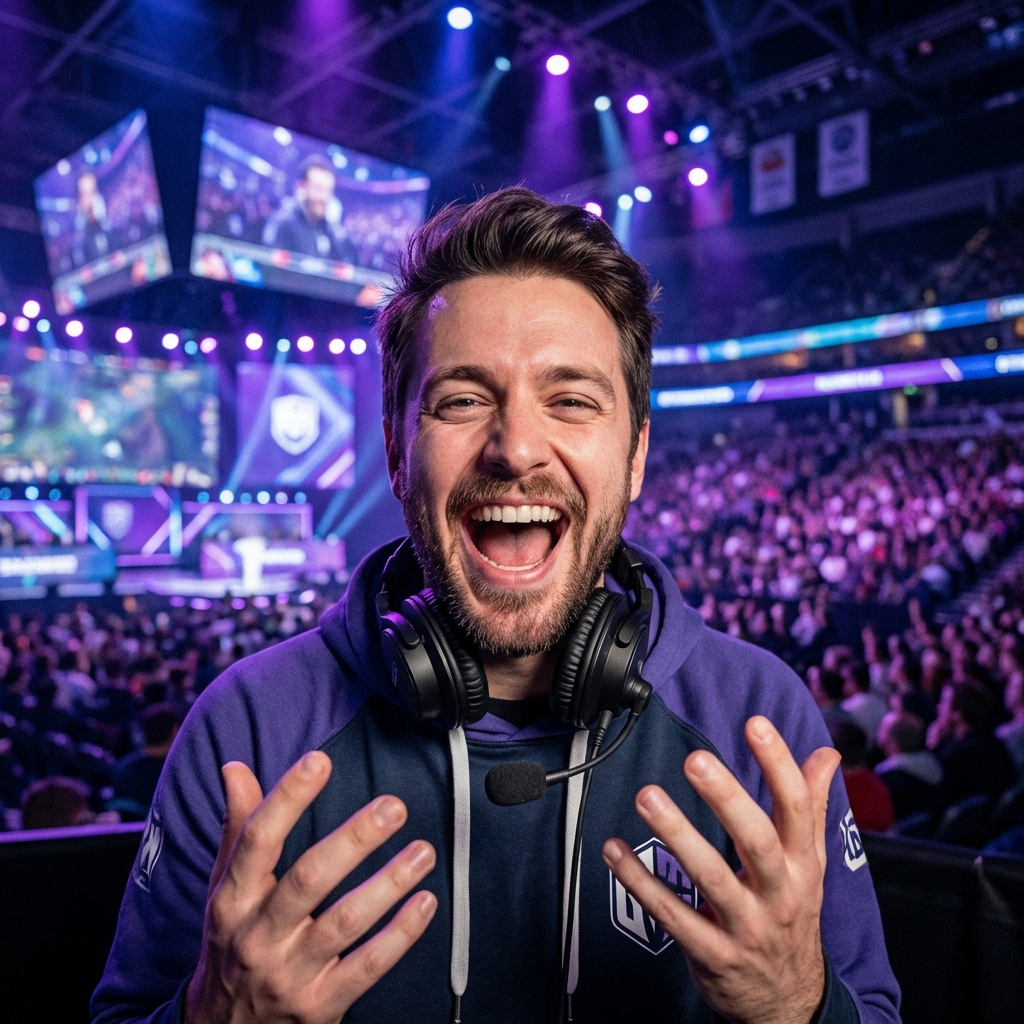
We are now firmly in the era of "Esports 3.0," a phase defined by its deep integration into mainstream culture and its burgeoning economic power. This isn't just about gaming; it's about a fundamental shift in how entertainment, sports, and community are perceived and consumed. Esports 3.0 is characterized by a blurring of lines between traditional entertainment and digital competition, with a growing recognition of its artistic, athletic, and social significance. The audience is diversifying, the career pathways are expanding, and the economic structures are becoming increasingly sophisticated, attracting investment from a wider array of industries.The Shifting Demographics of the Esports Fanbase
One of the most significant indicators of Esports 3.0 is the evolving demographic of its audience. While initially dominated by young males, the esports fanbase is rapidly diversifying. Women now constitute a substantial portion of the viewership, and interest is growing across a broader age spectrum, extending beyond the stereotypical teenage gamer. This broadening appeal is driven by more accessible game titles, inclusive community building, and the increasing presence of diverse streamers and personalities. Major brands are recognizing this expanding demographic, leading to more inclusive marketing campaigns and sponsorships.45%
Female Esports Viewers
25-34
Key Age Demographic
1 Billion+
Global Esports Viewers
Esports as a Legitimate Career Path
The perception of gaming as a hobby is rapidly giving way to its recognition as a viable and lucrative career path. Beyond professional players, Esports 3.0 has fostered a complex ecosystem of roles. This includes coaches, analysts, team managers, event organizers, broadcasters, content creators, marketing specialists, and even esports psychologists. Universities are now offering degrees in esports management and related fields, while established sports organizations are investing in or creating their own esports divisions. This professionalization attracts a wider talent pool and contributes to the sustainability of the industry."We're seeing a paradigm shift where aspiring professionals are looking at esports with the same seriousness as traditional sports. The infrastructure, the investment, and the sheer passion involved are undeniable." — Sarah Chen, Esports Consultant
The Economic Engine of Esports 3.0
The economic landscape of esports has exploded in Esports 3.0, moving beyond prize money and sponsorships to encompass a multifaceted revenue streams. The industry is now a significant player in the global entertainment market, attracting substantial investment and generating billions in revenue annually. This economic growth is fueled by increasing viewership, professionalization, and the integration of esports into broader media and marketing strategies.Sponsorships: Beyond Tech and Energy Drinks
While technology companies and energy drink brands were early adopters of esports sponsorship, the landscape has broadened considerably. Luxury brands, automotive manufacturers, fashion labels, and even financial institutions are now investing in esports teams, leagues, and events. These sponsorships are no longer just about brand visibility; they are about authentic engagement with a highly targeted and digitally native audience. Brands are collaborating with players and teams on creative content, merchandise, and experiential marketing.Esports Sponsorship Growth (Projected)
Media Rights and Broadcasting Deals
The value of media rights for major esports leagues and tournaments has skyrocketed. Traditional sports broadcasters and streaming giants are vying for exclusive rights to broadcast premier esports events. This signifies a major shift in media consumption, where esports content is now considered a premium offering. Deals are becoming more sophisticated, encompassing linear television, digital streaming platforms, and even in-game broadcasting. The ability to reach a global, engaged audience makes these rights highly coveted.Merchandise and In-Game Monetization
Beyond sponsorships and media rights, esports teams and game developers are tapping into lucrative revenue streams from merchandise sales and in-game monetization. Team-branded apparel, accessories, and collectibles are popular among fans, creating a significant income stream for organizations. Furthermore, developers are increasingly integrating esports-themed content, skins, and battle passes into their games, often with a portion of the revenue directly supporting professional teams and tournaments. This creates a virtuous cycle where in-game engagement fuels the esports ecosystem."The economic potential of esports is immense, but it's crucial for stakeholders to build sustainable models. Diversifying revenue, focusing on fan engagement, and maintaining the integrity of the competition are paramount." — David Lee, Chief Financial Officer, Global Esports Ventures
Technological Advancements Fueling the Evolution
Technology is the bedrock upon which esports is built, and continuous innovation is driving its evolution in Esports 3.0. From the hardware that powers gameplay to the software that enhances viewing experiences, technological advancements are reshaping every facet of professional gaming. This includes leveraging data for performance analysis, creating more immersive spectator experiences, and improving the accessibility and quality of competitive play.AI and Data Analytics in Player Performance
Artificial intelligence and advanced data analytics are revolutionizing how players and teams train and strategize. Sophisticated algorithms can now analyze vast amounts of gameplay data to identify player tendencies, optimize team compositions, and predict opponent strategies. This data-driven approach allows for more targeted practice sessions, personalized coaching, and a deeper understanding of game mechanics. AI is also being used to detect cheating and ensure fair play, further enhancing the integrity of competitions.Virtual and Augmented Reality in Fan Experience
While still in its nascent stages, virtual reality (VR) and augmented reality (AR) hold immense potential for transforming the esports fan experience. VR could allow fans to experience tournaments from a player's perspective or offer immersive virtual arenas for spectating. AR could overlay real-time game statistics and player information onto live broadcasts or even bring virtual characters and elements into the real world during live events. These technologies promise to create more engaging and interactive ways for fans to connect with their favorite games and teams. Reuters: Esports boom shows no signs of slowing down Wikipedia: EsportsChallenges and the Road Ahead for Esports 3.0
Despite its rapid growth and increasing mainstream acceptance, Esports 3.0 faces several critical challenges that must be addressed to ensure its long-term sustainability and continued evolution. These challenges range from player welfare and talent development to the establishment of robust regulatory frameworks and the pursuit of equitable economic models. Navigating these complexities will be crucial for esports to reach its full potential.Talent Development and Player Welfare
The intense demands of professional gaming can take a significant toll on players. Issues such as burnout, mental health challenges, and physical strain due to prolonged gameplay need to be addressed. The development of comprehensive player support systems, including access to sports psychologists, physical therapists, and robust mental health resources, is essential. Furthermore, nurturing new talent through structured academy systems and educational programs is vital for the continuous influx of skilled players into the professional scene.Regulatory Frameworks and Integrity
As esports gains legitimacy, the need for clear regulatory frameworks becomes paramount. Issues such as match-fixing, doping, and anti-competitive practices must be proactively addressed. Establishing governing bodies that can enforce rules, conduct investigations, and ensure fair play is crucial for maintaining the integrity of the sport. This includes developing standards for player contracts, transfer windows, and ethical conduct.Sustainability and Long-Term Growth
Ensuring the long-term economic sustainability of esports organizations and leagues is a key challenge. Over-reliance on volatile sponsorship revenue, the high cost of player acquisition, and the rapid pace of game development can create instability. Diversifying revenue streams, fostering strong community engagement, and exploring innovative business models will be critical for enduring success. The industry must also continue to adapt to changing player and audience preferences to remain relevant.What distinguishes Esports 3.0 from previous eras?
Esports 3.0 is characterized by its deep integration into mainstream culture, broader demographic appeal, and a more sophisticated economic structure, moving beyond niche appeal to become a significant player in the global entertainment industry.
Are there legitimate career opportunities in esports besides playing?
Yes, absolutely. Esports 3.0 has created a wide array of career paths, including coaching, team management, broadcasting, content creation, marketing, event organization, and more. Universities are even offering degrees in esports-related fields.
What are the major economic drivers of modern esports?
The primary economic drivers include sponsorships from a diverse range of brands, lucrative media rights deals for broadcasting competitions, and revenue generated from merchandise sales and in-game monetization.
What are the biggest challenges facing esports today?
Key challenges include ensuring player welfare and mental health, establishing robust regulatory frameworks to maintain integrity, and achieving long-term economic sustainability through diversified revenue streams and innovative business models.