

 Sophie Turner
⏱ 45 min
The global esports market is projected to reach over $2.5 billion by 2025, a testament to its rapid growth and increasing legitimacy as a career path.
The Dawn of a New Era: Esports Ascent from Niche Hobby to Global Phenomenon
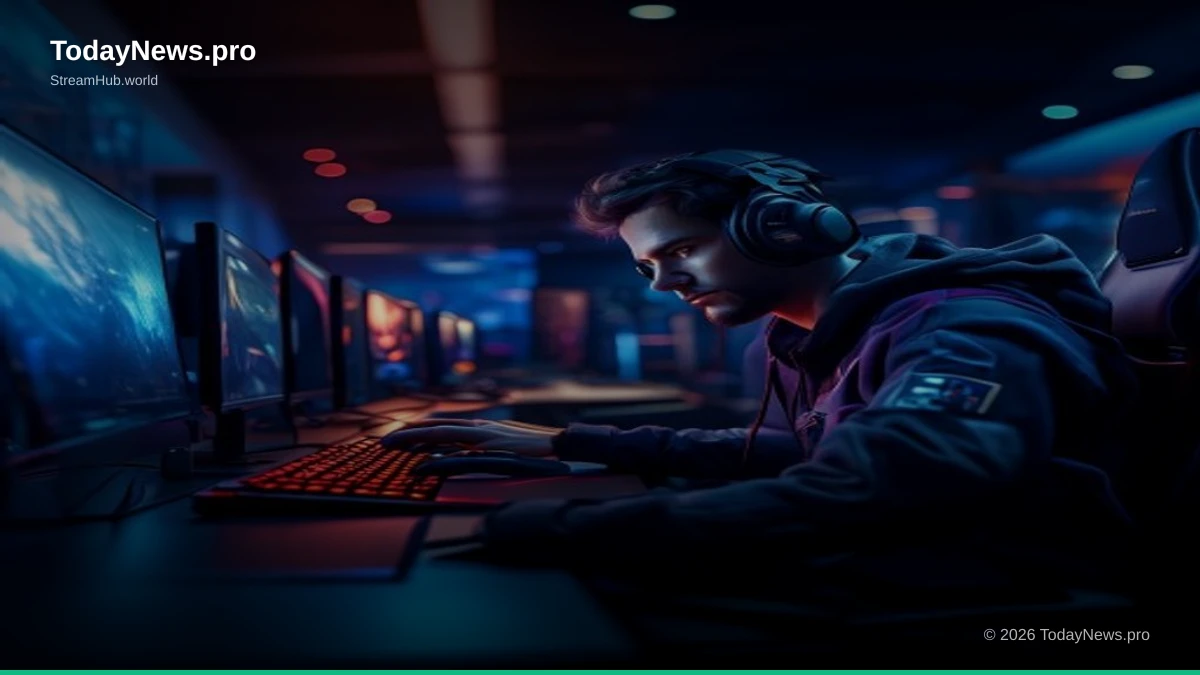
Once relegated to dimly lit arcades and LAN parties, competitive video gaming, now widely recognized as esports, has undergone a dramatic metamorphosis. What began as a niche interest for dedicated enthusiasts has exploded into a global entertainment industry, attracting millions of viewers, substantial investment, and a growing legion of professional participants. This dramatic shift is not merely a fleeting trend; it signifies a fundamental redefinition of what constitutes professional entertainment and a viable career. The sheer scale of major esports tournaments, often held in sold-out arenas akin to traditional sporting events, underscores this transformation. Prize pools that once numbered in the thousands now routinely exceed millions of dollars, drawing the attention of mainstream media and corporate sponsors alike. This professionalization has moved esports from the periphery of popular culture directly into its vibrant core, creating an ecosystem ripe with opportunity for those with the talent and dedication to thrive.From Basement Battles to Stadium Spectacles
The evolution of esports can be traced through several key milestones. Early competitive gaming in the 1970s and 80s, while primitive by today's standards, laid the groundwork. The advent of the internet and the rise of online multiplayer games in the late 1990s and early 2000s were pivotal. Games like "StarCraft," "Counter-Strike," and later "Defense of the Ancients" (DotA) and "League of Legends" fostered communities where players could hone their skills and compete against a global player base. Streaming platforms like Twitch, launched in 2011, democratized viewership, allowing aspiring players to gain recognition and established professionals to build massive fan bases. This accessibility, coupled with increasing prize money and the formation of organized leagues and teams, cemented esports' trajectory towards mainstream acceptance and professional viability.The Shifting Perception of Gaming
For decades, video gaming was often perceived as a pastime for children or a solitary, unproductive hobby. However, the rise of esports has challenged these stereotypes. The strategic depth, lightning-fast reflexes, teamwork, and dedication required at the professional level are comparable to those demanded in traditional sports. This has led to a gradual but significant shift in public perception, with parents, educators, and even governments beginning to acknowledge the skills and potential career pathways that esports offers. The analytical commentary, coaching staff, and strategic planning involved in top-tier esports mirror the complexities of professional sports, further solidifying its legitimacy in the eyes of a broader audience.Beyond the Keyboard: The Multifaceted Ecosystem of Professional Esports
The professional esports landscape extends far beyond the players themselves, encompassing a complex and interconnected ecosystem that mirrors traditional sports industries. This intricate web includes team organizations, tournament organizers, game developers, publishers, broadcasters, content creators, marketing agencies, and a growing support staff. Each component plays a crucial role in the functioning and growth of this burgeoning industry, creating diverse career opportunities for individuals with a wide range of skills. Understanding this ecosystem is vital for anyone considering a career in esports, as it reveals the many entry points beyond direct competition.Team Organizations: The Professional Backbone
Esports organizations are the bedrock of professional play. These entities recruit, manage, and support players, often providing them with salaries, housing, training facilities, and stipends for equipment and travel. They handle marketing, branding, and sponsorship acquisition, functioning much like traditional sports franchises. Prominent organizations like FaZe Clan, TSM, and G2 Esports have become household names within the gaming community, attracting significant investment and building substantial brands. The professionalization of these teams has introduced structured training regimens, psychological support, and performance analysis, all aimed at maximizing player potential and achieving competitive success.Tournament Organizers: The Architects of Competition
Companies like ESL (Electronic Sports League), BLAST Premier, and Riot Games (for its own titles) are responsible for conceptualizing, producing, and executing major esports tournaments. They secure venues, manage broadcast production, handle logistics, and ensure fair play. The scale and complexity of these events have grown exponentially, requiring expertise in event management, broadcasting, marketing, and operations. These organizers are the driving force behind the spectator experience, creating engaging and high-stakes competitions that draw millions of viewers online and in person. Their work directly translates into the lucrative prize pools and sponsorship opportunities that define professional esports.Game Developers and Publishers: The Content Creators
At the genesis of every esports title lies a game developer and its publisher. These entities not only create the games but also actively support and shape their competitive scenes. They invest in esports infrastructure, design in-game features that promote competitive balance, and often fund professional leagues and tournaments. Titles like "League of Legends," "Valorant," "CS:GO," and "Dota 2" owe their massive esports followings to the continuous development and support provided by their creators. Their decisions regarding game updates, balance patches, and esports initiatives have a profound impact on the viability and longevity of competitive titles.The Players Journey: From Bedroom Prodigy to Esports Athlete
The path to becoming a professional esports athlete is arduous and demanding, requiring a unique blend of innate talent, relentless practice, strategic thinking, and mental fortitude. It's a journey that begins with a passion for a particular game and often progresses through local tournaments, online rankings, and amateur leagues before catching the eye of professional scouts and team organizations. The stereotypical image of a gamer playing for hours on end is only part of the story; professional play involves structured training, data analysis, and a commitment to physical and mental well-being, akin to any elite athlete.Talent Identification and Scouting
Talent identification in esports is an increasingly sophisticated process. While raw mechanical skill – the ability to execute precise actions quickly and accurately – is a primary indicator, scouts also look for crucial intangible qualities. These include exceptional game sense (understanding the game's dynamics, predicting opponent actions), communication skills, adaptability, and the capacity to perform under pressure. Many aspiring professionals gain visibility through high rankings on game ladders, impressive performances in online tournaments, or by creating compelling content that showcases their skills. Team organizations actively scout these platforms, looking for the next generation of stars.Rigorous Training and Practice Regimens
Professional esports players engage in highly structured and demanding training regimens. This typically involves several hours of in-game practice each day, focusing on specific mechanics, strategies, and team coordination. However, it's not just about raw playtime. Modern esports training incorporates: * **VOD Review:** Analyzing past game recordings to identify mistakes, improve decision-making, and strategize against opponents. * **Theorycrafting:** Deep dives into game mechanics, meta-analysis, and developing new strategies. * **Scrimmages:** Practice matches against other professional or high-level teams to simulate competitive environments. * **Physical and Mental Conditioning:** Many teams employ trainers and sports psychologists to ensure players maintain peak physical health and mental resilience. This includes exercise, nutrition, sleep optimization, and stress management techniques. The commitment to this level of discipline is what separates hobbyists from professionals and underscores the legitimacy of esports as a demanding athletic pursuit.8-12
Hours of Practice Daily
50%
Focus on Strategy & Analysis
3
Team Meetings Weekly
100%
Commitment to Well-being
The Importance of Teamwork and Communication
While individual skill is paramount in many esports titles, effective teamwork and communication are equally critical for success at the professional level. Games like "League of Legends," "Valorant," and "Overwatch" are inherently team-based, requiring players to coordinate strategies, call out enemy positions, and execute complex maneuvers in perfect sync. Professional teams invest heavily in developing robust communication protocols and fostering strong interpersonal relationships among players. This aspect of professional play highlights the transferable skills gained, such as leadership, problem-solving, and collaborative decision-making."Professional esports players are elite athletes. They require incredible hand-eye coordination, strategic thinking, and the ability to perform under immense pressure. Their training regimens are as rigorous, if not more so, than many traditional sports professionals." — Alex 'Blaze' Thompson, Head Coach, Phoenix Esports
The Business of Pixels: Investment, Sponsorship, and Revenue Streams
The immense growth in viewership and engagement has not gone unnoticed by the corporate world. Esports has become an attractive proposition for investors and sponsors seeking to tap into a young, digitally-native demographic. This influx of capital has fueled the professionalization of the industry, enabling higher salaries, better infrastructure, and larger prize pools. The revenue streams within esports are diverse and continue to evolve, creating a robust economic engine.Corporate Sponsorship and Brand Integration
Major non-endemic brands, those not traditionally associated with gaming, are increasingly investing in esports. Companies from the automotive, fashion, beverage, and technology sectors are sponsoring teams, tournaments, and individual players. These partnerships go beyond simple logo placement, with brands integrating themselves into the esports culture through content creation, fan engagement activities, and product tie-ins. This sponsorship is a significant driver of revenue for teams and leagues, allowing for greater investment in player development and operational excellence.Media Rights and Broadcasting Deals
The broadcasting of esports has become a significant revenue generator. Major tournaments are streamed across platforms like Twitch, YouTube Gaming, and dedicated esports networks. Increasingly, media rights deals are being struck with traditional broadcasters and streaming services, similar to those seen in traditional sports. These deals provide leagues and event organizers with substantial income, enabling them to invest further in production quality and reach a wider audience. The professional broadcast production values now rival those of major sports broadcasts, enhancing the spectator experience and increasing the appeal to advertisers.Investment and Venture Capital
Venture capital firms and private equity groups have recognized the immense potential of the esports market. They are investing heavily in esports organizations, tournament platforms, and supporting technologies. This capital infusion is critical for scaling operations, developing infrastructure, and driving innovation. The growing interest from institutional investors signals a maturation of the market and a belief in its long-term sustainability as a legitimate industry. This investment is not just about growth; it's about building a stable and profitable future for esports.| Year | Global Esports Market Size (USD Billions) | Year-over-Year Growth |
|---|---|---|
| 2020 | 0.97 | - |
| 2021 | 1.08 | 11.3% |
| 2022 | 1.38 | 27.8% |
| 2023 (Est.) | 1.70 | 23.2% |
| 2024 (Est.) | 2.05 | 20.6% |
| 2025 (Est.) | 2.50 | 22.0% |
Source: Newzoo, Statista. Projections may vary slightly between sources.
Challenges and Controversies: Navigating the Rough Seas of Esports
Despite its rapid professionalization and growing legitimacy, the esports industry is not without its challenges and controversies. Issues such as player burnout, the integrity of competition, the lack of standardized regulations, and the mental health of athletes require ongoing attention and proactive solutions. Addressing these concerns is crucial for the long-term health and sustainability of esports as a legitimate career path.Player Burnout and Mental Health
The intense training schedules, high-pressure competitive environments, and the often-short career spans of esports athletes can lead to significant burnout and mental health issues. Unlike traditional sports, the rapid pace of technological change and the constant influx of new talent can create immense pressure to perform and evolve quickly. Many organizations are now recognizing the importance of mental health support, employing sports psychologists and implementing wellness programs to help players cope with the unique demands of their profession. This is a critical area of development for the industry."The mental toll on professional gamers is often underestimated. The constant need to be ‘on,’ coupled with performance anxiety and the risk of public scrutiny, can be incredibly taxing. Prioritizing mental well-being is no longer optional; it's a necessity for player longevity and success." — Dr. Evelyn Reed, Sports Psychologist
Match-Fixing and Competitive Integrity
As with any competitive arena that involves high stakes and financial rewards, the specter of match-fixing and other forms of cheating looms over esports. Ensuring competitive integrity is paramount for maintaining fan trust and the legitimacy of the sport. Tournament organizers and game developers are continually investing in anti-cheat technologies and integrity monitoring systems. However, the decentralized nature of some esports and the sheer volume of matches present significant challenges. Robust investigations and strict penalties are essential to deter such activities. For more information on the history and challenges of competitive integrity, see Wikipedia's Esports page.Lack of Universal Governance and Standardization
The esports industry is fragmented, with different games and regions often operating under varying sets of rules and governance structures. This lack of a universal governing body, akin to FIFA or the NBA, can lead to inconsistencies in regulations, player contracts, and dispute resolution. While efforts are being made to establish industry-wide standards, the rapid evolution of the scene makes this a complex undertaking. The development of more standardized frameworks will be crucial for providing greater stability and player protection.The Evolving Regulatory Landscape
Governments worldwide are beginning to recognize esports as a significant cultural and economic force. This has led to increasing attention from regulatory bodies, particularly concerning player contracts, prize money distribution, and the classification of esports athletes. Some countries are moving towards recognizing esports players as professional athletes, which can unlock certain benefits and protections. However, the landscape is still in its nascent stages, and the long-term regulatory framework is yet to be fully defined. Understanding these developing regulations is important for both players and organizations.The Future of Play: Innovation and Evolution in Competitive Gaming
The trajectory of esports suggests a future brimming with innovation and continued expansion. Advancements in technology, the emergence of new gaming genres, and the increasing integration with mainstream entertainment are poised to shape the next era of competitive gaming. The industry's adaptability and willingness to embrace new ideas will be key to its sustained growth and its ability to remain relevant in an ever-changing digital landscape.Emergence of New Genres and Platforms
While established titles like MOBAs and FPS games continue to dominate, new genres are constantly emerging and finding their competitive footing. The rise of battle royale games, the increasing popularity of auto-battlers, and the potential for virtual reality (VR) and augmented reality (AR) esports suggest a dynamic future. Furthermore, the expansion of esports onto mobile platforms has opened up massive new markets, particularly in Asia and Latin America, offering different strategic and accessibility considerations.Integration with Mainstream Entertainment
The lines between esports and traditional entertainment are increasingly blurring. Major media companies are investing in esports content production, and esports stars are appearing in mainstream advertising campaigns and even television shows. The potential for esports to be integrated into broader entertainment ecosystems, such as live music events or interactive storytelling experiences, is significant. This cross-pollination can introduce esports to new audiences and further solidify its cultural relevance. For instance, Savvy Games acquired a stake in Embracer Group, highlighting the significant financial interest from outside traditional gaming sectors.Technological Advancements and Immersive Experiences
Future innovations in areas like artificial intelligence (AI), cloud gaming, and immersive technologies like VR/AR will undoubtedly shape the future of esports. AI could be used for more sophisticated opponent simulation, advanced analytics, and even to create new forms of competitive gameplay. Cloud gaming has the potential to democratize access to high-fidelity gaming experiences, lowering the barrier to entry for aspiring players. VR and AR esports could offer entirely new dimensions of competition, demanding different skill sets and creating unique spectator experiences.Esports as a Viable Career: Demystifying the Opportunities
The question for many is no longer *if* esports is a legitimate career path, but *how* to navigate it. The opportunities extend far beyond the professional player role. The industry's rapid growth has created a demand for a wide array of professionals with diverse skill sets. Understanding these roles and the pathways to achieving them is crucial for aspiring individuals.Beyond the Pro Player: Diverse Career Roles
The perception of esports careers often narrowly focuses on professional players. However, the industry requires a vast support structure. These roles include: * **Coaches and Analysts:** Developing strategies, scouting talent, and providing in-game guidance. * **Team Managers and Operations Staff:** Handling logistics, player contracts, and team welfare. * **Broadcast Producers and Commentators (Casters):** Creating engaging live broadcasts and providing expert commentary. * **Content Creators and Streamers:** Building personal brands and engaging with fan bases. * **Event Organizers and Managers:** Planning and executing tournaments and live events. * **Marketing and PR Specialists:** Promoting teams, players, and events. * **Game Developers and Designers:** Creating and refining the competitive titles themselves. * **Esports Journalists and Media:** Reporting on the industry and its personalities. * **Lawyers and Agents:** Specializing in player contracts and legal matters. * **Esports Psychologists and Nutritionists:** Supporting player health and performance.Building a Career: Education and Skill Development
While raw talent is essential for players, aspiring professionals in all areas of esports benefit from education and skill development. Universities and colleges are increasingly offering degrees and specialized courses in esports management, game design, and related fields. For those already in the industry, continuous learning and adaptation are key. Networking within the esports community, attending industry events, and seeking mentorship can provide invaluable guidance and opportunities. The transferable skills learned in esports, such as problem-solving, strategic thinking, and digital literacy, are valuable across many industries.The Road Ahead: Stability and Growth
The professionalization of esports is an ongoing process. As the industry matures, we can expect to see more standardized contracts, clearer career progression pathways, and greater stability for athletes and professionals. The continued investment, growing audience, and increasing acceptance of esports as a legitimate form of entertainment and competition suggest a bright future. For those with a passion for gaming and the dedication to excel, esports offers a dynamic and potentially rewarding career path.Is esports a real sport?
The definition of "sport" is debated, but esports shares many characteristics with traditional sports, including high levels of skill, strategy, teamwork, intense training, and significant competitive pressure. Many people consider it a legitimate athletic pursuit.
How much do professional esports players earn?
Earnings vary widely. Top-tier players can earn hundreds of thousands or even millions of dollars annually through salaries, prize winnings, sponsorships, and streaming revenue. Mid-tier and aspiring professionals earn significantly less, often relying on a combination of prize money and stipends.
What are the best games to go pro in?
The most popular esports titles with the largest professional scenes include "League of Legends," "Valorant," "Counter-Strike 2," "Dota 2," "Overwatch 2," "Fortnite," and various fighting games. The "best" game depends on individual skill, preference, and the game's established esports ecosystem.
Can I make a living playing video games without being a pro player?
Absolutely. The esports industry offers numerous career opportunities beyond playing, such as coaching, broadcasting, event management, marketing, content creation, and game development. Many individuals build successful careers in these supportive roles.