

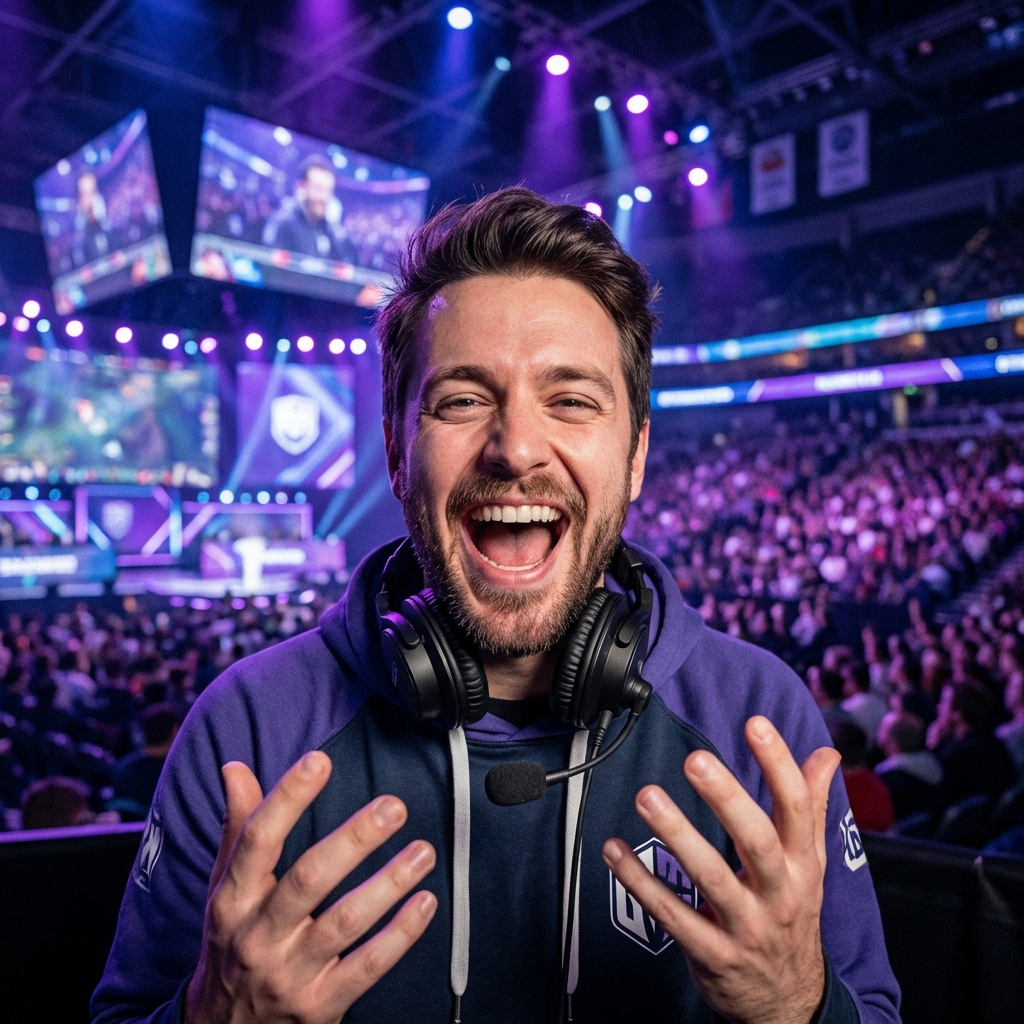
 Tom 'Retro' Baker
The global video game market, valued at a staggering $200 billion in 2023, is undergoing a seismic transformation. For decades, the industry's bedrock has been the powerful, dedicated gaming console – a physical box housing cutting-edge hardware designed for immersive, high-fidelity experiences. However, a confluence of technological advancements and evolving consumer habits is now challenging this long-held paradigm. Cloud gaming services and the pervasive adoption of subscription models are not merely incremental changes; they represent a fundamental reshaping of how games are developed, distributed, and consumed, potentially signaling the twilight of the traditional console era as we know it.
The Shifting Sands: From Physical Discs to Digital Streams
The transition from physical media to digital downloads has been a slow burn, gradually eroding the necessity of game cartridges and discs. This shift has been accelerated by robust internet infrastructure and the increasing prevalence of high-speed broadband connections. Consumers have grown accustomed to instant access, eliminating the need for trips to the store or waiting for deliveries. This digital-first mentality has paved the way for even more abstract forms of game delivery – namely, streaming.
The Evolution of Distribution
The journey from arcades to home consoles, then to PC gaming, and finally to mobile gaming has consistently favored convenience and accessibility. Each leap forward has broadened the gaming audience and diversified the ways in which people interact with interactive entertainment. The current wave, driven by cloud technology, aims to make gaming as accessible as watching a movie or listening to music, removing hardware as a primary barrier to entry.
The Dominance of Digital Sales
Data consistently shows a significant decline in physical game sales relative to digital. While some enthusiasts still prefer the tangible nature of discs, the overwhelming majority of gamers now opt for digital purchases. This trend is not just about convenience; it's also about the bundled value offered by digital storefronts, including sales, pre-order bonuses, and immediate access upon release. This foundational shift makes the leap to cloud streaming a natural progression.
Cloud Gaming: The Promise of Ubiquity and Accessibility
Cloud gaming, often referred to as "gaming on demand," fundamentally alters the hardware equation. Instead of relying on a powerful console or PC to run games locally, players stream titles from remote servers. This means a less powerful device – a smartphone, a tablet, a smart TV, or even a modest laptop – can access visually stunning and computationally intensive games. The primary requirement becomes a stable, high-speed internet connection.
How Cloud Gaming Works
At its core, cloud gaming leverages massive data centers where powerful servers render game graphics and process gameplay. The player's input is sent to these servers, the game's output is streamed back to the player's device as video and audio, and the process repeats in near real-time. Latency, the delay between input and response, is the critical technical hurdle, but advancements in network infrastructure and server-side optimization are rapidly mitigating this challenge.
Key Players in the Cloud Gaming Arena
Several tech giants have heavily invested in cloud gaming. Microsoft's Xbox Cloud Gaming (formerly xCloud) is integrated into its Game Pass Ultimate subscription, offering a vast library of games accessible on various devices. NVIDIA's GeForce NOW provides access to PC games purchased from other digital storefronts, allowing users to play them on less powerful hardware. Amazon Luna offers a similar subscription-based model with different "channels" of games. Google's Stadia, though discontinued, served as an early, albeit flawed, experiment that provided valuable lessons to the industry.
The Accessibility Advantage
The most significant appeal of cloud gaming lies in its democratization of high-end gaming. The prohibitive cost of the latest gaming consoles or high-performance PCs can be a barrier for many. Cloud gaming drastically lowers this entry point. A monthly subscription fee can grant access to a library of games that would otherwise cost hundreds of dollars to purchase individually, and playable on devices people already own. This inclusivity is a powerful disruptor.
Subscription Models: The Netflix Effect on Gaming
The subscription model, popularized by streaming services like Netflix and Spotify, has fundamentally altered consumer expectations regarding access to content. Instead of purchasing individual items, users pay a recurring fee for unlimited access to a vast catalog. Gaming has enthusiastically embraced this paradigm shift, with services like Xbox Game Pass becoming a cornerstone of Microsoft's gaming strategy.
Xbox Game Pass: A Disruptors Blueprint
Xbox Game Pass offers a compelling value proposition: access to hundreds of games, including all first-party Microsoft titles on day one of their release, for a monthly fee. This model incentivizes players to explore a wider range of games they might not have otherwise considered. It also shifts the focus from individual game sales to consistent engagement and subscriber retention.
The Impact on Game Development and Publishing
Subscription services influence how games are commissioned and developed. Publishers are increasingly aware of the need to produce content that appeals to a broad subscriber base and drives long-term engagement. This can lead to a greater emphasis on live-service games, multiplayer experiences, and consistent content updates to keep players invested within the ecosystem. The upfront revenue from individual game sales might be less critical for titles included in subscription libraries.
Subscription Fatigue and Value Proposition
While the appeal of abundant content for a fixed price is strong, concerns about "subscription fatigue" are emerging. Consumers are juggling multiple subscriptions across various media. For gaming subscriptions to remain viable, they must continually offer compelling value, exclusive content, and a seamless user experience that justifies the recurring cost and differentiates them from competitors.
Impact on Console Manufacturers: A Strategic Crossroads
The rise of cloud gaming and subscription models presents a complex challenge for traditional console manufacturers like Sony (PlayStation) and Microsoft (Xbox). Their business models have historically relied on hardware sales as a primary revenue stream, complemented by game sales and associated services. This new landscape forces a strategic re-evaluation of their core offerings.
Microsofts Aggressive Pivot
Microsoft, with its Xbox division, has been the most vocal proponent of this shift. Instead of viewing cloud gaming as a competitor to consoles, they see it as an extension. Xbox Cloud Gaming allows console owners to play games on their mobile devices or PCs, and it enables non-console owners to access the Xbox ecosystem. Their focus is on the Xbox ecosystem and Game Pass as the central pillar, with the console becoming one of several access points, rather than the sole gateway.
Sonys Calculated Approach
Sony, while also investing in cloud streaming with PlayStation Plus Premium, has historically maintained a stronger emphasis on exclusive, high-production-value single-player games that drive console sales. Their strategy appears to be more about complementing the traditional console experience with cloud offerings for a broader reach, rather than fully embracing a hardware-agnostic approach. The success of their first-party titles remains paramount to their console hardware strategy.
| Manufacturer | Primary Strategy | Cloud Offering | Subscription Service |
|---|---|---|---|
| Microsoft | Ecosystem & Subscription (Game Pass) | Xbox Cloud Gaming (integrated) | Xbox Game Pass (Ultimate includes cloud) |
| Sony | Console Exclusives & Premium Experience | PlayStation Plus Premium (streaming) | PlayStation Plus (tiers) |
| Nintendo | Unique Hardware & First-Party IP | Limited; primarily for older titles via NSO | Nintendo Switch Online |
The Future of Console Hardware
The question arises: if games can be streamed, will there still be a market for expensive, dedicated gaming consoles? Some analysts believe consoles will evolve into more specialized devices – perhaps optimized for lower latency streaming, or serving as media hubs with enhanced gaming capabilities. Others predict a gradual decline in console sales as cloud gaming matures and becomes the dominant mode of access for a significant portion of the market. The hardware may become less about raw processing power and more about seamless connectivity and user experience.
The Players Perspective: Convenience vs. Control
For consumers, the shift to cloud gaming and subscriptions presents a trade-off between convenience and control, alongside significant cost considerations.
The Allure of Instant Access and Lower Cost
The primary draw for players is undeniable: instant access to a vast library of games on any compatible device, without the upfront investment in expensive hardware. This lowers the barrier to entry for new gamers and allows existing gamers to explore titles they might otherwise skip due to cost or hardware limitations. The ability to play a graphically intensive game on a tablet during a commute, or on a smart TV without a console, is incredibly appealing.
Concerns About Ownership and Performance
However, this convenience comes with inherent trade-offs. In a subscription model, players do not "own" the games in the traditional sense. If a game is removed from a service, access is lost. Furthermore, the reliance on internet connectivity means that poor network performance, high latency, or even an internet outage can render games unplayable. This is a stark contrast to local hardware, where play is generally consistent once the game is installed.
The Role of Internet Infrastructure
The viability of cloud gaming is inextricably linked to the quality and availability of internet infrastructure. In regions with less robust broadband, cloud gaming will remain a niche offering. Even in areas with good internet, inconsistent speeds or data caps can hinder the experience. As cloud gaming scales, the demand on internet providers will increase, potentially creating new challenges for network management and infrastructure investment.
The Future Landscape: A Hybrid Ecosystem?
It is unlikely that the transition will be a complete and abrupt end to consoles. Instead, the industry is likely heading towards a more diverse, hybrid ecosystem where different models coexist and complement each other.
Consoles as Premium Devices
Next-generation consoles will likely still exist, but perhaps cater to a more dedicated segment of the market. These could be devices optimized for the lowest possible latency, offering the absolute best graphical fidelity, or acting as powerful media hubs that also support cloud streaming. They might evolve into the "premium" option for those who prioritize performance and control above all else.
Cloud Gaming as the Mainstream Option
For the majority of players, cloud gaming will likely become the default. Services will continue to expand their libraries, improve streaming technology, and offer more tiered subscription options to cater to different budgets and preferences. This is where the bulk of new player acquisition will likely occur.
The Rise of Gaming PCs in the Cloud
Services like GeForce NOW are already demonstrating the potential for cloud-based PC gaming. Users can leverage the power of cloud servers to play demanding PC titles on any device, effectively turning their laptop or tablet into a high-end gaming rig. This segment is expected to grow significantly as more PC games become compatible with streaming platforms.
Challenges and Opportunities Ahead
The path forward for cloud gaming and subscription models is not without its hurdles, but the opportunities for innovation and market expansion are immense.
Technological Hurdles and Infrastructure Demands
The persistent challenge of latency, even with advancements, remains critical. Network congestion, data center efficiency, and the sheer bandwidth required to stream high-resolution, high-frame-rate games to millions of users simultaneously are significant engineering feats. Global infrastructure disparities will continue to be a major factor in adoption rates.
Content Acquisition and Licensing
Securing and maintaining a diverse and appealing library of games for subscription services is a constant challenge. Licensing agreements with publishers can be complex and costly, and the removal of popular titles from a service can lead to subscriber dissatisfaction. The economics of paying for a vast library while individual game sales may decline need careful balancing.
Monetization and Business Models
The industry is still experimenting with the optimal subscription tiers, pricing strategies, and potential for hybrid models that combine subscriptions with optional à la carte purchases or premium access. Ensuring profitability while offering compelling value to consumers will be key to long-term success. External data sources like Reuters often cover the financial implications for gaming companies undergoing these shifts.