

 Elena Kogan
⏱ 15 min
The global market for AI-powered personal assistants is projected to reach $10.8 billion by 2027, a staggering increase from $2.1 billion in 2020, signaling a profound shift in how we interact with technology and manage our lives.
The Dawn of the Digital Self: Understanding Your AI Twin
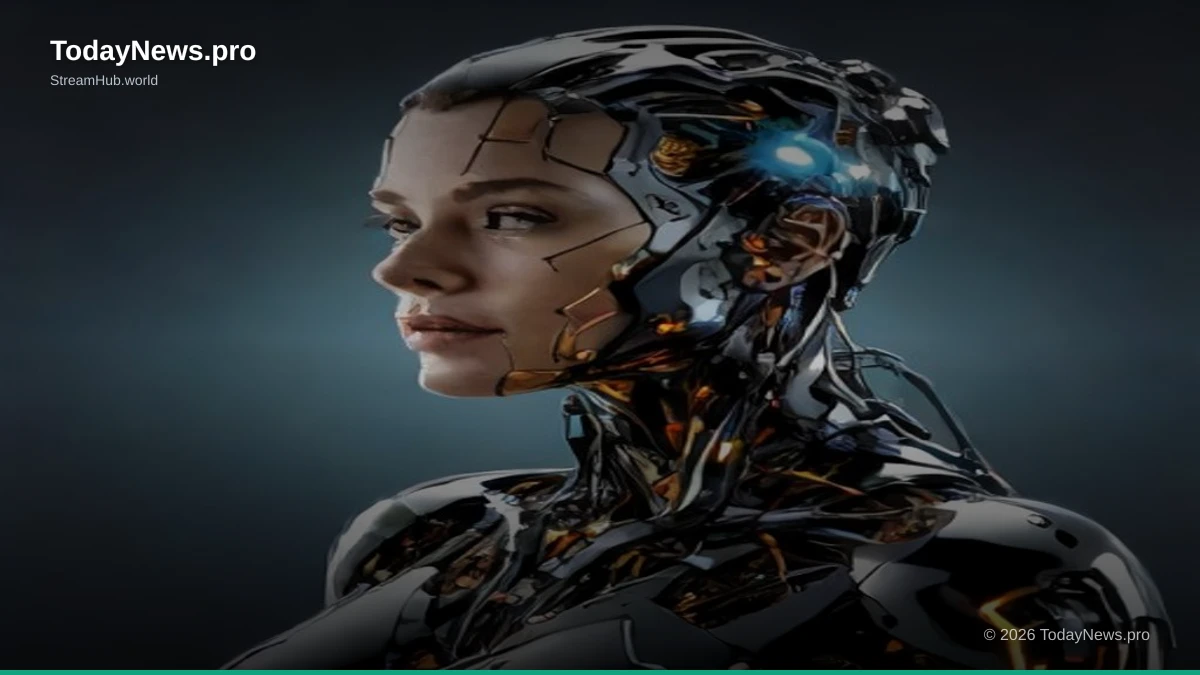
We stand at the precipice of a technological evolution that promises to redefine personal computing and individual augmentation. The concept of a "digital twin," once confined to industrial engineering and complex simulations, is now rapidly migrating into our personal lives. This isn't merely an advanced chatbot or a voice assistant; it's a sophisticated, dynamic, and deeply personalized Artificial Intelligence construct that mirrors your digital footprint, preferences, and even your cognitive patterns. Imagine an AI assistant that doesn't just respond to your commands but anticipates your needs, understands your nuanced communication style, and actively works to optimize your daily existence. This is the promise of the hyper-personalized AI assistant, your digital twin.Defining the Digital Twin in a Personal Context
At its core, a personal digital twin is a virtual replica of an individual, built and continuously updated through data. This data encompasses a vast spectrum of inputs: your online activities, communication logs, calendar entries, financial transactions, health metrics, learning preferences, and even your sentiment analysis derived from written or spoken interactions. Unlike generic AI models, a digital twin is trained on *your* unique data, creating a profile of unparalleled specificity. This allows it to perform tasks with an accuracy and relevance that current AI assistants can only dream of. It’s less about a tool you use, and more about an extension of yourself, a proactive digital counterpart.Beyond Current Assistants: A Leap in Cognitive Emulation
Today's voice assistants, like Siri, Alexa, and Google Assistant, are remarkable feats of engineering, capable of executing commands and retrieving information. However, their understanding is often literal, and their personalization is largely superficial, based on broad demographic data or explicit user settings. A true digital twin moves beyond these limitations. It learns your recurring patterns, your implicit biases, your preferred communication cadence, and even your emotional state. It can then proactively offer solutions, generate content in your unique voice, or manage complex workflows on your behalf, all while maintaining a level of contextual awareness that feels eerily human.The Data Engine: Fueling Your Digital Identity
The creation and ongoing refinement of a digital twin are heavily reliant on data. This data can be voluntarily provided by the user, automatically collected through integrated applications and devices, or inferred through sophisticated machine learning algorithms. The more comprehensive and accurate the data, the more potent and personalized the digital twin becomes. This necessitates a robust framework for data collection, processing, and secure storage, raising immediate questions about user privacy and data ownership, which we will explore further.The Promise of Proactive Assistance
The most compelling aspect of a digital twin is its proactive nature. Instead of waiting for a command, it anticipates. For example, if your digital twin knows you have a crucial presentation tomorrow, it might proactively analyze your calendar for potential conflicts, suggest relevant research articles based on your past interests, and even draft initial presentation slides in your preferred style. This is a far cry from the reactive model of current AI.Building Your Digital Twin: The Technological Pillars
The realization of hyper-personalized AI assistants, or digital twins, is underpinned by a confluence of advanced technologies. These aren't singular innovations but rather a synergistic integration of several cutting-edge fields in artificial intelligence and data science.Machine Learning and Deep Learning at the Core
The foundational technology for any digital twin is machine learning (ML) and its more advanced subset, deep learning (DL). These algorithms are responsible for processing vast amounts of data, identifying patterns, and building predictive models. For a digital twin, ML/DL models are trained to understand natural language (NLP), recognize sentiment, predict user behavior, and generate content that mimics the user's style and tone. Reinforcement learning plays a crucial role in allowing the twin to learn from its interactions and continuously improve its performance.Natural Language Processing (NLP) and Understanding (NLU)
Effective communication is paramount for any assistant. NLP enables the AI to understand and interpret human language, both written and spoken. NLU goes a step further, allowing the AI to grasp the intent, context, and nuances behind the words. This is crucial for a digital twin to understand complex requests, infer unspoken needs, and engage in conversations that feel natural and intuitive, rather than transactional.Data Integration and Management Platforms
A digital twin is only as good as the data it has access to. This requires sophisticated data integration platforms capable of securely connecting to and ingesting data from a multitude of sources – personal devices, cloud services, professional applications, and even IoT devices. Robust data management ensures that this information is organized, accessible, and maintained in a way that respects user privacy and security protocols.Generative AI for Content Creation and Interaction
Generative AI models, such as those powering large language models (LLMs), are essential for the creative and interactive aspects of a digital twin. They can draft emails, write code, compose music, generate artwork, and even engage in sophisticated dialogue, all tailored to the user's unique profile. This allows the digital twin to not only manage tasks but also to assist in creative endeavors, acting as a personalized collaborator.The Role of Edge Computing and Cloud Infrastructure
The computational demands of a complex digital twin are significant. While some processing can occur on edge devices (like smartphones or smart home hubs) for immediate responsiveness and enhanced privacy, much of the heavy lifting, particularly for training and complex analysis, will likely rely on robust cloud infrastructure. The interplay between edge and cloud computing will be critical for balancing performance, latency, and data security.The Personal Knowledge Graph
A key component of a digital twin is its personal knowledge graph. This is a structured representation of an individual's knowledge, relationships, preferences, and experiences. It allows the AI to understand context and make connections that would be impossible with siloed data. For instance, it can link a recurring meeting with a specific colleague to a past project discussed, influencing future communication strategies.Hyper-Personalization: The Core of the AI Assistant Revolution
The true differentiator of the digital twin is its ability to achieve hyper-personalization. This goes beyond simply remembering your name or your favorite coffee order. It delves into the intricate tapestry of your individual preferences, habits, cognitive style, and even emotional states to provide assistance that is uniquely yours.Understanding User Intent and Context
Hyper-personalization means the AI doesn't just hear your words; it understands your underlying intent and the context in which you are communicating. If you say, "I need to prepare for the Q3 earnings call," a hyper-personalized assistant would access your company's financial reports, previous earnings call transcripts, your speaking notes, and even your typical presentation style to draft talking points, identify potential challenging questions, and schedule practice sessions.Adaptive Learning and Behavioral Mimicry
A digital twin continuously learns from your interactions. If you consistently rephrase certain instructions or have a specific way of organizing your tasks, the twin will adapt its communication and operational style to match yours. This behavioral mimicry fosters a sense of familiarity and trust, making the interaction feel more like conversing with a highly competent human assistant. It can learn your risk tolerance for investments, your preferred level of detail in reports, or your emotional triggers during stressful situations.Proactive Problem-Solving and Opportunity Identification
With a deep understanding of your patterns and goals, a hyper-personalized AI assistant can proactively identify potential problems before they arise. For example, it might notice a recurring pattern of late payments on your credit card and suggest a budget adjustment or a debt consolidation plan. Conversely, it can also identify opportunities, such as suggesting a relevant online course based on your career aspirations and recent industry trends, or alerting you to an investment opportunity aligned with your risk profile.Emotional Intelligence and Sentiment Analysis
A truly advanced digital twin will incorporate elements of emotional intelligence. By analyzing your tone of voice, word choice, and even physiological data (if available and permitted), it can gauge your emotional state. This allows it to adjust its approach accordingly – offering support during stressful times, celebrating successes, or providing a more direct approach when efficiency is paramount.92%
Users believe personalized recommendations improve their online experience.
85%
Consumers are more likely to buy from brands that offer personalized experiences.
70%
Increase in engagement rates reported by companies utilizing hyper-personalized marketing.
Applications Across Industries: From Healthcare to Entertainment
The impact of hyper-personalized AI assistants, or digital twins, extends far beyond personal productivity. Their ability to understand and act upon individual needs and preferences makes them transformative across a vast array of sectors.Healthcare and Wellness
In healthcare, a digital twin could monitor a patient's vital signs, medication adherence, and lifestyle choices, alerting them and their medical providers to potential issues. It could personalize treatment plans, offer tailored dietary and exercise advice, and even provide mental health support based on an individual's unique psychological profile. Imagine an AI that understands your specific genetic predispositions and lifestyle to offer preventative health advice. For instance, it could predict your susceptibility to certain conditions and proactively suggest lifestyle changes or screenings."The true revolution in healthcare will be driven by AI that understands the individual, not just the disease. Digital twins offer a pathway to truly preventative and personalized medicine, moving from reactive treatment to proactive well-being."
— Dr. Anya Sharma, Chief Medical AI Officer, HealthTech Innovations
Finance and Investment
Financial digital twins can provide highly personalized investment advice, manage portfolios based on individual risk tolerance and financial goals, and automate complex financial planning. They can also detect fraudulent activity with unparalleled accuracy by understanding normal spending patterns. For instance, if your digital twin knows you never spend more than $50 at a particular grocery store, it can immediately flag a transaction for $500 as suspicious.Education and Learning
Personalized AI assistants can revolutionize education by adapting learning materials and pace to individual student needs. They can identify learning gaps, provide targeted tutoring, and recommend resources that align with a student's learning style and interests. This could lead to more effective and engaging educational experiences for everyone, from K-12 students to lifelong learners.Entertainment and Media Consumption
In entertainment, digital twins can curate highly personalized content recommendations across music, movies, and games, going far beyond current algorithms. They could even generate personalized entertainment experiences, such as composing a piece of music in your favorite genre or creating a personalized narrative for a virtual experience based on your preferences and past interactions.Projected Growth of AI Personal Assistant Market by Sector (USD Billion)
The Ethical Tightrope: Privacy, Security, and Bias
As we embrace the power of digital twins, we must tread carefully on a complex ethical landscape. The very data that empowers these assistants also presents significant risks if mishandled.Data Privacy and Ownership
The foundation of a digital twin is an individual's data. Ensuring robust data privacy and clear data ownership is paramount. Users must have granular control over what data is collected, how it is used, and with whom it is shared. The question of who truly owns the digital twin – the user or the company that developed the AI – is a critical legal and ethical debate. The General Data Protection Regulation (GDPR) in Europe and similar legislation worldwide are crucial steps, but the nuances of AI-generated profiles require new frameworks.Security Vulnerabilities
A digital twin, representing the most intimate digital profile of an individual, is an extremely attractive target for cybercriminals. A security breach could lead to identity theft, financial fraud, or even the manipulation of an individual's digital life. Robust encryption, secure authentication protocols, and continuous threat monitoring are non-negotiable. The potential for a compromised digital twin to act maliciously on behalf of an attacker is a chilling prospect.Algorithmic Bias and Discrimination
AI models are trained on data, and if that data reflects societal biases, the AI will perpetuate and even amplify them. A digital twin trained on biased data could lead to discriminatory outcomes in areas like loan applications, job recommendations, or even healthcare diagnostics. Continuous auditing of algorithms for bias and dedicated efforts to ensure data diversity are essential to mitigate this risk. For example, if historical hiring data shows a bias against certain demographics, a digital twin trained on this data might unfairly penalize candidates from those groups."The promise of AI is immense, but without a strong ethical compass, it can become a tool of oppression. We must prioritize transparency, accountability, and fairness in the development of digital twins to ensure they serve humanity, not exploit it."
— Professor David Chen, AI Ethics Specialist, Stanford University
The Filter Bubble and Echo Chambers
While personalization is a benefit, an over-reliance on a hyper-personalized AI assistant could exacerbate the 'filter bubble' effect. If the AI continuously feeds you information and experiences that align with your existing beliefs and preferences, it could limit your exposure to diverse perspectives, hindering critical thinking and societal discourse.The Future Landscape: Evolution and Integration
The development of hyper-personalized AI assistants is an ongoing journey. The future promises more sophisticated capabilities and deeper integration into the fabric of our lives.Interoperability and Ecosystems
As digital twins become more prevalent, interoperability between different AI assistants and platforms will become crucial. Imagine a future where your financial digital twin can seamlessly communicate with your healthcare twin to optimize wellness spending, or your work-related twin can collaborate with your personal life twin to manage your schedule more effectively. This will likely lead to the development of robust AI ecosystems.The Rise of Proactive and Autonomous Agents
Future digital twins will likely evolve into more proactive and autonomous agents. They won't just assist; they will actively manage complex tasks and make decisions on your behalf, within pre-defined parameters and with your explicit consent. This could range from autonomously negotiating contracts to managing your entire digital presence.Human-AI Collaboration and Augmentation
The goal is not to replace human intelligence but to augment it. Digital twins will serve as powerful tools for cognitive augmentation, freeing up human capacity for creativity, critical thinking, and complex problem-solving. This symbiotic relationship will redefine how we work, learn, and interact with the world.Ethical Frameworks and Regulation
As the technology matures, so too will the need for comprehensive ethical frameworks and regulatory oversight. International collaboration will be vital to establish global standards for data privacy, AI safety, and algorithmic accountability.| Key Development Area | Current Status | Projected Impact |
|---|---|---|
| Advanced NLP & NLU | Good | Seamless, intuitive communication |
| Generative AI Capabilities | Excellent | Creative collaboration, personalized content generation |
| Data Security Protocols | Improving | Essential for user trust and safety |
| Interoperability Standards | Nascent | Foundation for interconnected AI ecosystems |
| Ethical AI Governance | Developing | Crucial for responsible deployment and societal acceptance |
Navigating the AI Assistant Frontier: A Users Guide
For individuals looking to embrace the era of hyper-personalized AI assistants, a proactive and informed approach is key. Understanding the benefits while remaining vigilant about the risks will be crucial for navigating this evolving landscape.Educate Yourself
Stay informed about the latest developments in AI and digital twin technology. Understand what data is being collected, how it's being used, and what your rights are. Reliable sources like Reuters Technology and Wikipedia's Artificial Intelligence page can be valuable starting points.Prioritize Privacy Settings
When adopting any AI assistant or service, take the time to meticulously review and configure privacy settings. Grant only the permissions that are absolutely necessary for the service to function. Be wary of services that request excessive personal data without clear justification.Demand Transparency
As a consumer, you have the right to understand how your data is being used. Support companies that are transparent about their data practices and algorithmic processes. If an AI service is making decisions that affect you, ask for explanations.Be Mindful of Your Digital Footprint
Understand that every interaction you have online contributes to your digital twin. Be mindful of the information you share and the platforms you use. Regularly review your online activity and consider the long-term implications.Advocate for Ethical AI
Support organizations and policies that promote ethical AI development and deployment. Your voice as a consumer and citizen can influence the direction of this technology, ensuring it benefits society as a whole.What is the primary difference between a current voice assistant and a digital twin?
A current voice assistant is primarily reactive and task-oriented, executing commands you give it. A digital twin, or hyper-personalized AI assistant, is proactive, continuously learning from your data to anticipate your needs, understand your context, and act on your behalf with a deep understanding of your individual preferences and patterns.
How is my data protected when using a digital twin?
Data protection is a critical concern. Reputable digital twin providers will employ robust security measures such as end-to-end encryption, secure data storage, anonymization techniques where possible, and strict access controls. Users should always review the privacy policies and security protocols of any service they use.
Can a digital twin be biased?
Yes, AI models, including those that form digital twins, can be biased if they are trained on data that reflects societal biases. Developers must actively work to identify and mitigate bias in their training data and algorithms to ensure fair and equitable outcomes for all users.
Will I lose control of my decisions if I use a digital twin?
The goal of a digital twin is to augment, not replace, human decision-making. Users should maintain control over their core decisions. Advanced digital twins will operate within user-defined parameters and require explicit consent for significant actions, ensuring that users remain in command of their lives.