

 Kenji Sato
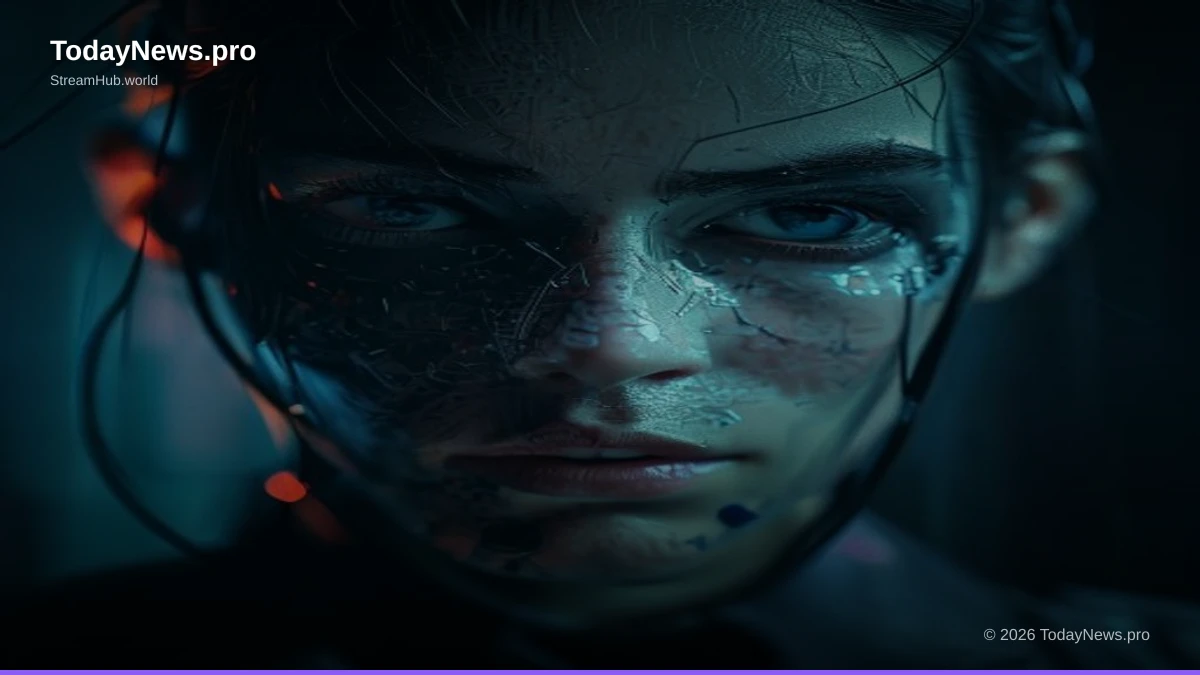
As of 2023, an estimated 96% of all internet traffic is consumed by video, a statistic that underscores our increasing reliance on visual and auditory information. Yet, this digital deluge is increasingly polluted by sophisticated synthetic media, blurring the lines between genuine and fabricated content, and posing an unprecedented challenge to our ability to discern truth.
The Rise of Synthetic Realities
The digital age promised an era of unprecedented information access and connectivity. Instead, it has inadvertently paved the way for a new frontier of deception: synthetic media. Technologies like Generative Adversarial Networks (GANs) and advanced neural networks have moved from research labs to public accessibility, empowering individuals and malicious actors alike to create highly convincing, yet entirely fabricated, audio and video content. This shift is not merely an evolution of digital manipulation; it represents a fundamental challenge to our perception of reality itself.
The proliferation of these technologies is driven by several factors. Firstly, the algorithms powering deepfakes and AI voice clones are becoming more sophisticated and easier to use. Open-source tools and accessible cloud computing have democratized their creation, lowering the barrier to entry for producing highly realistic synthetic media. Secondly, the sheer volume of digital content being generated and consumed daily means that fake content can easily become lost in the noise, making it harder for individuals to critically assess every piece of information they encounter.
This technological leap has profound implications across all facets of society, from personal reputation management and political discourse to financial markets and national security. As we navigate this evolving landscape, understanding the mechanics, implications, and potential countermeasures for synthetic media becomes paramount.
Deepfakes: The Visual Deception
Deepfakes, a portmanteau of "deep learning" and "fake," refer to synthetic media in which a person's likeness is replaced with someone else's. This is typically achieved by training a deep learning model on a large dataset of images and videos of both the target person and the source person. The model then learns to map the facial features and expressions of the source onto the target, creating a remarkably convincing, albeit artificial, visual representation.
The Mechanics of Manipulation
At its core, deepfake generation often involves GANs. These are a class of machine learning frameworks where two neural networks, a generator and a discriminator, are pitted against each other. The generator creates new data samples (e.g., fake images or video frames), while the discriminator tries to distinguish between real and fake samples. Through this adversarial process, the generator becomes increasingly adept at producing highly realistic outputs that can fool the discriminator, and by extension, human observers.
The process requires significant computational power and a substantial amount of source material. However, advancements have led to more efficient models and even the creation of deepfakes from limited data, a development that significantly broadens the potential for misuse. The output can range from simple face swaps to complete manipulation of expressions, body movements, and even the creation of entirely new individuals that never existed.
Applications and Misuses
While deepfake technology has potential benign applications, such as in filmmaking for de-aging actors or creating digital doubles, its misuse has garnered significant attention. The most alarming uses include the creation of non-consensual pornography, political disinformation campaigns aimed at swaying elections, and fraudulent schemes designed to impersonate individuals for financial gain. The potential for reputational damage and the erosion of public trust are immense.
Consider the impact of a deepfake video showing a politician making inflammatory statements they never uttered, or a CEO appearing to announce a company's bankruptcy. The speed at which such content can spread online, coupled with the difficulty of immediate refutation, can lead to devastating real-world consequences, from market crashes to social unrest.
The Evolution of Realism
The realism of deepfakes has improved dramatically in recent years. Early iterations were often crude, with noticeable artifacts and uncanny valley effects. However, current deepfakes can be indistinguishable from genuine footage to the untrained eye. This has led to a constant arms race between deepfake creators and detection algorithms. The sophistication of the AI models means that the visual fidelity continues to climb, making it increasingly challenging to rely solely on visual cues for authentication.
AI Voice Clones: The Sonic Mimicry
Parallel to the visual deception of deepfakes, synthetic audio, often referred to as AI voice cloning or voice synthesis, has become equally sophisticated and concerning. This technology allows for the creation of audio recordings that mimic a specific person's voice with uncanny accuracy, using only a small sample of their speech. The implications for fraud, impersonation, and disinformation are as severe as those of visual deepfakes.
The Technology Behind the Sound
AI voice cloning models are trained on extensive datasets of spoken audio from the target individual. These models analyze the unique vocal characteristics, such as pitch, tone, cadence, and even subtle speech impediments, to construct a digital replica. Techniques like neural vocoders and transformer networks are employed to generate natural-sounding speech that can articulate any desired text.
The remarkable progress in this field means that even short audio snippets, sometimes as little as a few seconds, can be sufficient to train a model capable of generating hours of convincing dialogue in the target voice. This ease of acquisition of training data makes the technology accessible and poses a significant threat, as personal voice recordings are far more common than extensive video archives.
Scams and Social Engineering
One of the most prevalent malicious uses of AI voice cloning is in scams. Criminals can use cloned voices to impersonate family members or authority figures to solicit money or sensitive information. The "grandparent scam," where fraudsters call elderly individuals claiming to be a grandchild in distress needing urgent financial assistance, has been supercharged by this technology. The familiar and trusted voice of a loved one can bypass skepticism and lead to immediate financial loss.
Beyond personal scams, voice cloning can be weaponized in social engineering attacks against corporations, potentially leading to unauthorized financial transfers or data breaches by impersonating executives or trusted employees.
The Blurring of Authenticity
The ability to perfectly replicate a person's voice challenges our fundamental reliance on audio evidence. In legal contexts, the authenticity of recorded statements could be called into question. In public discourse, a fabricated audio clip of a politician or public figure could spread misinformation at an alarming rate, with the convincing vocal performance lending it an air of authority and truth.
The emotional impact of hearing a loved one's voice in a fabricated context, whether for malicious purposes or even as part of a deceptive prank, can be profound. This technology directly targets our innate trust in the familiar sounds of human connection, making it a particularly insidious form of manipulation.
The Eroding Trust: A Crisis of Authenticity
The widespread existence and increasing sophistication of deepfakes and AI voice clones have ushered in what many experts call a "truth crisis" or a "post-truth era" in the digital realm. When any audio-visual content can be convincingly fabricated, the default assumption of authenticity for any piece of media begins to crumble. This erosion of trust has far-reaching consequences for individuals, institutions, and the very fabric of society.
This phenomenon is not entirely new. Propaganda and disinformation have always existed, but the scale, speed, and hyper-realism enabled by AI-driven synthetic media represent a quantum leap in manipulative potential. The ability to manufacture seemingly irrefutable "evidence" undermines journalism, academic research, legal proceedings, and democratic processes.
The implications are stark: if citizens cannot trust the information presented by news organizations or government bodies, they may become susceptible to conspiracy theories or authoritative narratives that are equally fabricated. This creates fertile ground for polarization and societal division.
Impact on Journalism and Media
For journalists, the challenge is twofold. First, they must be vigilant in verifying the authenticity of the information they receive and disseminate, a task made infinitely harder by advanced synthetic media. Second, they must combat the spread of disinformation, which can be amplified by deepfakes and voice clones designed to discredit legitimate reporting or promote false narratives. The reputational damage from inadvertently publishing fake content can be catastrophic for news organizations.
This requires a significant investment in new verification tools and training for journalists. The traditional methods of source checking and cross-referencing may no longer be sufficient. The pressure to be first with a story can also be exploited, leading to rushed publications of unverified, and potentially fabricated, content.
Political and Social Ramifications
In the political arena, deepfakes can be deployed to influence elections, smear opponents, or incite unrest. A fabricated video of a candidate engaging in illegal or unethical behavior, released strategically before an election, could irrevocably alter the outcome. Similarly, AI-generated speeches or statements attributed to world leaders could trigger international incidents or market volatility. The speed at which such content can go viral means that corrections or debunking efforts often arrive too late to mitigate the damage.
Beyond electoral politics, the technology can be used to stoke social tensions, promote extremist ideologies, or even create fabricated evidence in ongoing disputes. The ability to manipulate public perception on such a grand scale poses a direct threat to democratic stability and social cohesion.
| Area of Impact | Potential Consequences | Examples |
|---|---|---|
| Politics | Election interference, voter manipulation, international incidents, erosion of public trust in leaders. | Fake candidate videos, fabricated speeches by world leaders, manufactured scandals. |
| Finance | Market manipulation, stock fraud, corporate impersonation, investor deception. | Fake CEO announcements, fabricated insider trading evidence, voice scams targeting financial institutions. |
| Personal Reputation | Defamation, blackmail, identity theft, reputational damage, non-consensual pornography. | Revenge porn deepfakes, blackmail using cloned voices, impersonation for fraud. |
| Media & Journalism | Spread of disinformation, erosion of credibility, difficulty in verifying sources, public distrust in news. | Fabricated news reports, discrediting legitimate reporting, fake eyewitness accounts. |
Detection and Defense: Tools and Tactics
As the threat of synthetic media grows, so too does the urgency to develop effective detection and defense mechanisms. This is a dynamic field, with researchers and technologists working on multiple fronts to identify and flag fabricated content, while simultaneously developing countermeasures to prevent its creation or spread.
Algorithmic Detection
One of the primary approaches to combating deepfakes is through algorithmic detection. These systems are trained to identify subtle anomalies and artifacts that are characteristic of AI-generated content but may not be apparent to the human eye or ear. These can include inconsistencies in facial expressions, unnatural blinking patterns, subtle distortions in lighting, or peculiar audio frequencies.
However, this is an ongoing battle. As detection algorithms improve, so do the generative models used to create deepfakes, leading to a continuous arms race. The challenge is to create detection methods that are robust enough to keep pace with the evolving sophistication of synthetic media. Researchers are exploring not just pixel-level analysis but also behavioral patterns and inconsistencies within the narrative of the content itself.
For external validation, reputable sources like Reuters often provide insights into the latest developments in deepfake detection technologies.
Digital Watermarking and Provenance
Another promising avenue is the development of digital watermarking and content provenance systems. Digital watermarks can be embedded into genuine media at the point of creation, allowing for its authenticity to be verified later. Content provenance aims to create a verifiable trail of a piece of media, documenting its origin, any modifications it has undergone, and its journey through various platforms. Blockchain technology is being explored as a potential backbone for such systems, offering a decentralized and immutable ledger.
The idea is to establish a trusted chain of custody for digital content. If a piece of media has a verifiable origin and no alterations have been made since its creation, its authenticity is much easier to establish. This approach places emphasis on verifying the legitimate, rather than solely on detecting the fake.
Human Vigilance and Media Literacy
While technological solutions are crucial, human vigilance and enhanced media literacy remain essential components of defense. Educating the public about the existence and capabilities of deepfakes and AI voice clones empowers individuals to approach digital content with a healthy skepticism. Developing critical thinking skills, cross-referencing information from multiple trusted sources, and being aware of common manipulation tactics are vital defenses.
Organizations like the Wikipedia project on media literacy offer valuable resources for understanding these concepts. Encouraging a culture of questioning and verification, even for seemingly innocuous content, can help build a more resilient information ecosystem.
The Regulatory Landscape and Ethical Dilemmas
The rapid advancement of deepfake and AI voice cloning technologies has outpaced regulatory frameworks, leaving a significant gap in how their misuse is addressed. Policymakers, legal experts, and ethicists are grappling with the complex challenges of creating effective legislation and ethical guidelines that can protect individuals and society without stifling innovation.
Key ethical dilemmas include balancing the right to free expression with the need to prevent harmful disinformation, defining intent and responsibility in the creation and dissemination of synthetic media, and ensuring that detection technologies do not infringe upon privacy rights.
Legislative Approaches
Governments worldwide are beginning to introduce legislation targeting deepfakes. These can range from outright bans on non-consensual deepfake pornography to requirements for clear labeling of synthetic media. Some jurisdictions are focusing on criminalizing the malicious use of deepfakes for purposes like defamation, fraud, or election interference.
However, crafting effective legislation is challenging. The global nature of the internet means that laws in one country may have limited impact. Furthermore, defining what constitutes a "harmful" deepfake can be subjective, and overly broad regulations could inadvertently restrict legitimate creative or satirical uses of the technology. The debate often centers on whether to regulate the technology itself or its application.
| Country/Region | Key Regulatory Measures | Focus |
|---|---|---|
| United States | State-level laws (e.g., California, Virginia) prohibiting non-consensual deepfake pornography; proposed federal legislation. | Protection against sexual exploitation, preventing election interference. |
| European Union | Digital Services Act (DSA) and upcoming AI Act; emphasis on transparency and labeling for AI-generated content. | Platform accountability, user safety, ethical AI development. |
| United Kingdom | Online Safety Bill; measures to tackle harmful online content, including potential provisions for deepfakes. | Protecting users from online harm, addressing harmful content. |
| South Korea | Laws criminalizing the creation and distribution of deepfakes intended to defame or impersonate individuals. | Preventing reputational damage and fraud. |
Ethical Considerations for AI Development
The creators of AI technologies themselves bear a significant ethical responsibility. This includes developing AI systems with built-in safeguards, promoting transparency about their capabilities, and actively working to mitigate potential harms. The debate within the AI community often revolves around responsible innovation and the ethical deployment of powerful generative models.
There is a growing call for industry self-regulation, alongside government oversight. This could involve setting voluntary standards for AI development, implementing stricter content moderation policies on platforms, and collaborating on research into detection and prevention methods. The goal is to foster an environment where AI can be used for good, while minimizing its capacity for exploitation.
The Challenge of Global Cooperation
Addressing the threat of synthetic media effectively requires a coordinated global effort. Disinformation campaigns and fraudulent activities often cross national borders, making unilateral regulatory approaches insufficient. International cooperation is needed to share best practices, develop common standards, and enforce regulations across different jurisdictions.
Organizations like the United Nations and the World Economic Forum are increasingly engaging in discussions about the governance of AI and synthetic media, highlighting the need for a unified international response to this complex, borderless challenge. The shared threat demands shared solutions.
Navigating the Truth in the Digital Fog
The advent of deepfakes and AI voice clones presents a formidable challenge to our ability to trust the digital information we consume. As these technologies become more accessible and sophisticated, the line between reality and simulation will continue to blur, demanding a proactive and multifaceted approach to safeguarding truth and authenticity.
For individuals, this means cultivating a habit of critical skepticism. Before accepting any piece of audio or video content at face value, it's prudent to ask questions: Who created this? What is their motive? Is this information corroborated by other trusted sources? Are there any visual or auditory inconsistencies?
The responsibility also lies with technology platforms to implement robust detection mechanisms and clear labeling for synthetic content. Policymakers must continue to develop and adapt regulations to address the evolving threats. And researchers must push the boundaries of detection and verification technologies.
Ultimately, navigating this digital fog requires a collective commitment to truth. It necessitates investing in media literacy, supporting independent journalism, and fostering a societal understanding of the risks and implications of synthetic media. Only through a combination of technological innovation, legislative action, and heightened public awareness can we hope to preserve the integrity of our information landscape and maintain a shared sense of reality.